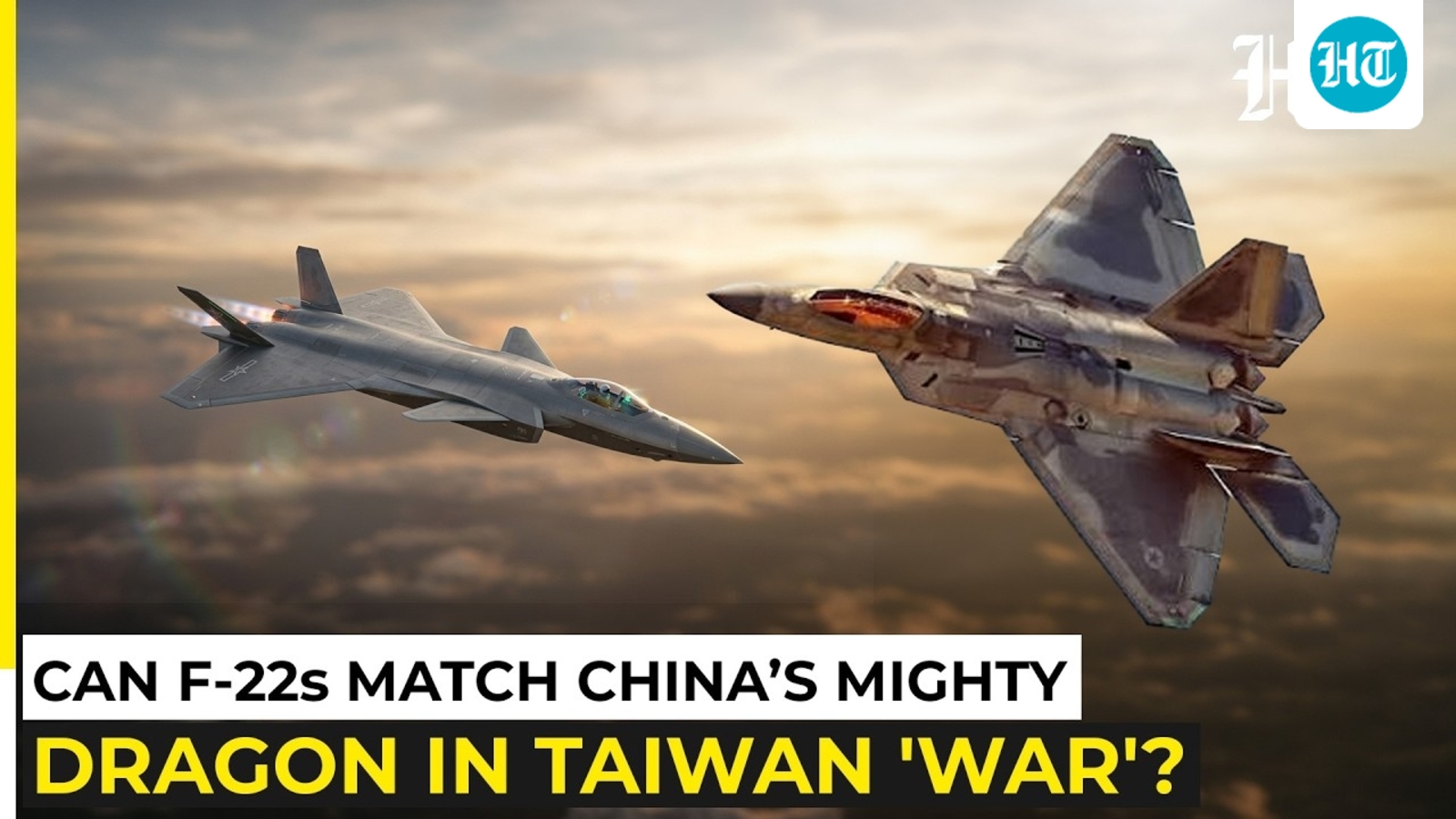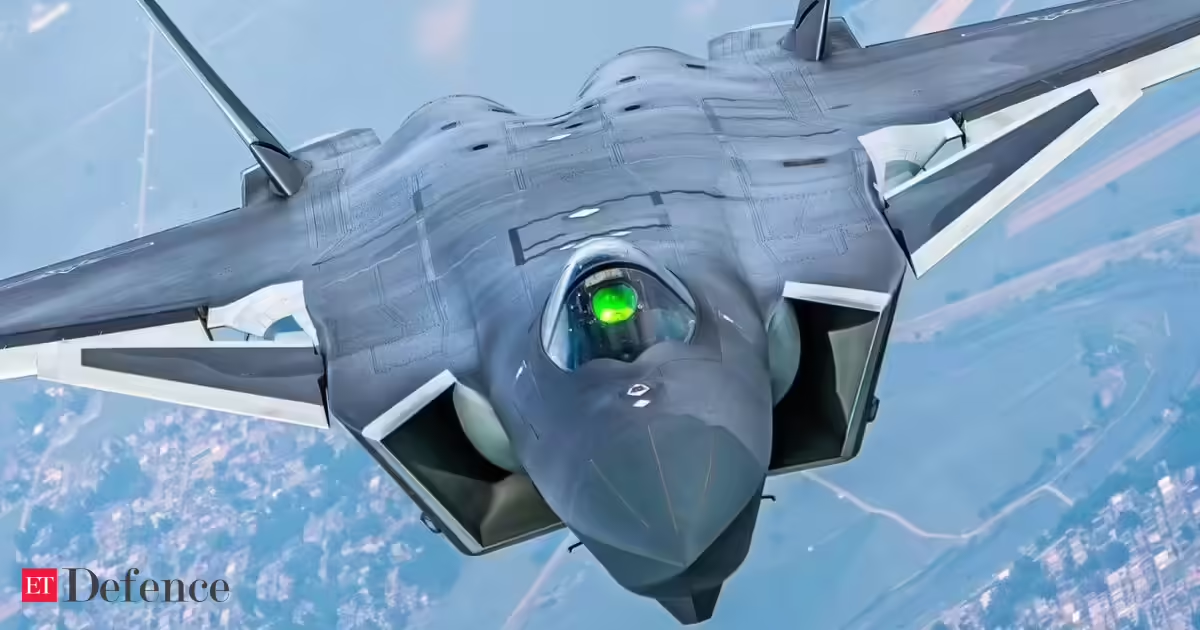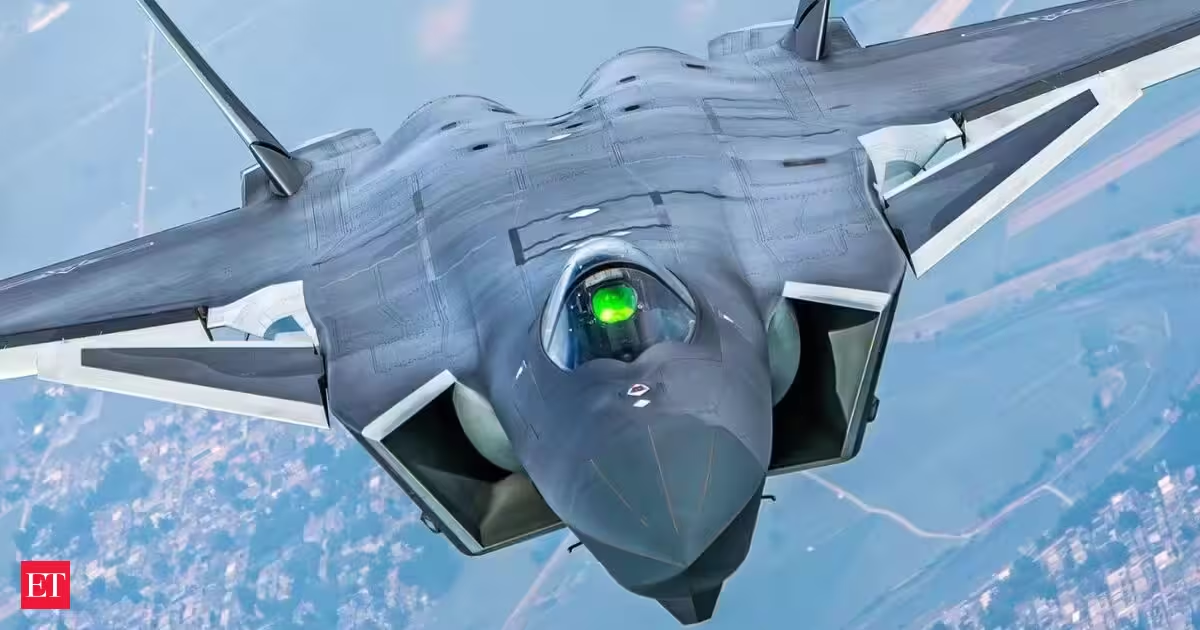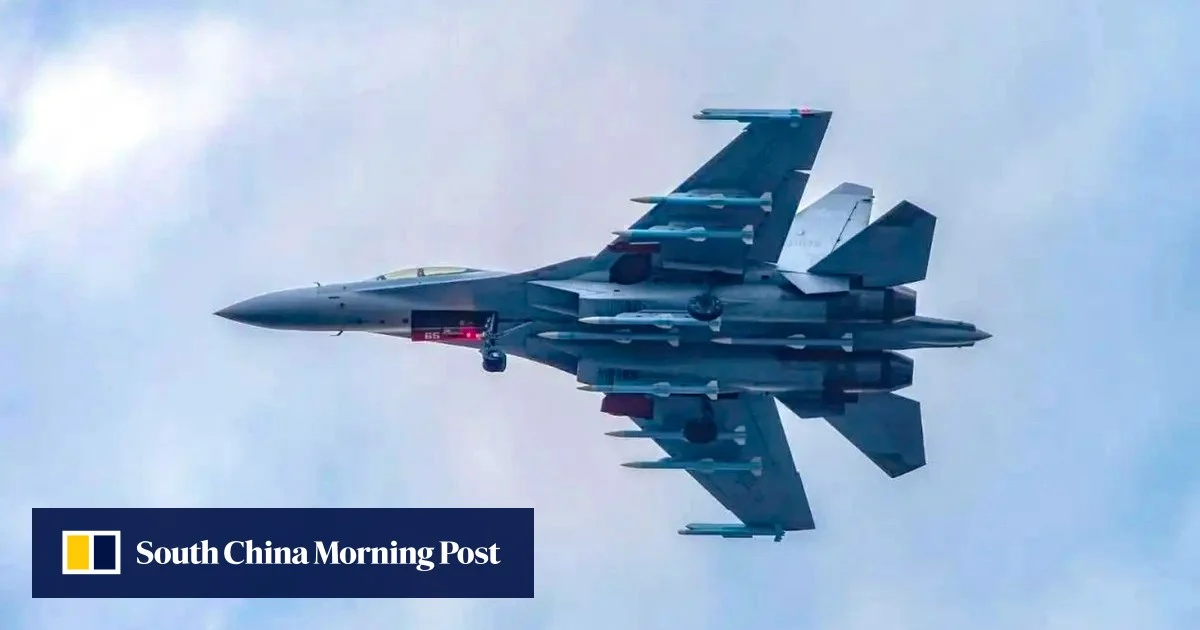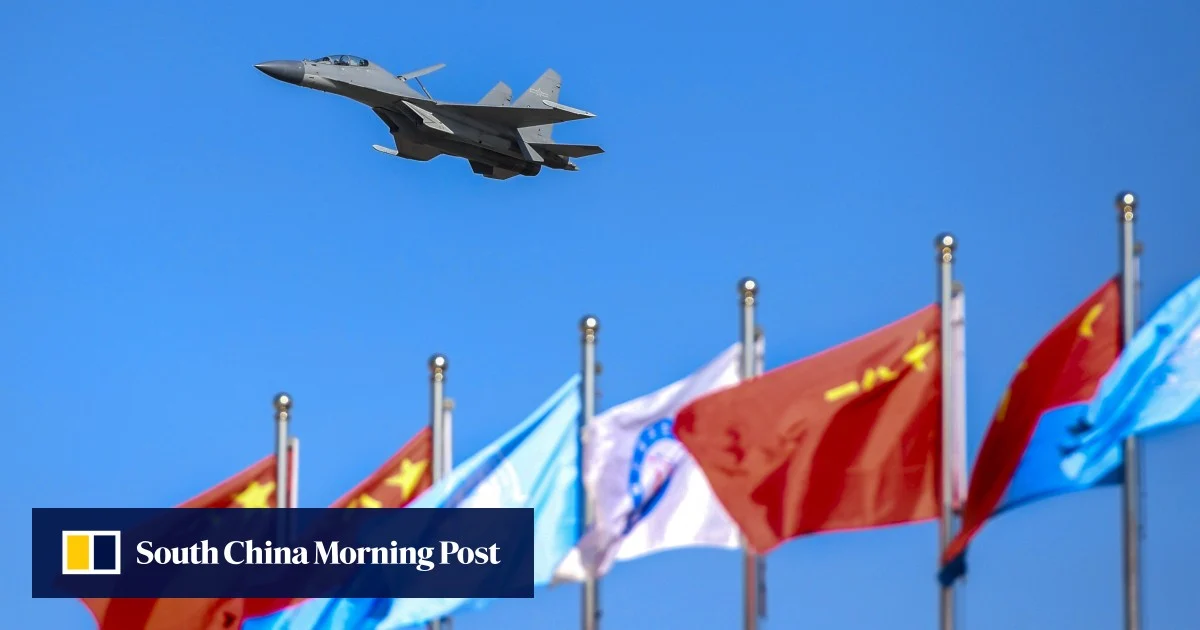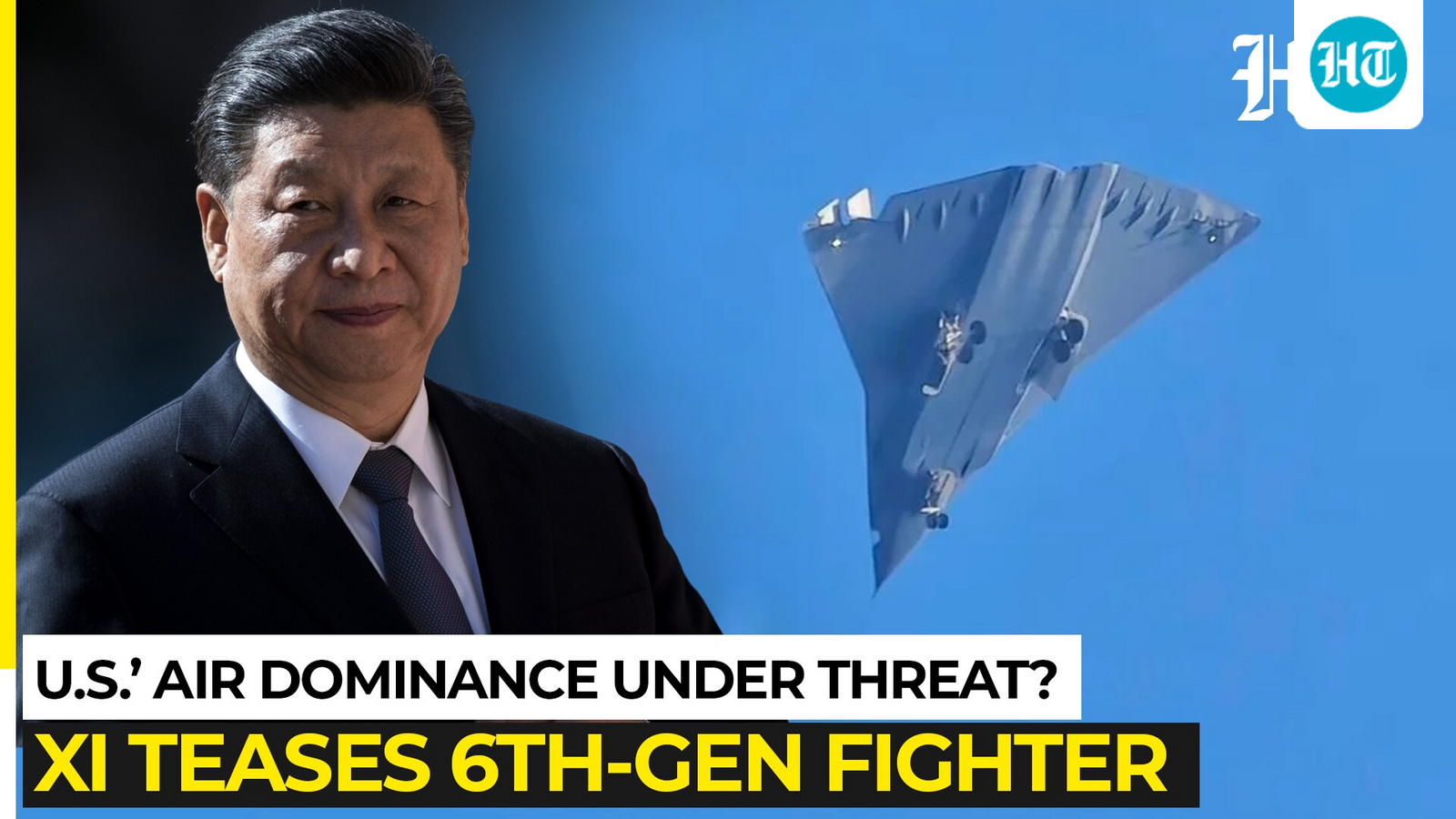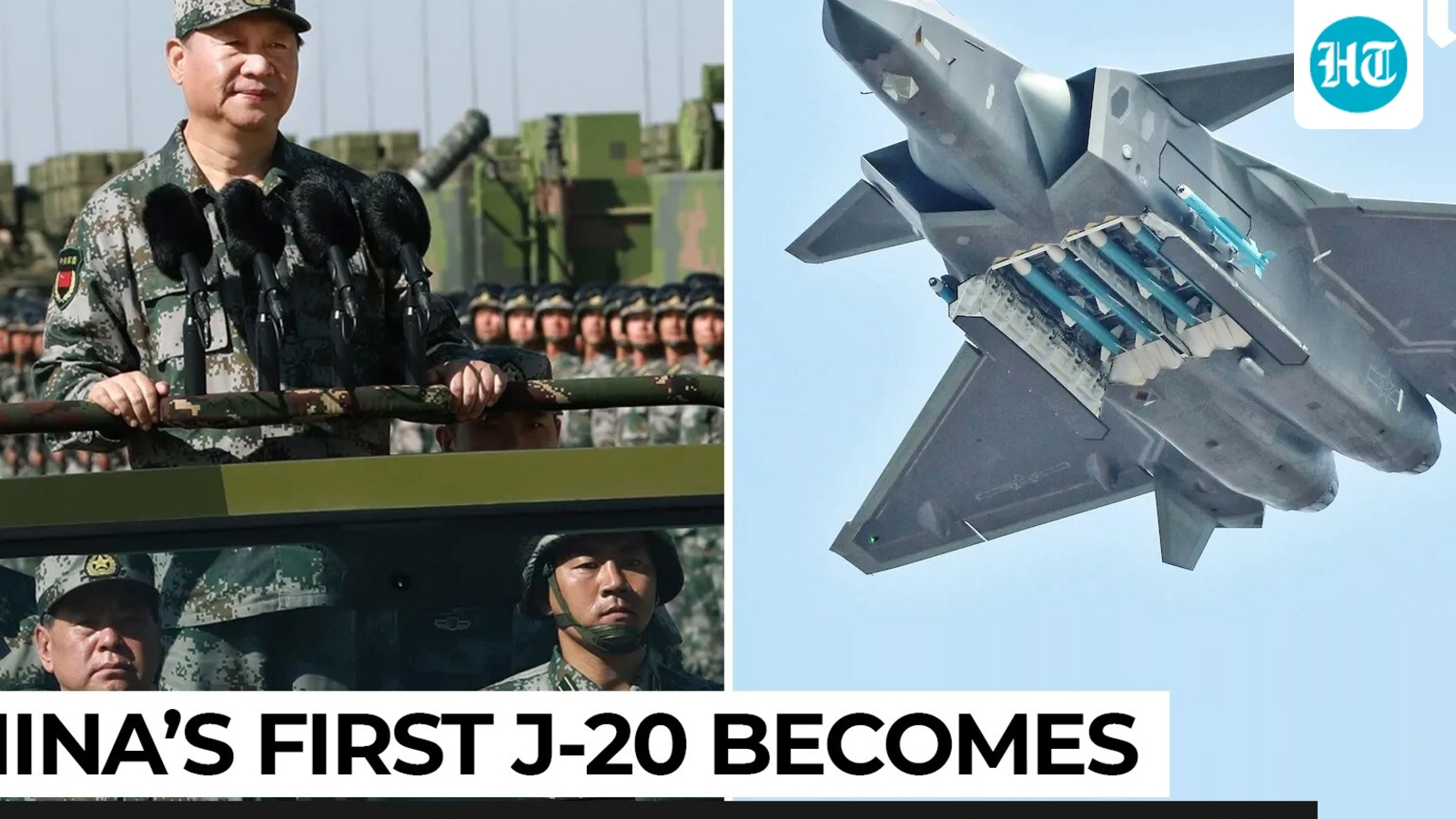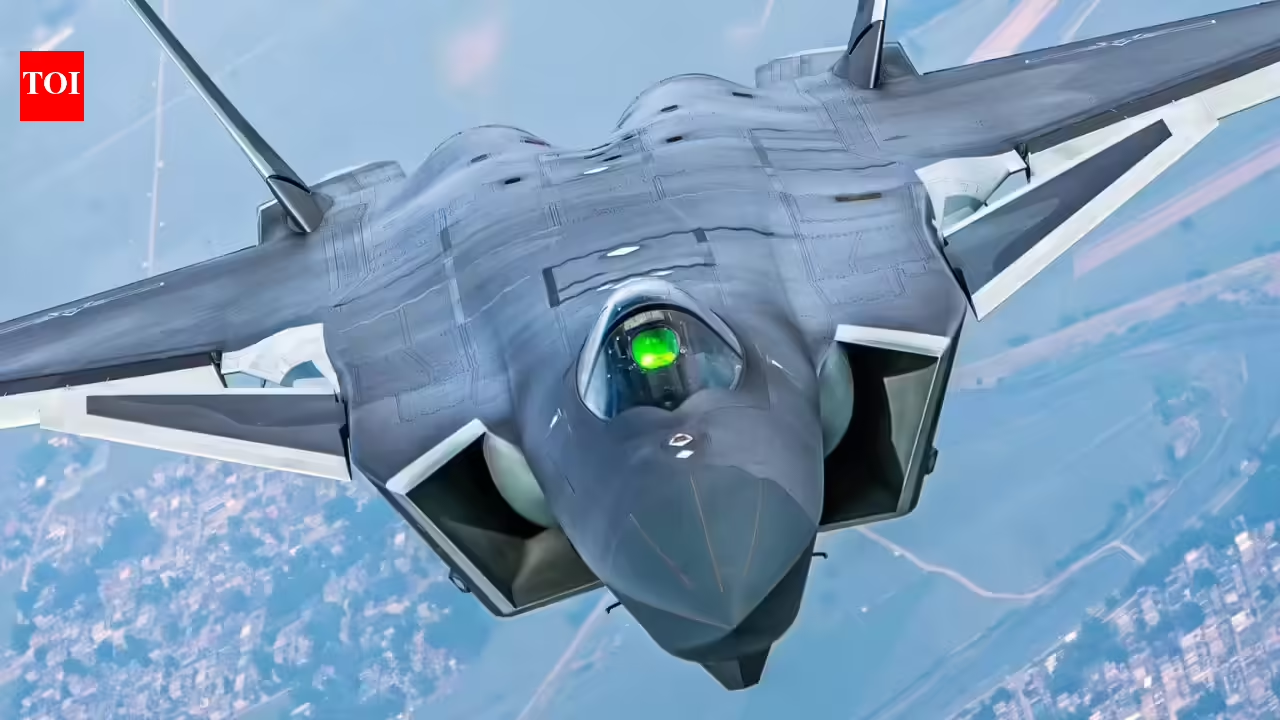
PLAAF J 20 Mighty dragonChina has evolved his fifth generation fighter jet J-20 Mighty Dragon into the backbone of the People's Liberation Army Air Force. In just over a decade since its maiden flight, the stealth aircraft has matured through successive upgrades, entered widespread operational service and is now being produced at a pace that is drawing global attention.From a closely watched prototype that first took to the skies in 2011, China's J-20 has grown into one of the country's most successful indigenous military aviation programmes. What began as a limited fleet powered by Russian-built engines has evolved into a frontline fifth-generation fighter increasingly equipped with Chinese-made WS-10C engines, while newer variants are testing the more powerful WS-15 powerplant alongside airframe and systems refinements.According to a recent report by The War Zone (TWZ), open-source defence analyst Andreas Rupprecht estimates that China may now have produced around 500 J-20 stealth fighters. While Beijing has never officially disclosed the size of its J-20 fleet, the estimate is based on production serial numbers, satellite imagery, factory observations and unit deployments, offering one of the most comprehensive open-source assessments of the programme to date.Just few years back, International Institute for Strategic Studies (IISS) estimated that the PLAAF had inducted at least 150 J-20s into frontline service by early 2023. The think tank also highlighted the programme's rapidly expanding production capacity, noting that annual output had likely doubled over the previous three years and expected to push China's J-20 fleet beyond the size of the US Air Force's F-22 Raptor inventory by the end of 2023.The UK-based Royal United Services Institute (RUSI) estimated that J-20 production had likely reached around 120 aircraft annually by late 2025. It assessed that approximately 300 J-20s were already in service across at least 13 PLAAF regiments, while noting that the actual number produced was likely higher, as many newly built aircraft would still be awaiting delivery to operational units.According to the assessment of Andreas Rupprecht J-20 has being deployed across 14 frontline PLAAF brigades and three flight test and training bases, which operate mixed fleets.China is simultaneously developing and producing multiple combat aircraft, including the carrier-capable J-35, J-16 multirole fighter and next-generation sixth-generation combat aircraft.The ability to sustain high-rate J-20 production while advancing several other fighter programmes points to a significantly expanded aerospace manufacturing base, supported by indigenous engines, avionics, composite materials and increasingly efficient production lines.While the exact size of China's J-20 fleet remains unconfirmed due to the absence of official figures from Beijing, the broader trend is increasingly difficult to ignore.As Beijing continues to expand its aerospace capabilities, the J-20 has become not only the flagship of the PLAAF but also a symbol of China's growing ambition to emerge as a global leader in military aviation.
China J-20 : As China sixth gen fighter design grabs attention, How the J20 is quietly transforming the PLAAF | - The Times of India
International News: China has evolved his fifth generation fighter jet J-20 Mighty Dragon into the backbone of the People's Liberation Army Air Force. In just over a deca.
459 words~2 min read