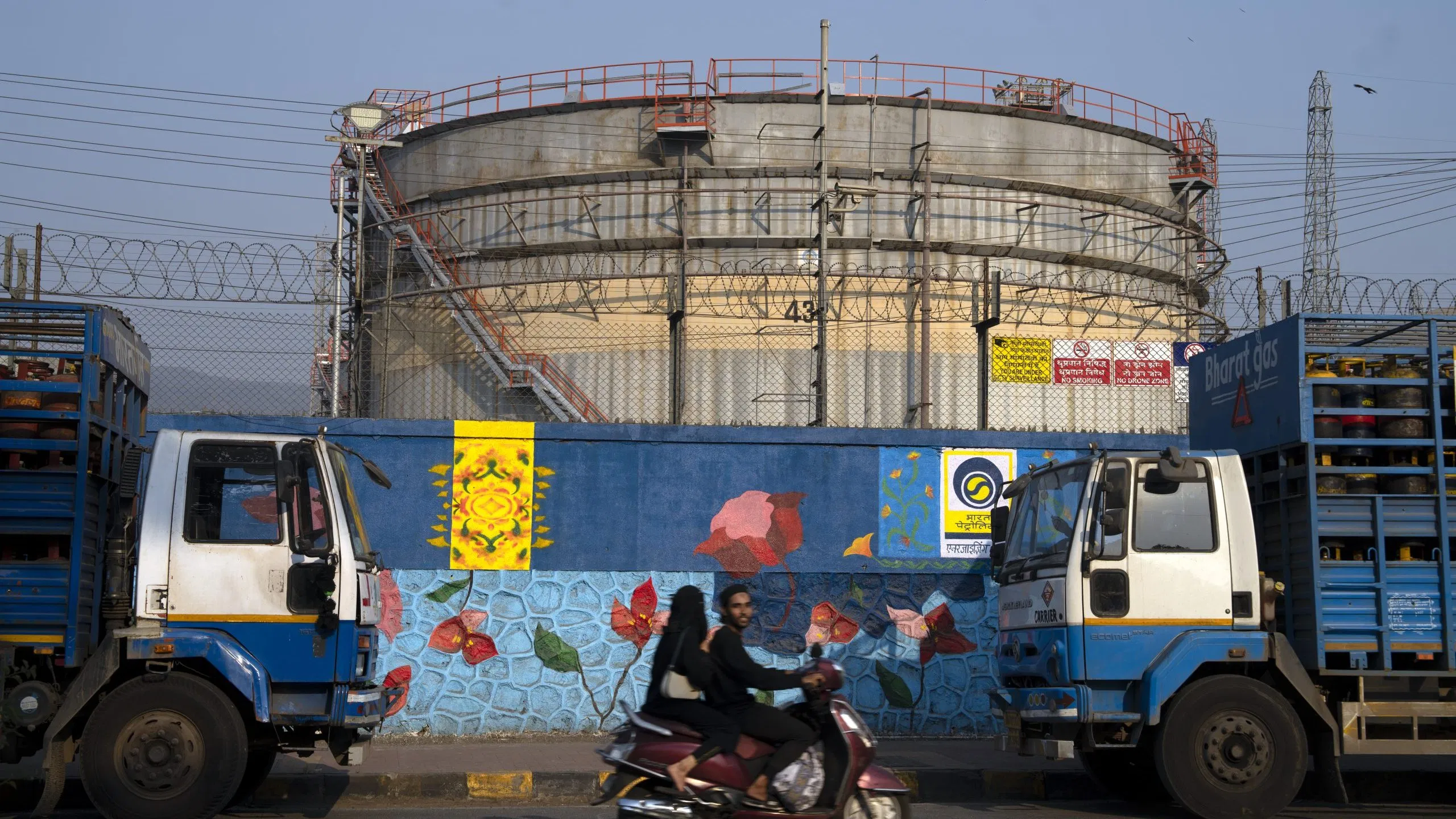
HSBC upgraded Indian equities to "Neutral" from "Underweight" on Thursday, as easing crude oil prices reduced earnings risks for companies in the world's third-largest crude importer and measures to stabilize the rupee drew back foreign investors. The brokerage raised its 2026-end target for the BSE Sensex index to 84,000 from 80,500 earlier, indicating an 8.6% upside from current levels. Brent crude futures are down 33% from their April peak of $126.41 as Middle East tensions eased following an interim U.S.-Iran agreement to end the war. "The oil shock has eased, taking some pressure off margins and lowering the risk of significant earnings downgrades," HSBC said in a note. The upgrade follows a similarly positive view from Goldman Sachs earlier this month, which cited lower commodity prices and a more stable currency for India's improved outlook. Foreign investors have bought Indian shares worth $1.6 billion so far in July, turning into net buyers after four months of heavy selling. Overall, they have sold $27.7 billion in Indian equities in 2026, surpassing last year's record outflow of $18.9 billion. The sell-off was partly linked to funds rotating into AI-linked stocks, away from markets such as India, which have limited exposure to the theme. HSBC said the sustainability of the foreign inflows is a key concern for India, especially as attention shifts back to AI-linked opportunities. The brokerage said South Korea is still Asia's strongest growth story, but leverage and concentrated positions will likely keep volatility elevated. The brokerage had downgraded India to "Underweight" in April amid a surge in crude oil prices, saying India looked less attractive than North East Asian peers. Despite recent gains, Indian equities are still down 7.7% year-to-date, lagging MSCI's broadest index of Asia-Pacific stocks outside Japan, up 21%. HSBC said it prefers private banks, consumer discretionary, real estate, commodities, and select industrials in India.
HSBC upgrades Indian equities to 'neutral' on easing oil prices, return of foreign flows
HSBC upgraded Indian equities to Neutral from Underweight on Thursday. Easing crude oil prices reduced earnings risks for Indian companies. Measures to stabilize the rupee drew back foreign investors into the market. The brokerage raised its 2026-end target for the BSE Sensex index. Foreign investors bought Indian shares worth $1.6 billion so far in July.
307 words~1 min read