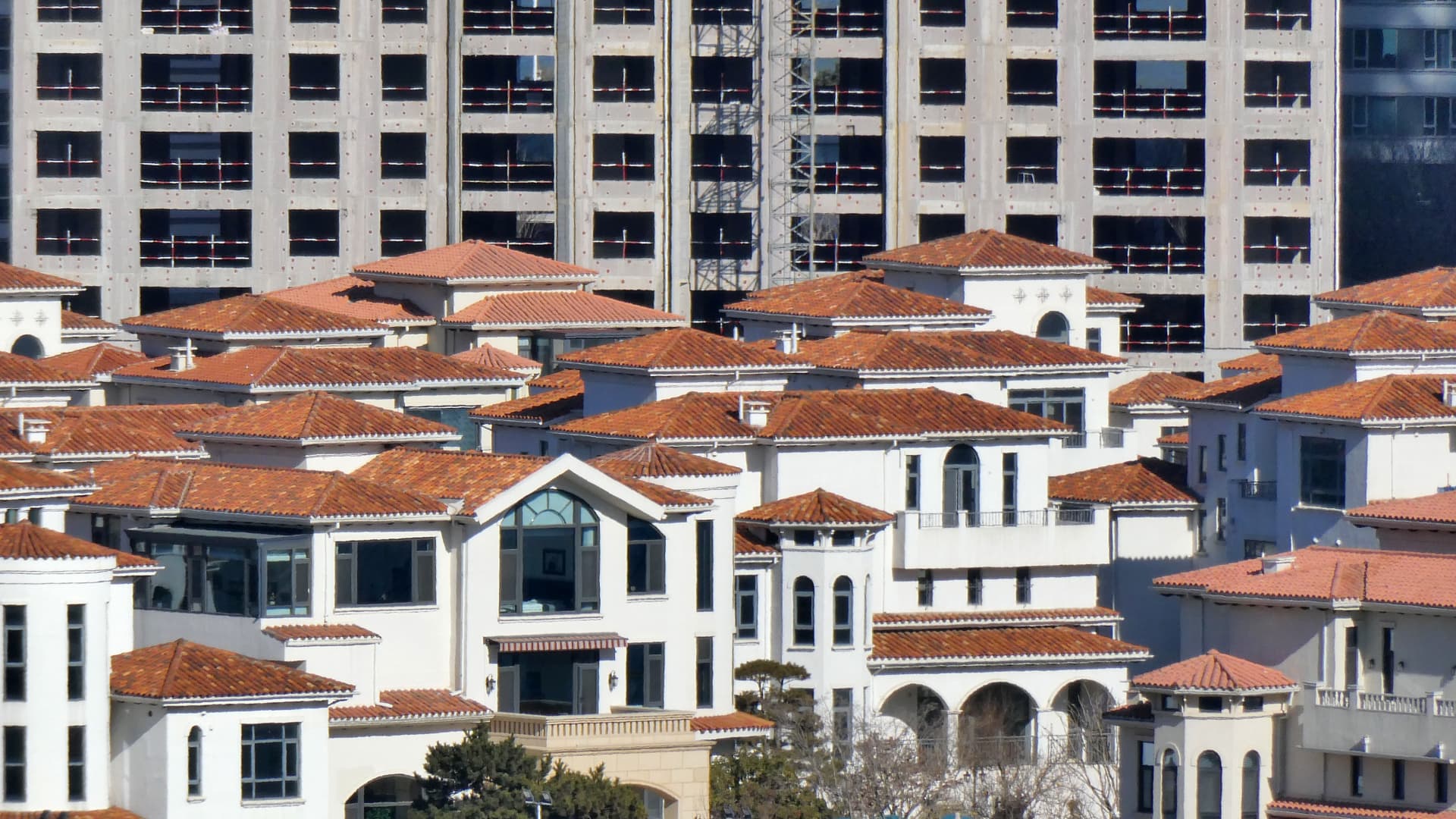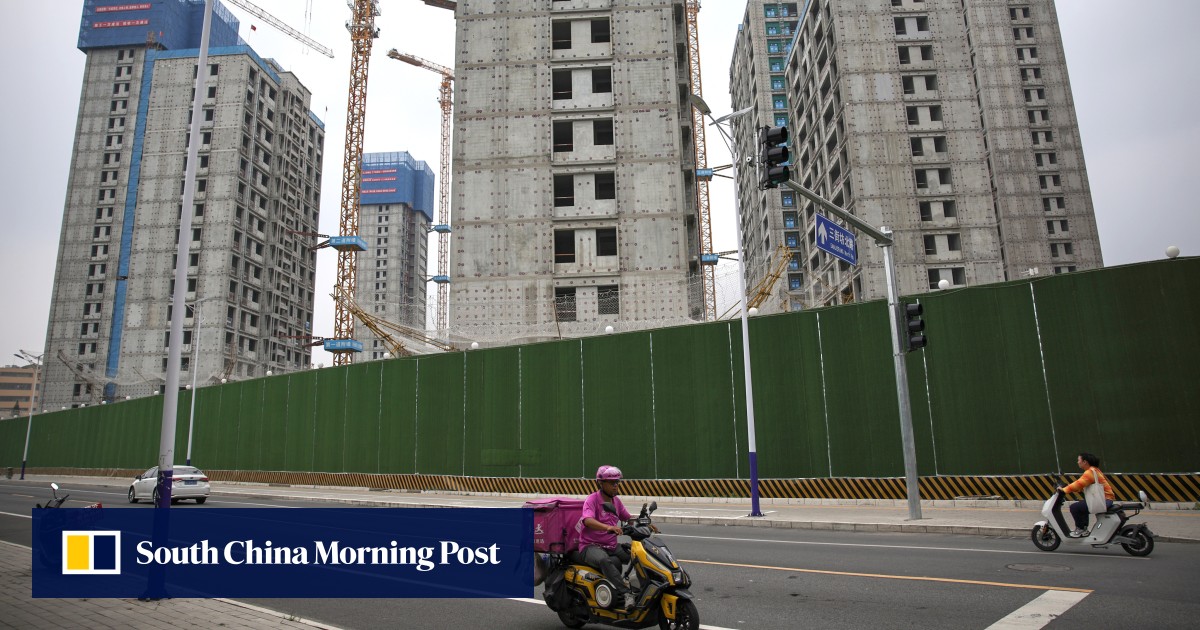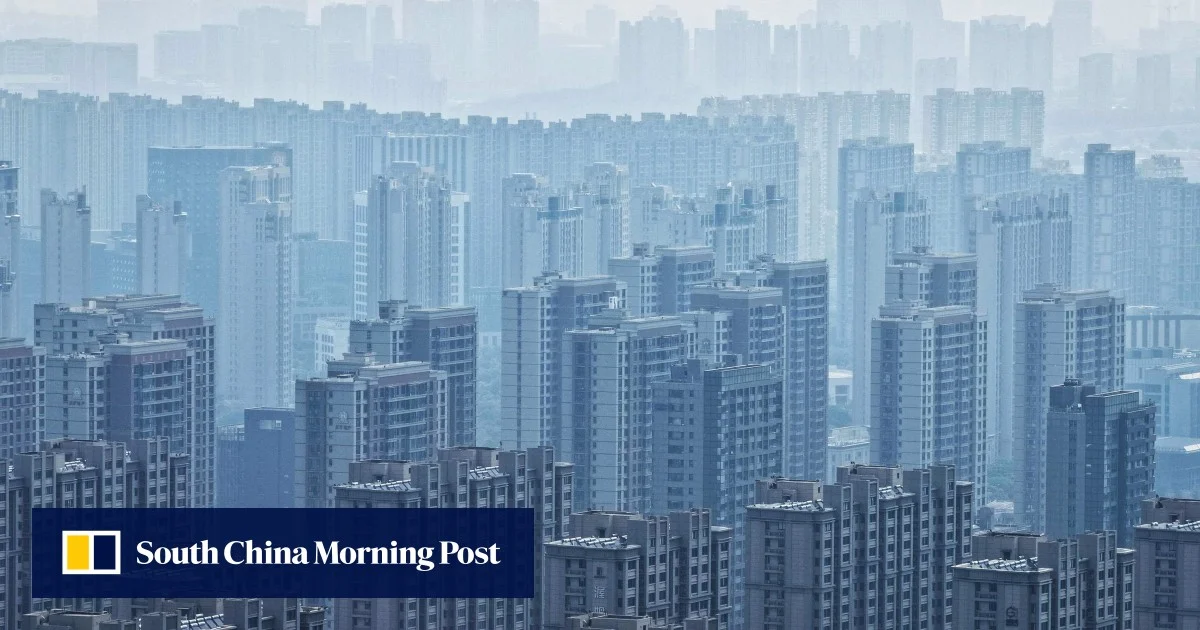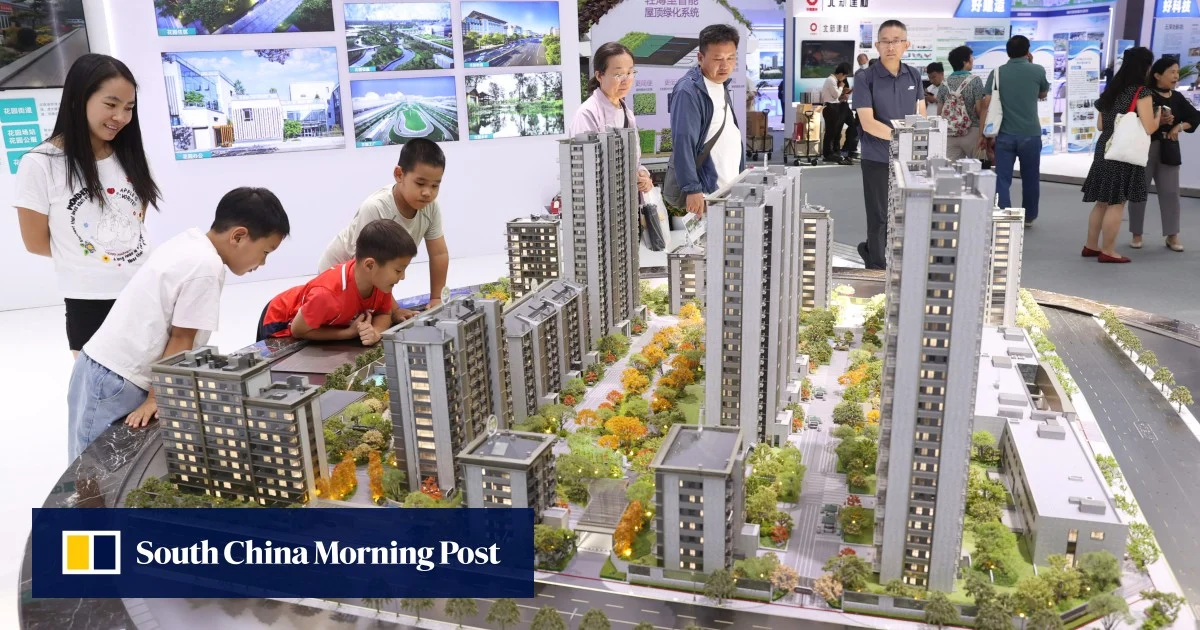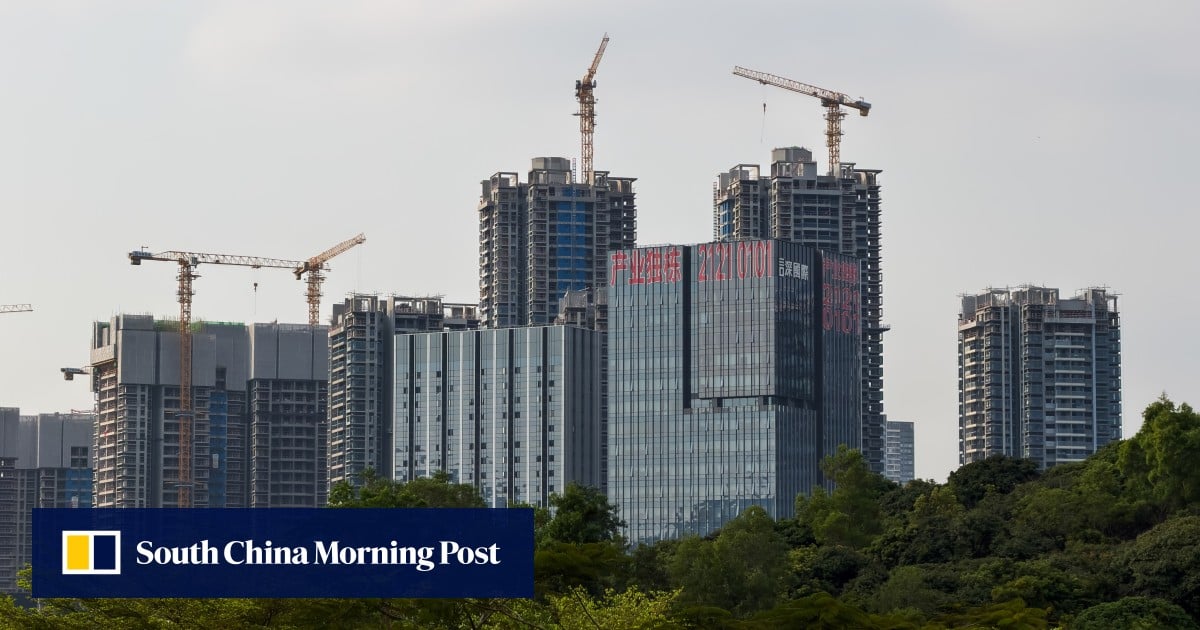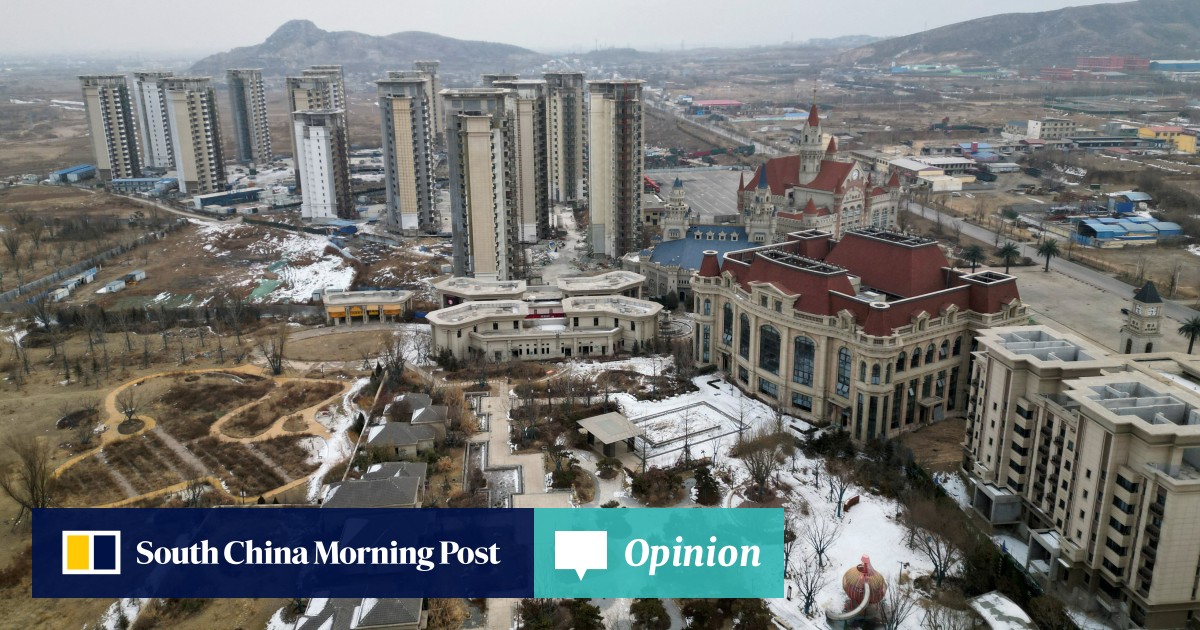
1. At the start of 2026, China has seen positive developments across its real estate, consumption, and investment sectors. Investors and policymakers have been awaiting a shift from sporadic policy changes to a coordinated approach, and recent data from January and February suggests that this coordinated policy strategy is now materializing. [para. 1]2. For years, the property sector was a major drag on China’s economy. However, recent data indicates the worst of the downturn may have passed, with both supply and demand showing signs of gradual recovery. Notably, in the three to four weeks before the Lunar New Year, the decline in transaction volume for secondary housing in key cities narrowed by over 5 percentage points, suggesting an improvement in market activity. [para. 2]3. Tier-1 cities stand out in this recovery, as year-over-year declines in second-hand housing transactions shrank by more than 25 percentage points, approaching a minimal decline of just -0.95%. On the supply side, the slide in government revenues from land sales narrowed to an 11.7% decrease in December 2025. Land transfer income also improved significantly, signaling tentative re-engagement by developers in the market. [para. 3]4. There has been a shift in the government’s regulatory approach away from strict controls towards risk management and stabilization. Regulators have stopped requiring all developers to submit monthly risk reports, providing breathing room for financially stable companies. For struggling developers, regulation is now more targeted, focusing mainly on asset-liability ratios and completion of guaranteed housing projects. [para. 4]5. Local governments are innovating to tackle unsold housing inventory. Shanghai, for example, has launched a pilot program to acquire second-hand housing for use as affordable rental properties, focusing on apartments under 70 square meters in Pudong, Xuhui, and Jing’an districts. This initiative combines long-term credit from China Construction Bank with fiscal capital, converting surplus housing into rentals for new citizens and young professionals to address both surplus property and affordability issues. [para. 5]6. A major change in governance has also emerged, as the Ministry of Finance and the People’s Bank of China (PBOC) have started coordinating efforts to boost consumption, investment in equipment, and the private sector. Previously, such collaborations among ministries were rare and diluted the impact of policy stimuli. [para. 6]7. Fiscal policy has ramped up, with net government bond financing in January increasing by over 280 billion yuan ($40 billion) compared to the previous year. The share of bond proceeds used for refinancing debts has fallen, with more funds directed toward the real economy. By February 8, a total of 1.29 trillion yuan in government and special bonds had been issued, and more than 660 billion yuan in funds were disclosed for local government debt resolution—signaling a commitment to fiscal transparency and action. [para. 7]8. The fiscal push is being reinforced by monetary measures. The PBOC has increased its re-lending quota for technological innovation and transformation by 400 billion yuan, now including private SMEs with strong R&D portfolios. The Ministry of Finance backs this with subsidies and guarantees, aiming to inject liquidity while reducing financing costs and combating deflationary pressures affecting private investment. [para. 8]9. The bureaucratic inertia that previously impeded economic action seems to be dissipating. Unlike 2024 and 2025, when local officials waited for clarity or major festivals to end, in 2026 economic deployment meetings in key regions took place immediately after January 1. [para. 9]10. Provincial growth targets reflect this new urgency. By late January, 20 provinces and municipalities had publicized their 2026 GDP targets, averaging 5.1%. In particular, the western province of Xinjiang set an ambitious 8% investment growth target, while export hubs along the coast are focusing on achievable, rather than inflated, growth statistics. [para. 10]11. Consumption policy is shifting, focusing more on services than goods. The extended Spring Festival of 2026 acted as a trial period for new government strategies. The State Council’s January directive on developing new service sectors is being rapidly executed, especially in areas catering to the elderly, tourism, and cultural consumption, moving beyond simple retail subsidies. [para. 11]12. Summing up, the combined effects of stabilizing real estate, coordinated fiscal and monetary support, and a newly proactive bureaucracy suggest that China’s economy is poised for recovery. While challenges remain, investors anticipating permanent stagnation may need to rethink their assessments as policy and market forces now appear better aligned. [para. 12]AI generated, for reference only
Commentary: Green Shoots Emerge in China’s Battered Property Market
Coordinated fiscal stimulus and a pragmatic approach to the real-estate crisis suggest the worst of the downturn may be over
722 words~3 min read