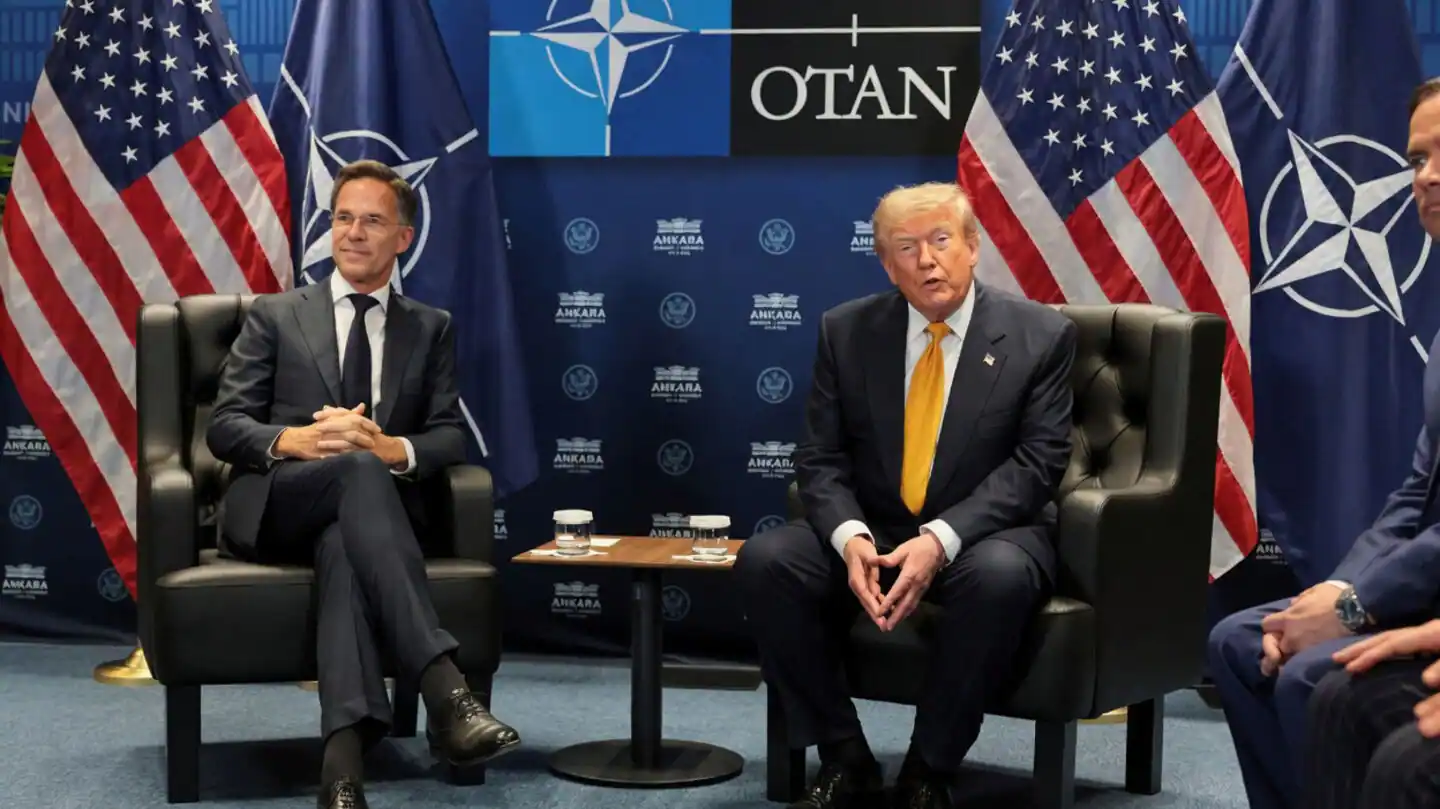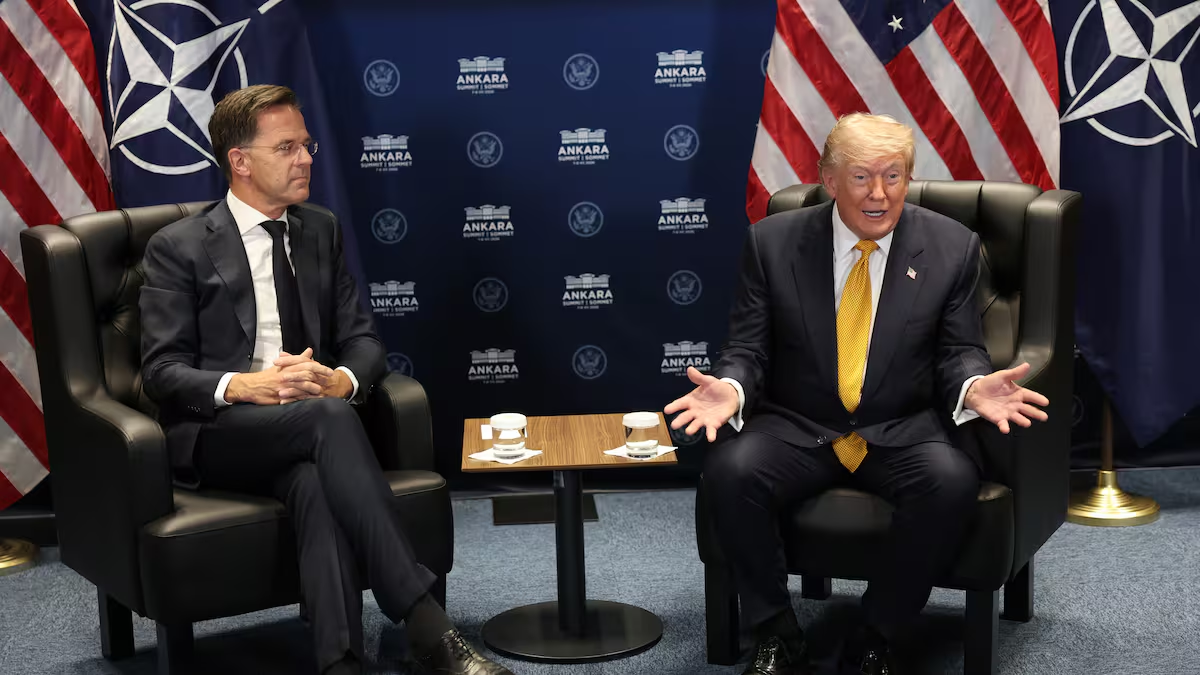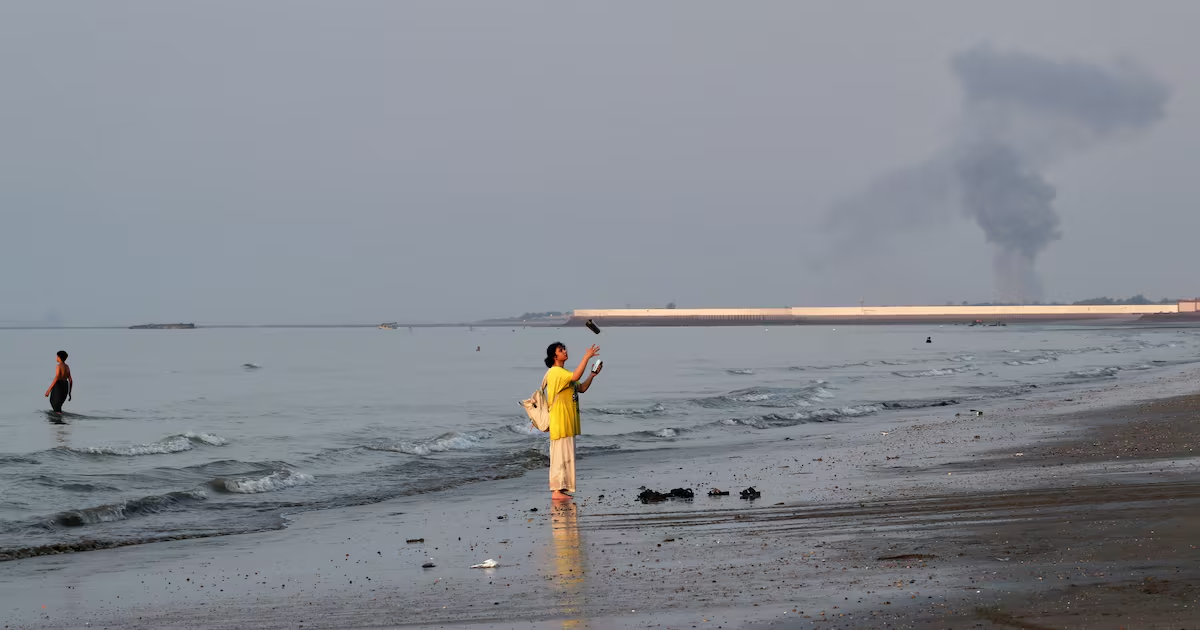
On July 8th, speaking at the Nato Summit in Ankara, Donald Trump referred to the Iranian leadership as “scum” and declared the agreement reached with Iran less than three weeks earlier, which brought an end to the war launched by the US and Israel on February 28th, was “over”. However, like so many of the pronouncements of the American president, this one cannot be taken completely at face value. The immediate prompt for Trump’s declaration was a number of Iranian attacks on commercial vessels in the Strait of Hormuz, which were met in turn by US air strikes on Iranian targets. Iran then attacked US military facilities in the Gulf. Tit-for-tat exchanges of hostilities have followed. Control of the Strait of Hormuz, through which, as everyone now knows, a significant proportion of global oil and other essential goods transits, has been central to the events of the past week. For decades, passage through the strait was largely unimpeded for maritime traffic. Indeed, the UN Convention on the Law of the Sea stipulates that no country has the right to claim international waters. While neither Iran nor the US have ratified the convention, legal experts argue it has become part of international customary law and therefore binds both. However, the conflict between the US and Iran has made clear to Iran’s leaders the leverage which its position on the north side of the strait provides. Its closure during the course of the conflict has had economic repercussions on a global scale, and securing its reopening was a major objective for the US in talks with Iran earlier this year. But the June memorandum of understanding (MOU) between the two sides is less than clear about the terms for its reopening. Iran claims a clause in the MOU gave it the right to manage shipping traffic for 60 days, so long as no fees were charged. The MOU is vague on what should happen after the 60-day period has elapsed and whether Iran can then charge fees for passage through the strait. Iran has demanded that ships use a route near its coast rather than one along Oman’s coastline on the southern side of the strait, through which the US military had been guiding traffic. Iran has been suspected of attacking ships that used the Oman route. In response, Trump has reimposed an American blockade of Iran’s ports and announced the US would levy a 20 per cent charge on cargo shipped through the strait to cover the costs “necessary” to provide security and safety, though he has since reversed that threat. This is despite the fact that only last month, Trump’s Secretary of State Marco Rubio stated tolls should not be applied in the Strait of Hormuz because “that’s existing international law”. In any case, military experts are unclear as to how the US might secure and maintain control of the passageway, regardless of its president’s rhetoric. There is considerable consensus that it would require significant deployment of US military and naval power in the form of warships, if not troops on the ground, on such a scale as to be unlikely and unsustainable. Donald Trump in the Oval Office of the White House on July 13th, 2026. Photograph: Doug Mills/The New York Times
Despite renewed strikes and Trump’s bluster, both sides want an end to Iran conflict
Points of contention and much ambiguity surround the memorandum of understanding that underpins the ceasefire, but there are some positive signs
1,098 words~5 min read