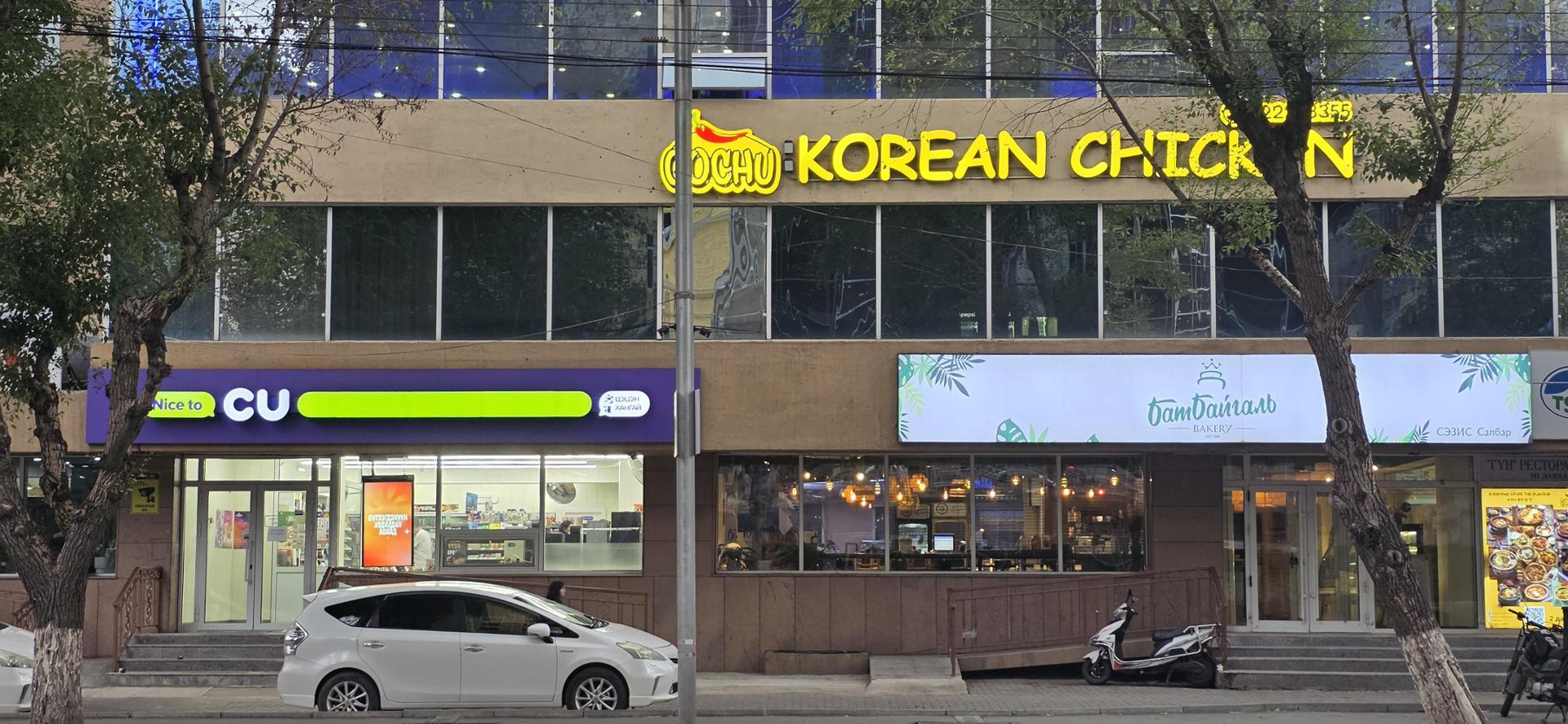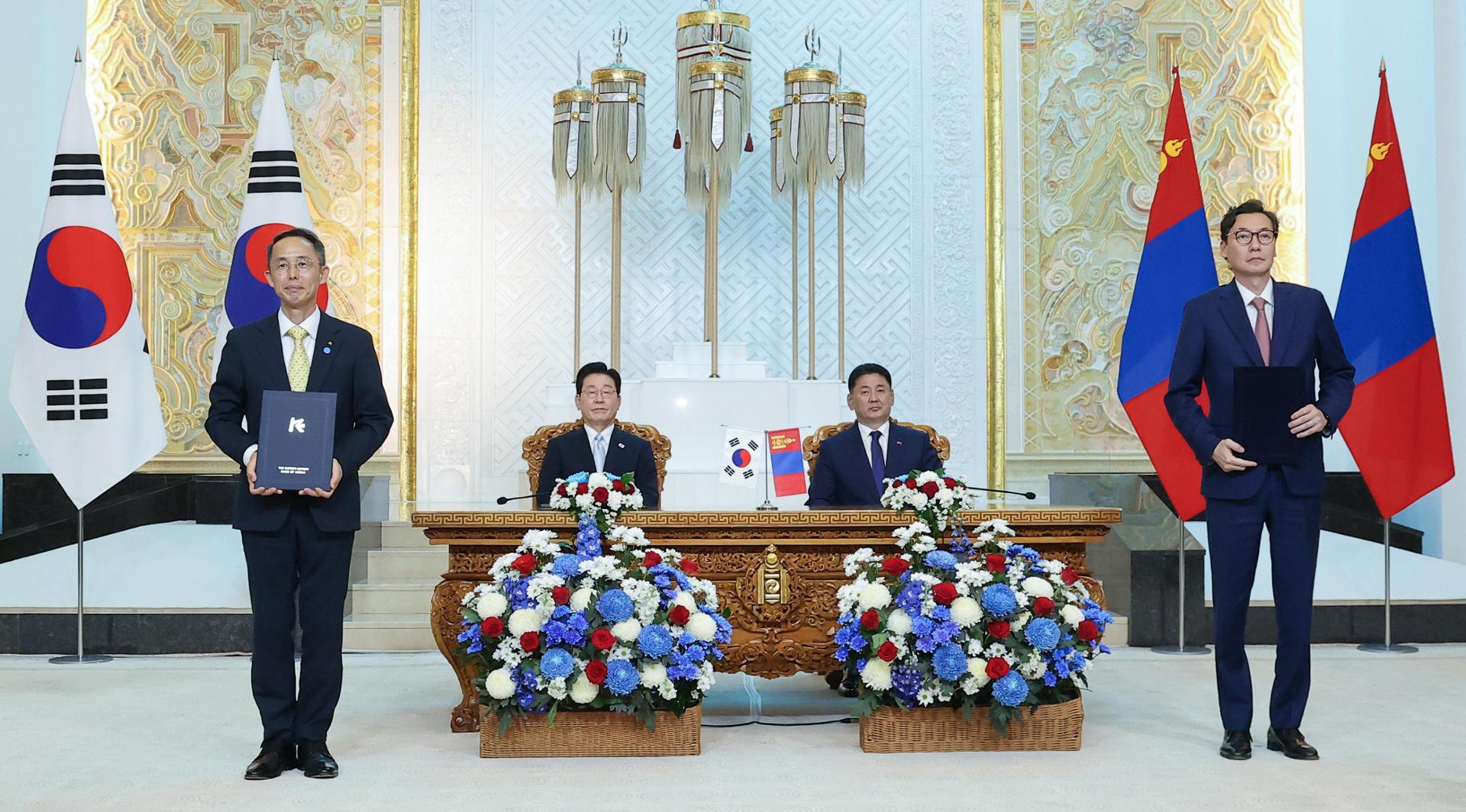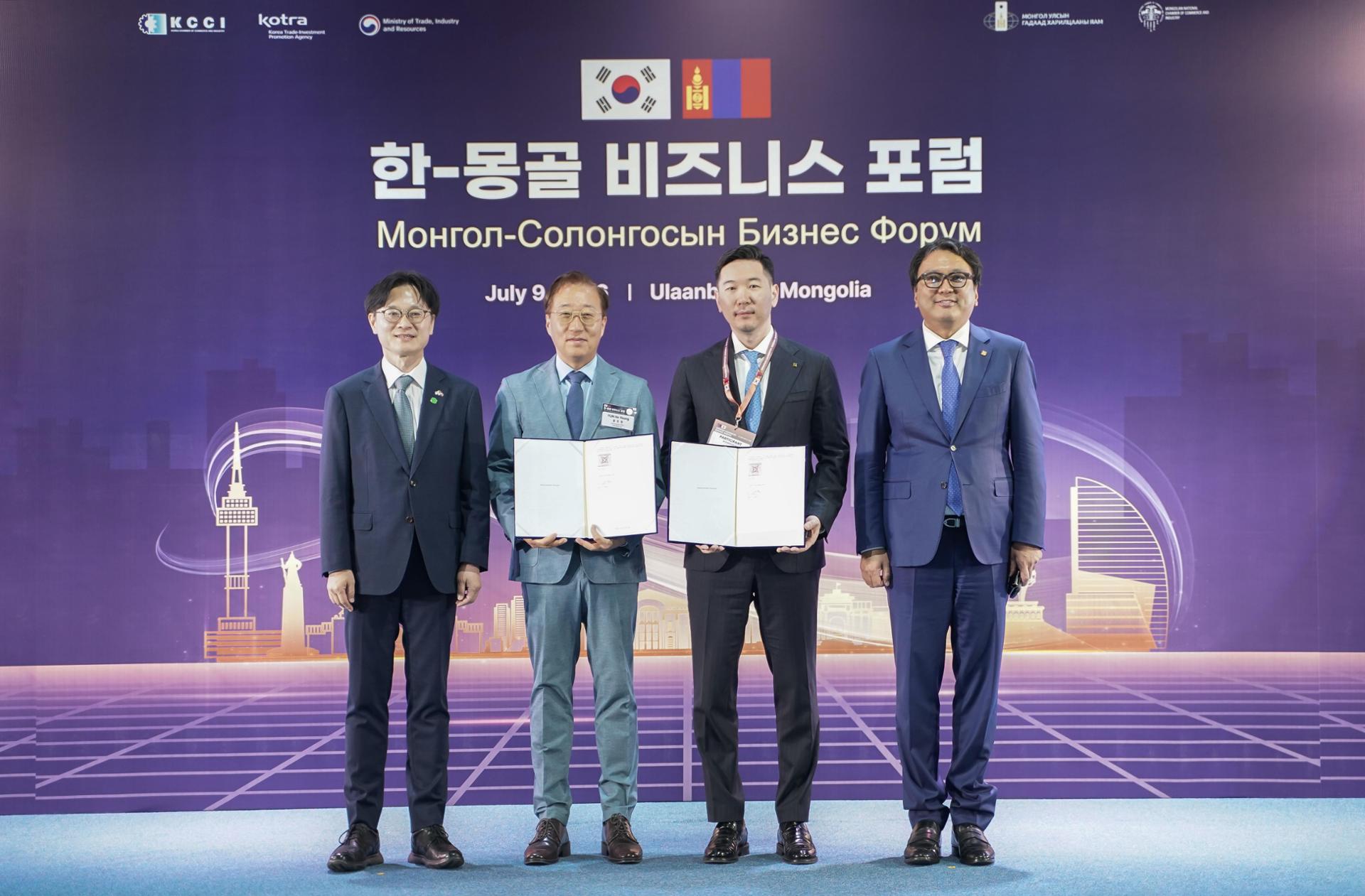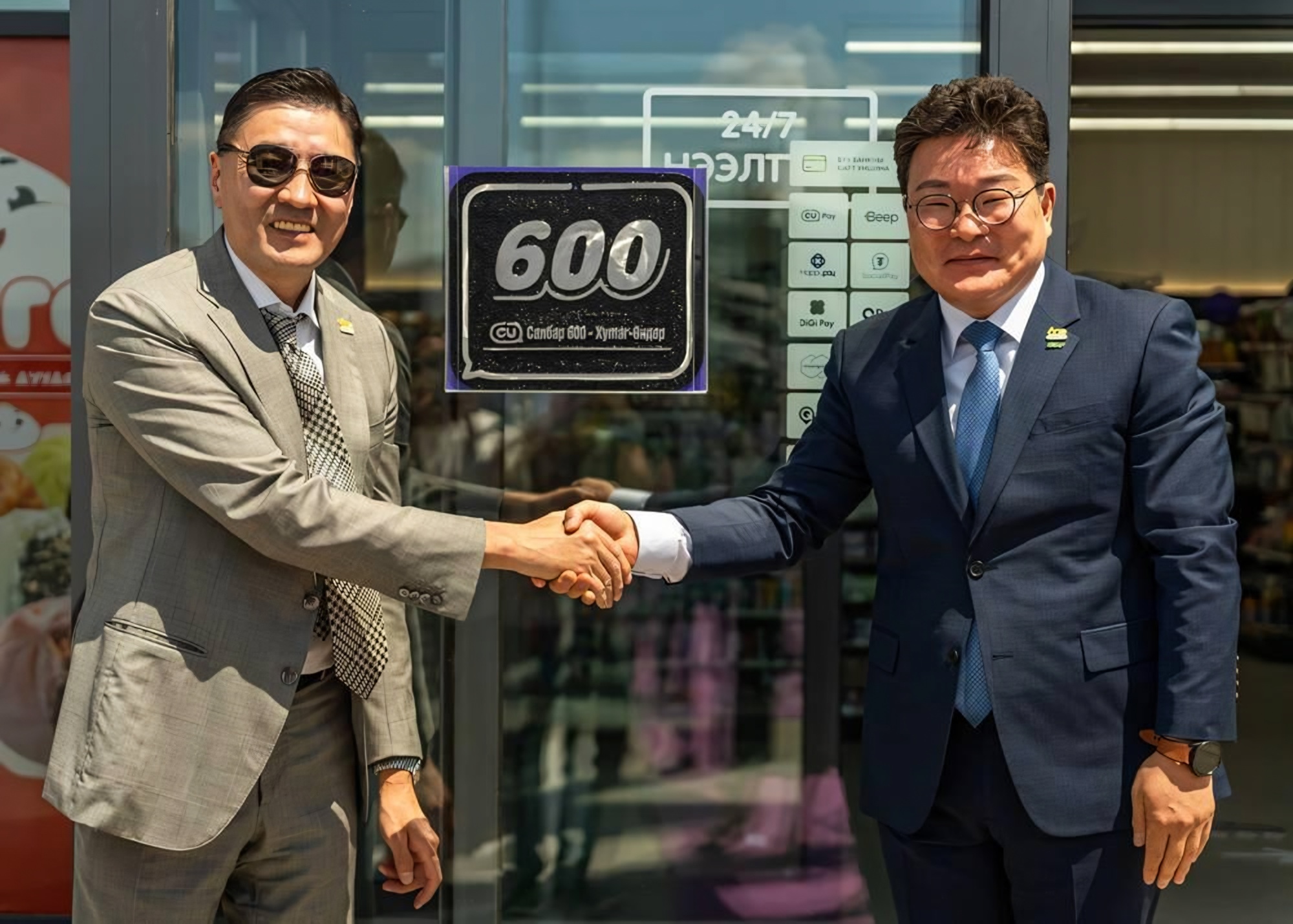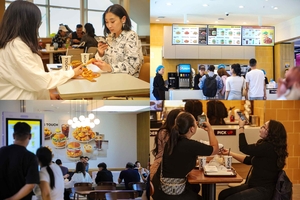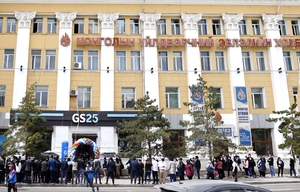
From convenience stores to beer and coffee, Korean brands feed young capital's love of K-culture A GS25 store in Ulaanbaatar (GS Retail) The capital of Mongolia, Ulaanbaatar, has earned the Korean nickname "Mongtan," a mashup of Mongolia and Dongtan, the large planned city south of Seoul.Home to roughly half the country's 3.5 million people, the capital has grown dense enough with Korean storefronts to pass for a Korean suburb, with Korean convenience chains facing off on street corners and bakeries and burger shops lining the sidewalks.President Lee Jae Myung even invoked the nickname at a recent Korea-Mongolia business forum, referring to Mongolia's retail boom as the leading edge of a broader wave of Korean consumer goods. Customers sit outside a CU store in Ulaanbaatar. (BGF Retail) Retail reach runs wideThe Ministry of Agriculture, Food and Rural Affairs points to Mongolia's growing interest in Korean food as a sign of real potential for expanded exports.Agriculture Minister Song Mi-ryung made that case in person during her visit to Mongolia last week, touring a convenience store sector that commands over 90 percent of the market."Mongolia is a market with real growth potential where Korean convenience stores have already taken root successfully," Song noted, adding that K-food can meet Mongolian consumers' appetite for convenience and healthy flavor.Citing K-food exports to Mongolia that have more than doubled over the past five years, the Agriculture Minister pledged the ministry would spare no support for expanding K-food exports.No brand looms larger than CU, which opened its 600th Mongolian store just last week. The chain became the first Korean retailer to hit that mark in any single overseas market, only eight years after its 2018 entry. GS25 has kept pace with roughly 300 stores of its own, while E-mart opened its largest overseas No Brand store in Ulaanbaatar last week.An official from CU said the chain's sprawling network represents more than retail ambition."Mongolia's shortage of social infrastructure, particularly rest stops, has let CU fill that gap even as tourist demand in the country keeps rising," the official explained. The chain's growth also tracks Ulaanbaatar's economic expansion, the official noted, adding that the 600th store is situated along a road leading into a smaller city. Agriculture Minister Song Mi-ryung (second from right) speaks with participants at a tasting event at a GS25 convenience store in Ulaanbaatar, Mongolia, July 9. (Food Ministry) Young appetite for K-food brandsIndustry officials chalk the demand up to demographics in Ulaanbaatar, where a median age of around 25.6 years old translates to a population quick to embrace Korean culture."Mongolia used to be seen as just a place to export to. Now companies are clearly working to lay down long-term foundations," an industry official noted, citing the market's receptiveness to Korean food culture and its value as a testing ground for localization.Beer offers the clearest illustration of that trend. Mongolia has become Korea's largest overseas market for beer, with exports reaching 31,033 metric tons in 2025, according to Korea Customs Service trade data. The brand leading that charge is Oriental Brewery's Cass, which entered the market in 1999, when Mongolia lacked much domestic brewing capacity, and has since outgrown local competitors to become a fixture of Mongolian taste. Mongolian and international workers drink Cass at a bar in Mongolia. (Getty Images) The latest entrant, Lotte Chilsung Beverage's Crush, entered the import beer market in 2024. HiteJinro, meanwhile, reported Mongolian beer exports up about 54 percent on-year in 2025 behind two flagship products, Terra and Kelly."We are segmenting consumers and running tailored marketing for each brand," a HiteJinro official explained, adding that Terra and its soju label Jinro have already reached most small shops across Ulaanbaatar.Other food chains have caught the same wave. CJ Foodville's Tous Les Jours became the first Korean brand to enter Ulaangom, six months after launching in Darkhan, while SPC's Paris Baguette runs a single Ulaanbaatar location with a second planned by year's end. Lotteria operates five stores known for beef and chicken burgers, while Mom's Touch, which entered in 2023, ran 18 locations as of last year.Mega MGC Coffee, Korea's largest budget-coffee franchise, opened its first Ulaanbaatar store in 2024 and now runs seven, with an eighth and ninth on the way. "The response here has exceeded expectations, and we are accelerating our store rollout well beyond the original plan," a company official noted. Customers line up to order at a Mega Coffee store in Ulaanbaatar. (Mega MGC Coffee)
'Mongtan': Mongolian capital wrapped in Korean food, retail brands
The capital of Mongolia, Ulaanbaatar, has earned the Korean nickname "Mongtan," a mashup of Mongolia and Dongtan, the large planned city south of Seoul. Home to
738 words~3 min read