SINGAPORE: Cyberattacks typically rely on human hackers breaking into company systems, stealing data or demanding ransom.But a new risk appears to be emerging as artificial intelligence (AI) agents become more capable - the same systems designed to help people and businesses automate tasks could also be used to carry out attacks.On Jul 1, researchers from cloud security firm Sysdig reported what they said was the first documented case of an AI agent carrying out a ransomware-style cyberattack without human oversight.The case illustrates how AI agents could be exploited as an offensive tool by bad actors.But cybersecurity experts say a key challenge also comes from within: As businesses rapidly adopt AI agents, they are giving these tools access to sensitive data and systems that could be manipulated or misused.Yet avoiding them altogether is not a realistic option as companies risk falling behind in an increasingly AI-driven economy, they add.The challenge, experts say, is finding ways to harness their capabilities while putting in place necessary safeguards needed to secure them.THE RISE AND RISKS OF AI AGENTSSo what exactly are AI agents?Think of them as digital workers, able to carry out assigned tasks autonomously.They can plan tasks and act on them by reading emails, writing code, clicking links, accessing databases, updating documents, and communicating with other software tools and applications.
Asia is racing to adopt AI agents. The rewards are clear - but so are the security risks
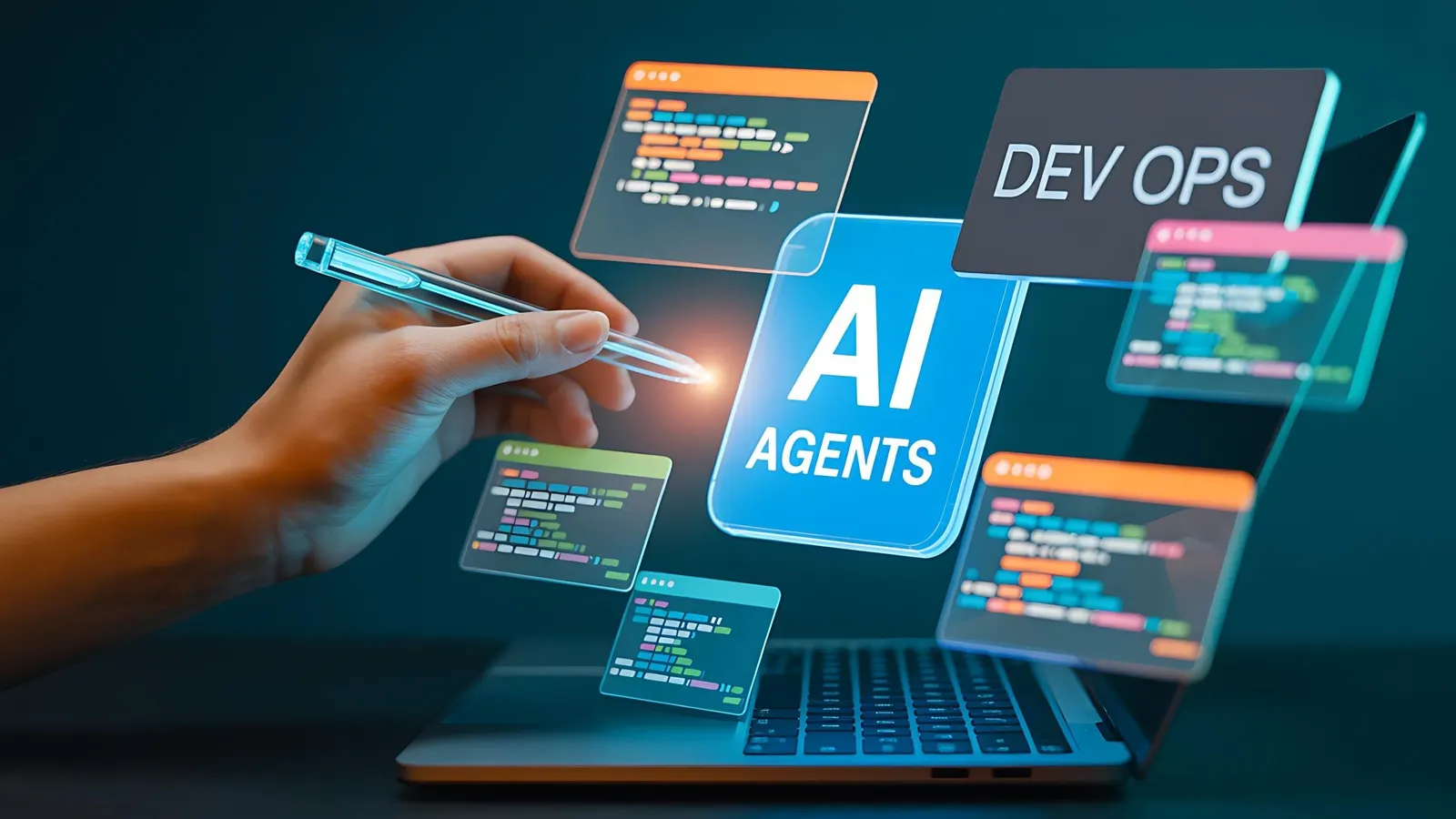
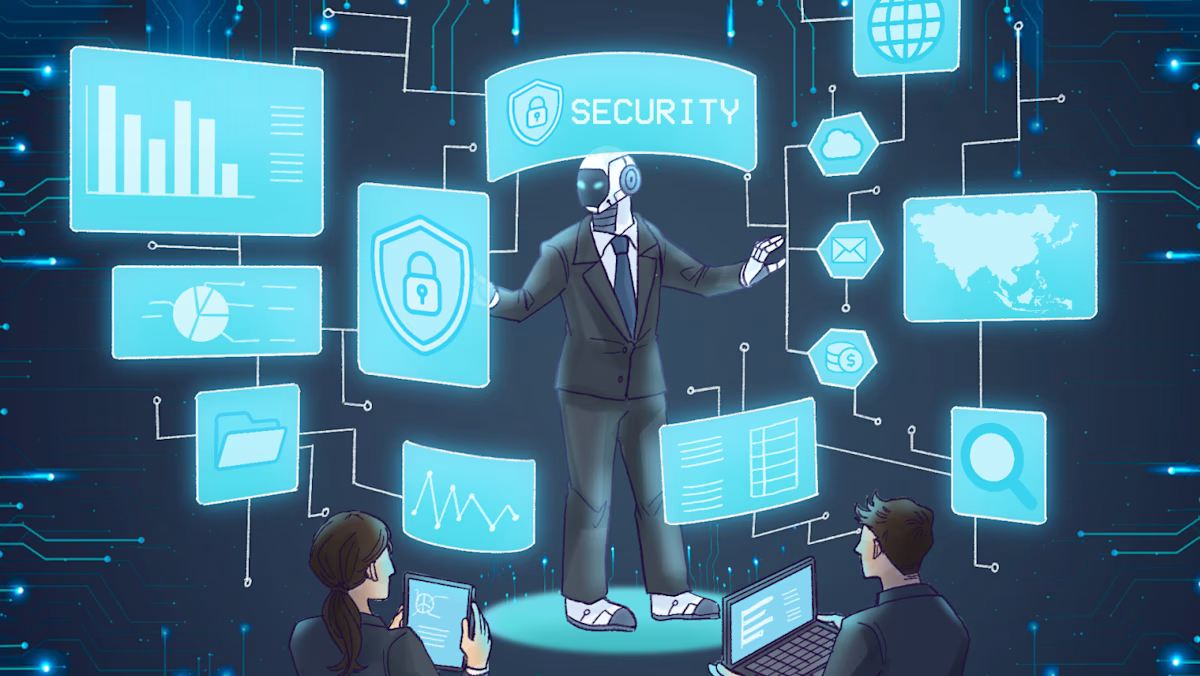
AI agents can be tasked to draft emails, write code and update documents, among other things. But the same autonomy that makes them valuable also creates vulnerabilities, warn cybersecurity experts.
1,889 words~9 min read