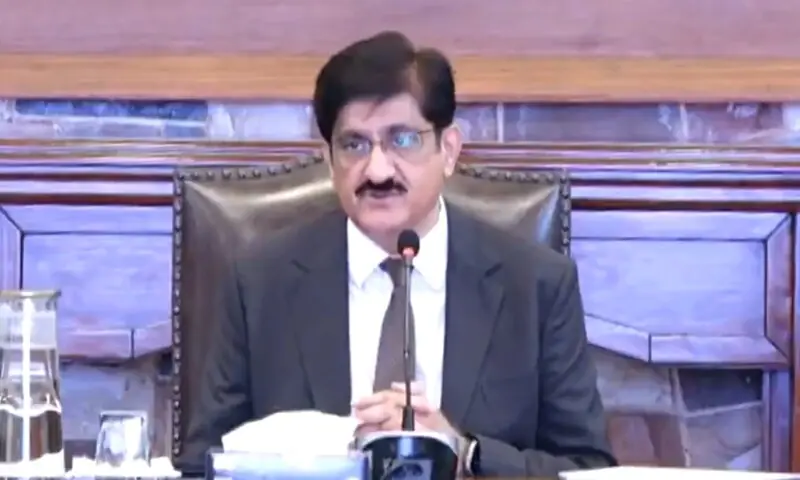
WHILE presenting the current Sindh budget — the province’s 16th since the seventh NFC Award went into effect — Chief Minister Murad Ali Shah attributed the sharp reduction in development spending to the grant of Rs260 billion for the federation that Sindh agreed to at the National Economic Council meeting of June 10, 2026. The figures, however, suggest a very different story.
Sindh’s revenues come from federal transfers, provincial indirect taxes largely collected from urban areas, mainly Karachi, and agricultural income tax. In 2026-27, federal transfers are budgeted at Rs2,263bn, up by Rs337bn, while provincial indirect taxes are expected to rise by another Rs65bn. Together, these two sources will provide over Rs402bn in additional resources. In contrast, agricultural income tax remains negligible at only Rs6bn, less than 0.2 per cent of the budget resources.
As the overall increase on the revenue side amounts to Rs402bn, it should have comfortably accommodated the grant of Rs260bn to the federal government, without any excessive cuts in development.
However, all additional resources of Rs402bn have been diverted towards non-productive current expenditures, which have been increased by 20pc over the last budget (an increase of Rs418bn — climbing from Rs2,142bn to Rs2,560bn). In contrast, the entire amount of Rs260bn grant to the federal government has been effectively charged to the development budget, reducing it by 29pc (Rs298bn) from Rs1,018bn to Rs720bn. The sharpest cut is a 73pc reduction from district Annual Development Plan (ADP), reducing it from Rs55bn to just Rs15bn.