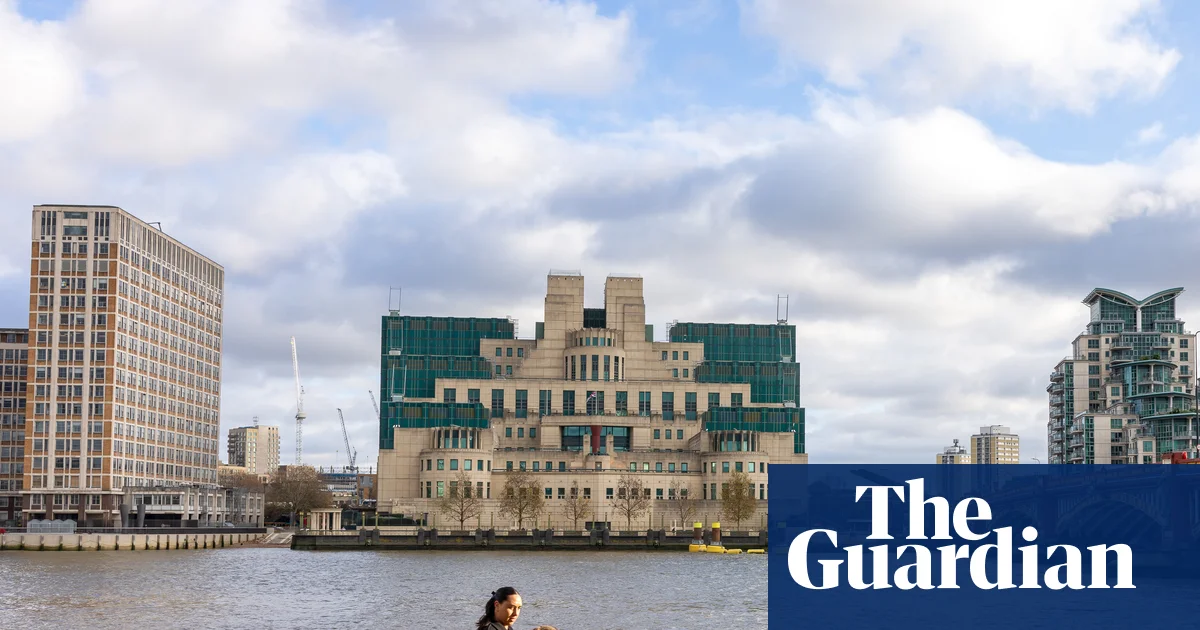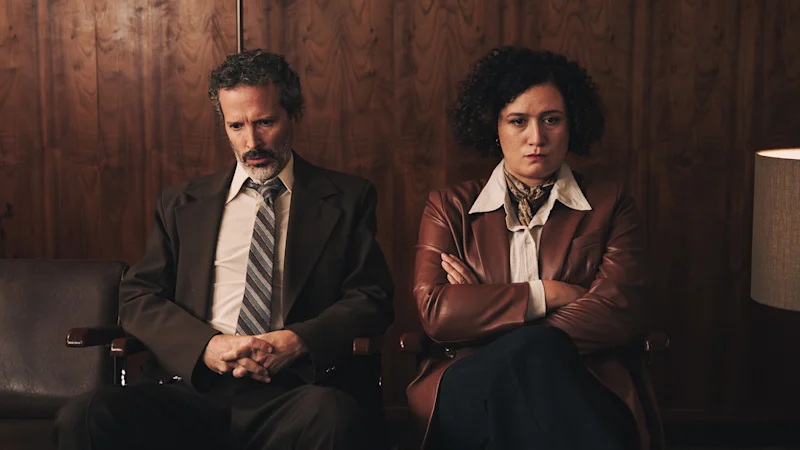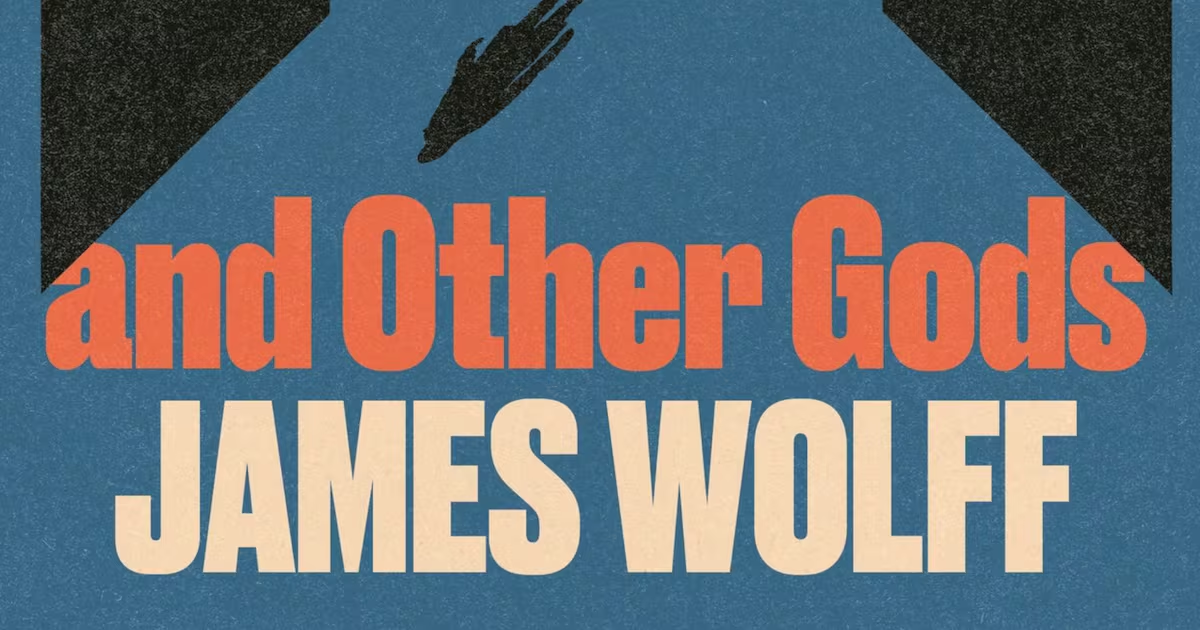
If you are looking for a book about supersexy, gadget-savvy secret agents who live the high life on luxury yachts, stay in five-star hotels, gamble in glamorous casinos and have champagne for breakfast, lunch, afternoon tea and dinner, this is not the spy novel for you.Much, much more bland than Bond, the characters in James Wolff’s Spies and Other Gods include a British parliamentary researcher, a dentist and a few very ordinary intelligence operatives.The most colourful character is the elderly head of the UK secret service, Sir William Rentoul, who is battling dementia, which causes him to make some rather rash and offbeat decisions.Then there are some Iranians — because these days the enemies of the British state come from many corners of the world, not just from the Kremlin or their former vassals in East Berlin.It is quite striking how so many spy books and TV shows feature Iranians these days, and this trend will undoubtedly be helped along by US President Donald Trump’s unimpressive efforts to bring the ayatollahs to their knees. If you bomb a hornets’ nest, the hornets tend to become more active, more aggressive, more of a worry. Who knew?It is certainly the case that Iranian operatives have been active for many years in Europe, though the Russians have not vanished from the stage, and the Chinese appear to be putting a lot of time and resources into their own espionage operations.Spies and Other Gods may be one of a dwindling number of thrillers in which technology is present but not dominant. Cyberattacks are becoming increasingly frequent and effective, and fiction is bound to embrace this trend, with espionage and counter-terrorism becoming ever more technological.The narrative of Spies and Other Gods kicks off inside the headquarters of British intelligence, when Aphra McQueen, a researcher from the House of Commons committee that oversees the spooks, arrives to investigate a complaint about an intelligence operation. The whistleblowing complaint has come from within the intelligence service itself.The operation in question involves Europe-wide efforts to track down and neutralise an Iranian assassin who has been active in Europe and British intelligence has devised a strategy to track him down. They think they may be close to identifying him, suspecting he could be an Iranian academic who travels frequently.In the post-Brexit world, the Brits don’t trust their European allies, so they haven’t informed them about their operation or an agent they have recruited to get close to their suspect. The agent is operating in Paris and may be able to lead them to their target.It all gets very messy and enjoyably entertaining when the action moves across the Channel.There is a protocol through which the head of British intelligence should notify his French counterpart if he visits France, to ensure he receives adequate protection, but Sir William fails to do this when he boards a train and speeds through the Channel Tunnel to France.He alarms his own people by going into the field, which is highly inappropriate and risky for the boss of such an important security organisation, given the many secrets he holds.Though the French are alerted about the arrival on their turf of the most senior British spook, they just can’t conceive that he could be involved in an active intelligence operation on their soil and, therefore, assume that he has travelled to the city of love for some off-the-radar gay sex.After all, they reason that this type of behaviour has been the preference of quite a few British spies in the past. If not most of them.Far from being concerned, the French are rather flattered by the choice of their capital city for this action.In reality, the spy chief is a widower, and the young men with whom he travels to Paris are there to spy, not to frolic.It may boast world-class spies, but there is a lot of dreary suspicion-driven bureaucracy inside British intelligence HQ, and we see a fair amount of this in the scenes that take place in the building. (I suspect there is more than a pinch of sarcasm in the book’s title of Spies and Other Gods.)One thing they are strong on at spy HQ is curating a fine choice of teas, but South Africans may not appreciate the negative impressions of our own rooibos, which one character refers to as “that dusty mouthful of South African tobacco water”.We later read that drinking rooibos is “like drinking a mug of Benson & Hedges”.Putting his aversion to rooibos aside, Wolff, a former British intelligence officer, has achieved the sort of seedy ordinariness that we can also savour in the excellent Slow Horses novels by Mick Herron.He has discarded the glamour and action-packed excitement of the Hollywood blockbusters, moving closer to the atmosphere of the drab and dreary spy world of John Le Carré’s The Circus, the fictional nerve centre of British intelligence. This name refers to spy HQ’s proximity to London’s Cambridge Circus.Don’t be fooled, though. While most of the characters might seem ordinary and unexciting, almost none of the players in Spies and Other Gods is who they seem to be.This hugely enjoyable, fast-paced and absorbing spy novel has plenty of twists and turns as well as an unexpected but appropriate ending.I loved it.Business Day
Spy thriller uncovers the secretive world of British espionage
Spies and Other Gods features drab characters in the exiting world of spooks
873 words~4 min read