The needle drop as we know it was born in 1969, with the instantly iconic use of “Born to Be Wild” in “Easy Rider.” There were precedents, of course. The first use of a rock ‘n’ roll song in a movie was “Rock Around the Clock” played over the opening credits of “The Blackboard Jungle” (1955), and by any measure the godfather of the needle drop was Kenneth Anger, whose 28-minute-long 1963 bikers-and-drugs-and-Jesus-and-leather-queers-gone-pop “Scorpio Rising” — in my estimation, one of the 10 greatest films ever made — invented the ecstatic juxtapositions that inspired the premier cinematic poet of the needle drop, Martin Scorsese. Which filmmakers have given us the greatest needle drops? The answer is Scorsese (the aesthetic son of Kenneth Anger), Tarantino (the son of Scorsese), Paul Thomas Anderson (the son of Tarantino), and, from a very different track, the Michael Mann of “Manhunter” (a movie I’ll write about next week, when it’s released for its 40th anniversary).
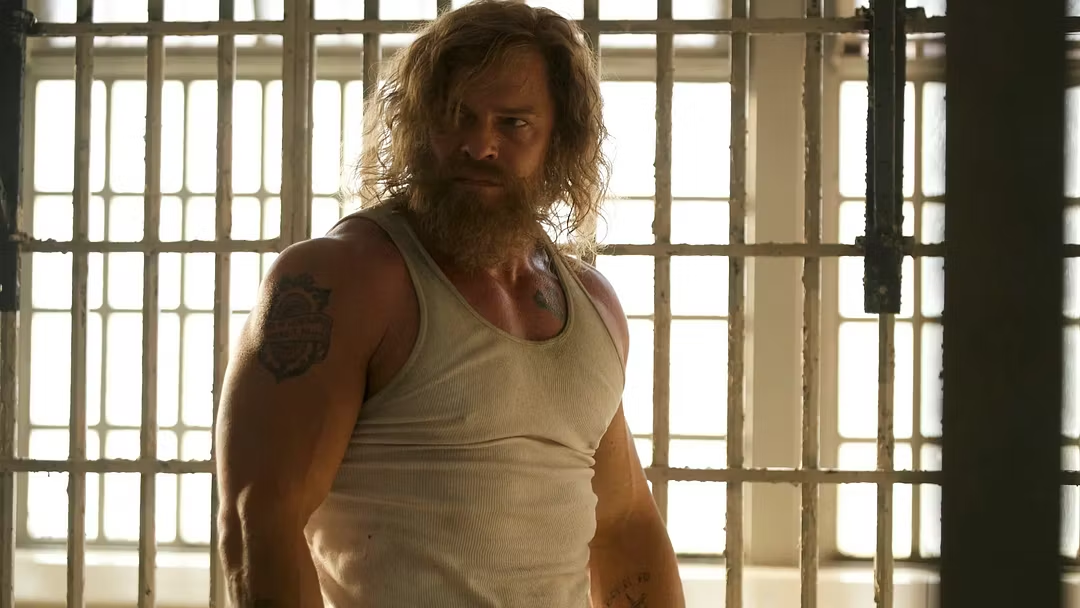
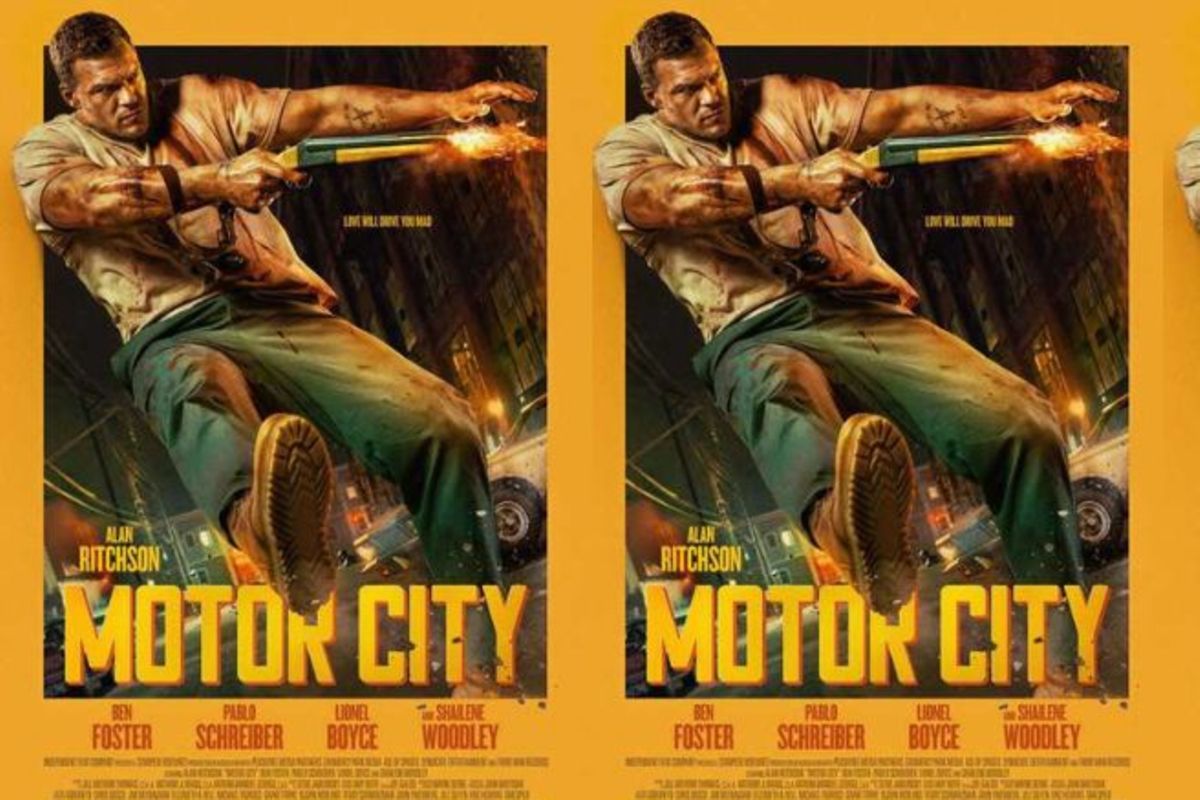
I zip through this history because there’s a needle drop in “Motor City,” the startlingly high-wire new crime thriller (it’s got love, violence, suspense — but no dialogue), that earns comparison to the work of all those other directors. And so I want to be clear that we aren’t simply talking about an ordinary needle drop but, rather, the visionary hypnotic kind.