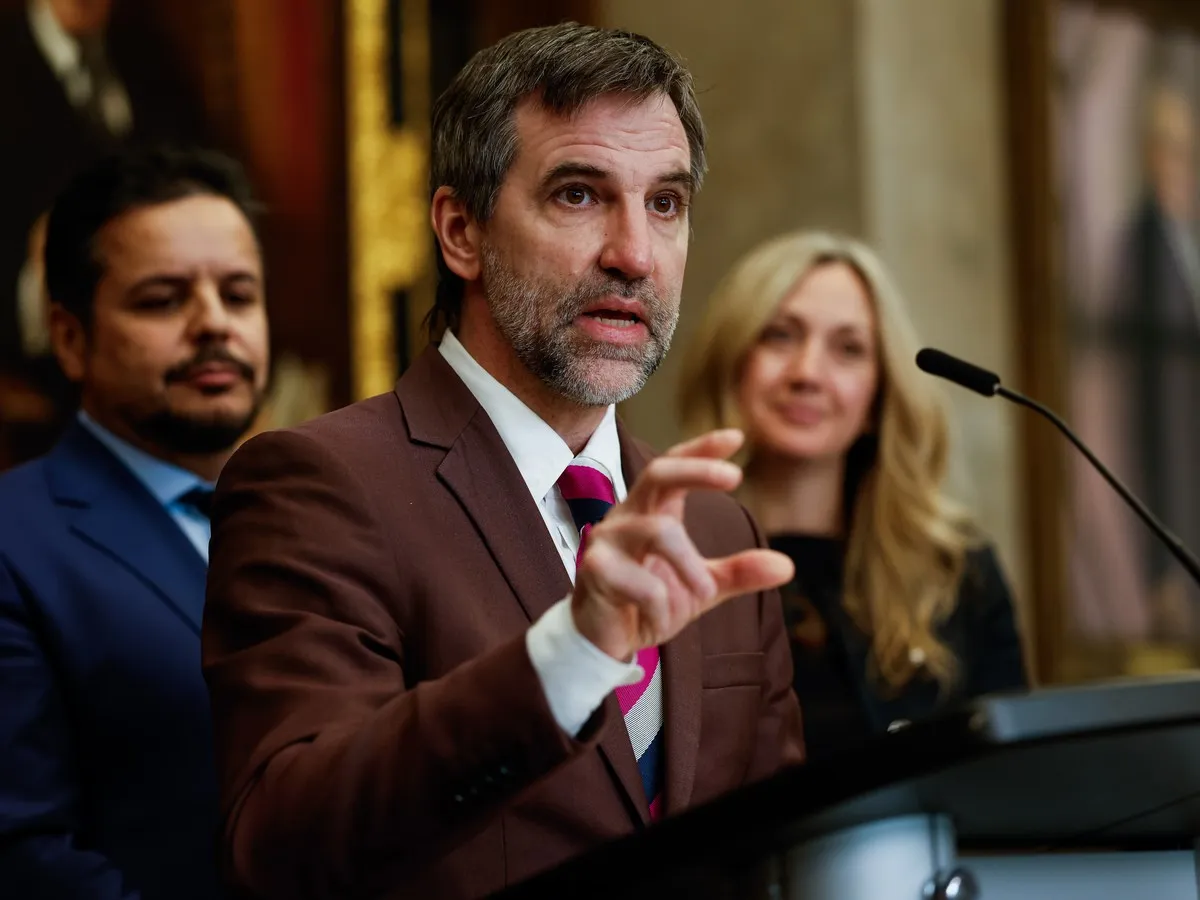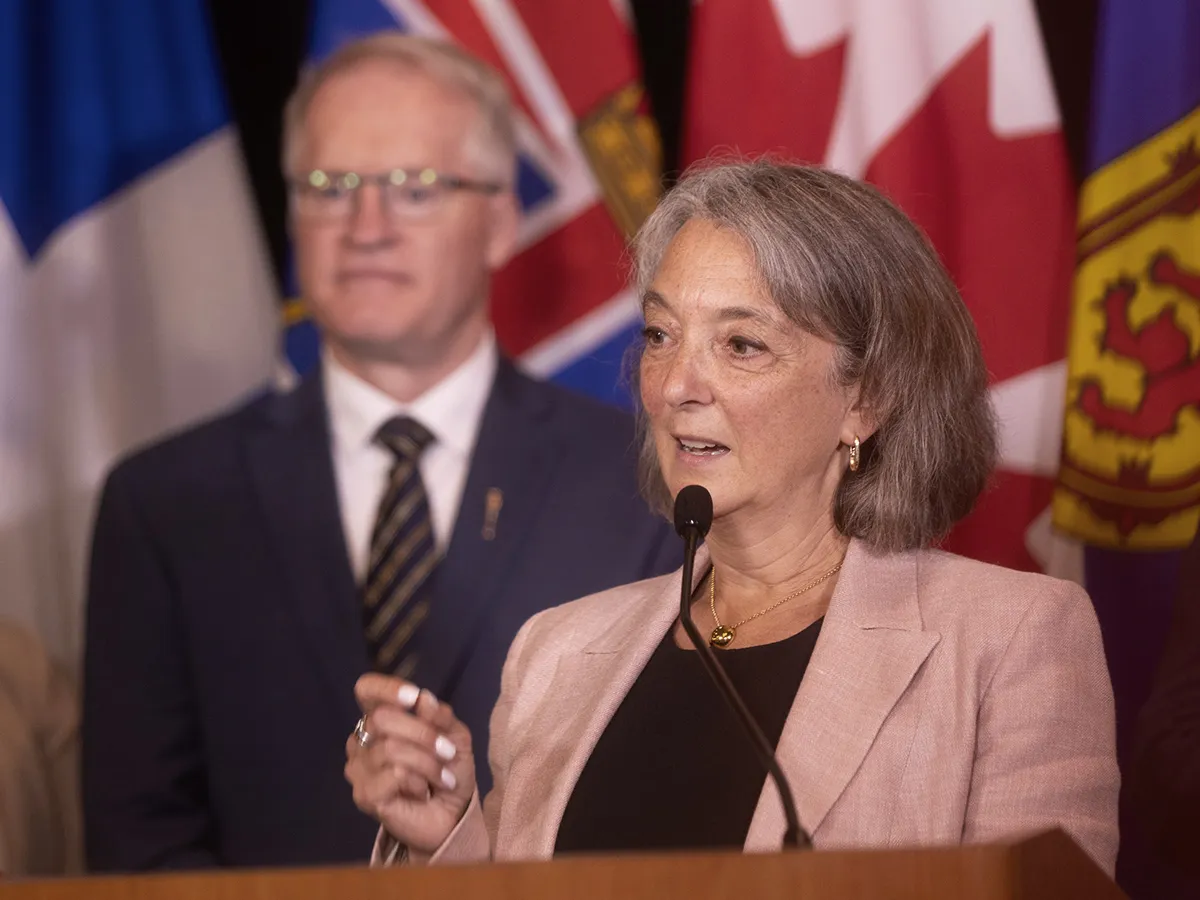
Skip to Content Subscribe Our Offers My Account Manage My Subscriptions FAQ Newsletters Canada Canadian True Crime Canadian Politics Health World Israel & Middle East Financial Post NP Comment Longreads Puzzmo Diversions Comics NP News Quiz New York Times Crossword Horoscopes Life Eating & Drinking Style Sponsored Play for Ontario Travel Travel Canada Travel USA Travel International Cruises Travel Essentials Culture Books Celebrity Movies Music Theatre Television Business Essentials Advice Lives Told Tails Told Shopping Buy Canadian Home Living Outdoor Living Kitchen & Dining Tech Style & Beauty Personal Care Entertainment & Hobbies Gift Guide Travel Guide Amazon Prime Day Deals Savings National Post Store More Sports Hockey Baseball Basketball Football Soccer Golf Tennis Driving Vehicle Research Reviews News Gear Guide Obituaries Place an Obituary Place an In Memoriam Classifieds Place an Ad Celebrations Working Business Ads Archives Healthing Epaper Manage Print Subscription Profile Settings My Subscriptions Saved Articles My Offers Newsletters Customer Service FAQ Newsletters Canada World Financial Post NP Comment Longreads Puzzmo Diversions Life Shopping Epaper Manage Print Subscription HomeNewsCanadaCanadian PoliticsFederal, provincial environment ministers conclude meeting by stressing economic growthCanada's environment ministers met in Calgary on Wednesday, against the unavoidable backdrop of wildfires raging halfway across the country You can save this article by registering for free here. Or sign-in if you have an account.Federal Minister of Environment and Climate Change Julie Dabrusin speaks at the Canadian Council of Ministers of the Environment conference in Calgary on Wednesday, July 15, 2026. Photo by Brent Calver/PostmediaEnvironment ministers from across the provinces and the federal government wrapped up a meeting in Calgary on Wednesday with a message that conservation policies need to be balanced against the need for economic development.Enjoy the latest local, national and international news.Exclusive articles by Conrad Black, Barbara Kay and others. Plus, special edition NP Platformed and First Reading newsletters and virtual events.Unlimited online access to National Post.National Post ePaper, an electronic replica of the print edition to view on any device, share and comment on.Daily puzzles including the New York Times Crossword.Support local journalism.Enjoy the latest local, national and international news.Exclusive articles by Conrad Black, Barbara Kay and others. Plus, special edition NP Platformed and First Reading newsletters and virtual events.Unlimited online access to National Post.National Post ePaper, an electronic replica of the print edition to view on any device, share and comment on.Daily puzzles including the New York Times Crossword.Support local journalism.Create an account or sign in to continue with your reading experience.Access articles from across Canada with one account.Share your thoughts and join the conversation in the comments.Enjoy additional articles per month.Get email updates from your favourite authors.Create an account or sign in to continue with your reading experience.Access articles from across Canada with one accountShare your thoughts and join the conversation in the commentsEnjoy additional articles per monthGet email updates from your favourite authorsSign In or Create an AccountorThe spirit of willingness to accept trade-offs between industry and the environment seemed to differ from Canadian Council of Ministers of the Environment meetings under longtime environment minister Steven Guilbeault.Alberta Environment Minister Grant Hunter said at a press conference at the end of the meeting that his focus was on amplifying a “significant shift in the national conversation” that’s moving governments toward more pragmatic environmental policies that boost, rather than hinder economic activities.“Not long ago, the economic consequences of environmental policies were too often treated as a separate consideration, or even as something that should not be part of the discussion,” said Hunter“Today, there is a growing recognition that the decisions we make as environment ministers have major implications for investment, jobs, affordability, competitiveness and Canada’s ability to get major projects built,” he added.Hunter said that the very location of the annual meeting exemplified this change in thinking, happening as it was in the city headquarters of the oil and gas industry. The fossil fuels sector was previously seen as targeted by the former prime minister, Justin Trudeau, and Guilbeault.“Meeting (in Calgary) sends a clear message: Canada is ready to build again,” said Hunter.Hunter was flanked by federal Environment Minister Julie Dabrusin and other provincial and territorial ministers.Dabrusin said she agreed that growing the economy and protecting the environment should go hand in hand.“We need an approach … that changes the structure of (the) economy, so that emissions reductions become a feature of economic growth, not a constraint on it,” said Dabrusin.The two ministers touted co-operation on the environment file, including agreements on the industrial carbon tax and carbon capture in the Canada-Alberta memorandum of understanding, specifically the Pathways Project backed by major oilsands producers that is intended to store emissions underground.Hunter defended the largely publicly funded multibillion-dollar project as an important component of greater oilsands development.“What the world is demanding is for us to double production and to be able to do that in a responsible way,” he said.Dabrusin reiterated the federal government’s goal of getting to net zero carbon emissions by 2050.The environment ministers also put out a communiqué detailing areas of discussion during the Calgary summit.“Ministers discussed practical ways to ensure strong environmental standards and processes that protect human health and Canada’s air, land, and water while supporting economic growth, attracting investment, and creating jobs by making environmental permitting more efficient, and reducing regulatory burden,” read the document.“(They) also discussed best practices in extended producer responsibility and the circular economy.” The circular economy refers to reducing waste through minimization and reuse.Under Guilbeault, who disagreed often with provincial governments, the annual council tended to focus on a few specific non-contentious areas while avoiding agreements on climate approaches.Ministers also met with Indigenous business representatives in a separate meeting a day before the meeting.Dawn Farrell, the head of the federal Major Projects Office, also met with the environment ministers in Calgary.National Post rmohamed@postmedia.comOur website is the place for the latest breaking news, exclusive scoops, longreads and provocative commentary. Please bookmark nationalpost.com and sign up for our daily newsletter, Posted, here. Join the Conversation This website uses cookies to personalize your content (including ads), and allows us to analyze our traffic. Read more about cookies here. By continuing to use our site, you agree to our Terms of Use and Privacy Policy.
Federal, provincial environment ministers conclude meeting by stressing economic growth
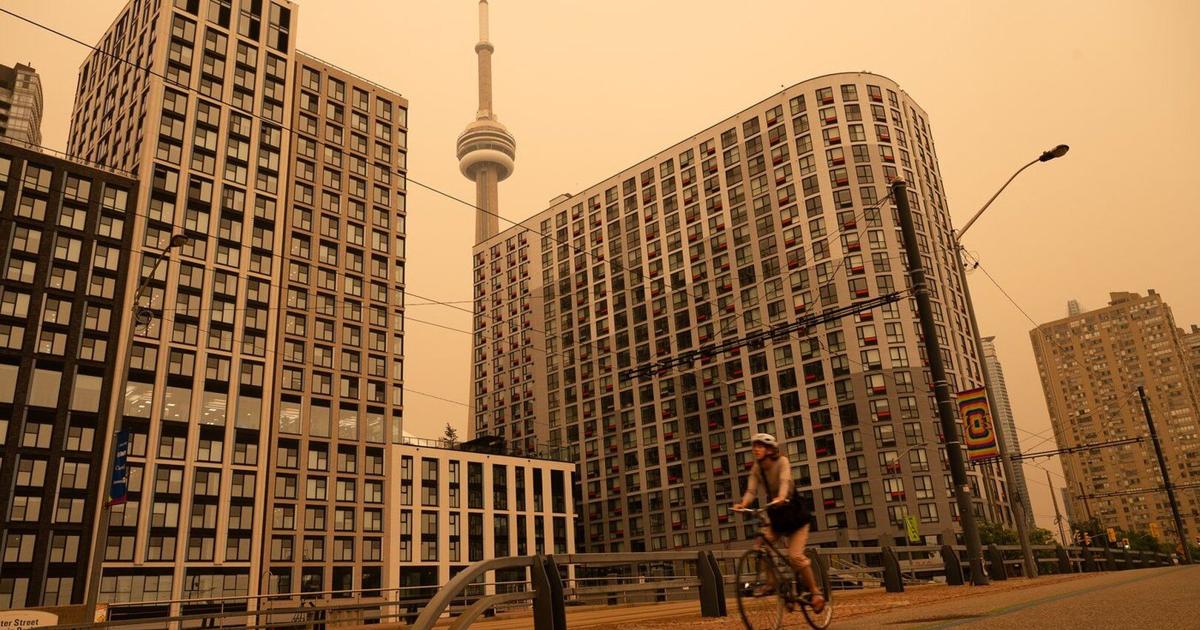
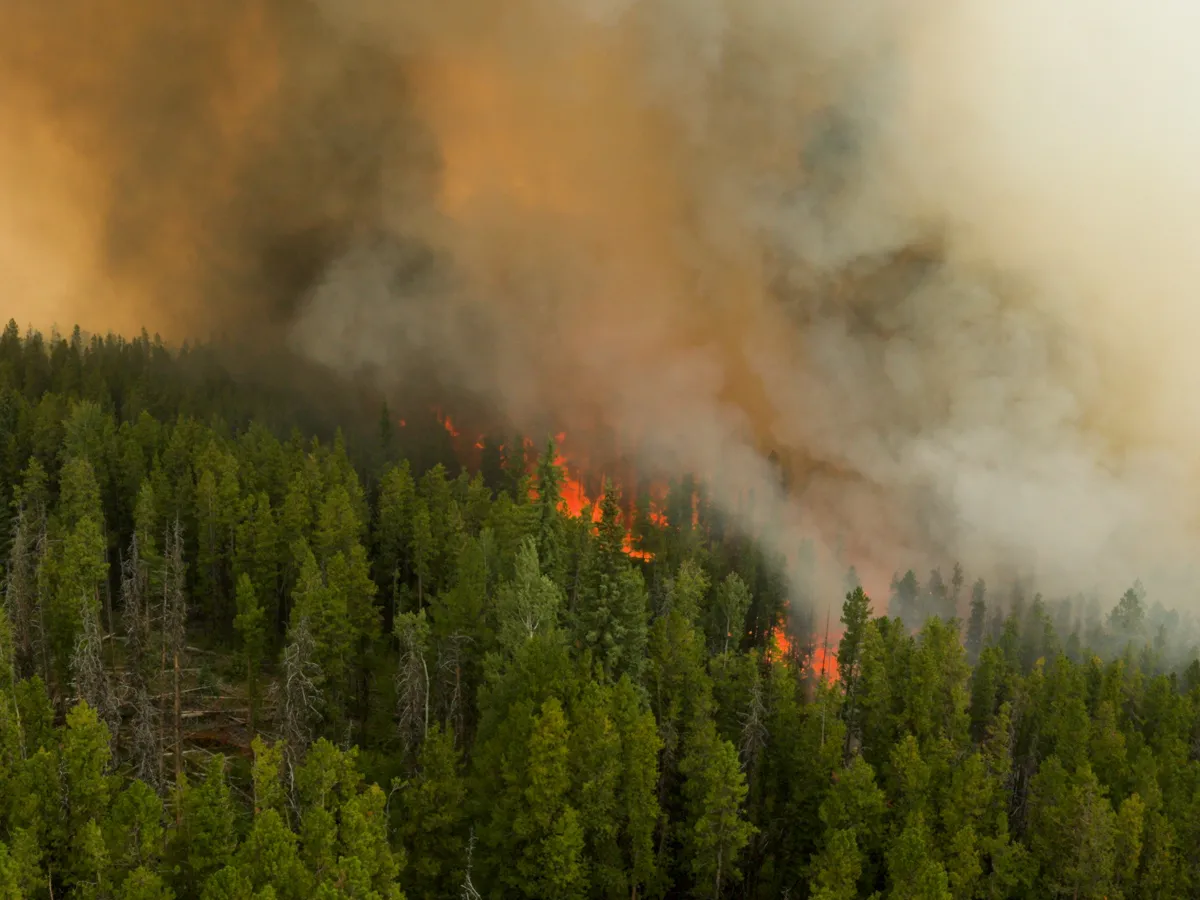
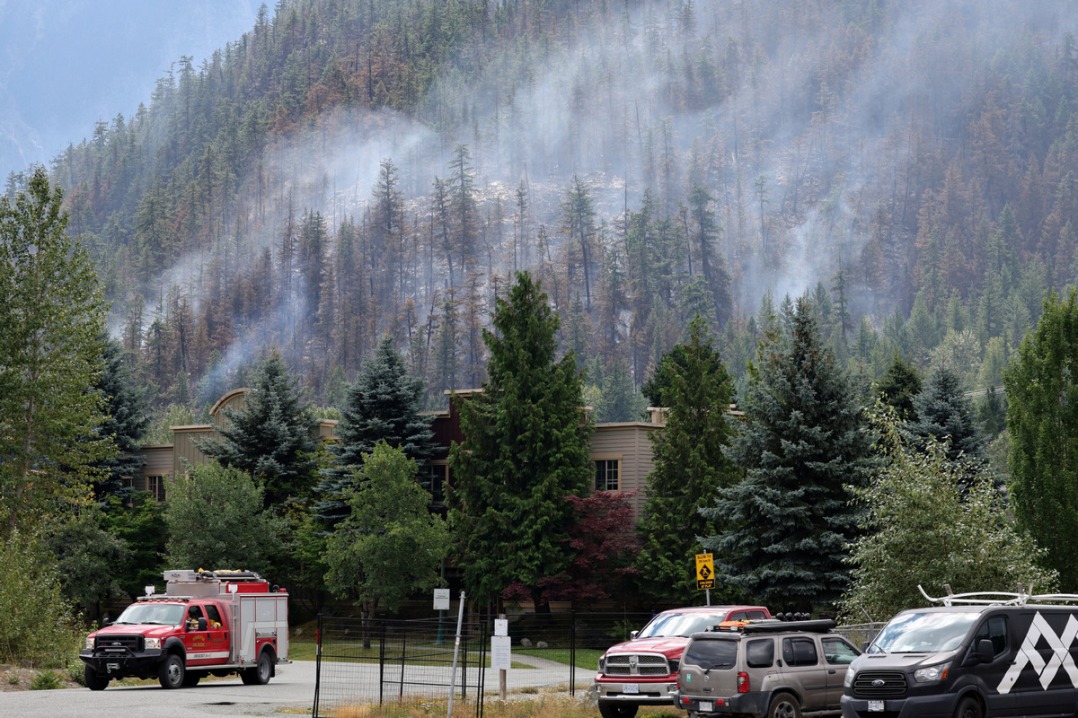
Canada's environment ministers met in Calgary on Wednesday, against the unavoidable backdrop of wildfires raging halfway across the country.
1,027 words~5 min read