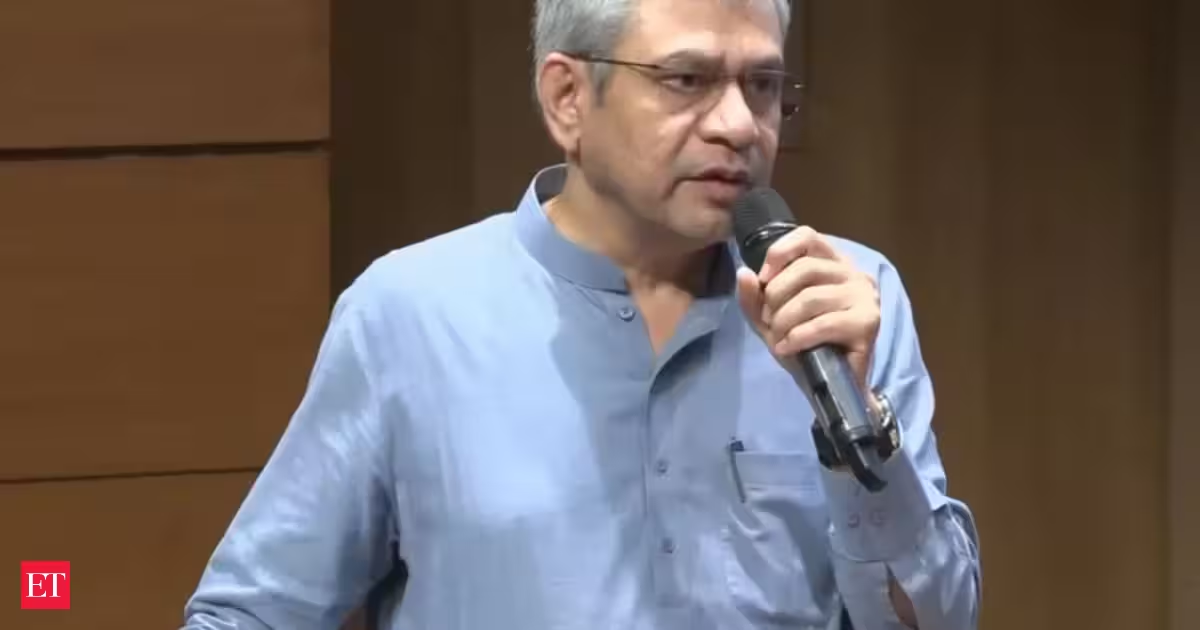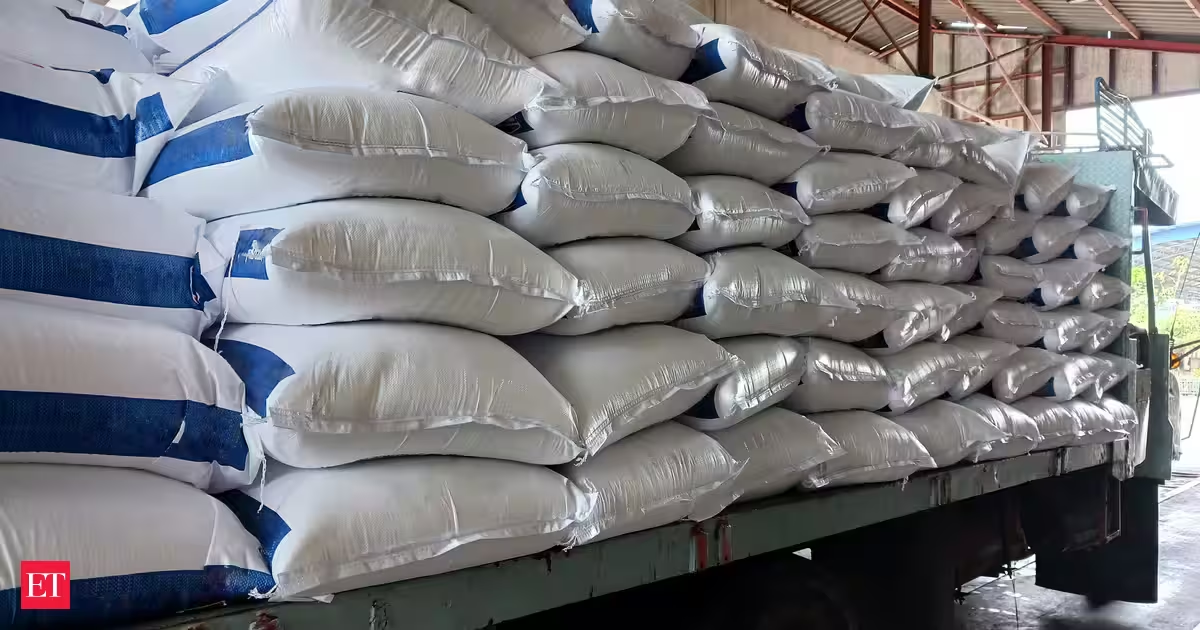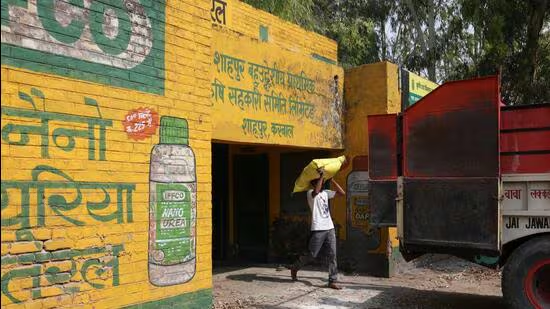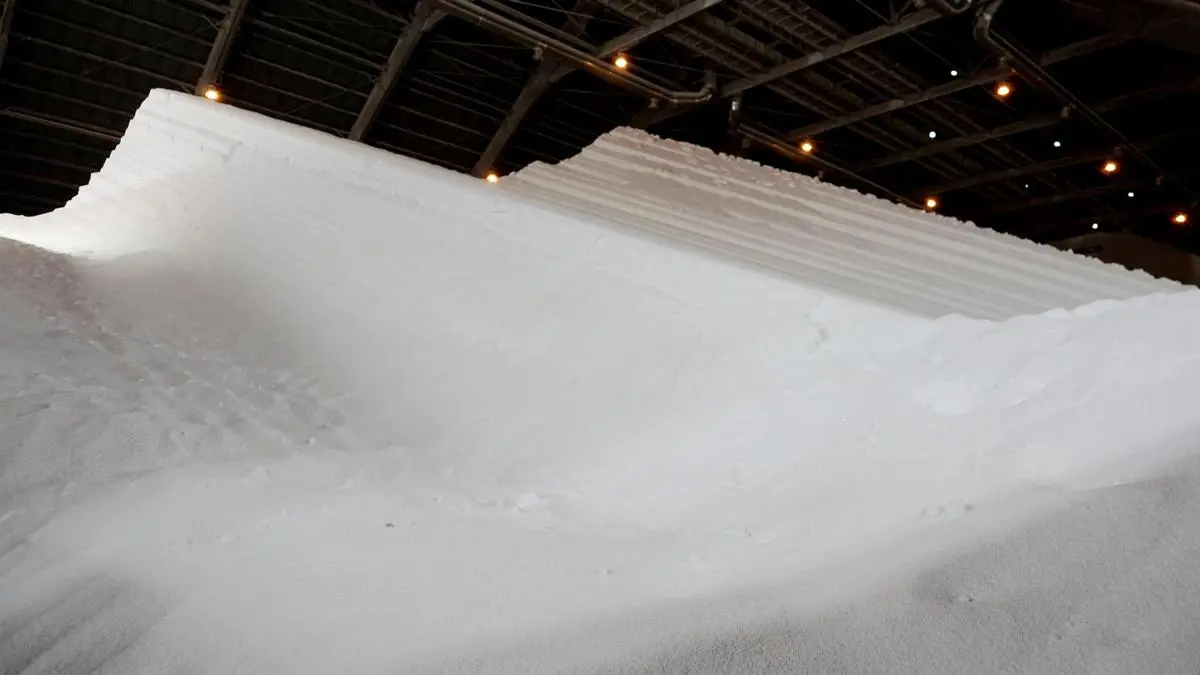
The Union Cabinet on Wednesday approved a new investment policy for the urea sector aimed at attracting fresh investments in domestic manufacturing, as the government seeks to reduce India’s dependence on imports of the key fertiliser.Prime Minister Narendra Modi hailed the decision as one which will ensure self-reliance in urea production. (HT File Photo)The Cabinet Committee on Economic Affairs (CCEA), chaired by Prime Minister Narendra Modi, approved the National Investment Policy for Urea-2026 (NIPU-2026), replacing the earlier investment policy that expired in 2019.The new policy is intended to encourage the setting up of gas-based urea manufacturing plants in the country to bridge the gap between domestic production and demand.“About 8-9 new urea manufacturing plants will be established, where each of them will produce about 12.7 lakh metric tonnes. From these plants, about 1 crore metric tonnes of urea will be produced,” Union minister Ashwini Vaishnaw said in a media briefing after the Cabinet meeting.Prime Minister Narendra Modi hailed the decision as one which will ensure self-reliance in urea production.Also Read: Strait of Hormuz reopening eases fertiliser worries in India, but August is key“Our government is leaving no stone unturned for the welfare of our farmers across the country. In this direction, today the proposal for the National Urea Investment Policy-2026 has been approved. This will not only encourage investment for the establishment of new gas-based urea production plants, but will also give new strength to the resolve for self-reliance in urea production,” the Prime Minister said posted on X in Hindi.According to an official release, the policy introduces several changes over the 2012 framework, including separating fixed and variable costs for greater transparency, introducing a return on equity band of 12-16%, and reducing foreign exchange risk by converting fixed costs into rupees after four years based on prevailing exchange rates.The Centre said these changes are expected to save more than ₹250 crore over the life of each plant established under the new policy compared with projects approved under the 2012 policy.India currently has 33 operational urea manufacturing units with a total installed capacity of 26.94 million tonnes annually, according to the release. However, domestic production continues to fall short of demand, forcing the country to import substantial quantities of urea each year.Also Read: Punjab Tax department fresh raids target firms linked to urea diversionThe government said new gas-based urea plants set up under NIPU-2026 would help increase indigenous production and move the country closer to self-sufficiency in urea.The railway projects are expected to add freight handling capacity of about 44 million tonnes per annum with a completion target by 2030-31. The government said the shift of cargo from road to rail could reduce carbon dioxide emissions by around 290 million kg annually, equivalent to planting nearly one crore trees.The projects will also improve connectivity for more than 1,500 villages and strengthen access to ports, industrial clusters, mining areas and logistics hubs under the PM Gati Shakti National Master Plan.
Cabinet clears urea investment policy to boost local production
The new policy is intended to encourage the setting up of gas-based urea manufacturing plants to bridge the gap between domestic production and demand. | India News
489 words~2 min read