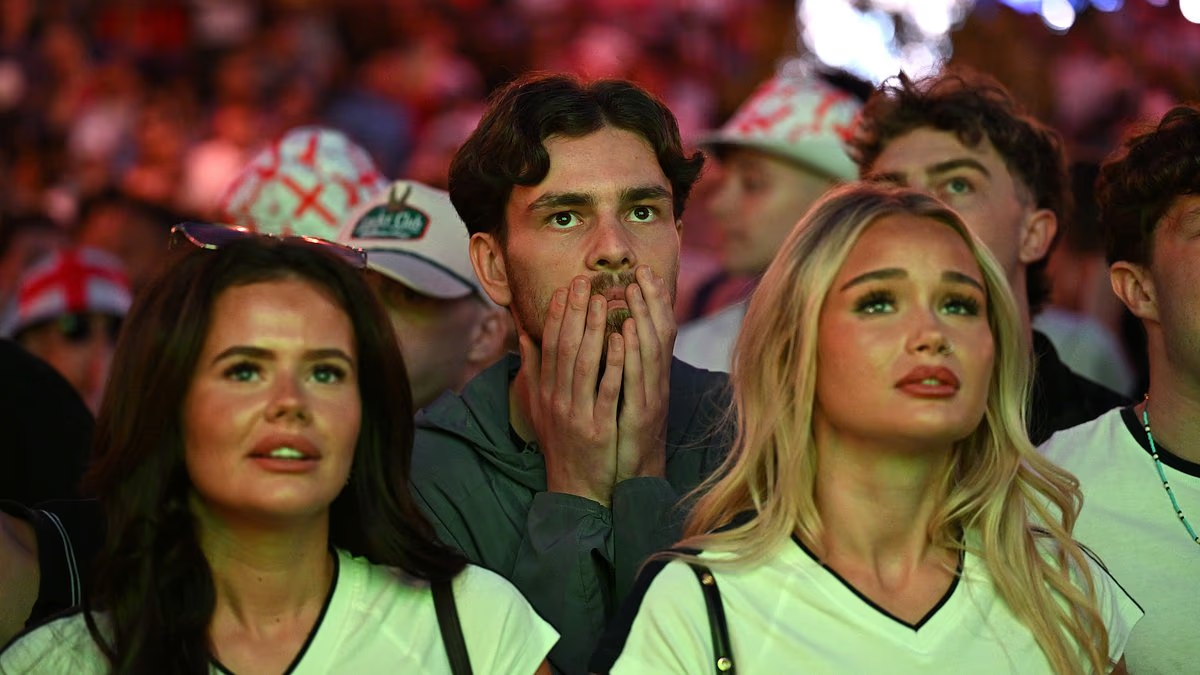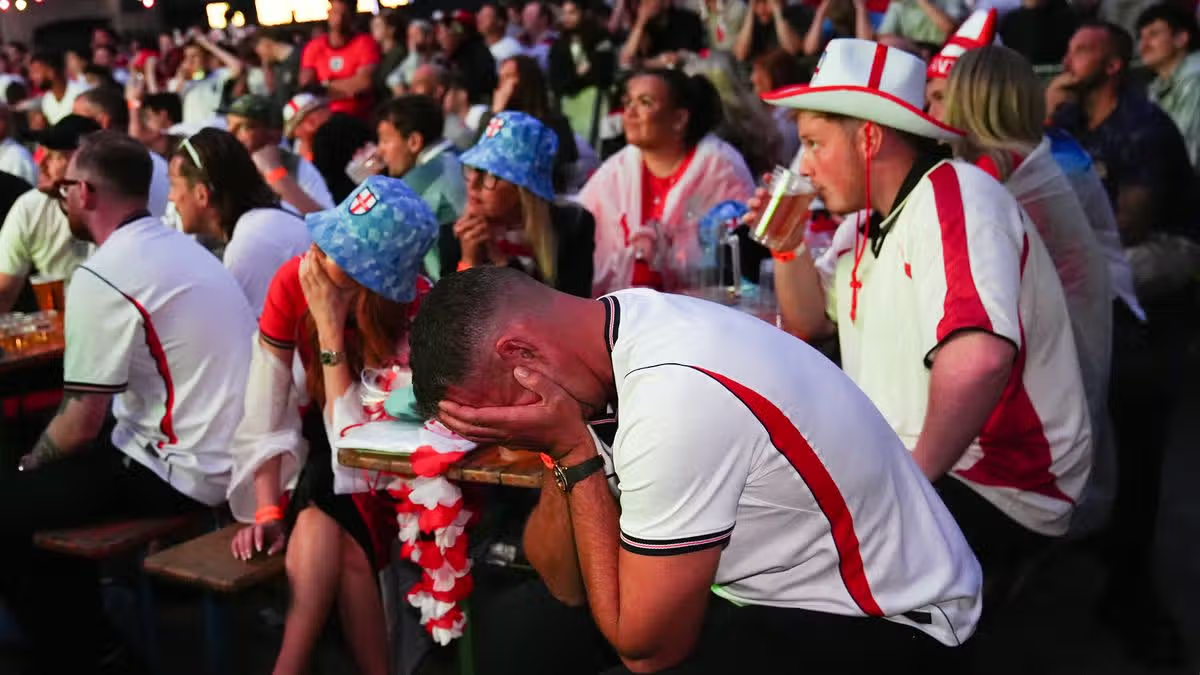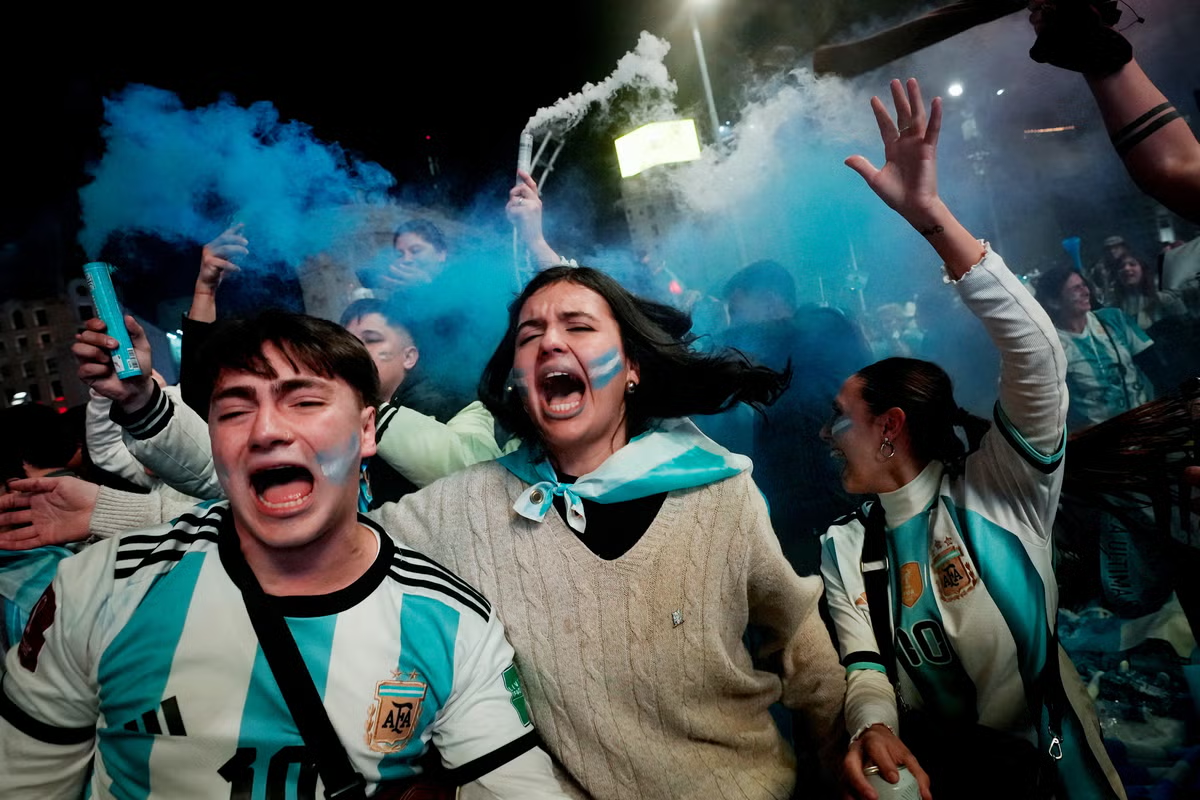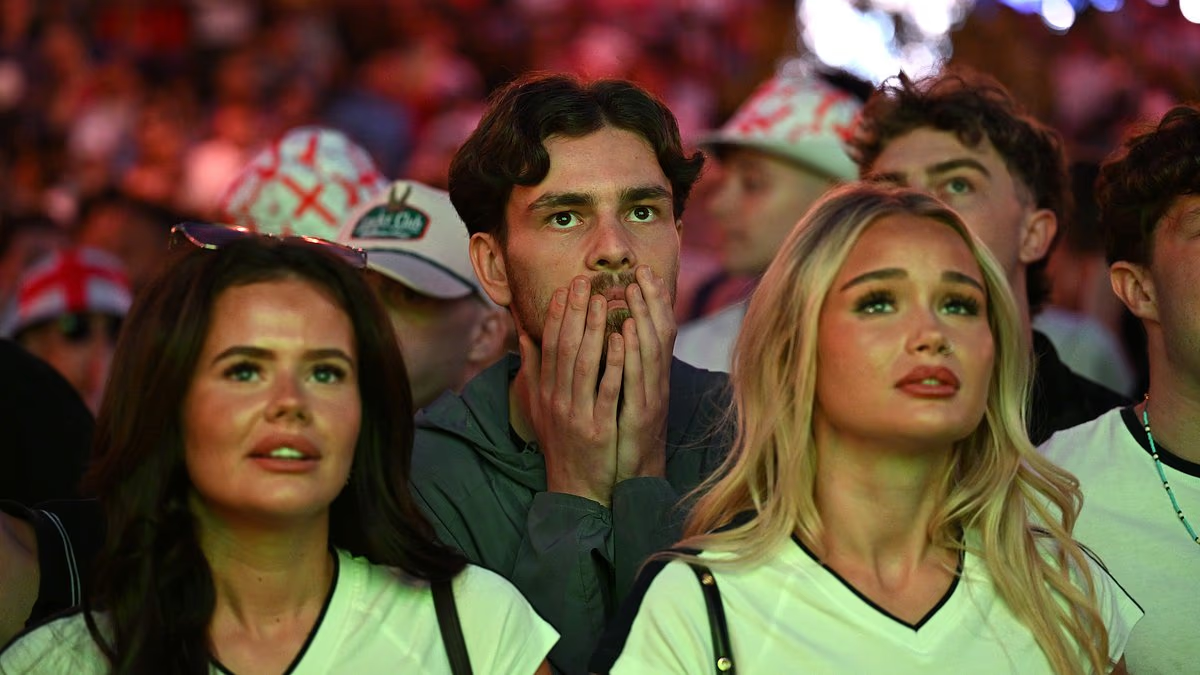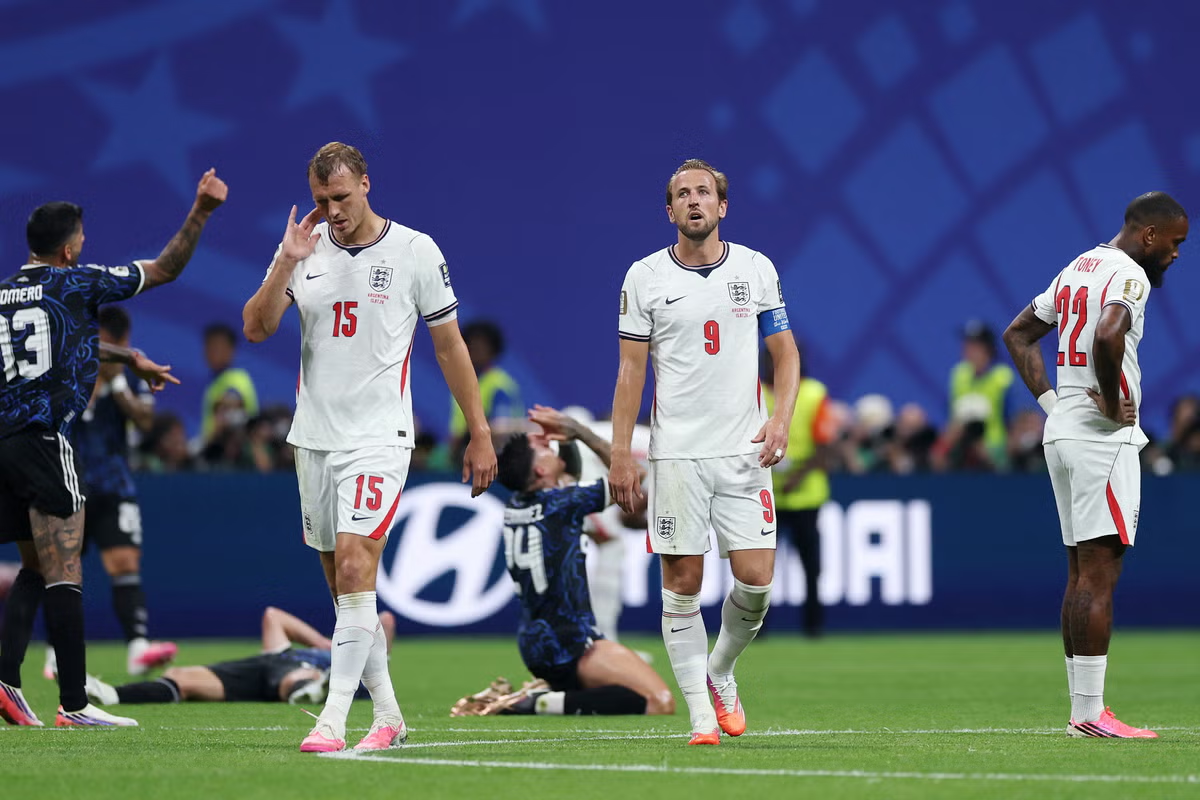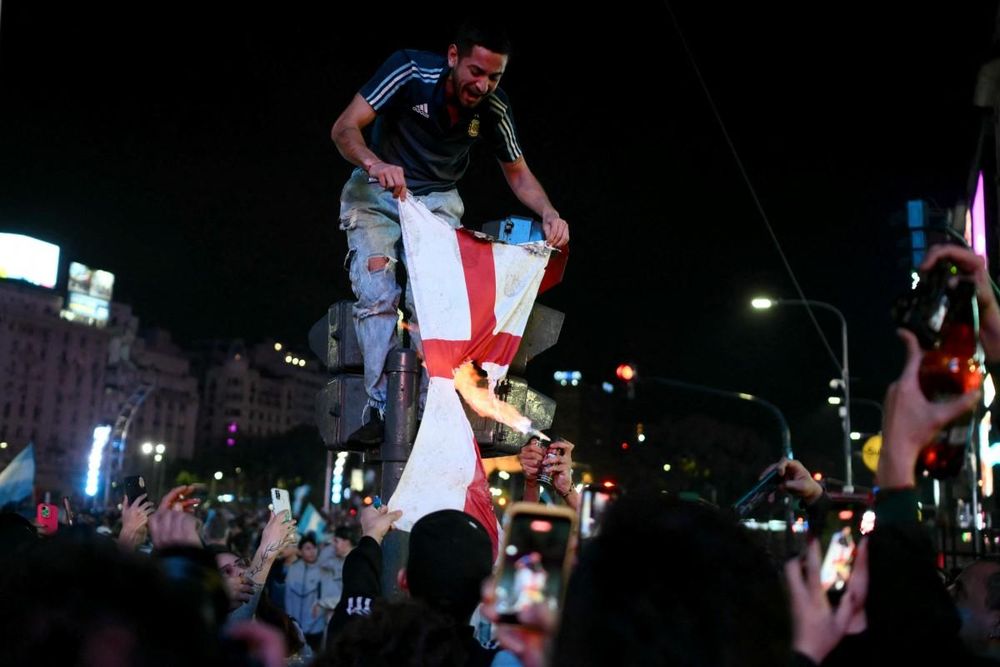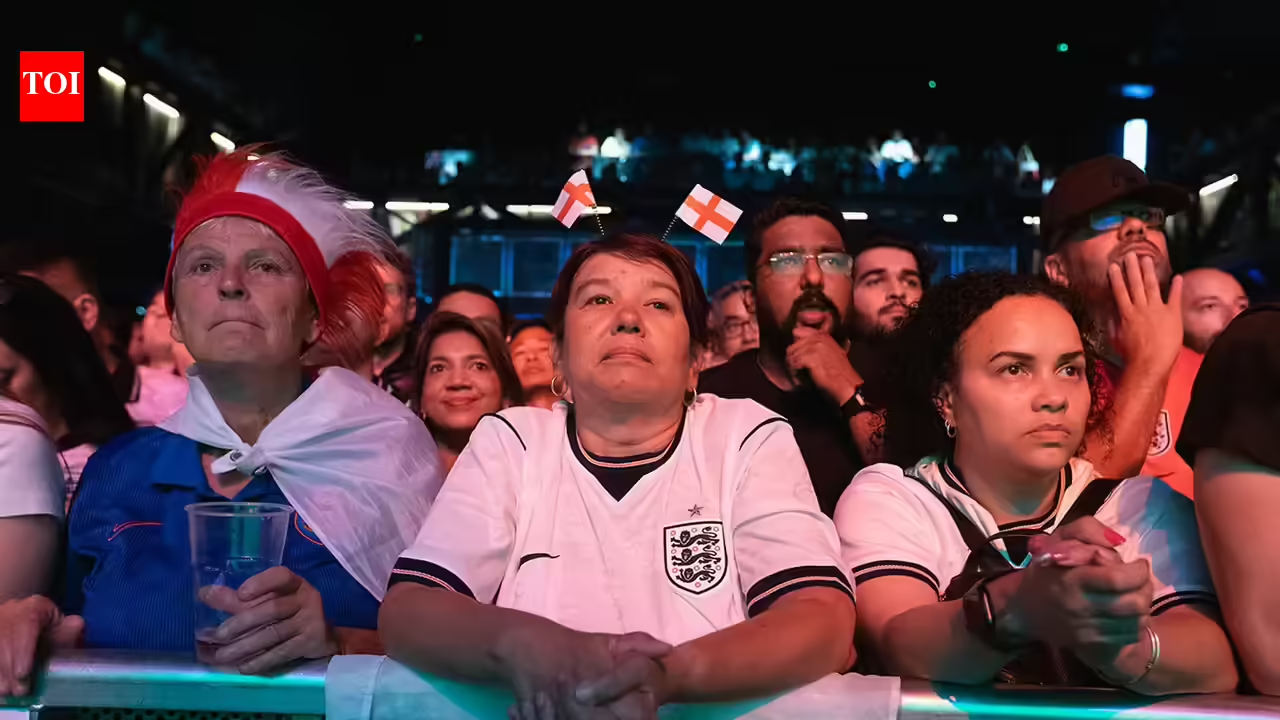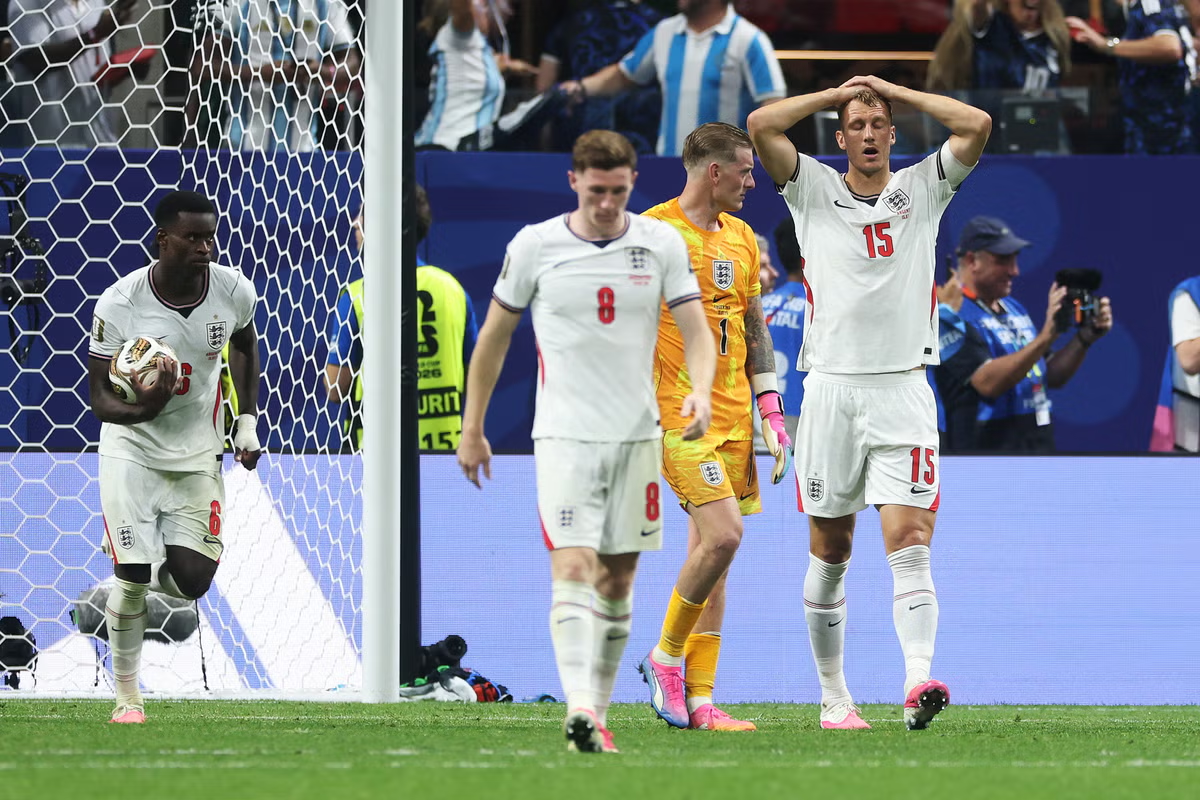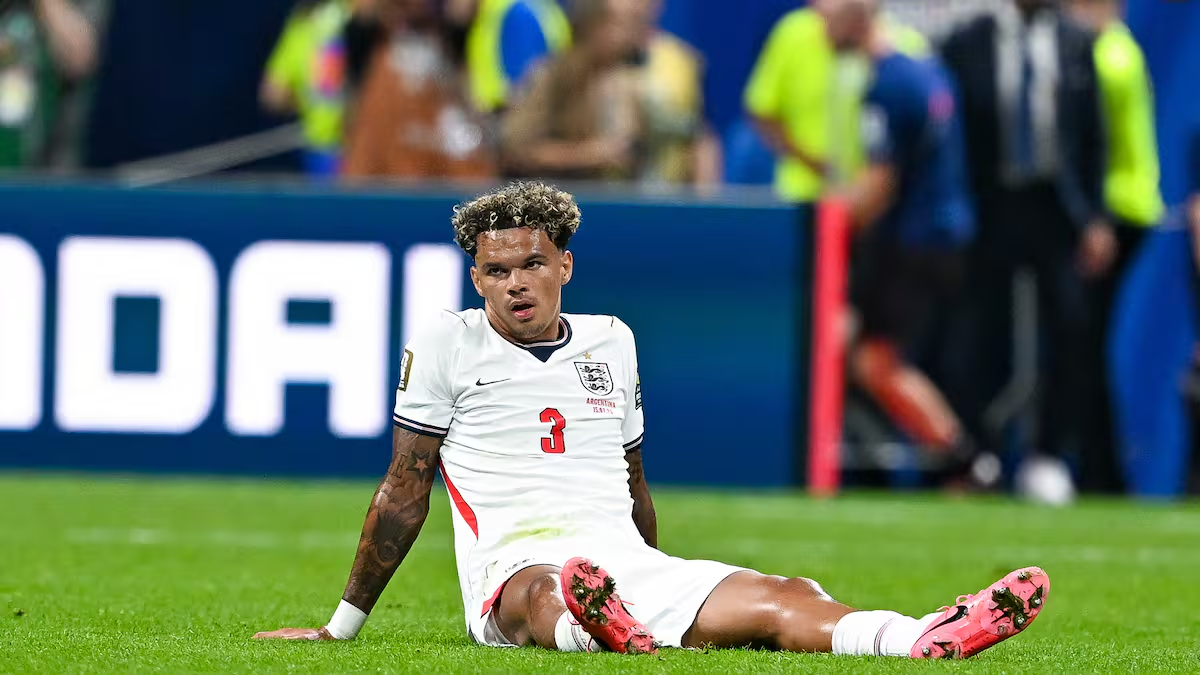
July 16, 2026 — 9:58amLondon: Sad but not surprised. That’s how English football fans are feeling when I talk to them as they leave the pub where we’ve been watching the World Cup semi-final against Argentina. Their team has just lost 2–1 and the nation is gutted. The pub empties quickly.“You could see it coming,” says Amy, who lives near this classic English pub, The Steam Packet in Chiswick, just near Kew Bridge in western London. She tells me she could sense the English team were tired even though they played well. “I think we played brilliantly today, which is why it’s an even harder loss.”The pain of knowing it is not coming home.AP Photo/Alberto PezzaliHer friend, George, is clinical about how the game played out: England had too many defenders in the final phase, with too few on the attack. “We had a team of defenders on the pitch, and it was too late to turn it around,” he says. “So you could see how it was going to go. You could see the tide was turning, and it was not going to end well.”There’s no anger or outrage at the result. This is the land of the stiff upper lip, after all. But the English supporters know their football, and they tell me they could sense the way Argentina could gain the edge even when England held the lead after Anthony Gordon, one of the youngest members of the team, scored a stunning goal.George, Alice and Amy head home from the pub after seeing England lose to Argentina in the World Cup.David CroweAlice, another local, is impressed with the team all the same. “Unfortunately, I think Argentina was just too fast.”There was something almost feverish in the air in London before the match. England has done better at this World Cup than at any time since 1966, when it won the trophy, and you would have had trouble finding anyone who did not know how historic it would be for the national team to beat Argentina. The pubs along this part of the Thames were booked out for the night, and I was lucky to find a place at the Steam Packet.Argentina’s Lionel Messi consoles England captain Harry Kane after his team’s defeat.AP Photo/Erik S. LesserAnd there was a political argument to add tension to the semi-final. It may be more than four decades since Britain defeated Argentina in the war over the Falkland Islands, but the wounds seem fresh in South America. A former BBC world affairs editor, John Simpson, triggered headlines when he claimed a win for Argentina would heighten the country’s claims to the islands. His opinion made headlines – a sure sign the English were on alert to the geopolitics of the outcome.The defeat is made all the worse when Argentina players hold up a banner declaring “Las Malvinas son Argentinas,” or “The Falklands are Argentine”. The same words were placed on road signs in Argentina for decades after the country lost the 1982 war.Standing with a beer outside the pub, one local, Rory, is scathing about the decision by the national team’s manager, Thomas Tuchel, to put everything into defence in the second half.“Bringing on all those defenders, when we should have kept on pushing, was the completely wrong decision,” says Rory. “It made us sit back, and Argentina attacked. Terrible, terrible, terrible. We had six or seven defenders. It shouldn’t have been the case.”And he is not impressed with the England captain, Harry Kane, who is a hero to many for the way he scored six goals at this World Cup, including the goal that decided the dramatic 3-2 victory against Mexico. “Harry Kane was shocking – he didn’t touch the ball,” says Rory.Nobody is weeping into their beer. “As England fans, we’re used to being disappointed,” says Gabriella. Her friend, Ellie, is feeling the loss for her grandfather, who remembers the 1966 victory and would have loved to have seen another one. “I just wanted my grandad to witness that,” she says. “It’s an emotional rollercoaster. But what can you do?”David Crowe is Europe correspondent for The Sydney Morning Herald and The Age.Connect via X or email.From our partners
‘You could see it coming’: Along the Thames, triumph turns to torment
For England’s long-suffering fans, a semi-final exit at the hands of Lionel Messi’s Argentina comes with a familiar sense of expectations crushed.
698 words~3 min read