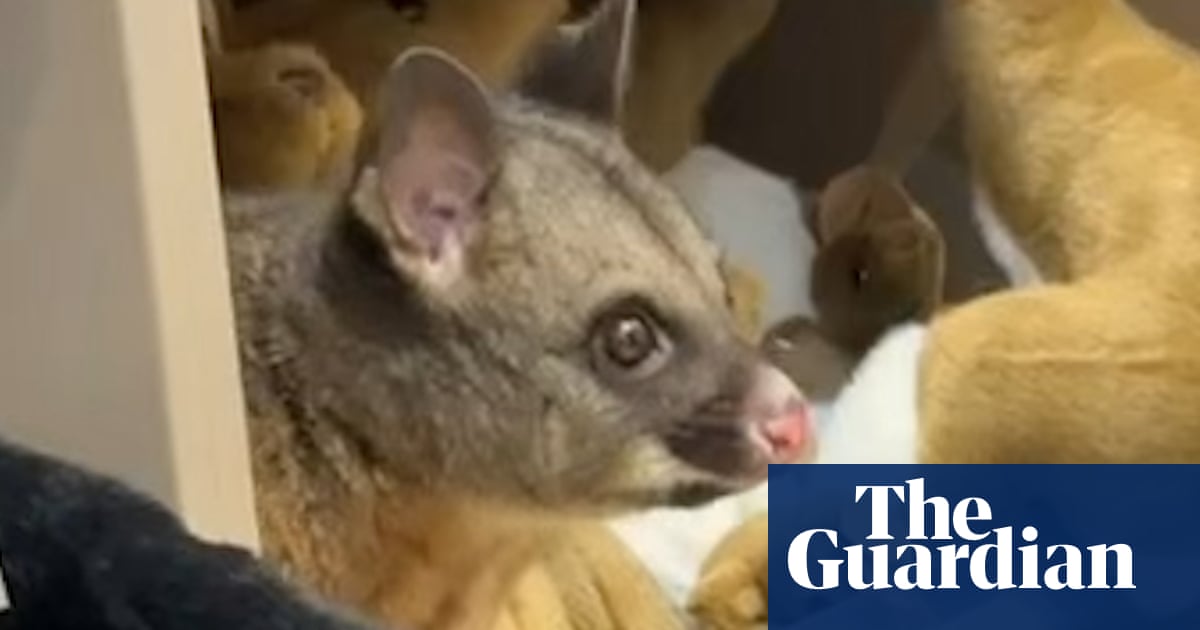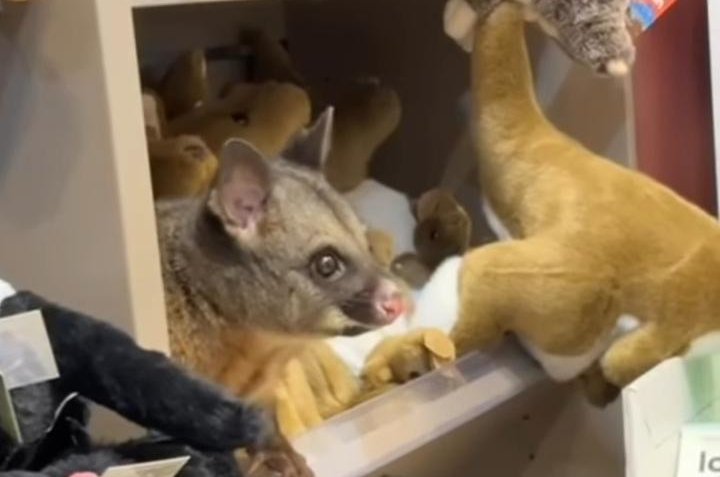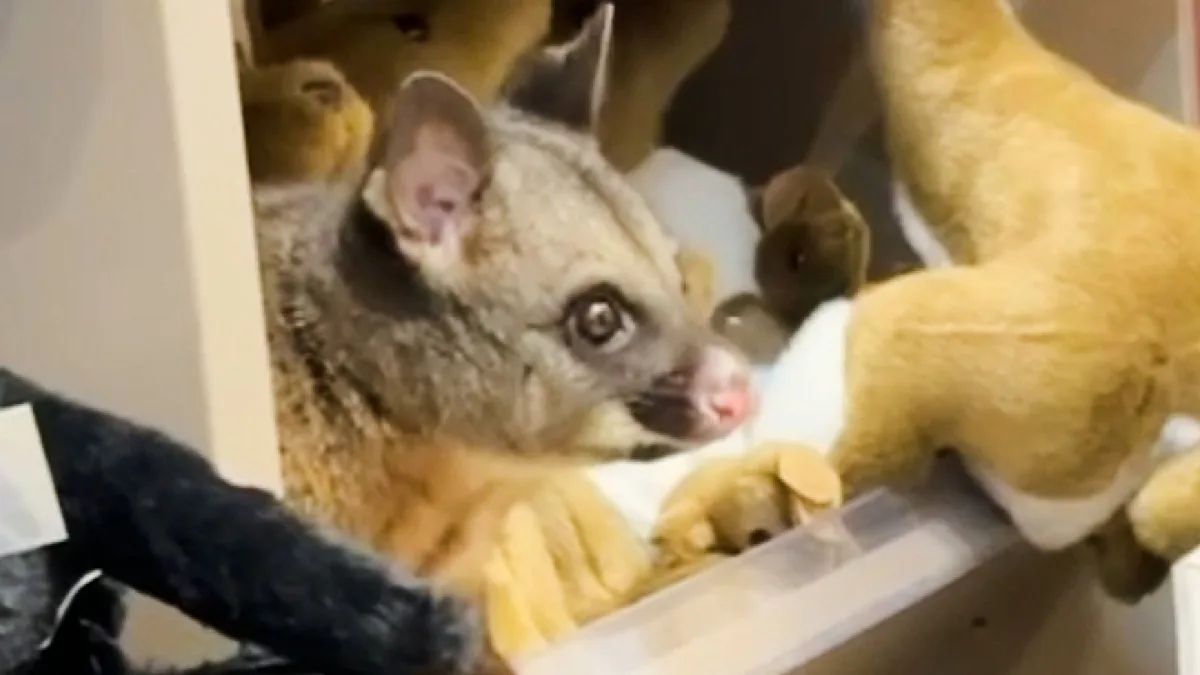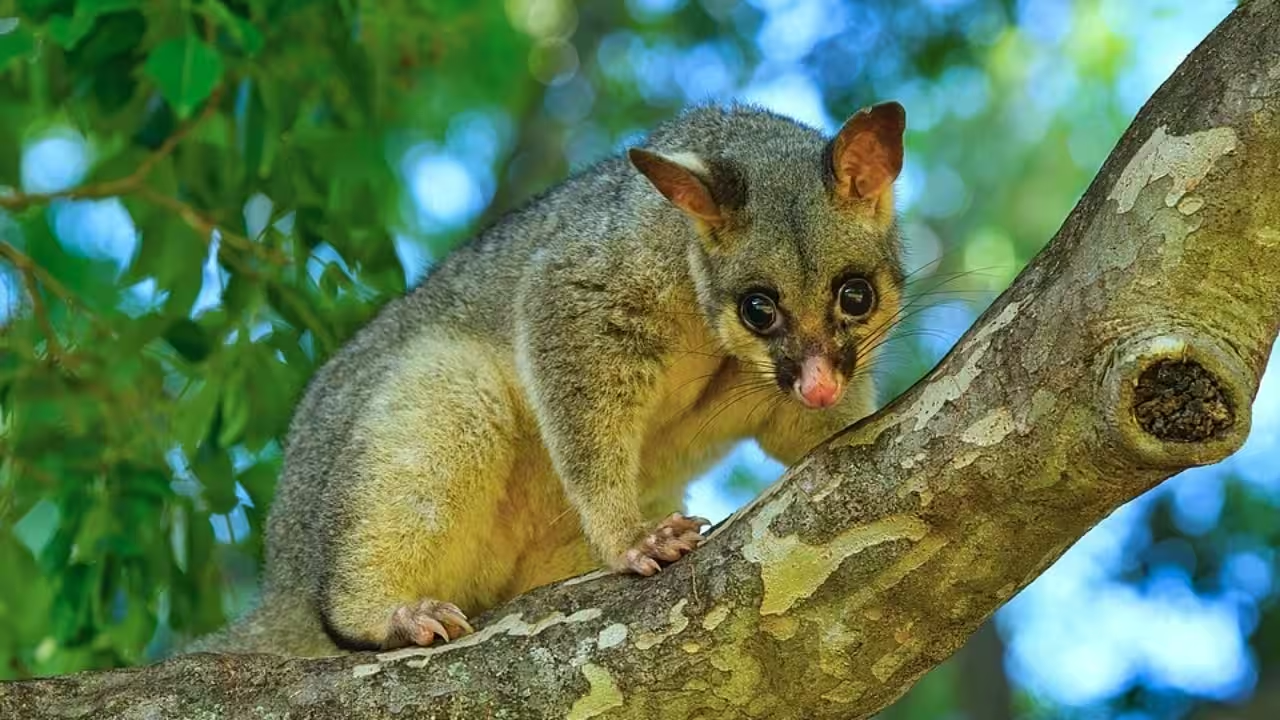
An image of a brushtail possum. Image credits: Wikimedia CommonsDuring the second half of the 19th century, the Australian brushtail possum was introduced to New Zealand with the ambition of creating a thriving fur industry. According to Te Ara- The Encyclopedia of New Zealand, possums were released at multiple locations from 1837, where they rapidly adapted to their new environment. Notably, unlike Australia, where the species coexists with a range of predators, New Zealand offered very few natural threats, allowing the possum population to expand sharply across most of the country. Today, the animal is regarded as one of New Zealand’s most damaging invasive mammals rather than an asset that the past settlers had envisioned.According to New Zealand’s Department of Conservation (DOC), the rapid spread of the animal has had a significant negative impact on the country’s unique ecosystems, as native forests evolved largely without browsing mammals; many such plants became vulnerable to heavy feeding by possums. Conservation authorities believe that the invasive marsupials also compete with native birds for food, nesting sites and even prey on eggs and chicks, thus increasing the pressure on species already threatened by habitat loss and other introduced predators in the country.Why New Zealand is keen to invest heavily in possum controlAccording to Te Ara, possums pose challenges that go beyond biodiversity conservation, as they also act as a wildlife reservoir for bovine tuberculosis (TB), a disease that is a threat to cattle and deer farming. Therefore, controlling the possum population serves both environmental and agricultural objectives, with the government and agricultural agencies investing heavily in long-term monitoring and pest management campaigns to reduce disease transmission and protect rural livelihoods. Furthermore, according to DOC, possums are one of the three major introduced predators targeted under Predator Free 2050, alongside rats and stoats. The Predator Free 2050 initiative aims to reduce invasive predator populations through a combination of trapping, ground control, and other management strategies, with an ambition to restore native wildlife and ecosystems.An image of a brushtail possum. Image credits: Wikimedia CommonsAccording to the study titled Framing Possums: War, sport and patriotism in depictions of brushtail possums in New Zealand print media, published in the Animal Studies Journal, the country’s print media frequently portrayed possum control, using the language of war and military; therefore, rather than just reporting on the news, the study argues that the media often depicts possums as an invading enemy that must be defeated to protect the country’s landscapes, wildlife, and economy. Researchers have indicated that this narrative played a crucial part in influencing public opinion toward invasive-species management, thus showing eradication as both necessary and socially desirable. Furthermore, the research suggests newspapers also drew on metaphors from competitive sport, where they portrayed possum control as a collective national challenge in which communities, hunters, and conservation groups worked together to achieve one common goal. It is worth noting that the authors of the research examined the media’s role in setting the public narrative and not the ecological impacts or the effectiveness of the management policies.New Zealand look to balance conservation with public perceptionAccording to the DOC, New Zealand’s invasive-species campaigns are aimed at protecting native forests, wildlife, and agricultural productivity, instead of targeting species because of their origin. Conservation agencies often argue that possum populations are essential to restore ecosystems that evolved without browsing mammals and to improve the survival rates of vulnerable native species. Meanwhile, the study suggests that the language used to describe these invasive species control can influence how the public understands conservation challenges. The media often rely on more emotive imagery of national-level conflict instead of simply framing the possum management in terms of biodiversity protection and biosecurity.
Brought from Australia in the 1800s, New Zealand's brushtail possum found no predators, now the country wages an all-out extermination war to save its farms and forests
During the second half of the 19th century, the Australian brushtail possum was introduced to New Zealand with the ambition of creating a thriving fur industry. According to Te Ara- The Encyclopedia of New Zealand, possums were released at multiple locations from 1837, where they rapidly adapted to their new environment.
612 words~3 min read