Show Caption
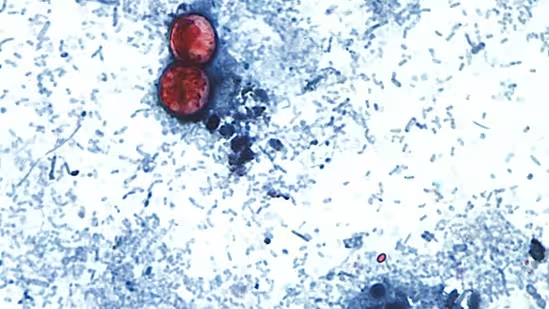
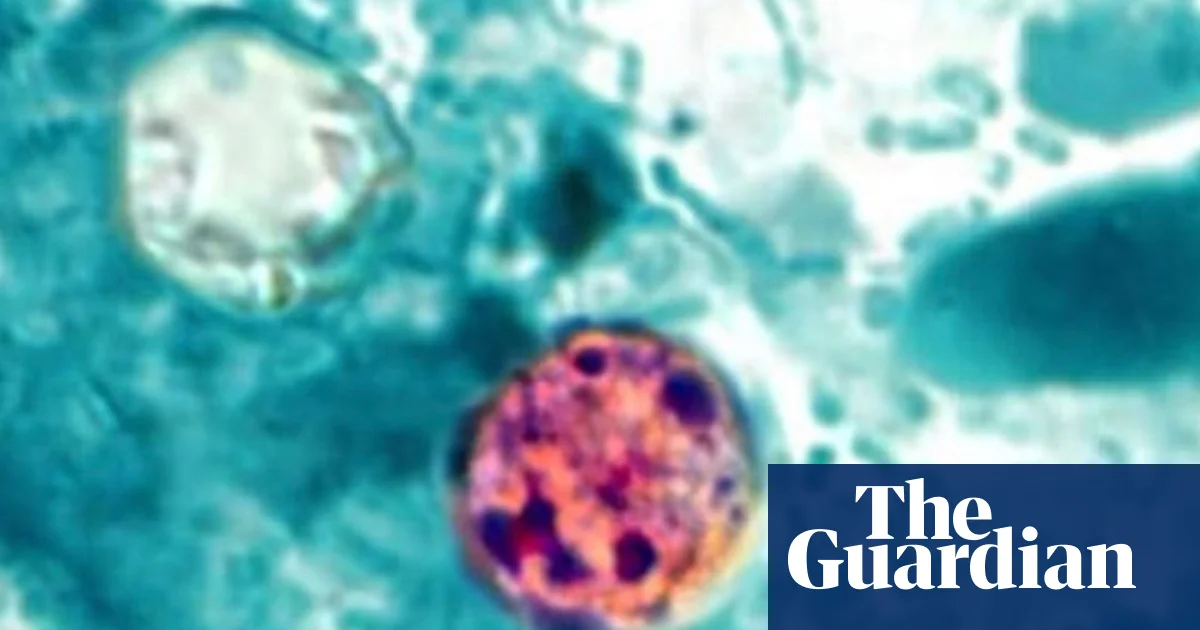
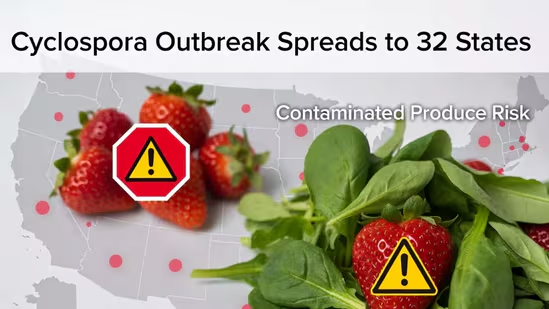
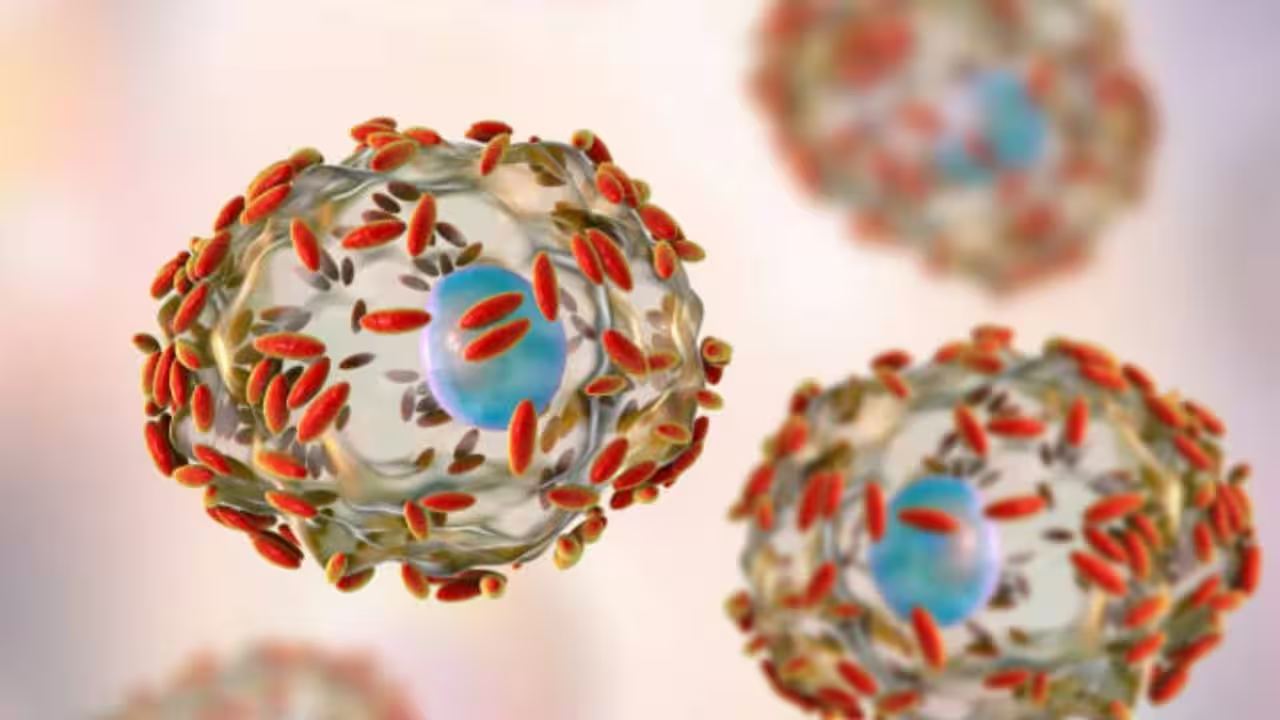
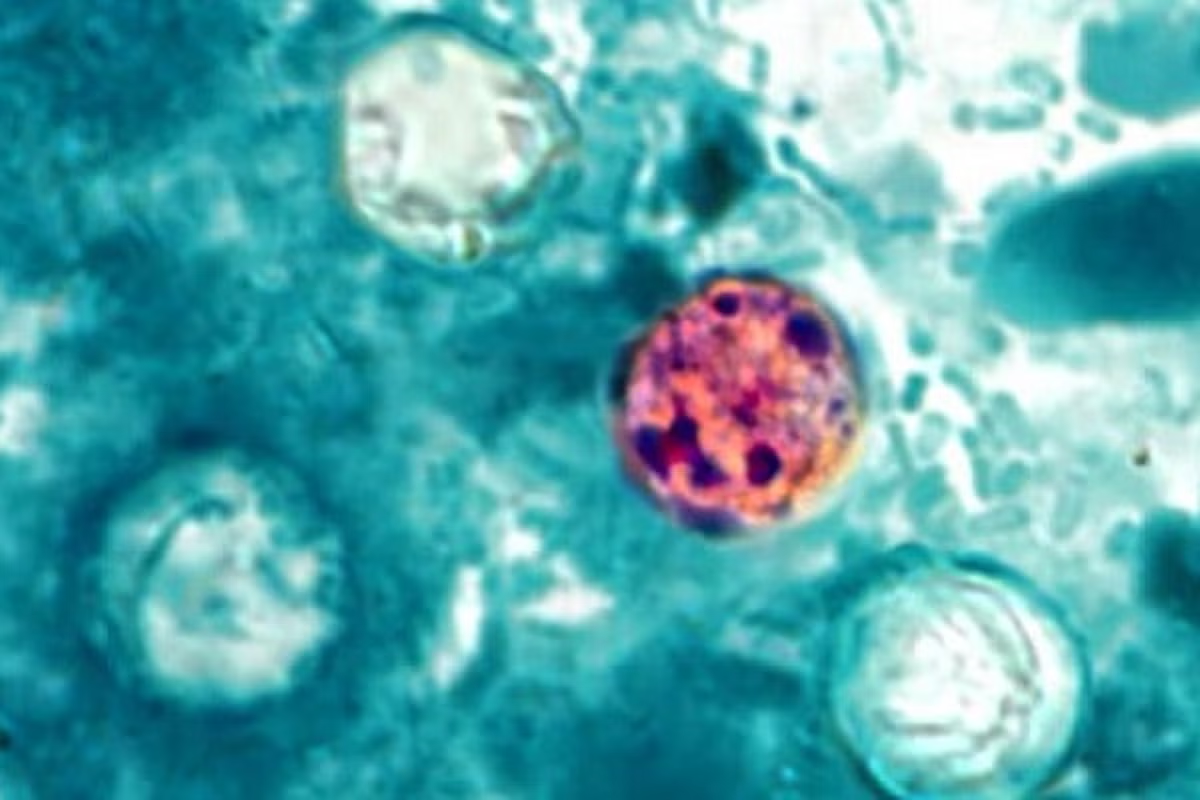
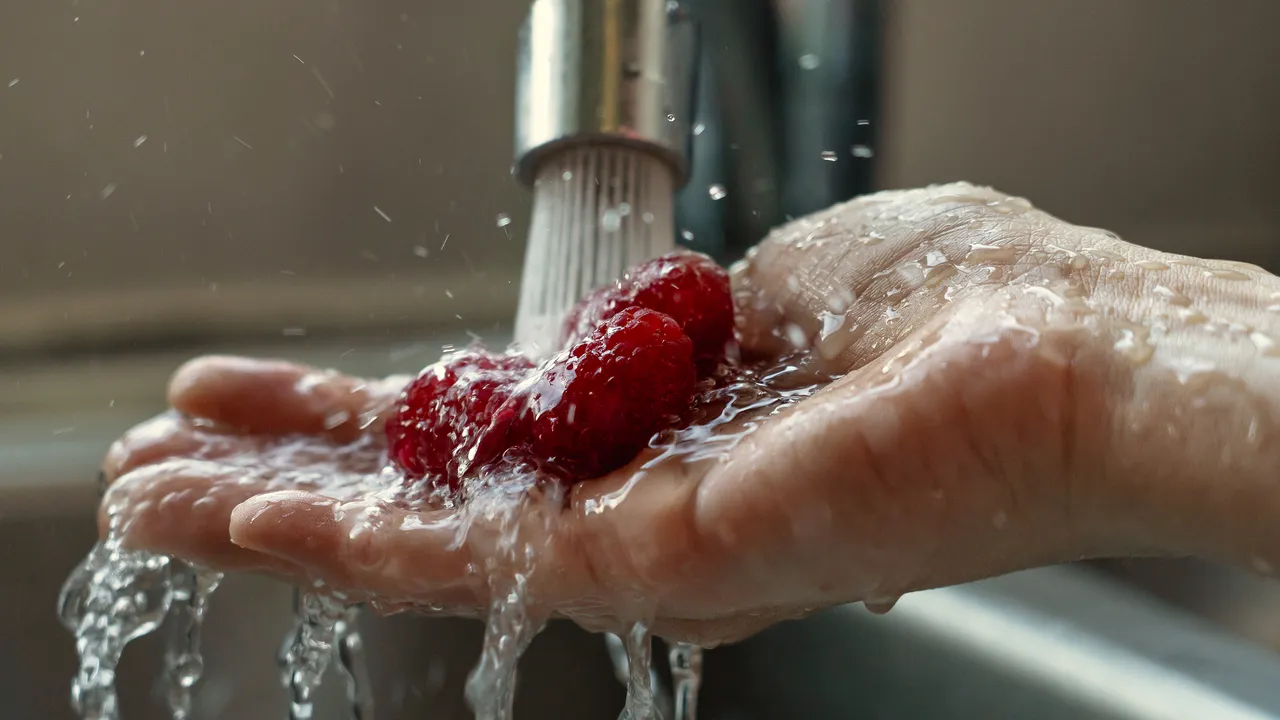
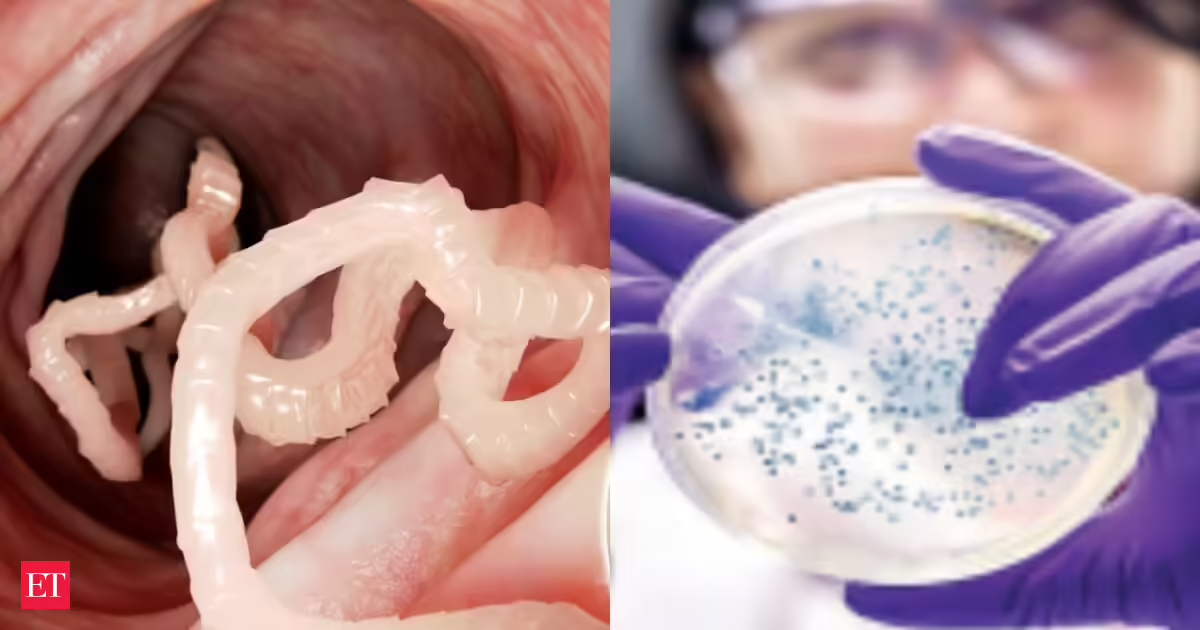
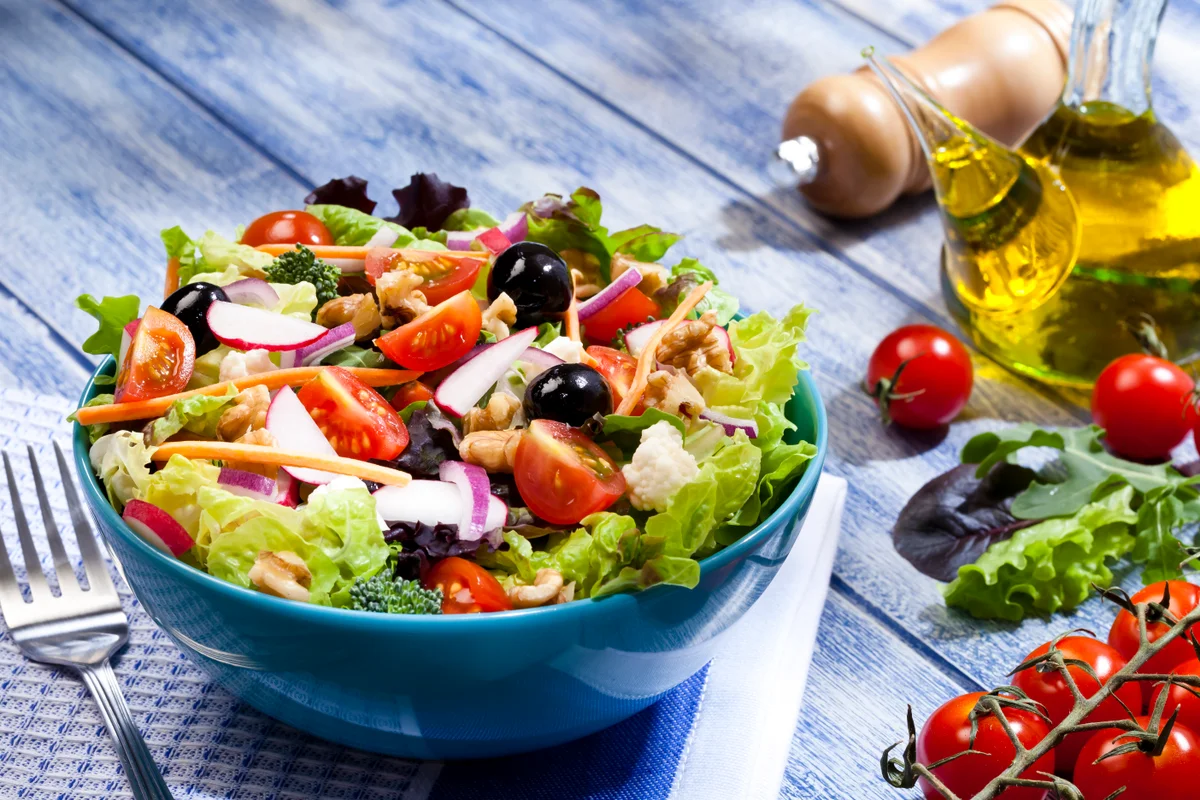
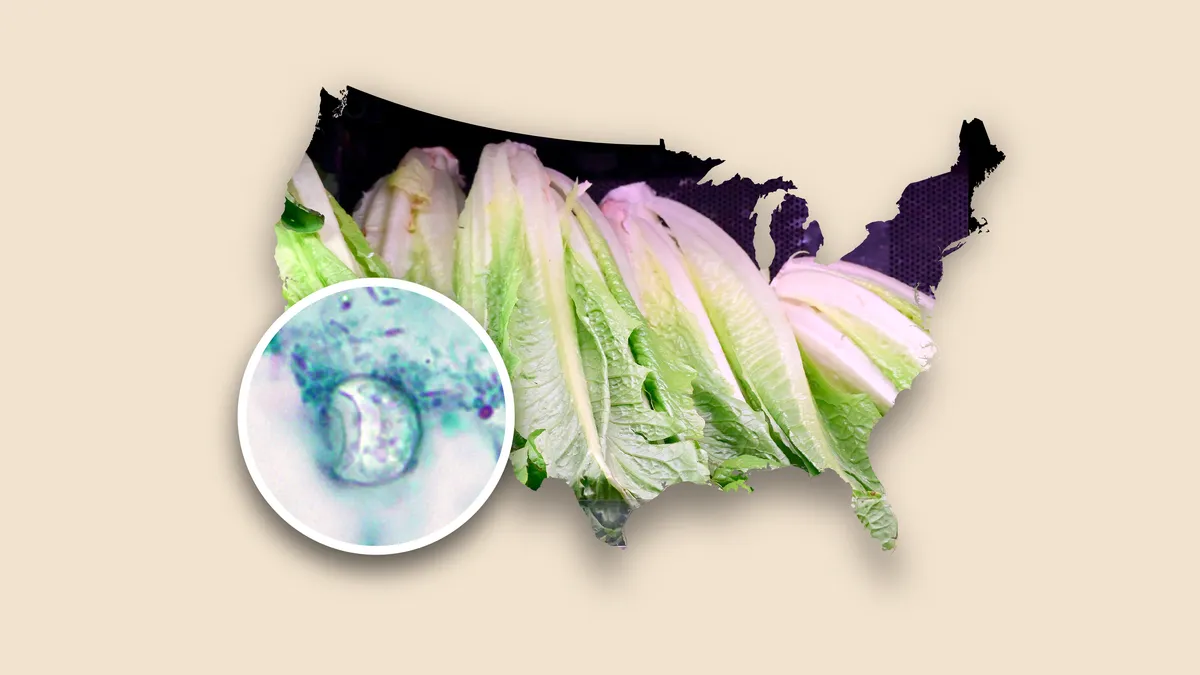
Infectious disease specialists are unsure how long the current nationwide cyclospora outbreak will last.The source of the outbreak has not been identified, suggesting there may be multiple contaminated products.The parasite, which often contaminates produce like lettuce and berries, can be sometimes difficult to wash off.No deaths have been reported among the 34 states with cases, according to the CDC.Several infectious disease specialists across the country told USA TODAY that they are unsure how long the current nationwide cyclospora outbreak will last."What's different this year is the unusually high number of cases and the fact that investigators still haven't identified a specific source," Dr. Suraj Saggar, chief of infectious diseases at Holy Name Medical Center in Teaneck, New Jersey, said July 15.Saggar said it's still unclear whether this is one large multistate outbreak or several smaller outbreaks at the same time, as confirmed or suspected cases have been reported in 34 states, according to the Centers for Disease Control and Prevention.CDC officials said a cluster of cases in four states − Michigan, Ohio, West Virginia, and Kentucky − is likely linked. The parasite cases typically occur between May and August.Saggar, who is familiar with the parasite, previously noted there could be multiple clusters involving different sources. For example, Michigan has 3,762 cases, which is 65 times the state's annual average, according to its state health department website.Saggar said typically the parasite can be found in lettuce, salad greens, and spinach, and fruits like blueberries and raspberries, but other foods can't be ruled out."Often, public health officials can trace an outbreak back to a particular farm, grower, supplier, or contaminated water source and issue a targeted recall," Saggar said. "Right now, they haven't been able to do that, suggesting there may be multiple contaminated products or multiple unrelated outbreaks occurring simultaneously."Fortunately, there haven't been any deaths from the reported cases to the CDC, Saggar said. His comments come as state and federal health officials have confirmed 1,645 cases of cyclosporiasis as the cause of the stomach-stirring infection that is under investigation. Meanwhile, more than 5,100 additional cases are also under investigation, according to the CDC.Dr. Amy Edwards, a pediatrics professor at Case Western Reserve University School of Medicine in Cleveland, agrees."I don’t anticipate this being over any time soon," Edwards told USA TODAY. "I can't see a way where we’re near the end, as typically most cases are narrow in scope and can be as short as one week or as long as three weeks. There could be more than one type of contamination, more than one type of food, and with such a spread like this, it becomes harder to remove the source and harder to get the outbreak under control."Parasite spread is hard to containEdwards believes that given the size of the outbreak, it may have started during a food harvest and production."Remember, the parasite comes from human stool, so normally we would think of maybe a farmworker who is assisting with the harvest, or someone who is ill, or someone in food distribution," Edwards said. "Somewhere along the way, some sort of food caused the outbreak, whether it is say lettuce, parsley, or raspberries, got contaminated, and, unfortunately, it has spread."An outbreak like this also might have originated from the use of contaminated pre-harvest and harvest water, or inadequate hygiene among infected food handlers, Dr. Norman Beatty, an associate professor specializing in infectious diseases at the University of Florida College of Medicine, told USA TODAY.Beatty said washing the produce might not entirely stop the spread. He said the cyclospora parasite has "a tough outer shell, making it difficult to eliminate." That’s because the cyclospora oocyst cell wall is "highly resistant" to adverse environmental pressures and traditional disinfectants, as suggested by the CDC, Beatty added."It is unclear how to safely remove these oocysts from produce once they have contaminated soil or plant matter, but merely washing with water is likely not to remove them prior to eating," Beatty said. "Some have suggested using white vinegar, household soap, or even bleach to aid in removal or even kill the cyclospora oocysts, but this is unproven and likely not going to eliminate the parasite from the produce."There’s also the potential to have other outbreaks in different regions, and if anyone has any concerns, they should reach out to their local healthcare provider, Beatty added.Saggar said vigilance is key as health officials continue probing."We're trying to find a definitive source due to the number of cases, and the lack of a clearly identified source makes it more challenging than usual without having that specific contact tracing," Saggar said.