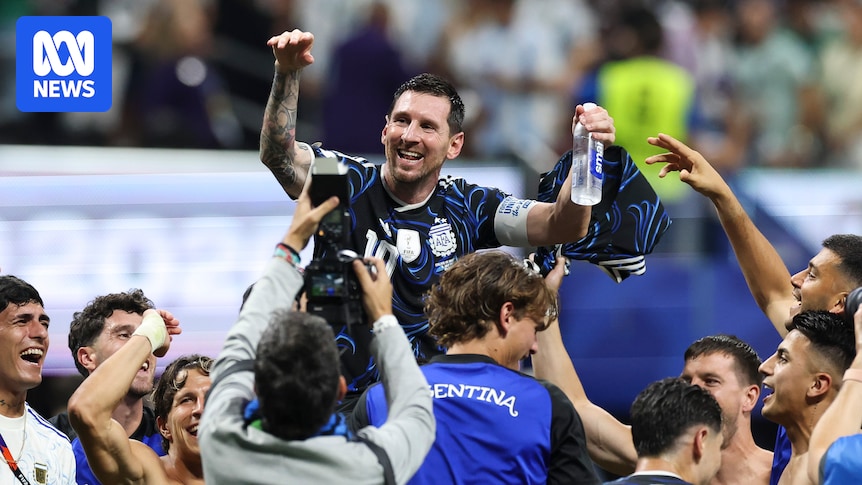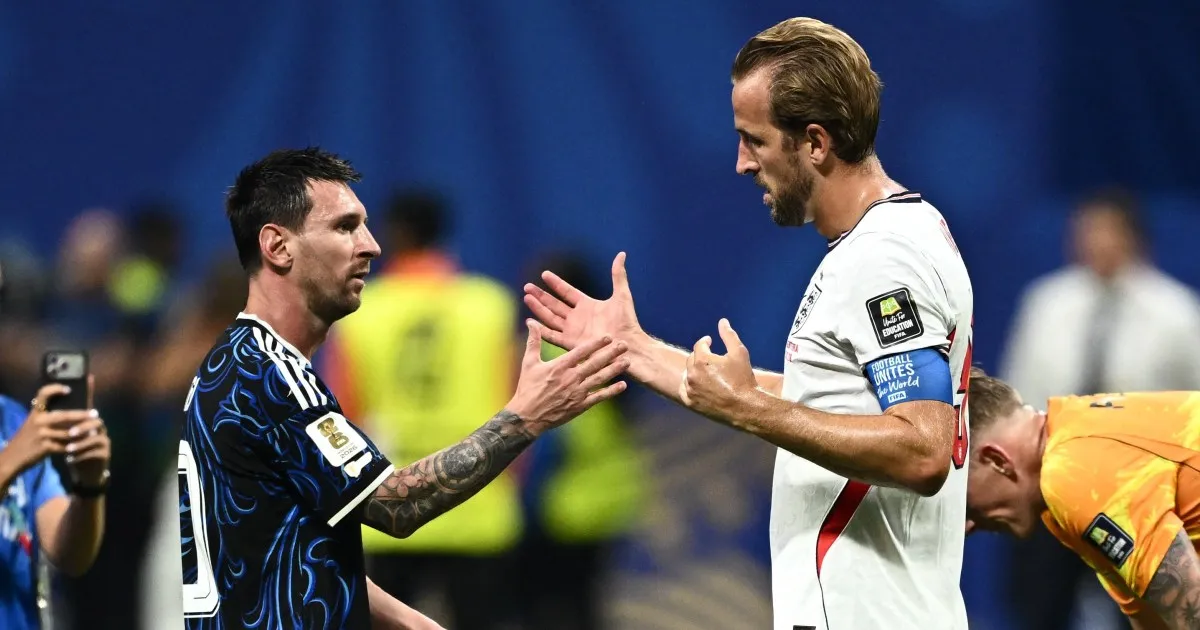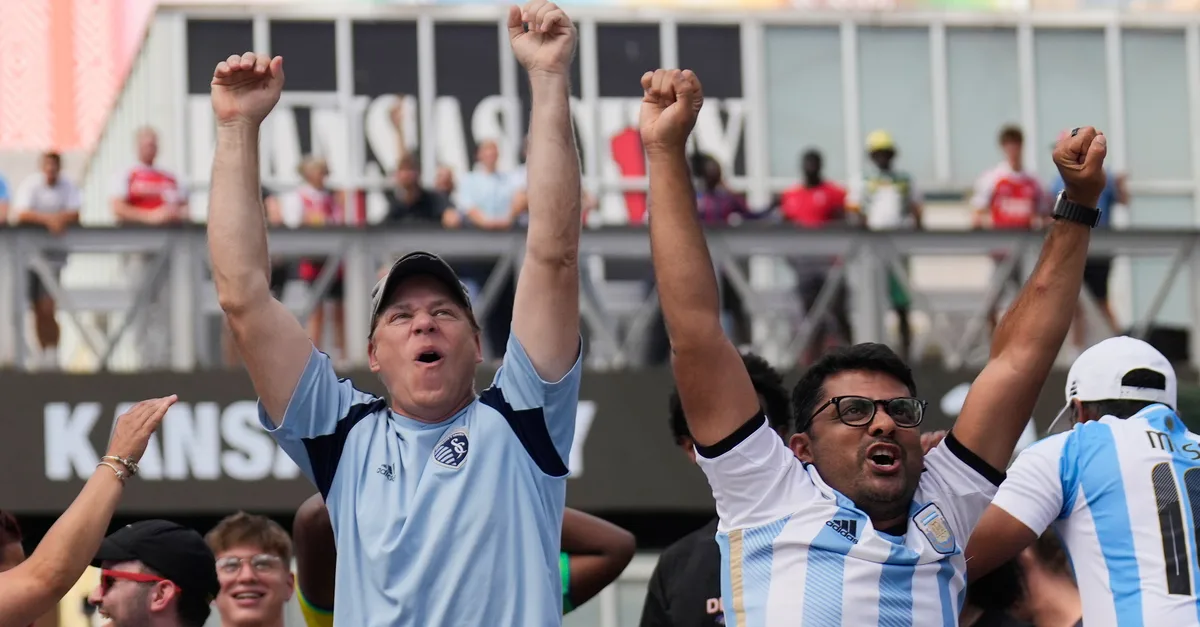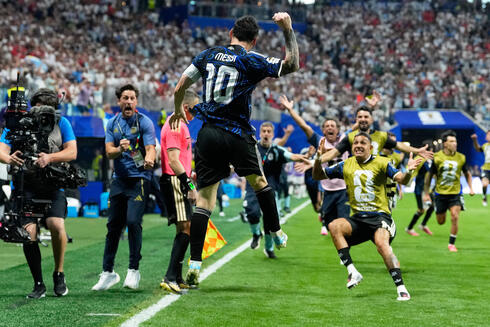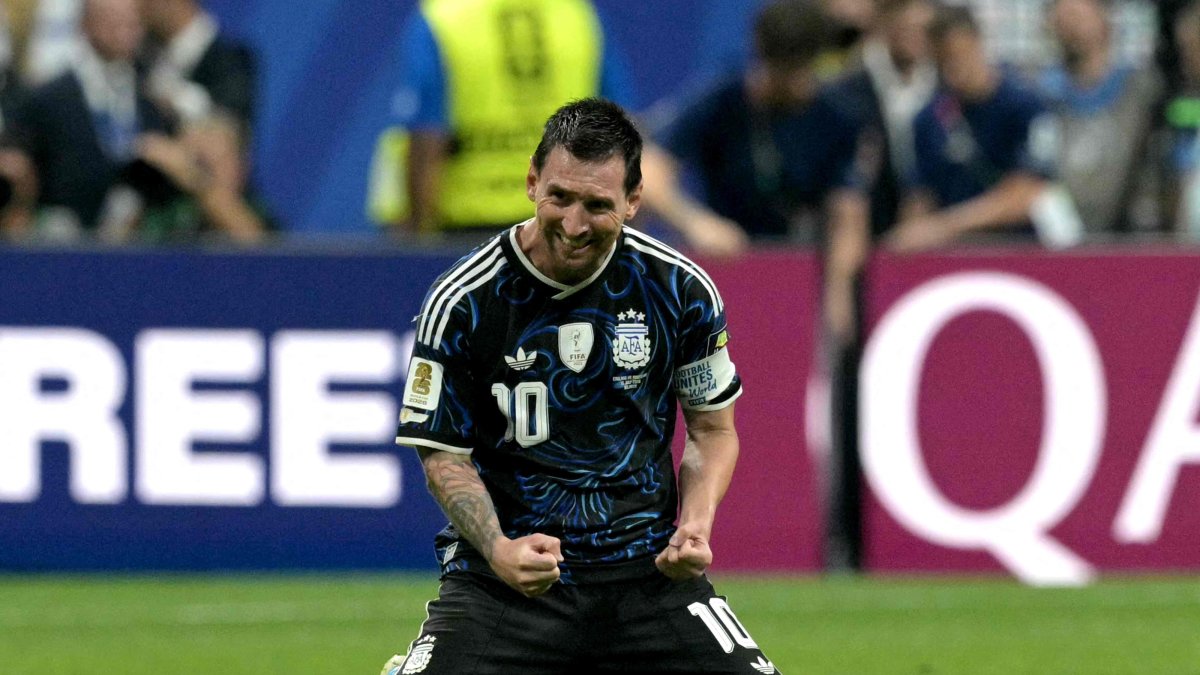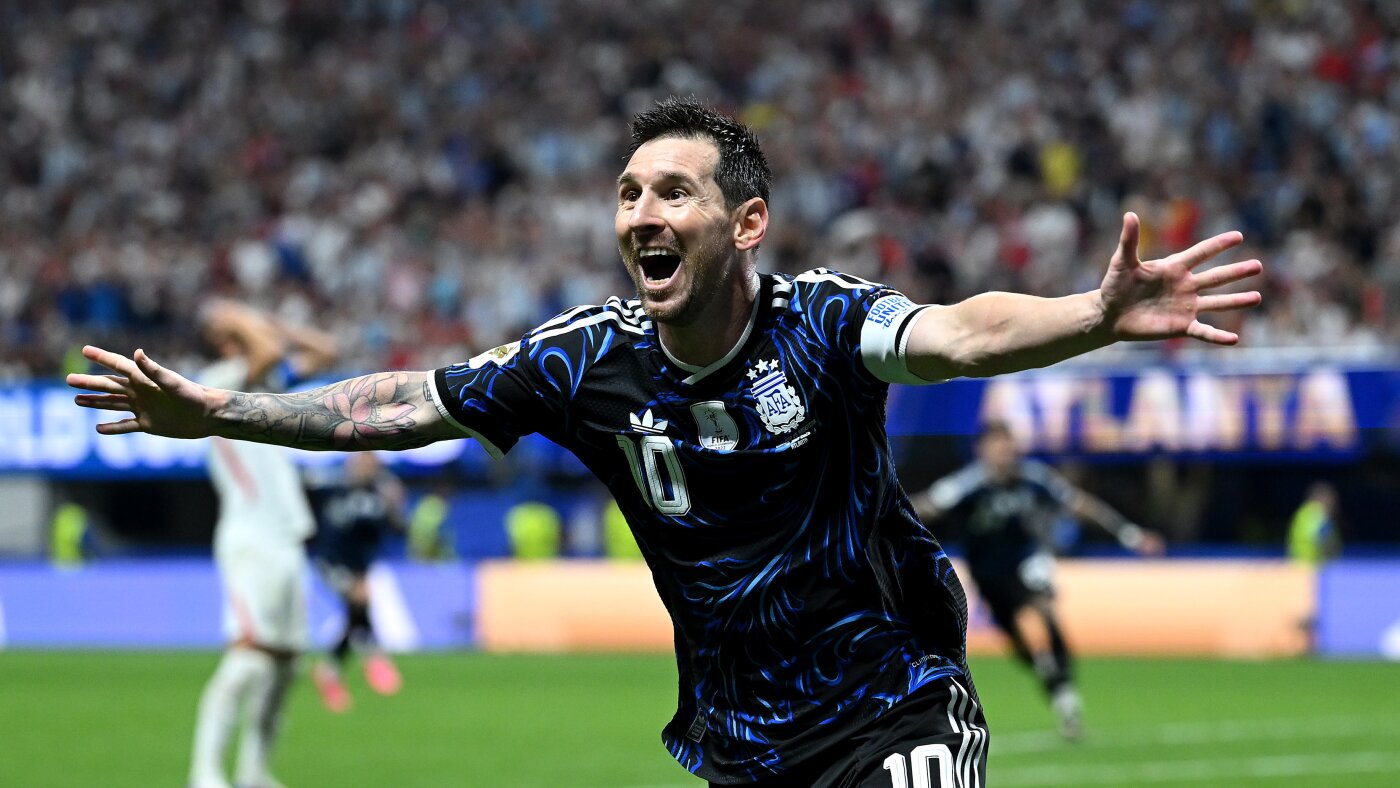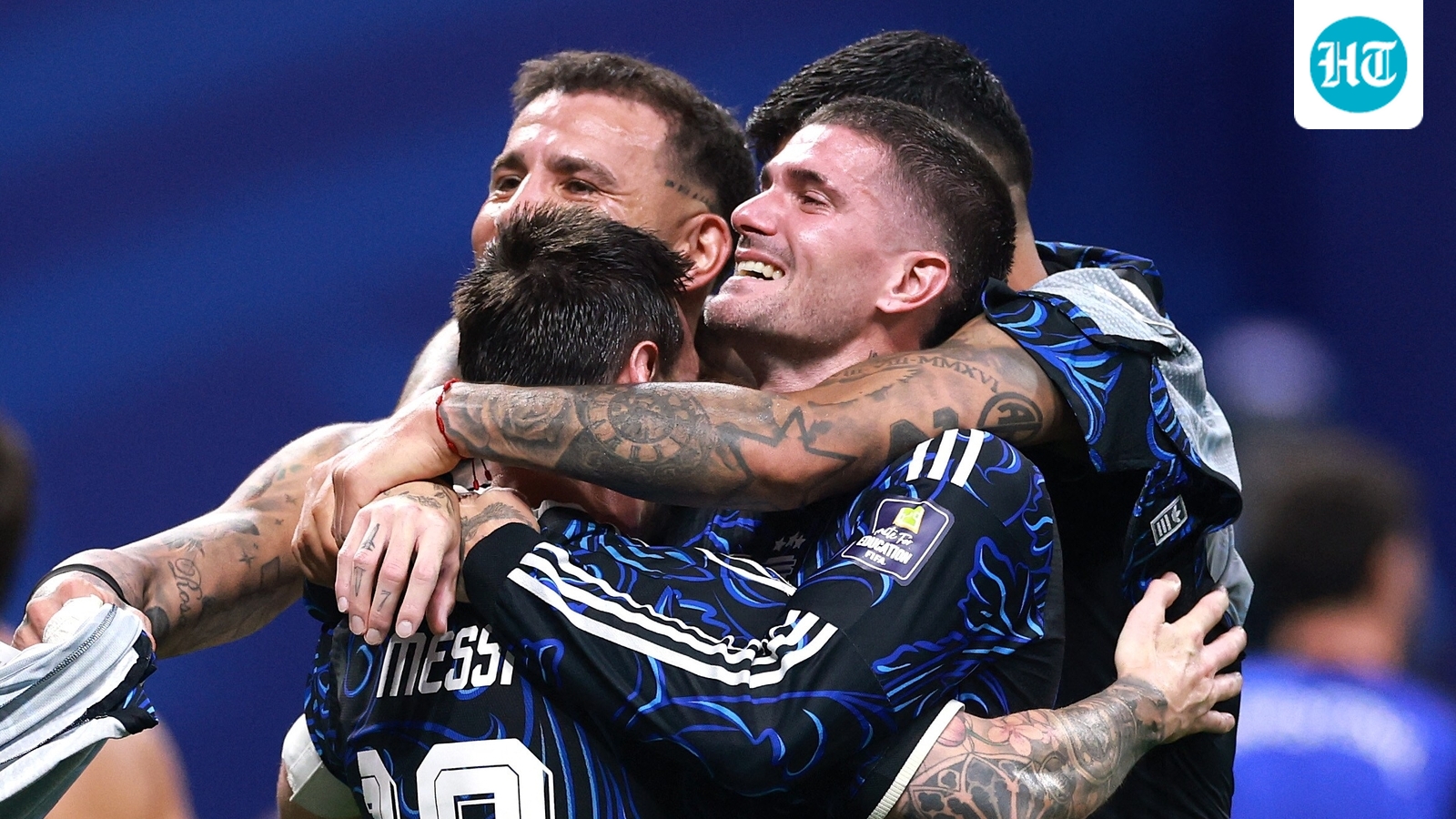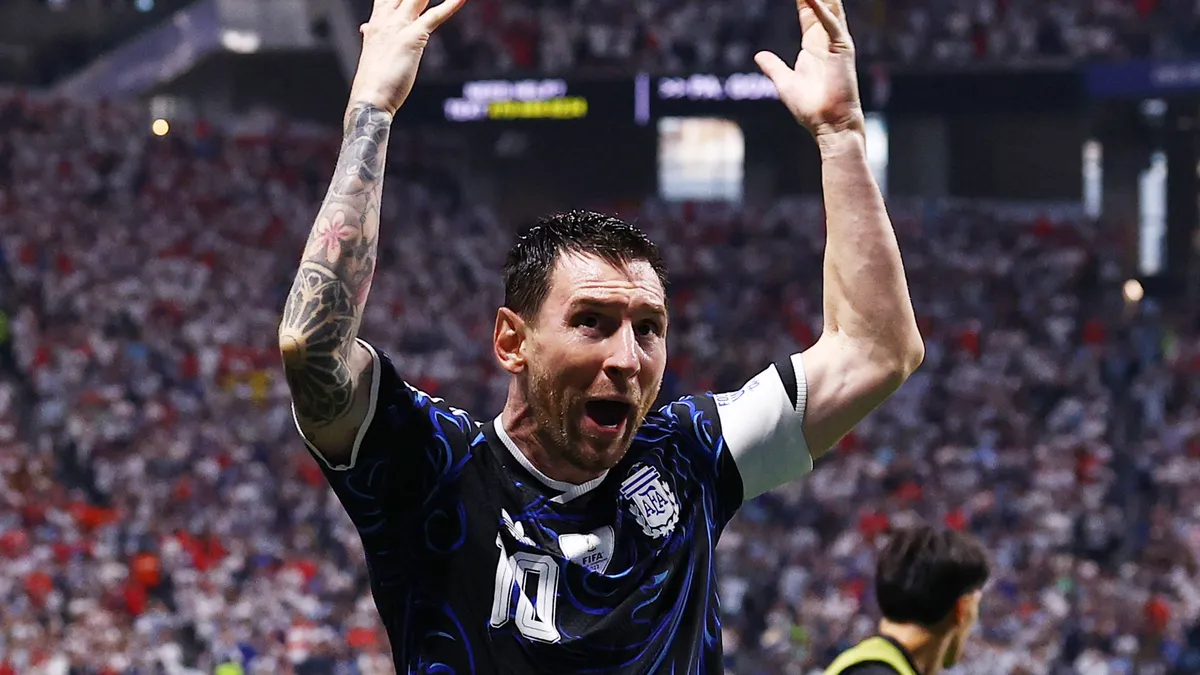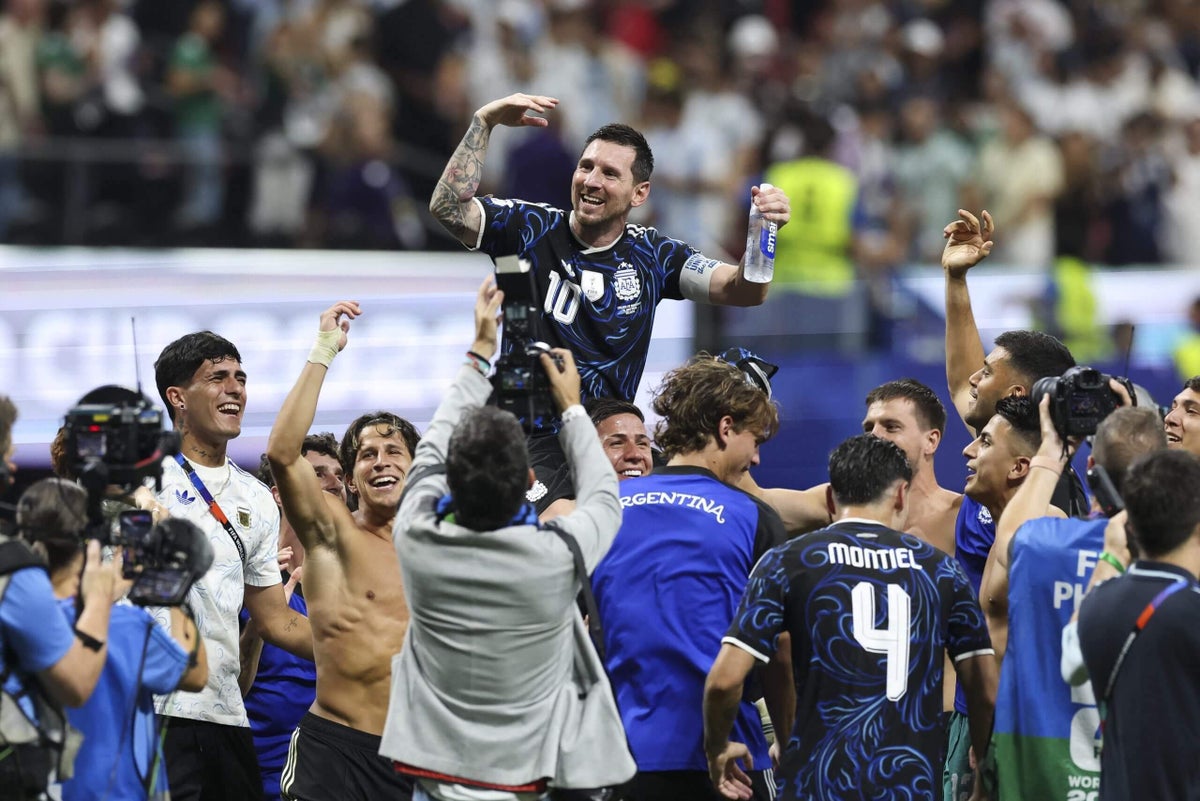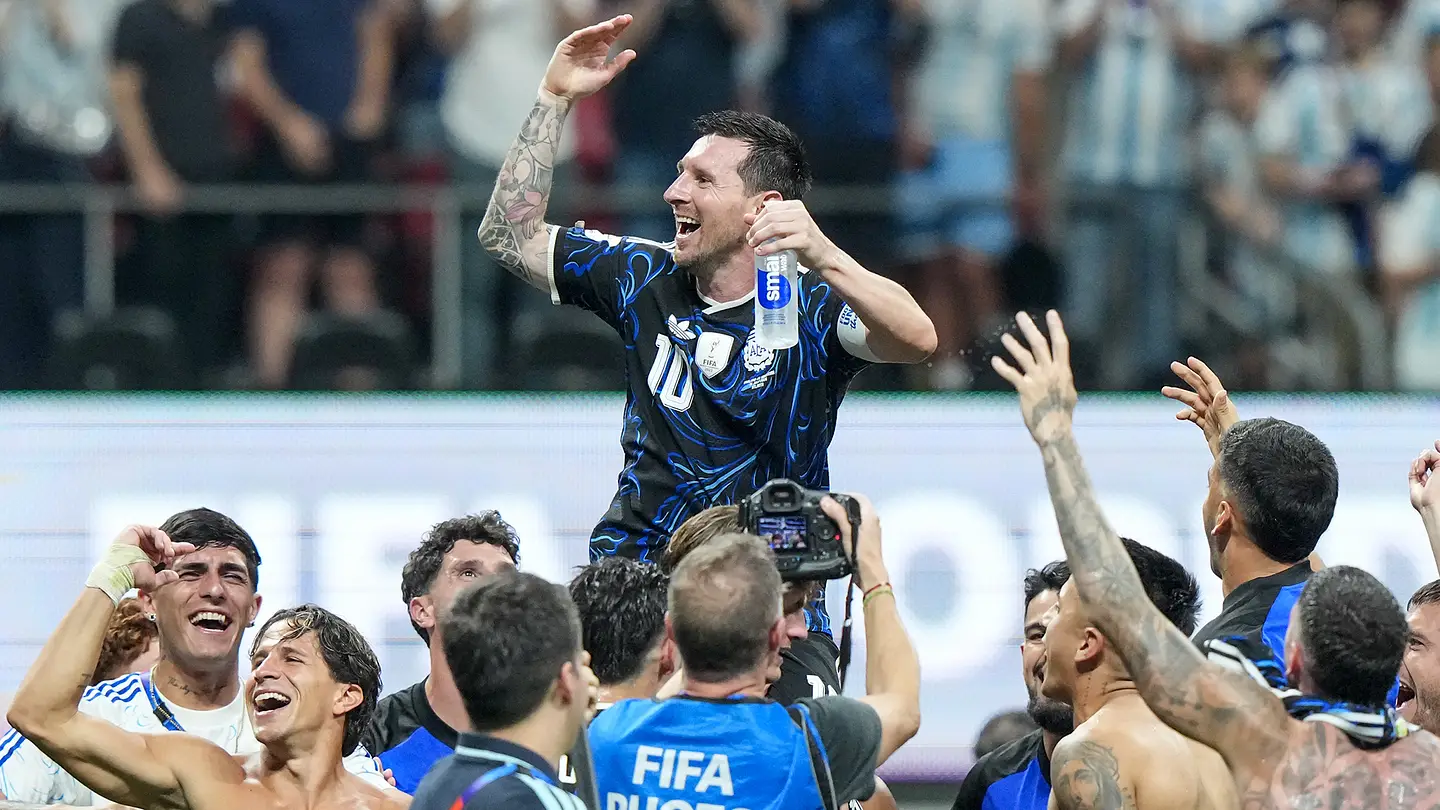
Argentina scored twice at the death to come from behind and beat England 2–1, keeping its title defense alive in an epic semifinal bout that will live on forever in World Cup folklore. The two bitter international rivals traded punches—almost literally—from the start and the game looked completely stuck until England found a breakthrough via Anthony Gordon, who got behind Nahuel Molina and tapped in the opener 55 minutes in. Between Thomas Tuchel’s conservative approach and Argentina’s never-say-die attitude, La Albiceleste dominated from that moment on, pushing England deep into its own penalty area and bombarding Jordan Pickford’s goal. England’s dam eventually broke when Enzo Fernández equalized from distance in the 85th minute and seven minutes later, Lionel Messi collected his second assist of the game when he beautifully teed up Lautaro Martínez, who headed La Albiceleste into the World Cup final from close range.Reigning champions for a reason. pic.twitter.com/CH3JNsQRZI— Sports Illustrated FC (@SI_FootballClub) July 15, 2026Argentina once again suffered but showcased its undeniable championship metal. Lionel Scaloni’s side responded with its backs against the wall to overcome by far its toughest test of the tournament so far.For the first time in history, the reigning European and South American champions will face off in the World Cup final. Argentina vs. Spain, the top two teams in FIFA’s rankings, will meet with eternal glory on the line. Only La Roja stand in the way of Argentina becoming the first back-to-back World Cup champion since Brazil over 60 years ago. Scaloni’s Faith in Rodrigo De Paul Runs OutRodrigo De Paul got benched against England. | Buda Mendes/Getty ImagesScaloni had been almost completely unwilling to make major changes to Argentina’s lineup despite getting pushed to the brink in all three knockout games. Against England, Scaloni finally shook up his setup, introducing Giuliano Simeone and sacrificing Rodrigo De Paul. Outside a glorious assist for Lionel Messi’s opening goal of the tournament, De Paul’s level this summer has been modest at best. Argentina’s midfield as a whole have struggled to control games throughout the World Cup, failing to replicate the level of dominance showcased in Qatar 2022. Although Enzo Fernández and Alexis Mac Allister are partly to blame, De Paul had been essentially a non-factor both in and out of possession in recent matches. Many questioned the midfielder’s decision to abandon Atlético Madrid to join Messi at Inter Miami last summer, judging his transfer premature considering he was still only 31. It’s not been an atrocious tournament from De Paul, but some of the pre-World Cup fear regarding his form has been validated given he’s struggled to deal with the high-intensity matches Argentina has played. Scaloni pivoting to Simeone made sense, adding a much more vertical, counter-attacking threat after acknowledging his midfield would likely fail to emphatically control the match once again. Sacrificing De Paul, given his subpar influence in recent games, also can’t be considered too surprising. A fresh De Paul did enter the contest when Argentina pushed forward searching for a comeback, and looked much better during his shortened cameo than he had in recent games. Argentina’s Strategy: Make This a Copa Libertadores AffairIt was a tense, physical and heated affair in Atlanta. | Erick W. Rasco/Sports IllustratedThe animosity between both teams dominated the pre-match talk and it didn’t take long for it to be emphatically translated onto the pitch—even beyond both sets of fans booing each other’s national anthems. From the moment the game started, Argentina’s game plan out of possession became abundantly clear: destroy. It’s as if every Argentine player was employing the century-old South American strategy that states, “the ball can pass me or the player can pass me, but never both.” As a result, the match became an absolute battle that resembled a high-intensity Copa Libertadores match. England looked the better side—if only slightly—during the opening exchanges. Slowly, though, La Albiceleste managed to dramatically slow down the rhythm of the match through constant fouls, and the Three Lions eventually embraced the mud fight and began mucking it out in the slop.By the time the first half ended, there had been three total shots combined and not a single one on target. On the other hand, Argentina registered 12 fouls to England’s seven. This “Copa Libertadores script” played right into the hands of one of Argentina’s generals: Leandro Paredes. The Boca Juniors midfielder thrives in this context, and tasked with almost single-handedly containing the brilliant Jude Bellingham—and Harry Kane whenever he dropped deeper to get involved. He frustrated the Real Madrid man with regular nudges, shoves and the occasional late kick. Argentina’s Fatal Flaw ExposedNahuel Molina’s face (left) after Anthony Gordon’s opener says it all. | Daniela Porcelli/Getty ImagesArgentina’s 2026 World Cup roster is almost a carbon copy of the squad that won the nation’s third star in Qatar. Although it wasn’t entirely surprising, the inability to find an upgrade at right back was overwhelmingly signaled as a potential Achilles heel. Against England, Nahuel Molina validated those fears. Scaloni spent the entire World Cup flip-flopping between River Plate’s Gonzalo Montiel and Molina—a player that registered just 13 stars in La Liga for Atlético Madrid last season. No matter which way Scaloni went in his decision, it seemed like whoever started struggled and the one that came off the bench fared better. Argentina fans even started making memes about the situation. Molina got the nod on Wednesday and five minutes from the hour mark, he made a brutal mistake that exposed Argentina’s fatal flaw. Molina got caught ball-watching, completely disregarding his marking assignment as Gordon strolled behind him to meet Morgan Rogers’s cross and tap England ahead. A simply egregious marking attempt from the Atlético Madrid right back. La Albiceleste found a way to overcome Molina’s dreadful mistake, but it’s clear that come the final, Spain will target Argentina’s fullbacks, and particularly Scaloni’s leaky right flank. England Opened the Door, Lionel Messi Took OverLionel Messi spearheaded Argentina’s comeback. | Erick W. Rasco/Sports IllustratedAs wild as it may seem, conceding first might’ve been the best thing that happened to Argentina. Tuchel, incredibly, decided one goal was all England needed and instantly retreated into an exaggerated low block, making defensive substitutions that welcomed Argentina’s pressure. The gamble paid off for Tuchel’s England against Mexico, but Argentina is a completely different beast because of the wide array of alternatives and world class talents it boasts from the midfield onwards. None bigger than Messi. Messi took over the game in the second half an began orchestrating Argentina's reaction, whipping crosses that easily could’ve resulted in an earlier equalizer. Finally, Messi found Fernández near the edge of the box and the Chelsea man scored a screamer—an action almost identical to one in which he hit the post against the Netherlands in Qatar 2022. Once Fernández equalized five minutes from time, it felt the stage was perfectly set for Argentina to win it before extra time and Messi obliged.As if he wasn’t only days removed from turning 39, Messi got away from two defenders down the wing and floated a perfect cross for Martínez to score the winner in the second minute of stoppage time. Messi took a trip back to when he was a 19-year-old winger playing in his first World Cup back in 2006, and that’s what it took for Argentina to complete yet another miraculous comeback. Tuchel’s conservative approach will unquestionably result in harsh yet fair criticism. Still, when Argentina was presented with the opportunity, it was Messi, once again, who spearheaded another spectacular comeback. Two assists, the most chances created (four), the most successful dribbles (nine), against England in a World Cup semifinal. Another simply legendary performance from the greatest player of all time. Messi will play in his third career World Cup final, and even at this stage of his career, he remains the biggest difference maker for the greatest, most successful side in Argentina’s history. READ THE LATEST WORLD CUP NEWS, ANALYSIS AND INSIGHT FROM SI FCAdd us as a preferred source on GoogleFollow
Four Takeaways From Argentina’s Messi-Led Miracle to Set Up World Cup Final
Argentina’s World Cup title defense is still alive thanks to a simply unbelievable turnaround against England.
1,333 words~6 min read