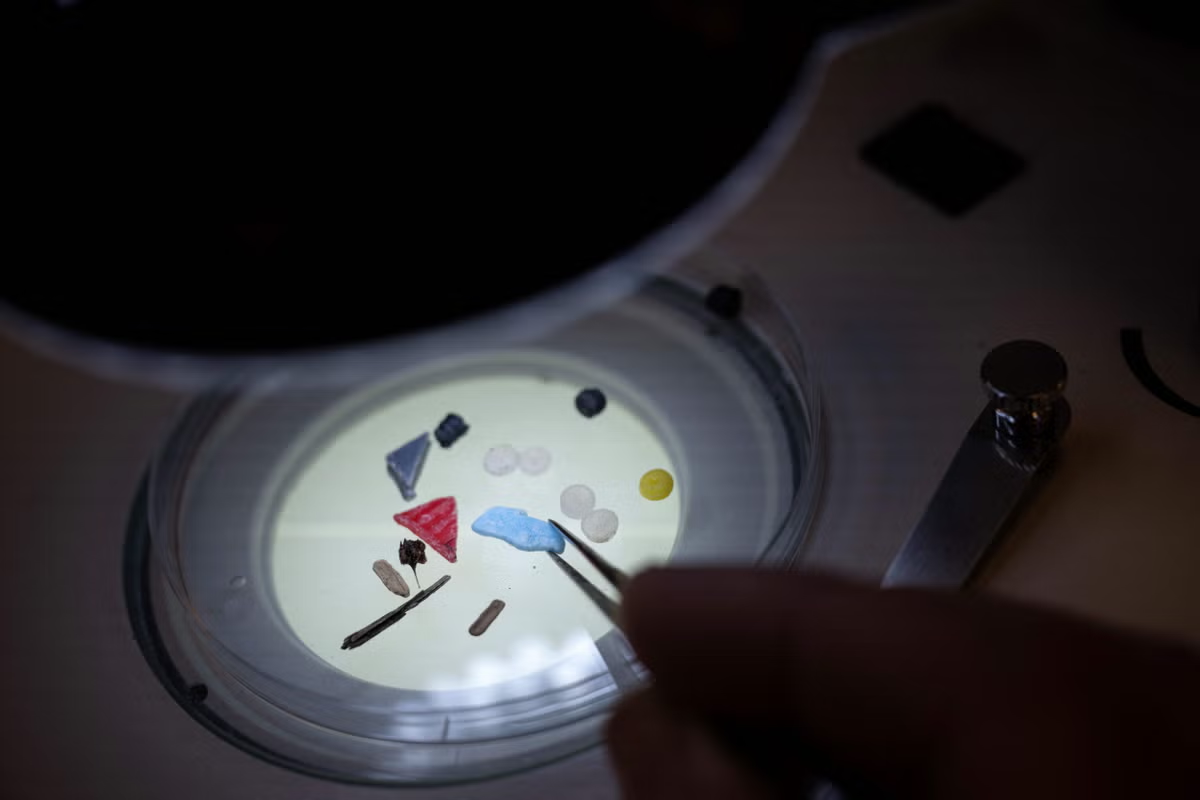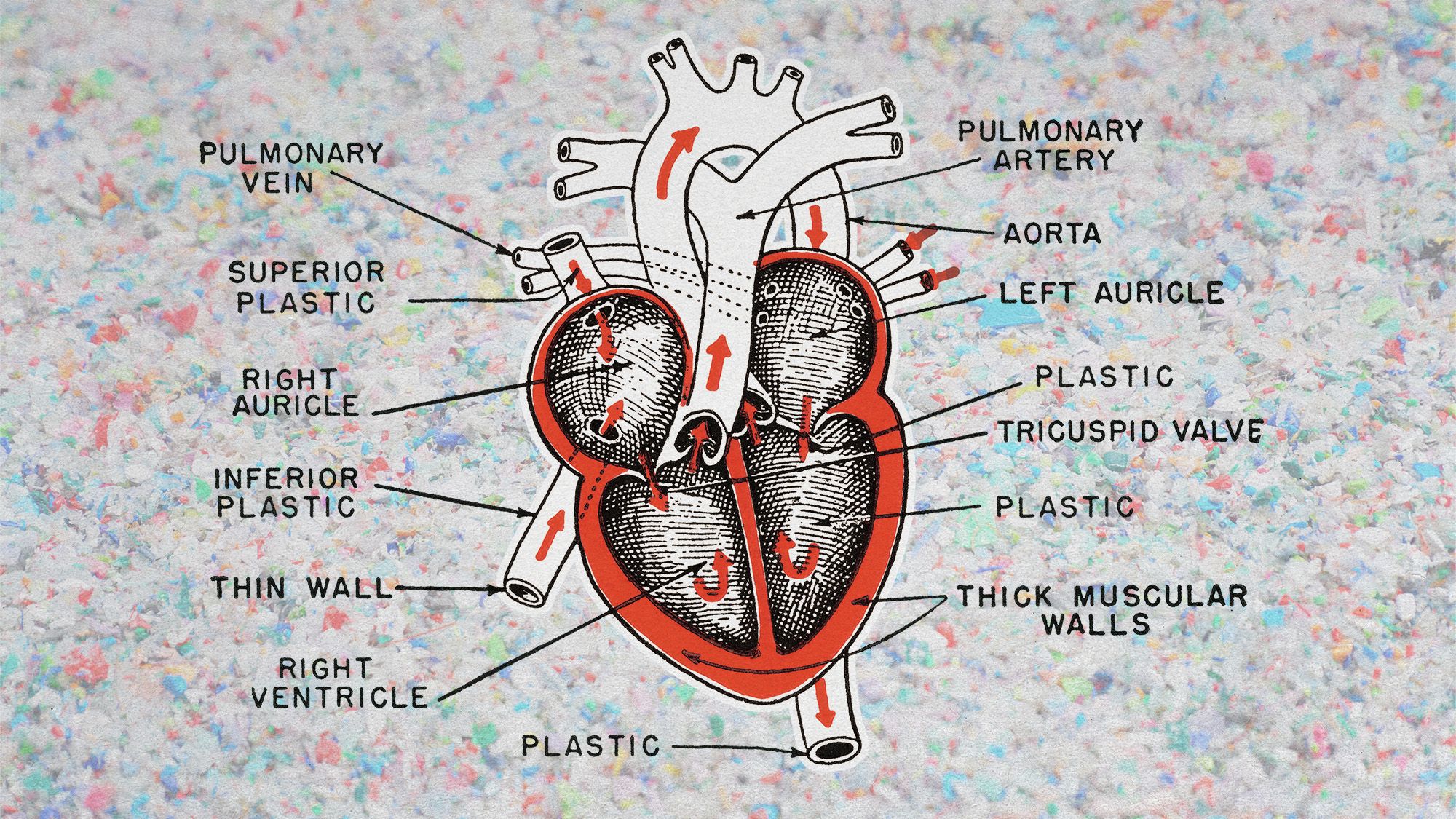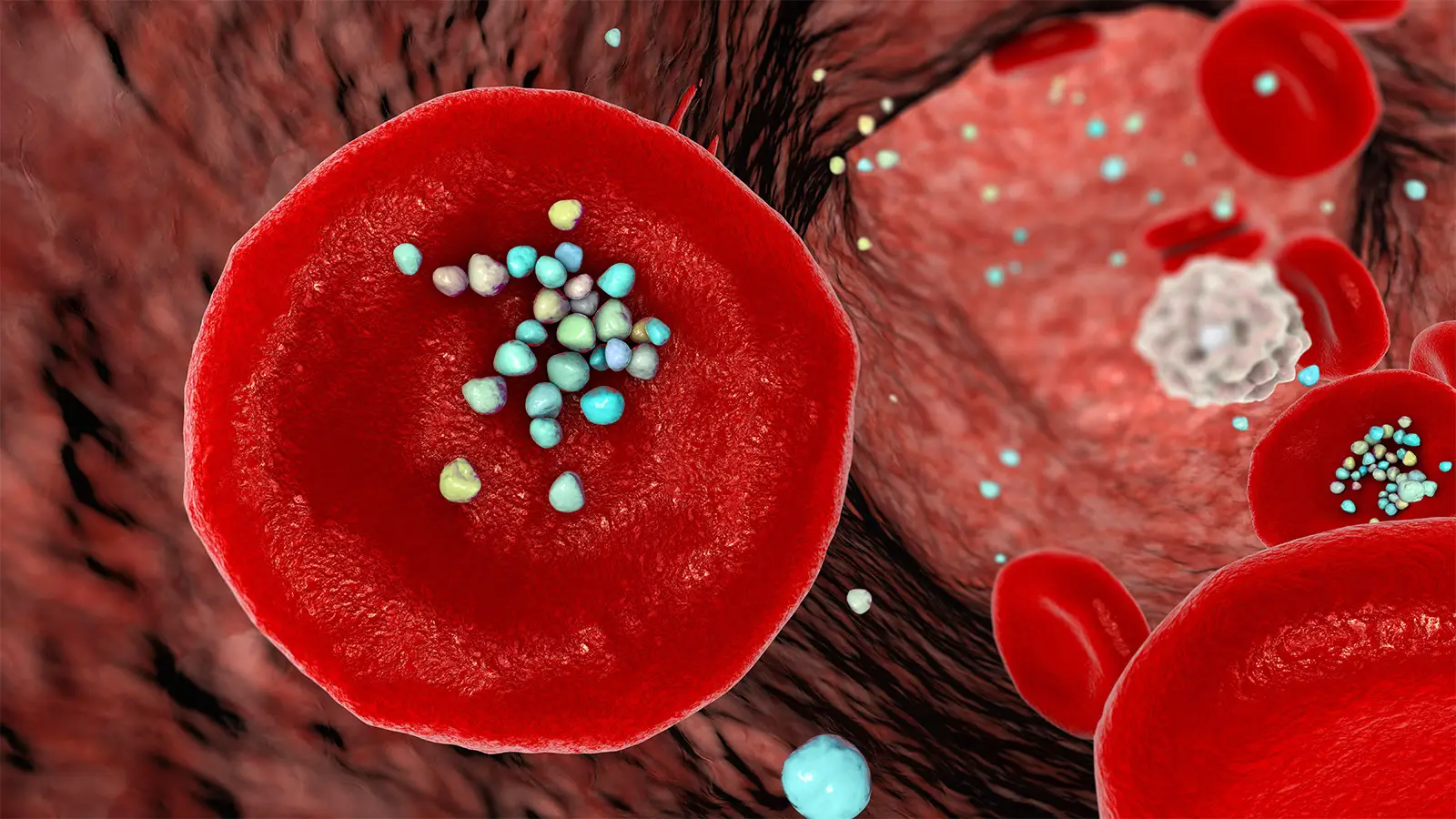
A small 61-person study assessed the burden of microplastics and nanoplastics across the spectrum of coronary artery disease (CAD) via in vivo detection and quantification.STEMI patients were shown to harbor higher levels and more diversity of these plastic particles compared with chronic coronary syndrome and control cohorts.Micro- and nanoplastics detection frequently co-occurred with elevated inflammatory biomarkers, greater PM2.5 exposure, and smoking, suggesting a potential association between these environmental exposures and CAD.
Among people undergoing coronary angiography for suspected coronary artery disease (CAD), heart attack patients stood out for having higher microplastics and nanoplastics in their blood, a small Italian study found.
People with ST-segment elevation myocardial infarction (STEMI), chronic coronary syndromes (CCS), and normal coronary arteries had distinct findings when it came to blood sampled during the invasive procedures:Frequency of any detection of microplastics and nanoplastics: 84.2%, 40%, and 31.8%, respectively (P=0.002)Concentration of microplastics and nanoplastics in coronary blood: median ~1.2 µg/ml vs 0.3 µg/ml vs 0.3 µg/ml (P<0.001)Concentration of microplastics and nanoplastics in peripheral blood: median ~1.4 µg/ml vs 0.3 µg/ml vs 0.3 µg/ml (P<0.001)Polymer diversity: median of three polymers vs 0 vs 0 (P<0.001)