Audio By Vocalize
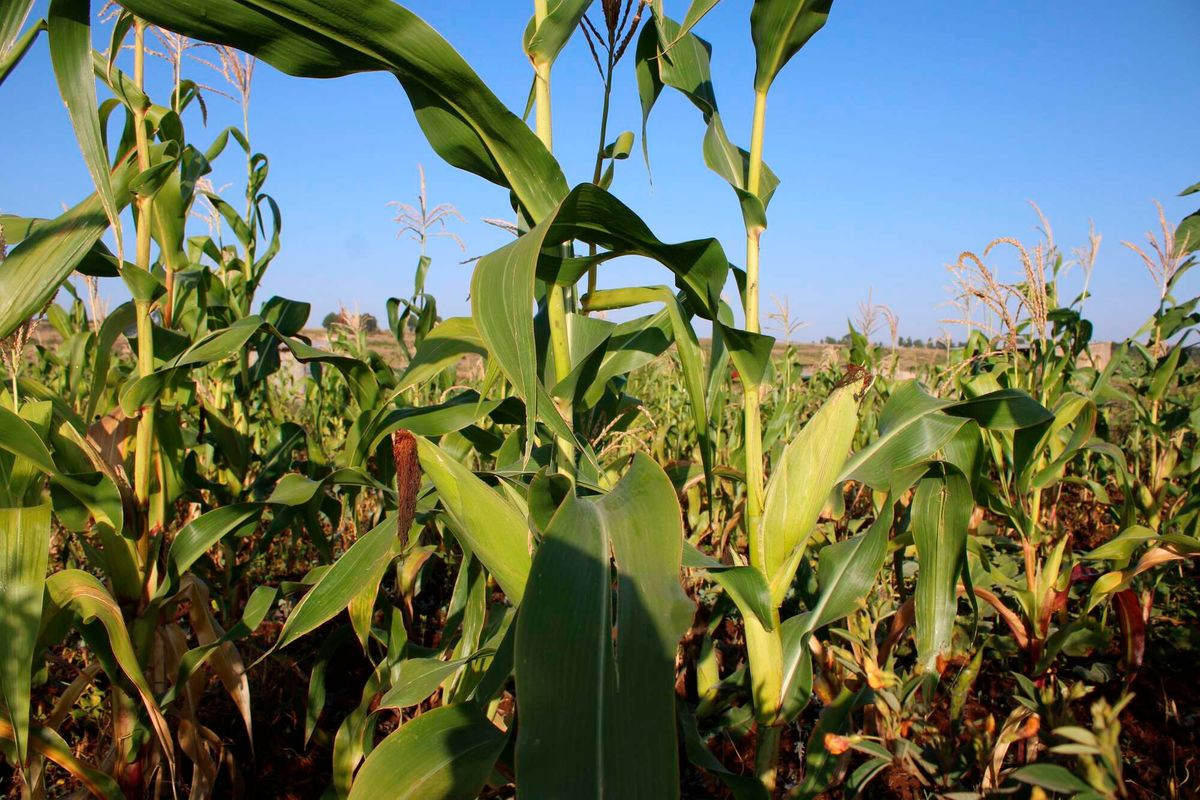
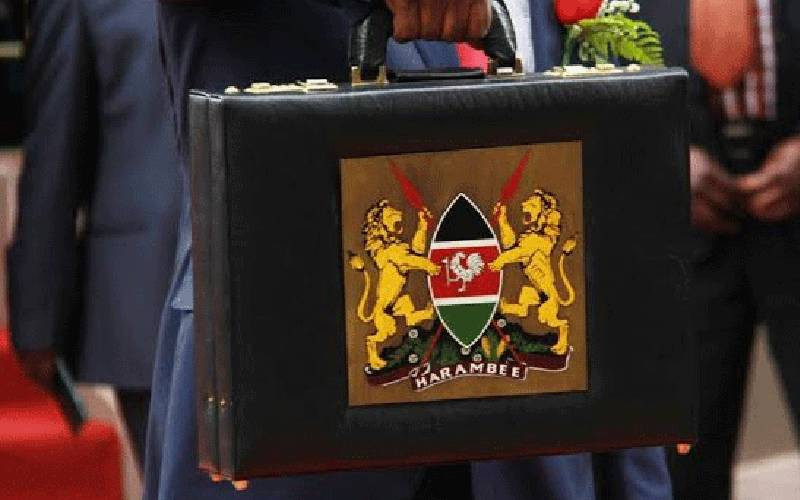
The government’s allocation of Sh386.1 billion to finance various value chains in the 2026-2027 Financial Year signals its commitment to create economic opportunities and spur jobs. The investments target priority value chains such as leather and leather products, textile and apparel, dairy, tea and coffee, rice, edible oils, blue economy, minerals, construction and building materials, apiculture, pyrethrum, beef, potatoes, maize, and poultry.
While such investments are expected to enhance productivity and competitiveness, their true success will depend on one critical factor: Inclusivity. That is, who will benefit from this transformation?
Traditionally, value chain development focuses on improving productivity and competitiveness. This is achieved by addressing bottlenecks that limit growth, including access to markets, finance, technology, skills, information and infrastructure. When these barriers are removed, businesses can become more productive, investments increase and economic opportunities expand.
However, growth alone is not enough. For value chains to become true engines of socio-economic transformation, they must also be inclusive.