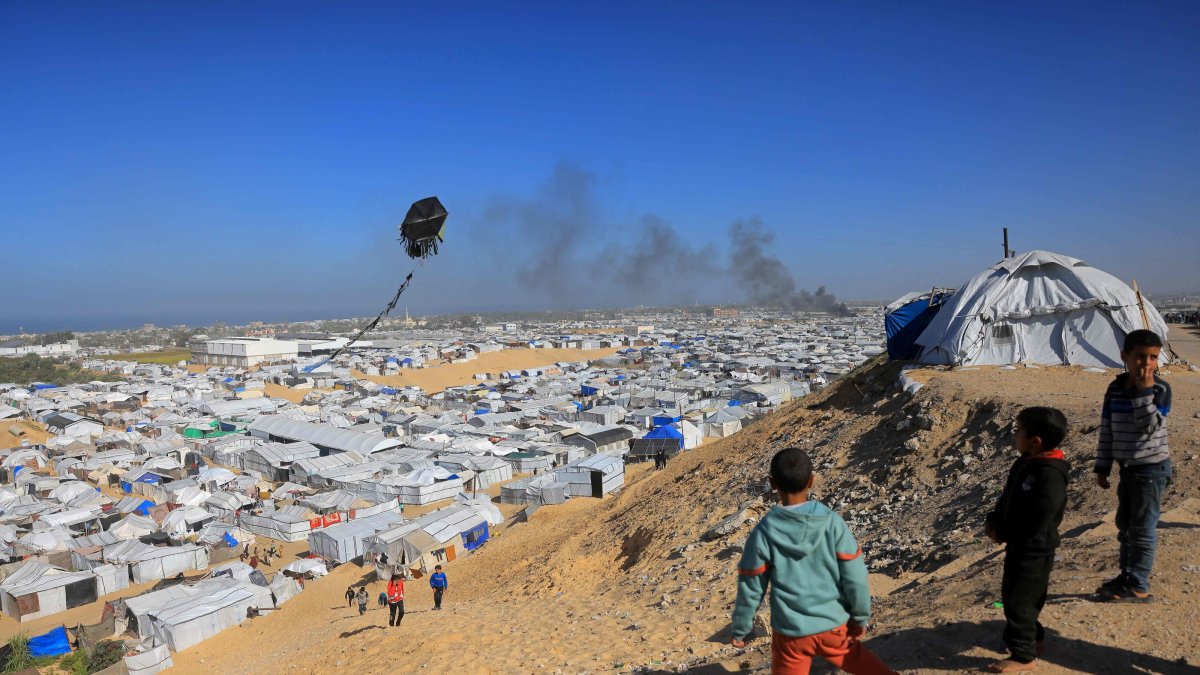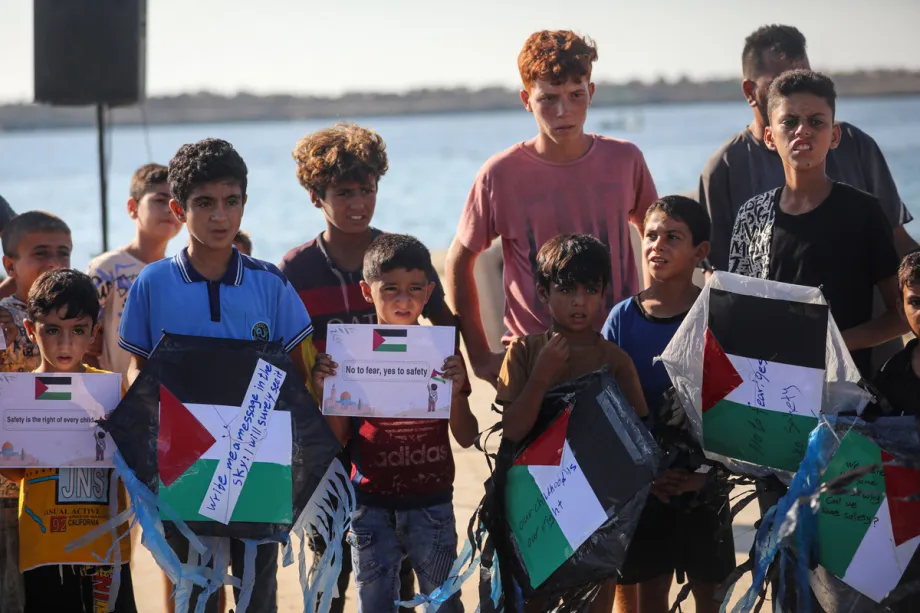
Under a cloudless sky, shrieks of youthful joy pierced the air as a kite took flight. Two children sang as they turned the rope for their jumping companion, smiling when younger ones interrupted the game in pursuit of a runaway toy. The sounds and activities were familiar; they could have come from any neighborhood across the U.S.
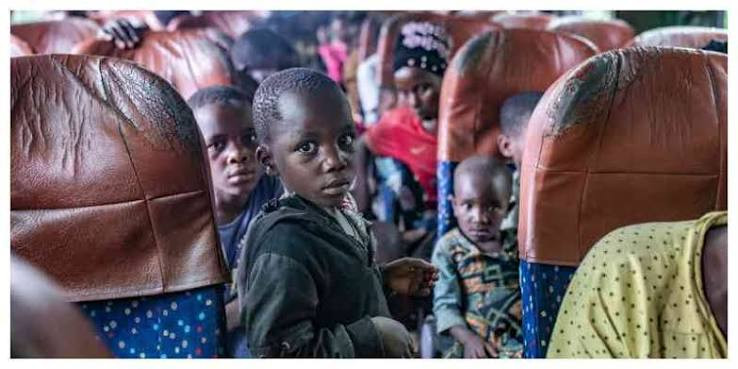
In reality, these children were refugees living in a camp hastily arranged in a remote area of Ethiopia. They had been forced from their homes into desolate living conditions and, in some cases, they were witnesses to or victims of traumatic events that no human should ever experience, much less a child. And yet, here they were, embodying the resilience of youth, maintaining their innocence through play.
As pediatricians who have worked with forcibly displaced groups around the world, we have witnessed these scenes and been amazed by the ability of children to create joy, even in the direst of situations. That is, until we stepped foot in immigration detention centers for families in our own country.
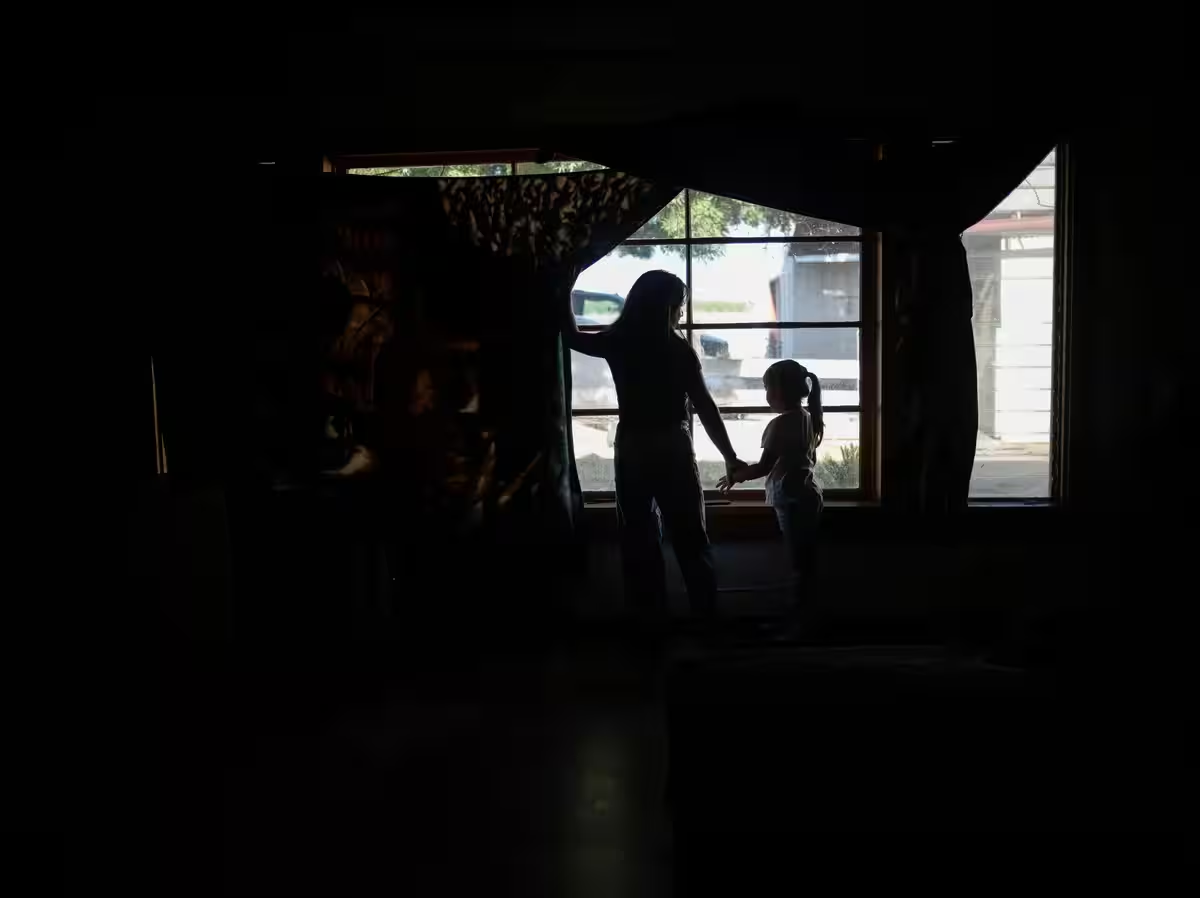
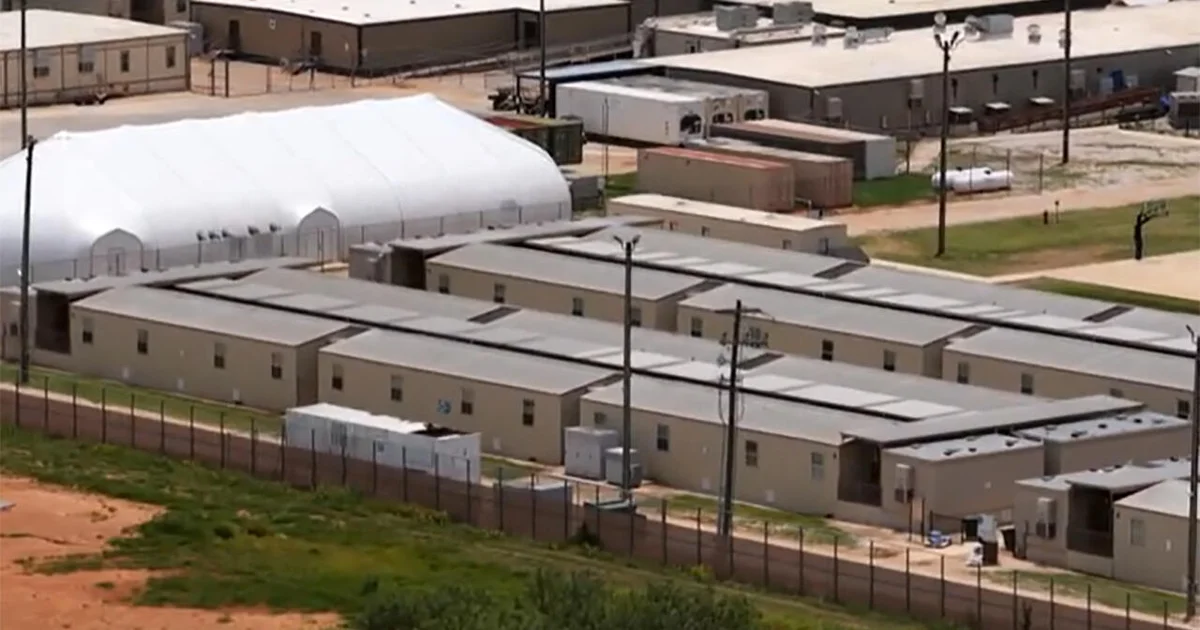
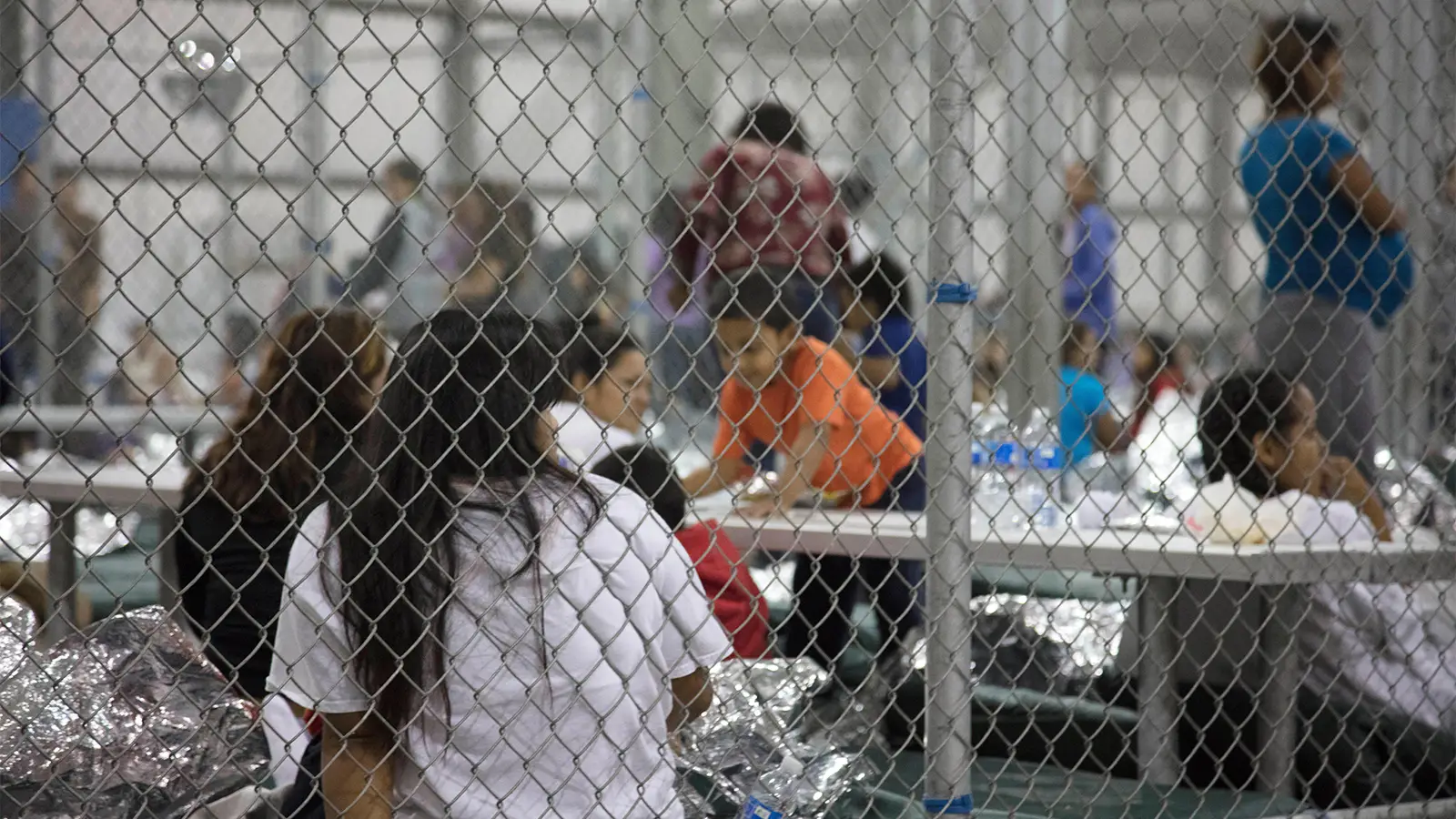
When we visited family detention facilities under the first Trump administration, we did not witness the joyful innocence of children. What we saw were children of all ages -- including teenagers -- constantly in close proximity to their parent(s), so afraid of being separated that they remained in physical contact at all times. Large play structures sat empty, and the air was eerily quiet. There was no joy there. In its place, there was an overwhelming sense of fear of what the future may hold.