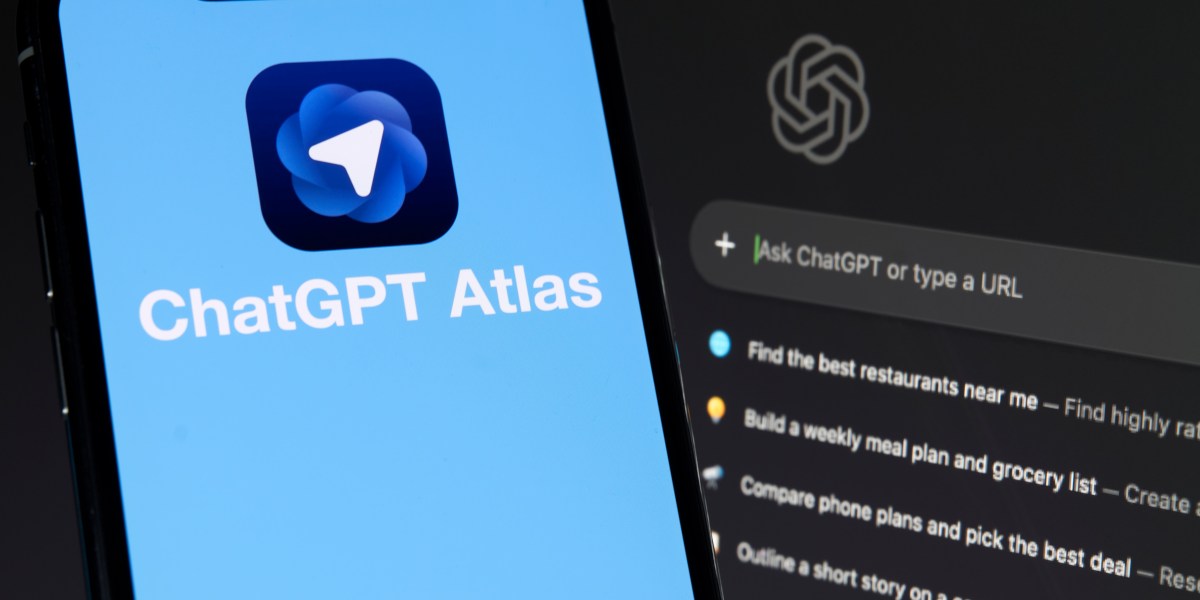
The agent mode in ChatGPT Atlas is one of the most comprehensive agent features OpenAI has shipped to date. The browser agent can view web pages and perform actions—clicks and keystrokes—just like a human user. This makes it an easy target for prompt attacks. But AI models that simply read text on websites can also be hacked this way, as already happened with OpenAI's Deep Research in ChatGPT. Germany's BSI has already issued a warning about these prompt attacks.
A security problem that may never go away
Prompt injection attacks aim to manipulate AI agents through embedded malicious instructions. These instructions try to overwrite or redirect the agent's behavior—away from what the user wants and toward what the attacker wants.
The attack surface is virtually unlimited: anywhere an LLM reads text can be a target. Emails and attachments, calendar invitations, shared documents, forums, social media posts, and any website.
Since the agent can perform many of the same actions as a user, a successful attack can have broad consequences, from forwarding sensitive emails and transferring money to editing or deleting cloud files.