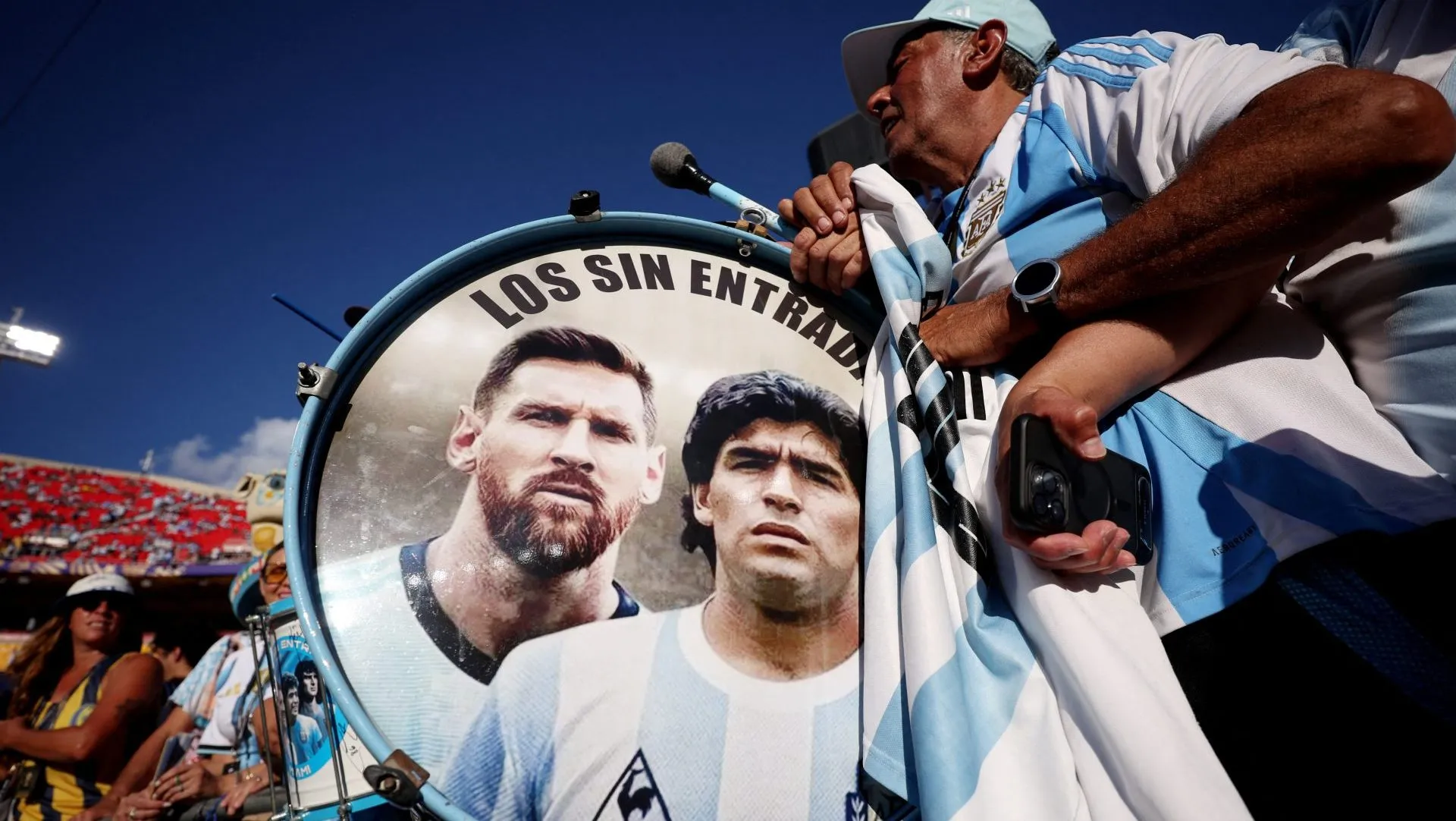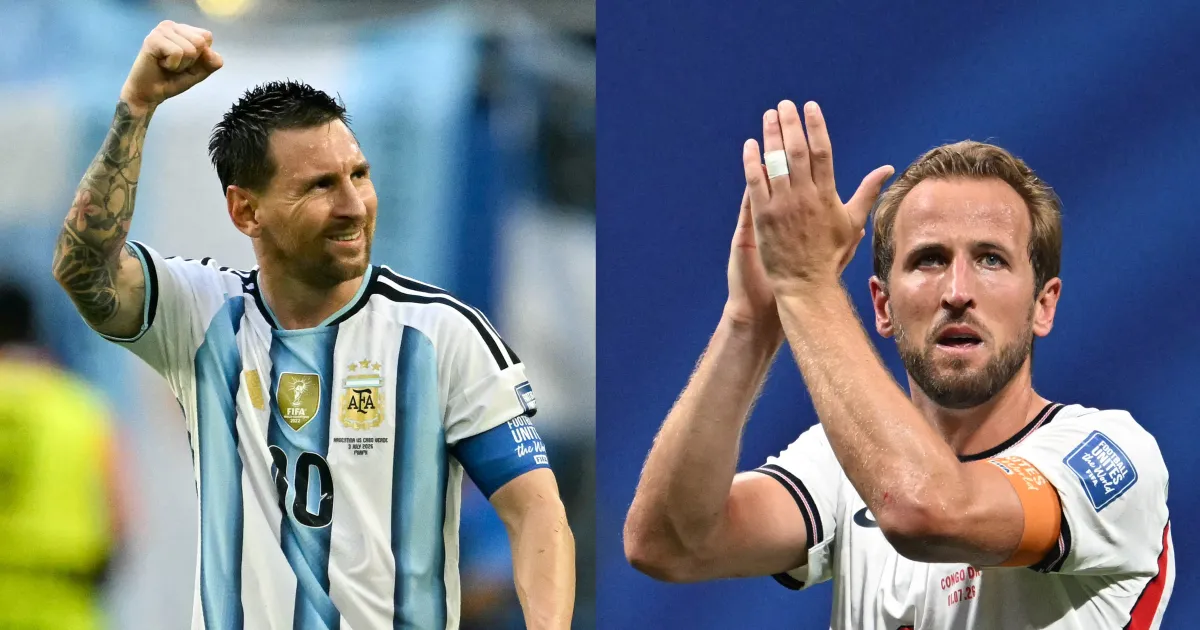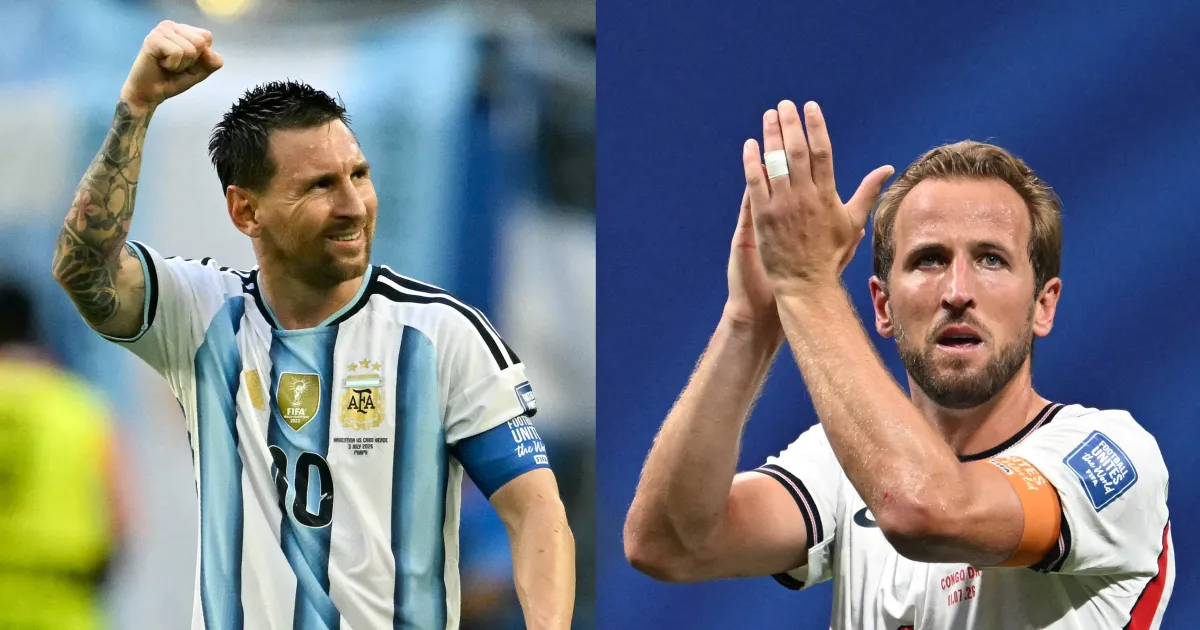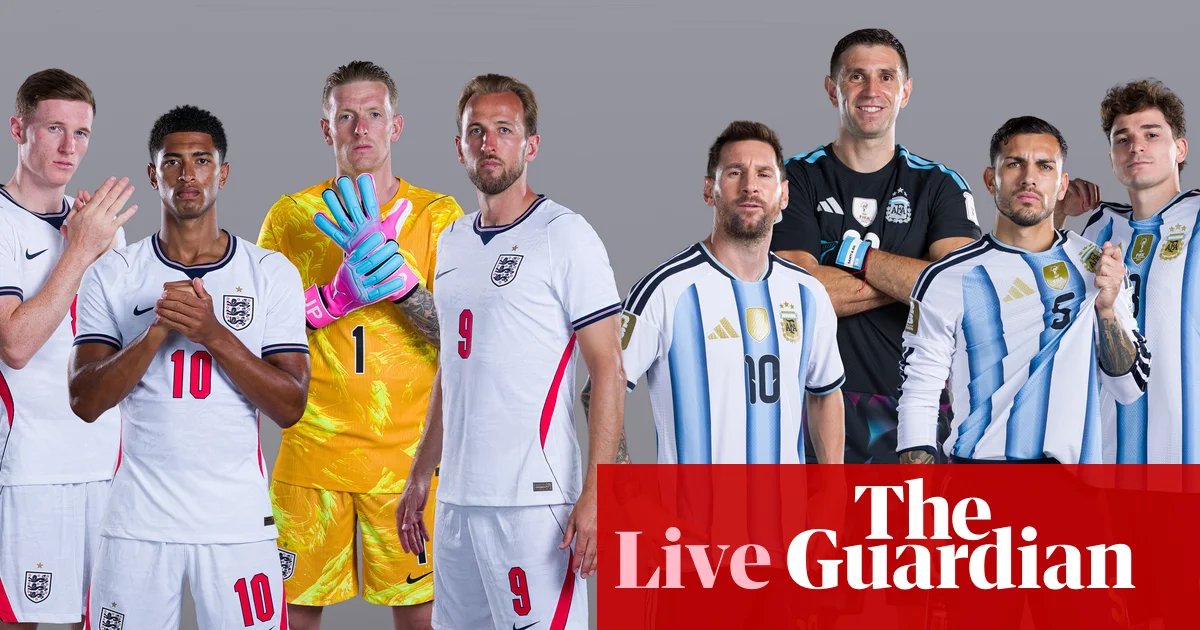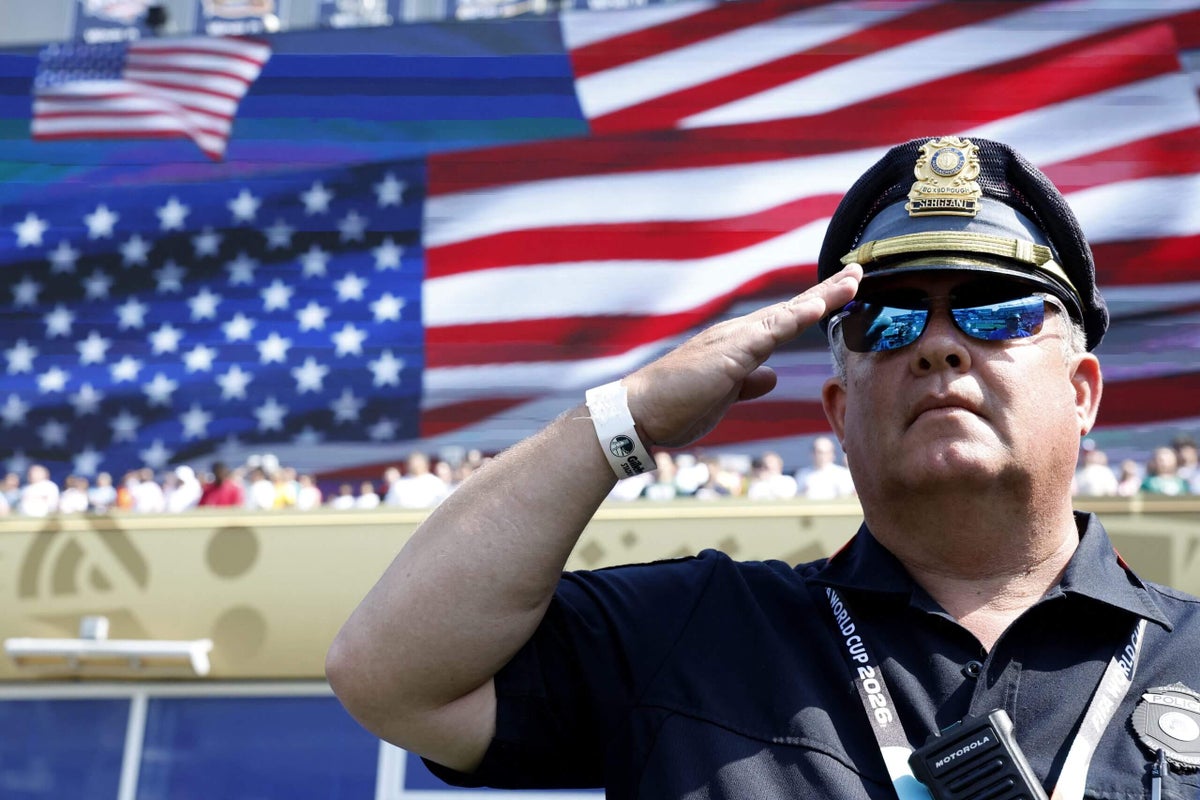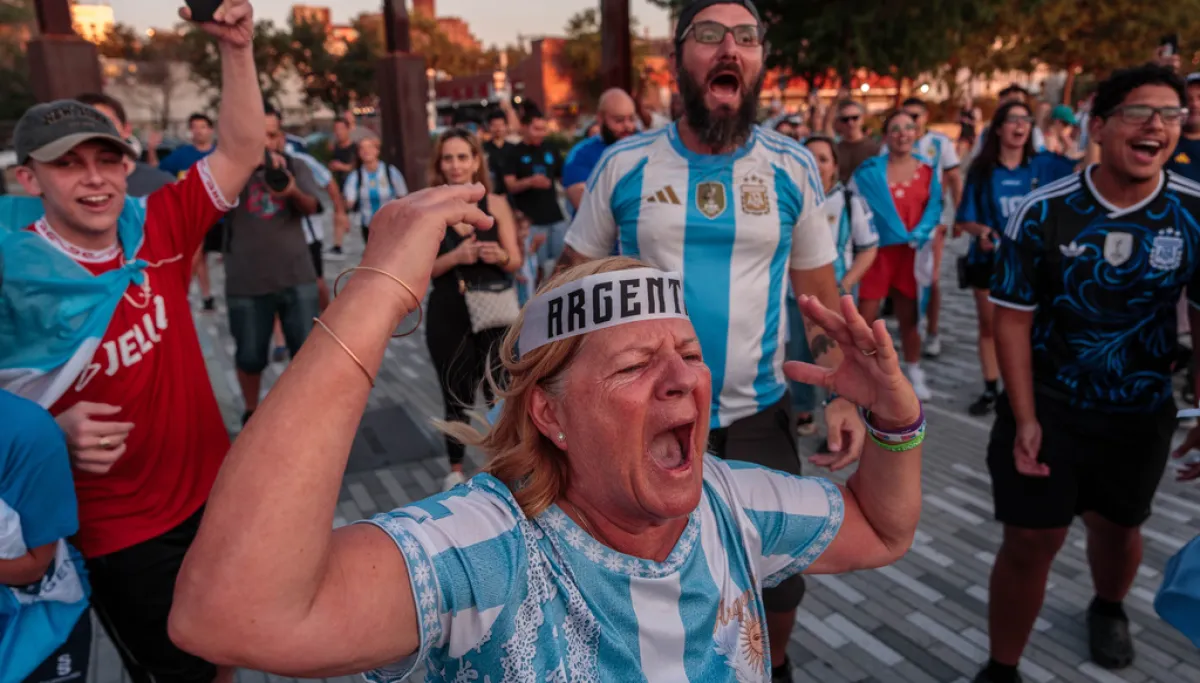
The World Cup is no stranger to political undertones, but Wednesday’s semifinal between England and Argentina is a whole different ballgame.The match will be played Wednesday in Atlanta, but the thoughts of each team and a host of fans will be 6,100 miles southeast, on an island archipelago 300 miles off the coast of Argentina. The Falklands, as it’s known by Britons, and the Malvinas, by Argentinians, have played a symbolic and psychological role in both countries far exceeding their actual utility.Trash-talking around the match has veered away from player behavior to instead feature references to the ARA General Belgrano, Goose Green, Margaret Thatcher, and competing historical and legal justifications of who should own the string of islands in the deep south of the Southern Hemisphere. Security had to be beefed up around the match, and several fights broke out in Atlanta between opposing fans.
The feelings of Argentinians and English are still raw over the island, with thousands of people in each country able to count a relative who was killed in the 1982 war over the territory.The rivalry today
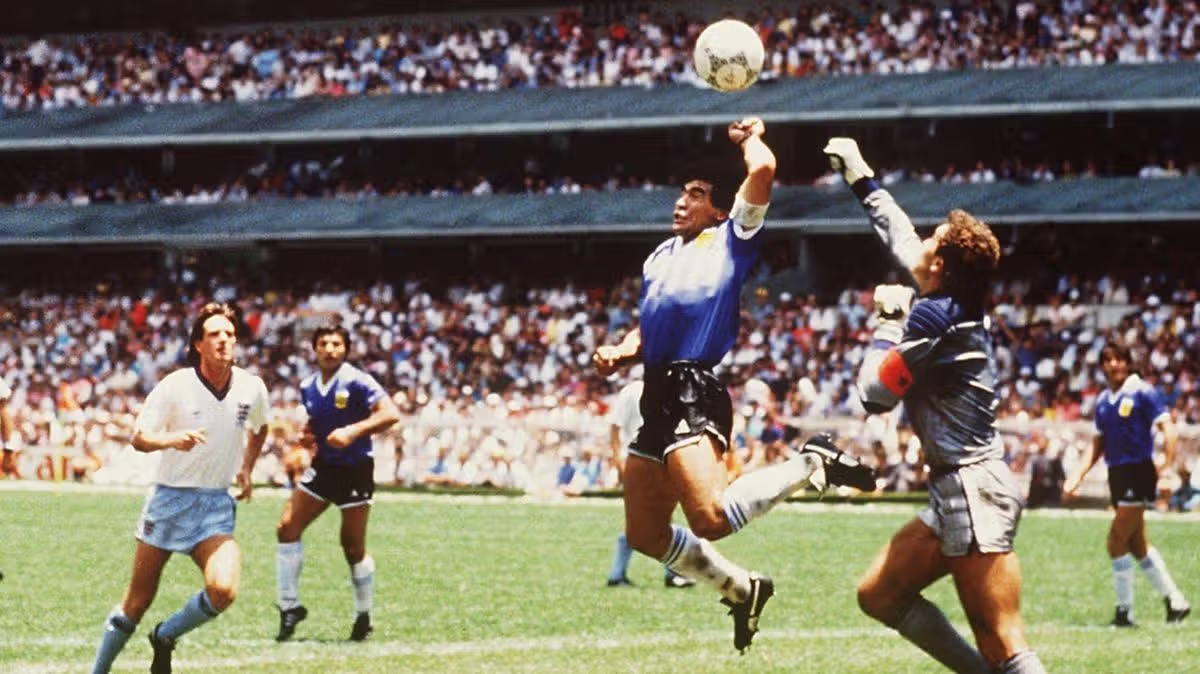
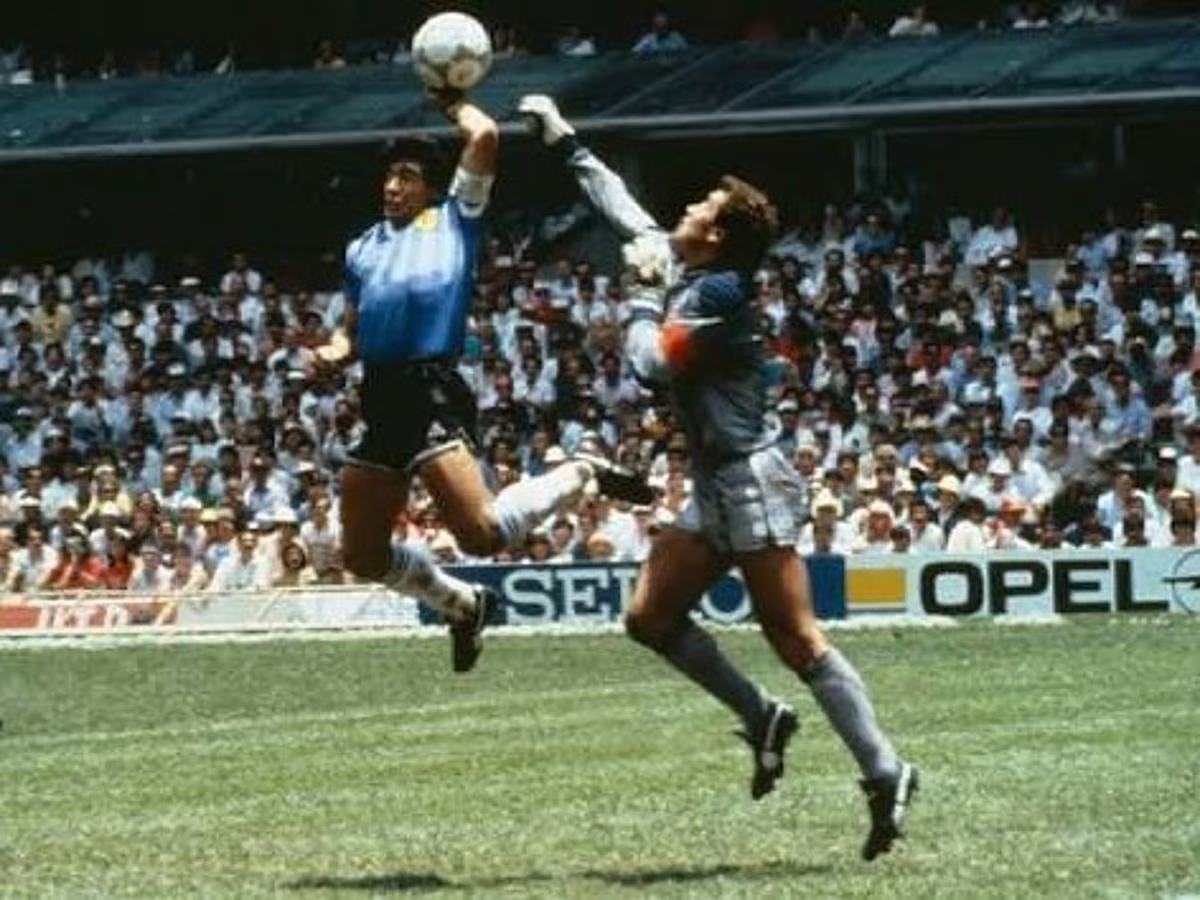
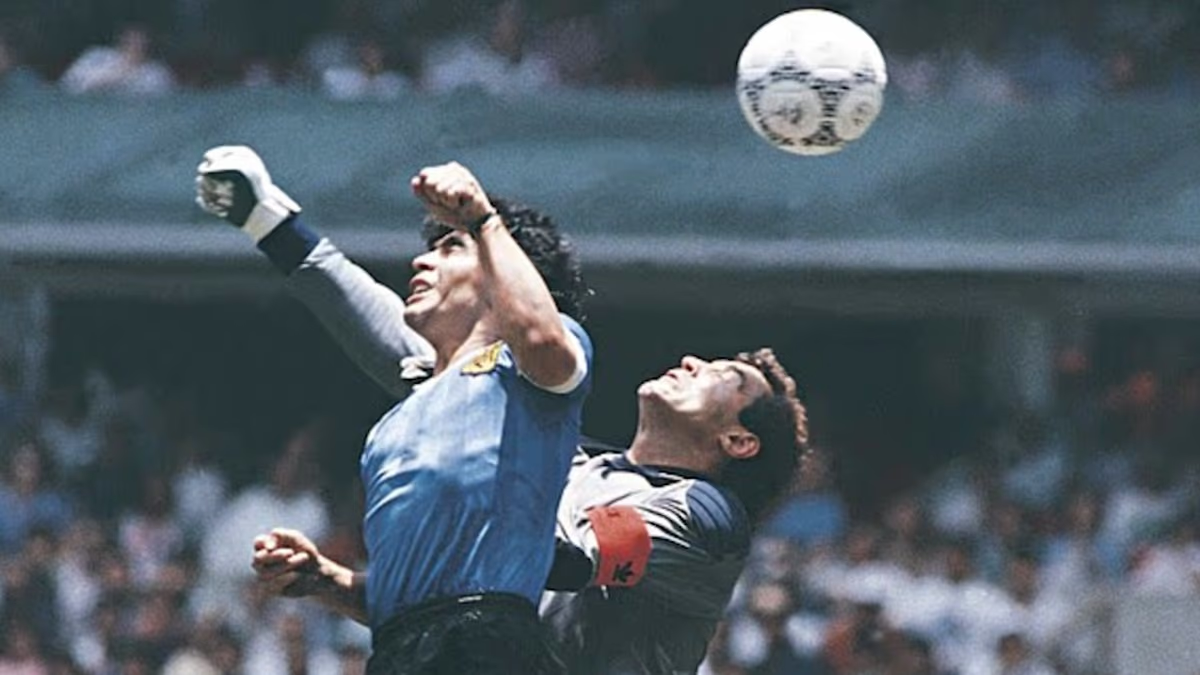
After the guns fell silent in 1982, Argentinians and Britons turned to another method of fighting for the Falklands — soccer.The soccer rivalry extends back to 1966, when England beat Argentina on home soil on its way to winning their only World Cup trophy. In the quarterfinal, England scored a controversial goal, Argentinian captain Antonio Rattin had to be forcibly removed from the pitch, and England manager Alf Ramsey called the opponents “animals” and forbade his team from swapping shirts at the final whistle. The clash was so bad-tempered that it led to FIFA introducing the now-universally known disciplinary system of yellow and red cards.Fast forward to the 1986 World Cup in Mexico, when tensions still lingered four years after the Falklands War, and Argentinian superstar Diego Maradona scored two of the most notorious goals in tournament history. One of them was the infamous “Hand of God,” when Maradona scored the goal with his left hand, but it wasn’t noticed by the referee. Minutes later, he proceeded to dribble his way through the entire England team to score one of the best goals ever, enough for a 2-1 victory.Another chapter in their rivalry emerged with the 1998 World Cup, when the two sides met in the second round. Rising English superstar David Beckham was sent off when he kicked Diego Simeone, who exaggerated the impact. The two sides drew 2-2 in 90 minutes, and England ultimately lost on penalties. Beckham became a villain at home in England but ultimately redeemed himself in the 2002 World Cup when the two sides met in the group stage, and he scored a decisive penalty to seal a 1-0 win for England.Wednesday’s clash sets up their first World Cup encounter since 2002. They have only played each other once since then, a 2005 friendly, which England won 3-2. By a quirk of scheduling, Argentina’s Lionel Messi has never played England.The semifinal in Atlanta sets up another match where the two soccer titans will get to take out their frustrations swirling around national pride against one another, at a time when Argentinian President Javier Milei is reviving the Falklands dispute in the diplomatic sphere.Why the disagreement over ownership?