SpaceX shares are approaching critical lows. What’s behind SPCX weakness?
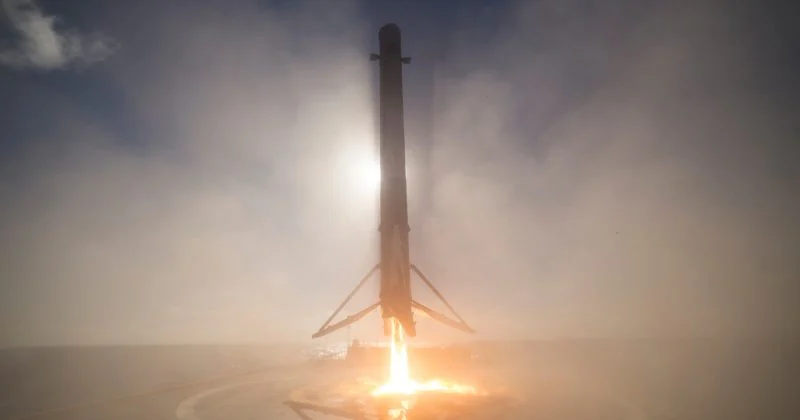
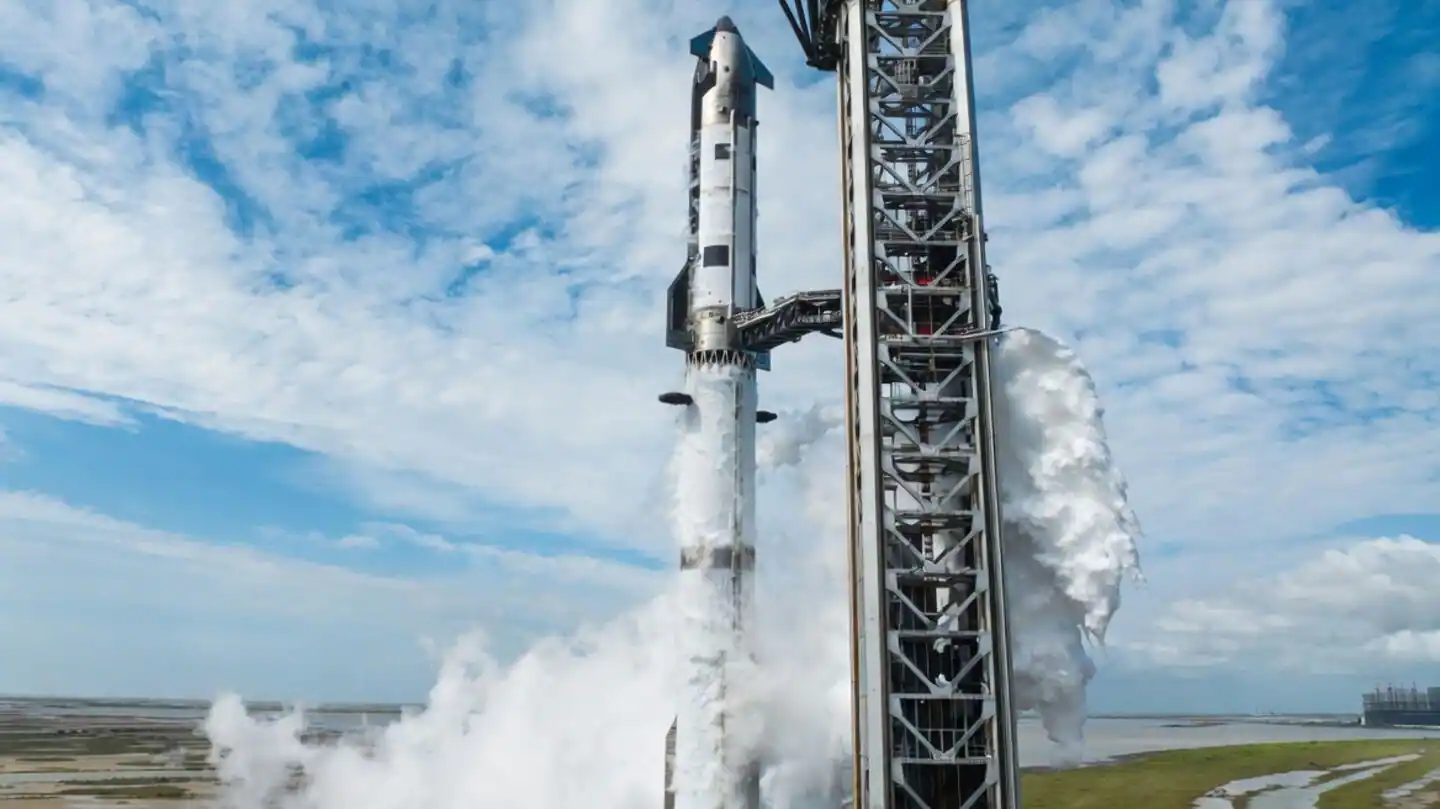
SpaceX Slips Below Its IPO Price for the First TimeThe breach of the $135 initial offering price marks a notable moment for one of the most anticipated public listings of all time. Shares that debuted with enormous fanfare have now surrendered all of their gains from the opening print, falling more than 30% from highs of approximately $225. The drawdown puts early buyers who purchased at or above the IPO price underwater for the first time since the stock began trading.Starship’s Thirteenth Flight Test Looms as the Next CatalystEngineers have made a series of targeted fixes based on what went wrong during the twelfth flight. A timing issue with engine startup at stage separation caused the Super Heavy booster to flip in the wrong direction by roughly 90 degrees, and the ignition sequence has since been reworked to handle variability more reliably.The upper stage has its own set of objectives. Starship will attempt to deploy 20 Starlink V3 satellites, reignite a single Raptor engine during the orbital phase and execute a controlled descent ending in a splashdown in the Indian Ocean. Engineers also addressed the engine loss that occurred roughly 40 seconds after stage separation on the prior flight, when one of three vacuum-optimized Raptor engines shut down unexpectedly.SPCX Critical Levels To WatchSpaceX shares are trading about 15% below the 20‑day SMA at $158.52, a level that often acts as a line in the sand for short‑term momentum traders. The market does not need to abandon the long‑term thesis to pressure the stock; it only needs to decide the most recent leg ran too far, too fast.MACD is the clearest read on that shift. It sits below its signal line and the histogram is negative, which points to upside pressure fading versus the prior upswing unless buyers can reclaim that baseline. The failure to hold June’s highs adds to the impression that distribution and profit‑taking are driving the tape as investors continue to weigh the impacts of future unlocks.For traders, the debate is narrowing into a tight corridor: