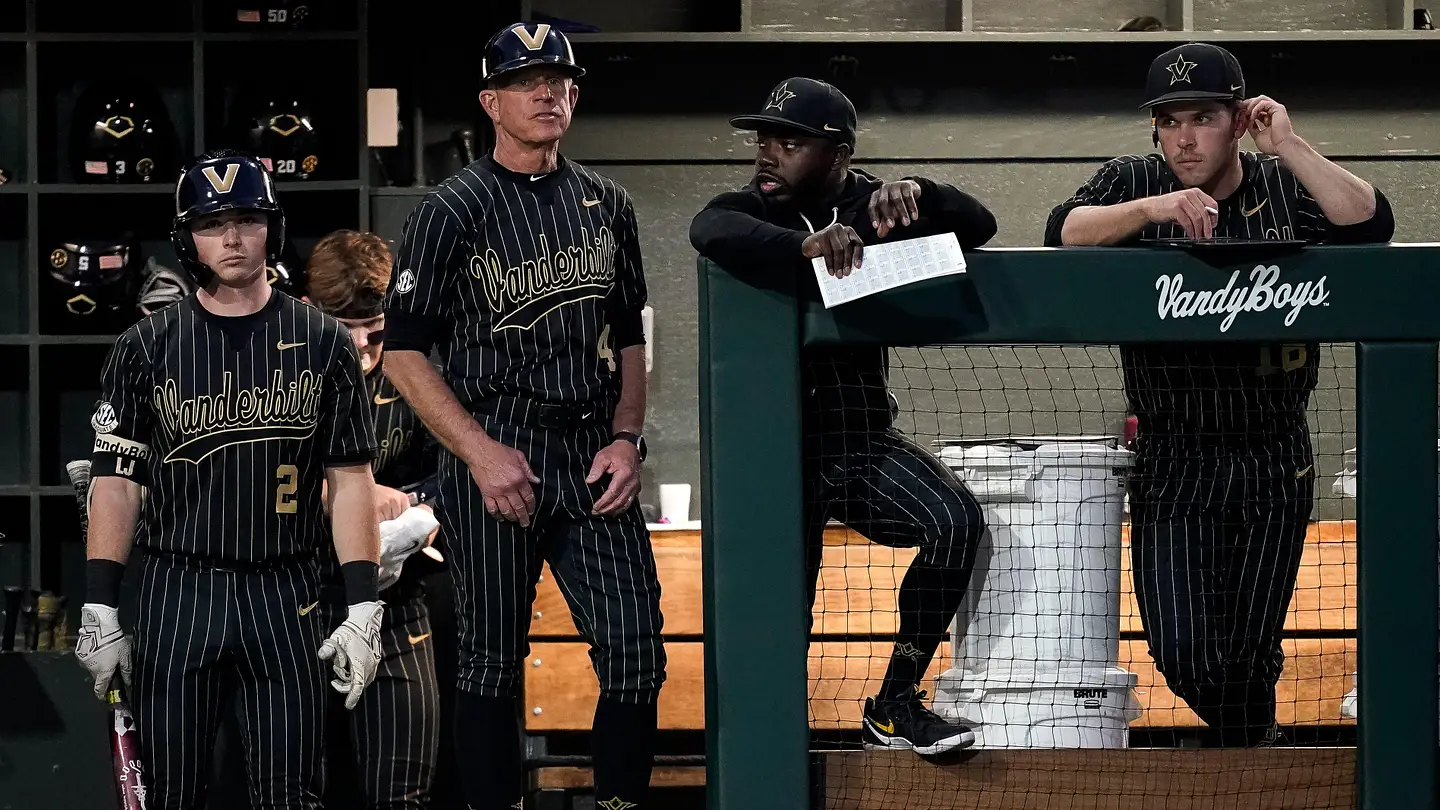
The Automated Ball-Strike (ABS) challenge system is working in its debut season for Major League Baseball, it got positive reviews after it was used experimentally at the SEC tournament in May, and now it’s coming to college baseball at large.The NCAA rules subcommittee approved the use of ABS for games in the 2027 college baseball season in which the technology is available, according to a Baseball America report. The NCAA’s baseball oversight committee would still have to give final approval.Vanderbilt coach Tim Corbin, who serves on the baseball rules committee and was part of Wednesday’s discussions, did not confirm voting results but told The Athletic there was a “positive discussion” on ABS.“From my perspective, it has been one of the more positive rules experiments we’ve had in recent years,” Corbin said Wednesday. “The feedback from coaches, players and umpires has been encouraging, and the committee recognizes its potential to improve competitive integrity while preserving the human element of the game.”West Virginia coach Steve Sabins, reached by The Athletic about ABS in college baseball, said: “Let’s do it.”
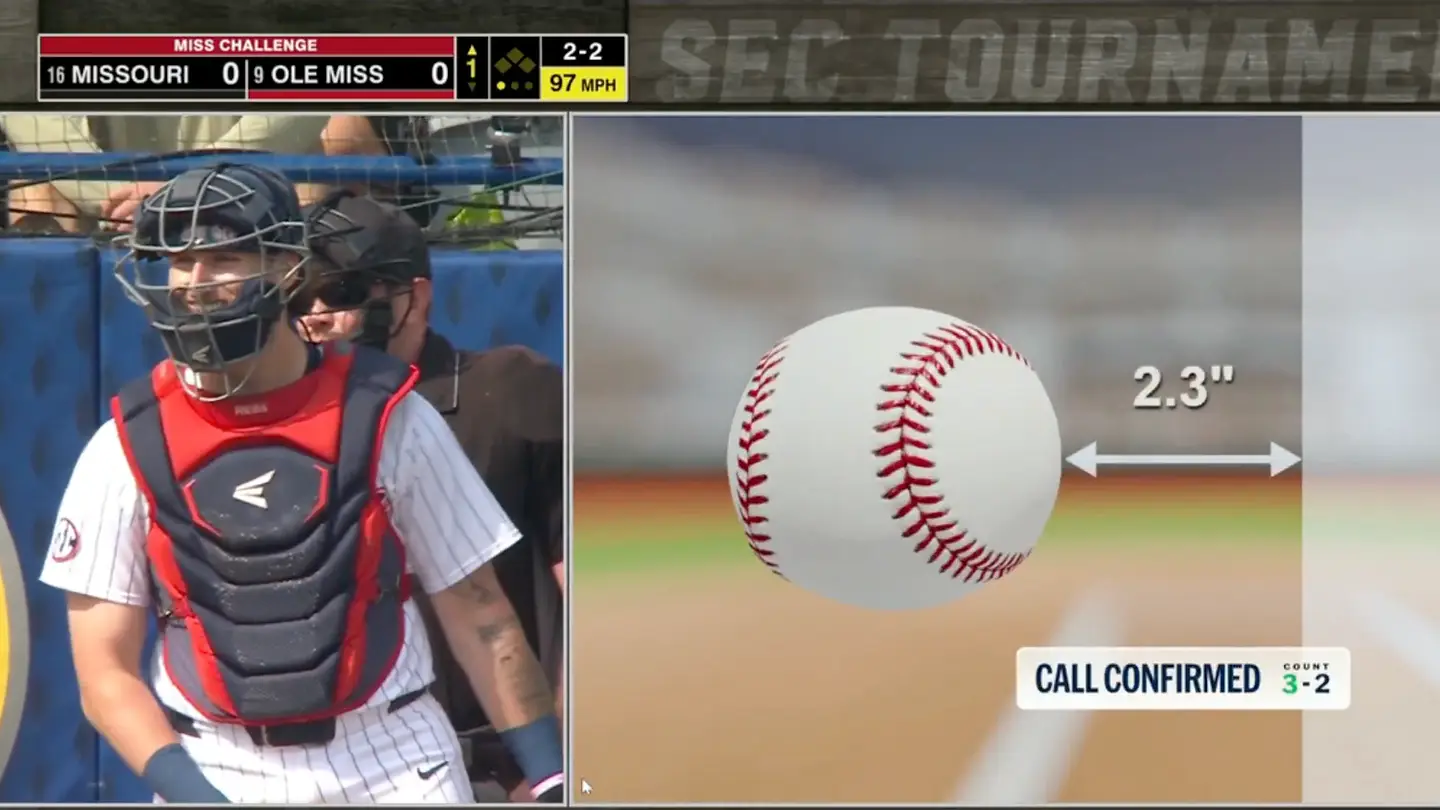
The ABS system allows the pitcher, catcher or batter at the plate to challenge a ball or strike call from the home plate umpire. The player must do so quickly for the challenge to be honored. After the experimental ABS usage at the SEC tournament this spring in Hoover, Ala., Missouri coach Kerrick Jackson called it something “that will be beneficial for the game moving forward.”“I think it’s just going to take a little bit of time,” Vanderbilt coach Tim Corbin told reporters at the tournament. “But I like it. I like it a lot. I think it helps both sides. I think it’s clear. Anything that takes the emotion out of the game from a call is a good thing for baseball.”SEC teams received three challenges per game and retained successful challenges. If a team had no challenges left and the game went to extra innings, that team got an additional challenge. There were 105 pitches challenged at the SEC tournament, according to Baseball America, and 59 of the challenges were successful (56.2 percent).In MLB, teams get two challenges per game and retain them if successful. It’s unclear whether the college baseball ABS system will be the same as it was in the SEC tournament or will be tweaked.Minor-league baseball started experimenting with ABS technology — deemed “robot umpires” by some — in 2019. In MLB this season, every player’s height was officially measured by the league to establish individual strike zones for the 3D cameras to assess. The bottom of the strike zone is 27 percent of a player’s height, and the top is 53.5 percent of the player’s height.Reviews of ABS in MLB so far have been more positive than negative. If it’s a shaky enough call in a big enough moment, there’s now a mechanism in place to get it right.“That seems like the whole point of the system,” Texas Rangers assistant pitching coach Dave Bush told The Athletic. “Not to get every single borderline call right all game, but to have a way for high-leverage, impactful pitches to be called correctly.”