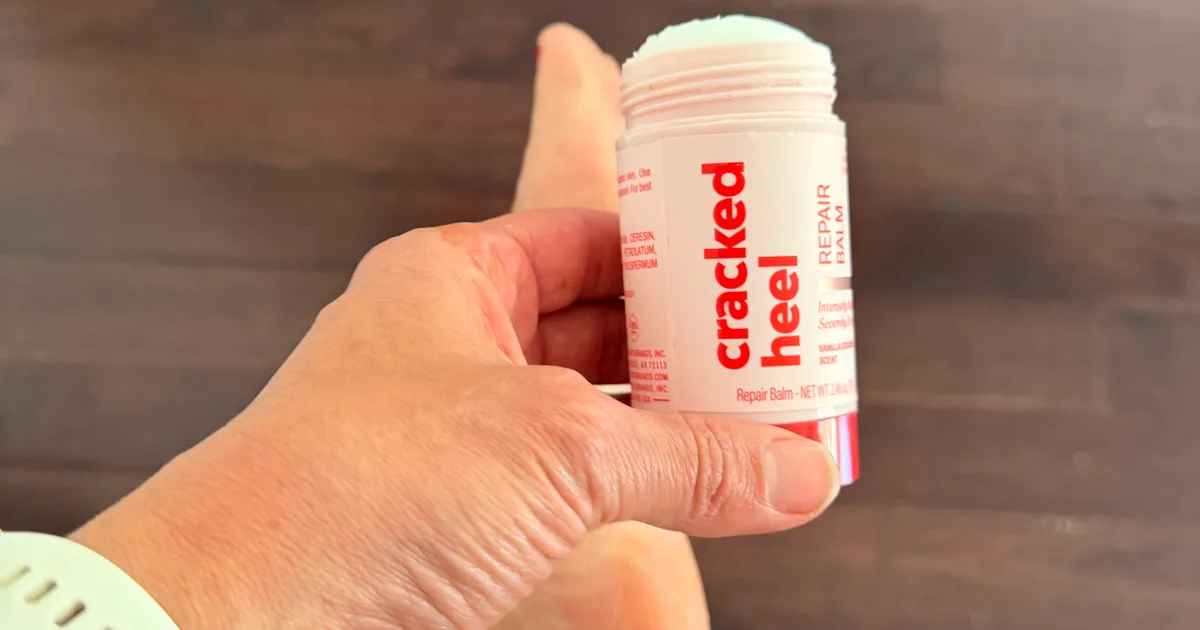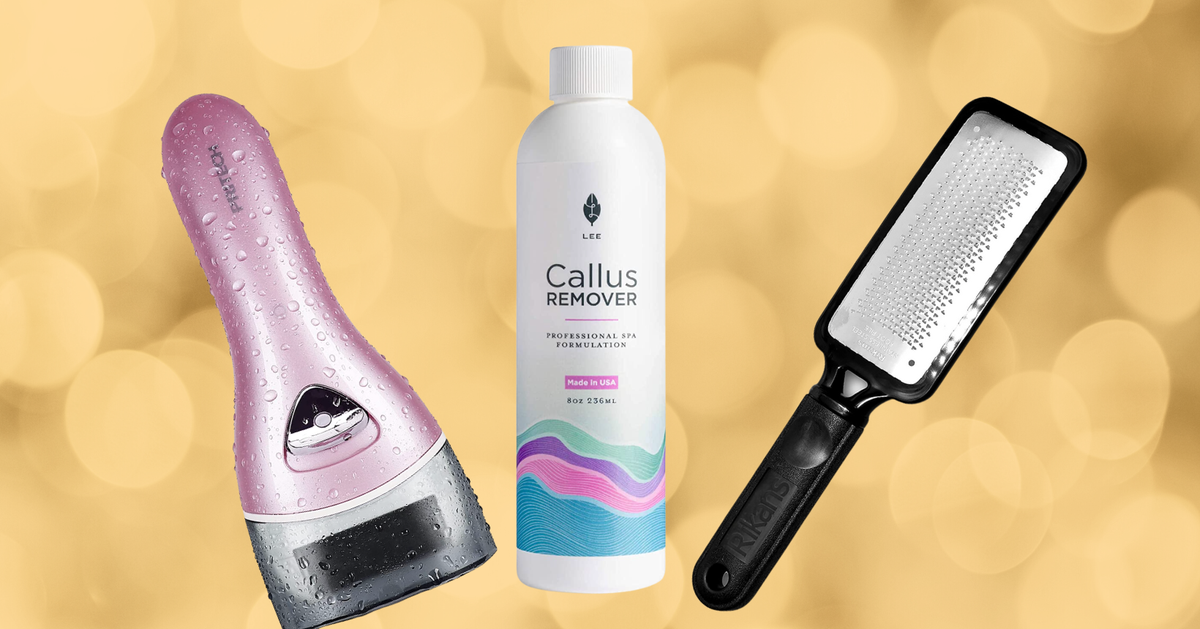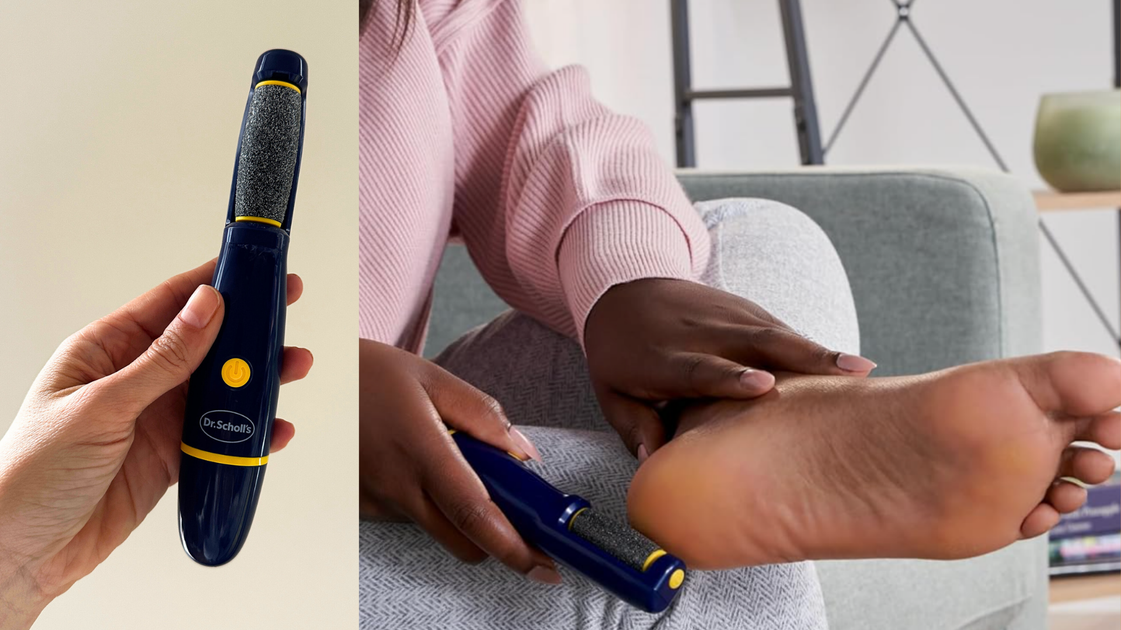
We expect our summer feet to look almost unnaturally perfect: soft, smooth and topped with immaculate painted toenails.Yet they are among the hardest-working parts of the body – and, in reality, most people's feet bear little resemblance to the airbrushed versions seen in beauty adverts.Take a close look at yours and you may find mottled skin across the top, yellowish patches of thickened skin on the soles and hard lumps around the toes – otherwise known as calluses and corns.That does not necessarily mean you have neglected them. Our feet carry our entire body weight, absorb the impact of every step and spend much of the day compressed inside shoes.In other words, almost everyone has ugly patches on their feet – even the most glamorous of us. But ever since I opened my flagship clinic in 2008, I have regularly seen people make their problems considerably worse by attacking their feet with razors, harsh acids and aggressive cheese-grater style files.The truth is that the route to sandal-ready feet is far less uncomfortable. There are a handful of trusted remedies that you can try from the comfort of your own home (more on that below). Long-term changes to posture and walking habits that will also make a difference.Mostly, my advice revolves around what not to put on your feet – and avoiding the 'self care' rituals that are probably doing more harm than good.Why the skin on your feet looks hard, cracked and uglyOne of the biggest misconceptions is that hard skin means your feet are dry. In fact, it is usually a clue about the way pressure is being distributed across them. Hard skin develops to protect an area repeatedly exposed to pressure or friction. The more yellow it appears, the thicker and more damaged it has generally become. Don't be fooled by the manicured toes, says podiatrist Margaret Dabbs, everyone has unsightly patches of skin on their feet that they're keen to keep hidden This build-up may be linked to your gait – the way you stand and walk – which can change following weight gain, pregnancy, injury or muscular weakness.Standing or walking for long periods on hard surfaces can contribute, as can shoes that do not fit correctly or offer enough cushioning and support. In many cases, the thickened skin is telling us that too much weight is being directed through one particular part of the foot, commonly the heel or ball.Cracked heels can feel like walking on shards of glassThe problem becomes particularly painful when fissures develop.These are splits that cut through several layers of thickened skin. In severe cases they can bleed, become infected and make every step feel as though you are walking on broken glass.I often compare a cracked heel to pressing down on an orange. As pressure forces the fruit to spread, the peel eventually splits. Not every fissure is caused by a dramatic build-up of hard skin. Cracks can also occur because the skin has become severely dehydrated. Menopausal women and those with diabetes or thyroid conditions are at greater risk as they suffer hormonal changes that cause particularly thirst-parched skin. Podiatry expert Margaret Dabbs OBE warns against applying potent compounds straight to rough, hard skin due to the risk of injury that could result in an infectionPedicures will likely make your cracked heels worse To prevent fissures and improve the appearance of cracked, hard skin, you need to reduce the thickness – but this is where many people make their first mistake.They soak their feet before reaching for a file. This is common practice at most high street beauty salons where millions regularly treat themselves to a pedicure. Unfortunately, once the skin dries, the underlying problem can become apparent again. Hard skin should be filed while the feet are dry. Wet skin becomes soft and rubbery, meaning the file cannot grip it and fails to remove the problem areas. Water also makes thickened areas harder to identify because they temporarily look smoother and less obvious.More importantly, soaking can weaken already fragile tissue. Softening the skin may allow a small, existing split to open further.Ask your beautician not to soak before filing. And if they do, request a gentle and gradual technique. The aim is not to remove every trace of hard skin in one sitting. That skin developed for a reason, and taking off too much can leave the area sore, exposed and even more vulnerable to pressure.Don't rely on body lotion Another common mistake is failing to use a dedicated foot cream every day.For best results, apply it before bed and allow it to work overnight. Socks can be worn over the top, provided they do not leave the feet excessively hot or damp.The skin on the soles is considerably thicker than the skin on most other areas of the body. An ordinary body lotion is too light to make much difference to deeply dry, hardened heels.Opt for a specialist foot cream that contains potent ingredients known to penetrate rough skin, but stick to combination products rather than singular compounds that are often too aggressive. We are all at risk of developing painful patches of hard skin on our feet - but they are not inevitable, says top podiatrist Margaret Dabbs. Look for products containing salicylic and benzoic acids. Salicylic acid is a beta-hydroxy acid (BHA) which are a group of effective exfoliants that break down the bonds of dead skin cells. They penetrate deeply into the skin and also help the foot soak up the benefits from a moisturiser. Benzoic acid helps loosen troublesome skin while also preventing infections due to its antibacterial and antifungal properties. For moisturisers, choose a product containing ingredients that help the skin retain hydration like glycol and glycerin. I formulated my Foot Hygiene Cream for use in my clinic. It contains salicylic and benzoic acids, as well as nourishing, antifungal tea tree oil. It is designed to help improve even the crustiest, sorest feet. I follow that with a lathering of Intensive Hydrating Foot Lotion.Be cautious of thick barrier ointments such as petroleum jelly. They can make the skin look and feel less dry temporarily by trapping moisture, but they do not necessarily break down compacted hard skin.Social media hacks can make thick skin worse Social media is awash with supposedly miraculous remedies for crusty heels, including videos of people applying strong acids directly to their feet.I strongly advise against experimenting with neat salicylic acid or other powerful exfoliating ingredients.Salicylic acid is useful but it is crucial that an appropriate concentration is used, and you only find this in a professionally formulated product. The strength matters, as does the person using it.A product that is safe for one area of the body is not automatically suitable for the feet. People with diabetes, poor circulation, reduced sensation or difficulty healing wounds must be especially cautious about acids and medicated treatments.The danger is that you may not feel the damage occurring until the skin has already been burned or broken.Never shave off a callus yourselfThe home treatments I dislike most are callus razors and bladed 'foot peelers'.After seeing similar-looking tools used during salon treatments, people buy kits online and attempt to carve away their own hard skin.This is dangerous. It is extremely easy to remove too much skin, cut into healthy tissue or create an uneven surface that becomes painful when you put weight on it.Some people have diabetes, circulation problems or reduced sensation in their feet without realising it. A small cut may then be slow to heal – particularly because the feet are at the furthest point from the heart and are placed under pressure every time we stand or walk.Shoes also create a warm, enclosed environment where sweat and bacteria can collect, increasing the risk of infection.Removing hard skin with a blade at home is simply not worth that risk.A corn will return unless you remove the pressureCorns, like calluses, develop in response to pressure and friction. The unsightly problem – a small circle of hardened, dead skin that forms over bony areas, usually on the toes – usually develop as a result of wearing shoes that are too tight, or simply the wrong shape for the person's foot.The most important principle is simple: remove the source of pressure and you remove the reason for the corn to form.Changing shoes, using a correctly fitted insole or wearing a toe protector (a padded plaster), may help by redistributing pressure. But the affected area should not feel squeezed.I would also urge caution with medicated corn plasters. These often contain acids intended to break down the thickened skin but they can also damage the healthy tissue surrounding it.As pressure continues, the area can become extremely tender because there are blood vessels and nerve endings beneath it.A trained podiatrist can carefully reduce the surrounding hard skin layer by layer, assess why the pressure is occurring and advise on how to stop the corn returning.Your feet will change as you get olderOne of the most common things patients say to me is: 'My feet never used to look like this'.But feet change with age, just like the rest of the body. The natural cushioning beneath them can become thinner, the skin may grow drier and changes in joints, muscles and posture can alter the way pressure travels through each foot.Painful or unsightly feet are not inevitable, however. And following my recommendations can keep them in as best shape as possible, for as long as possible.Most importantly, do not ignore a crack, corn or patch of hard skin that is bleeding, inflamed, increasingly painful or repeatedly returning.Your feet may be at the bottom of your body, but they often reveal far more about your health than you might expect.
Pedicures can make rough, cracked feet worse. This treatment works
Podiatrist to the stars Margaret Dabbs has spent years perfecting the ultimate routine for supple, soft feet. The key is less about what you should do, and more about what you shouldn't
1,620 words~7 min read