See more Daily Mail on Google - save us as a Preferred SourceBy ANTONIA LENON FOR DAILY MAIL Updated: 17:45 BST, 15 July 2026
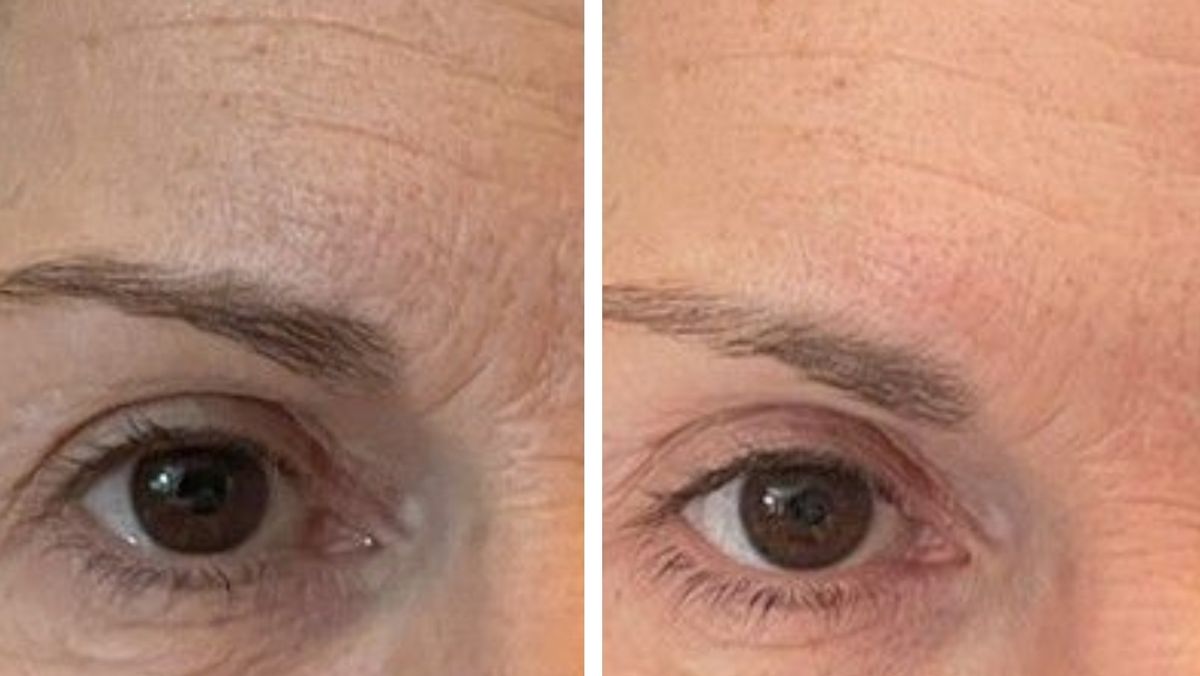
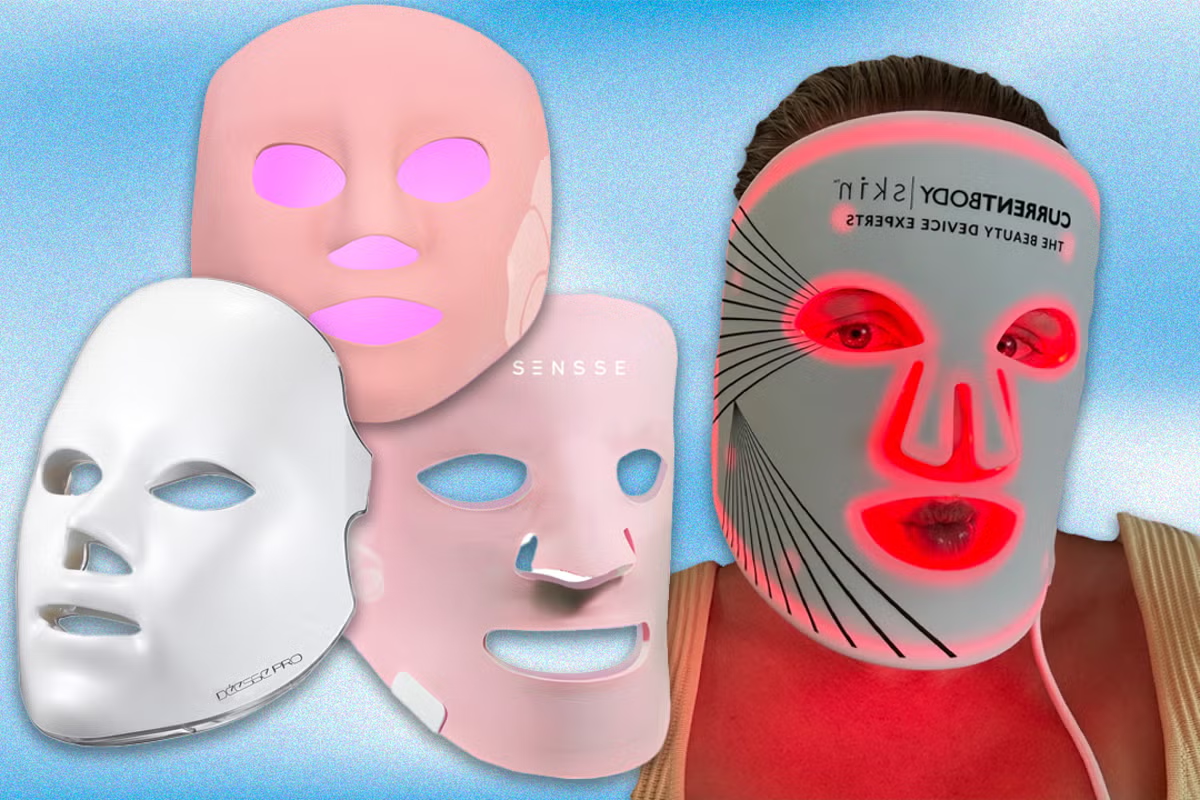
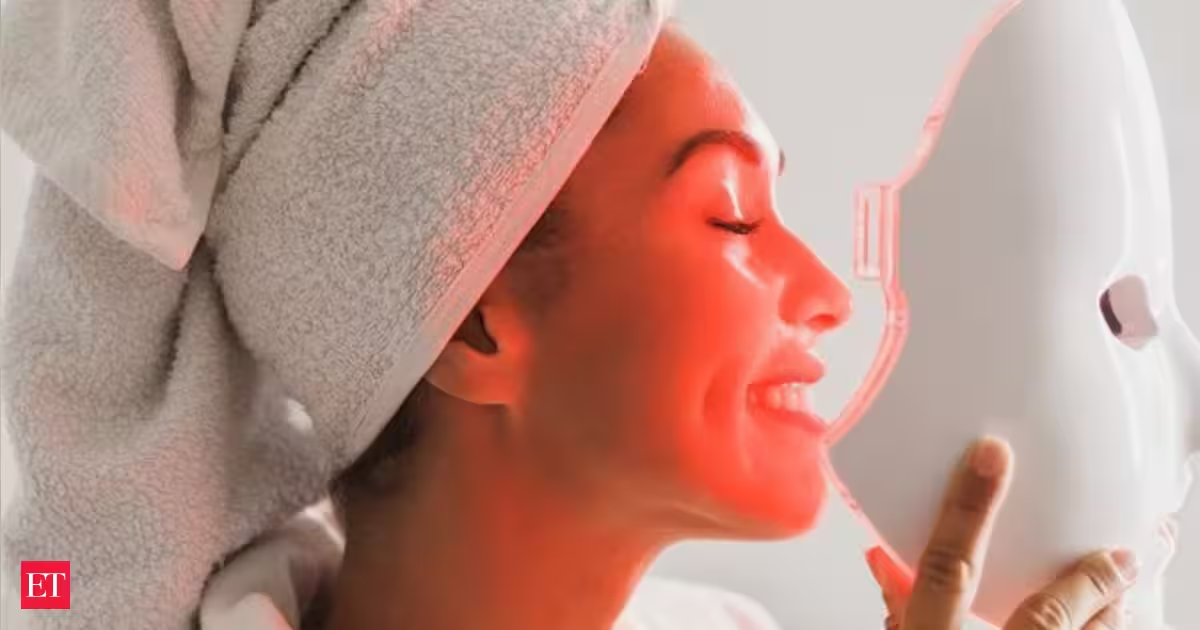
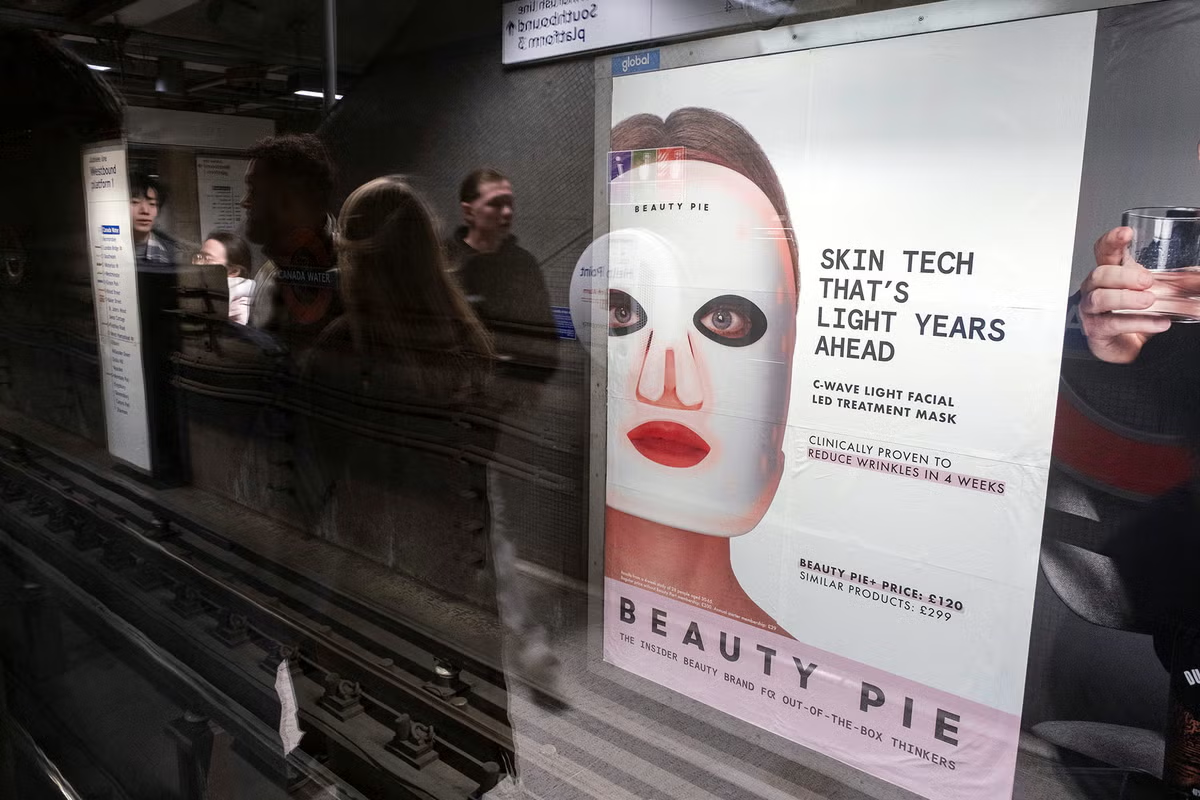
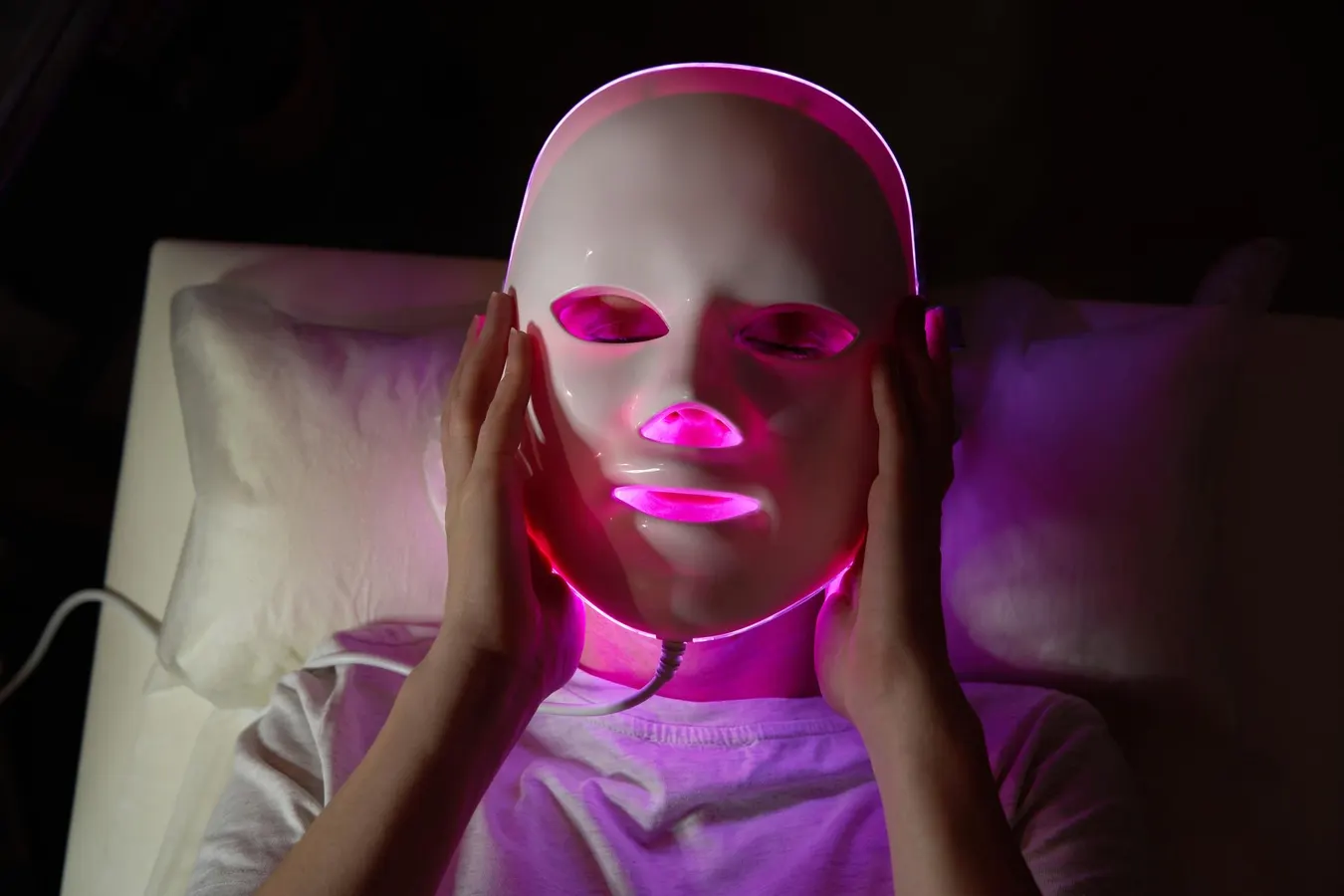
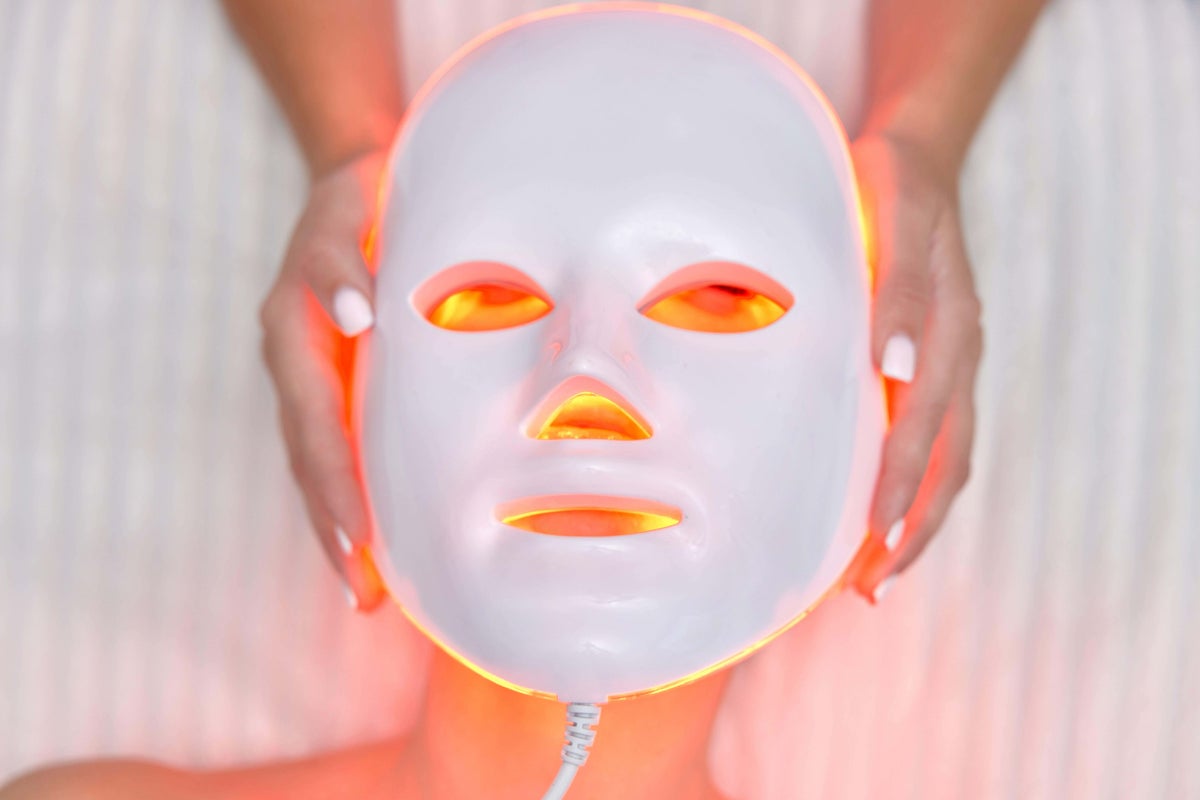
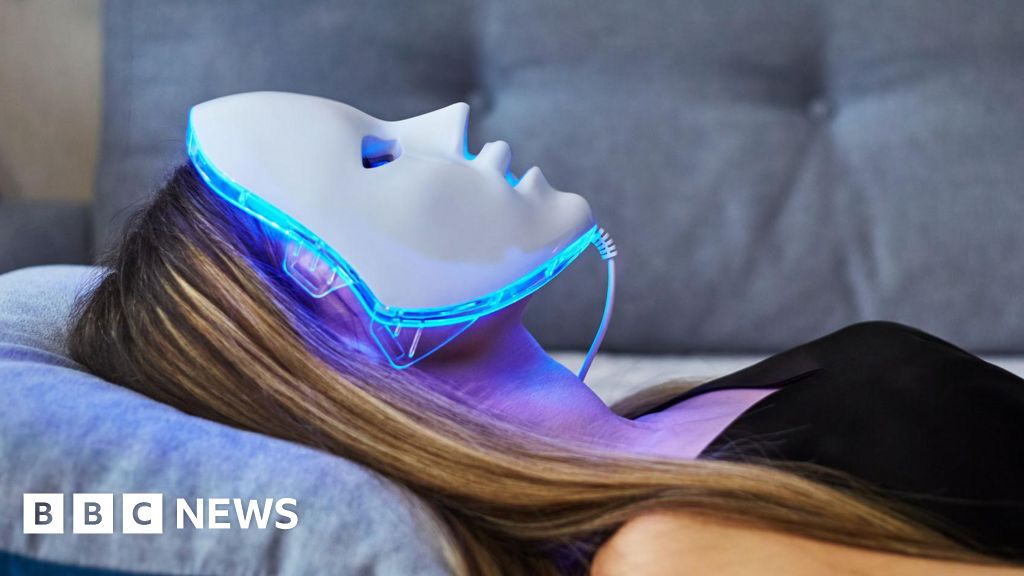
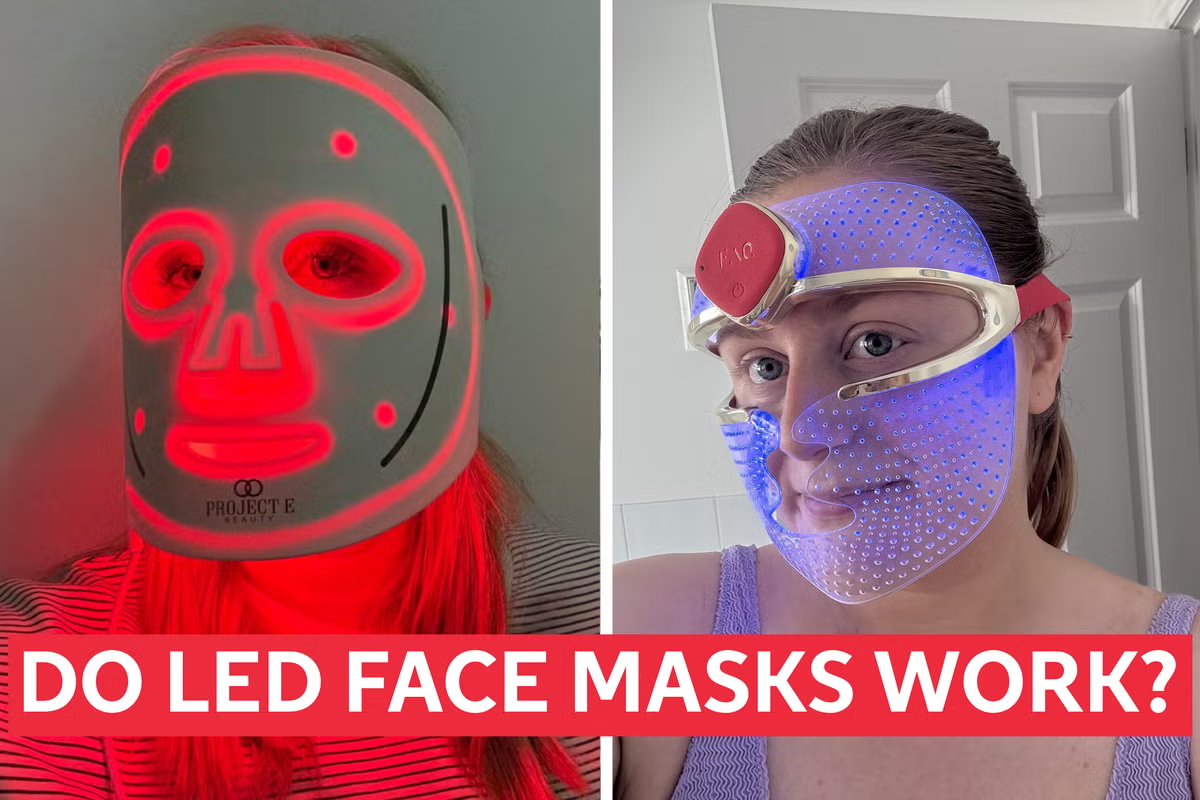
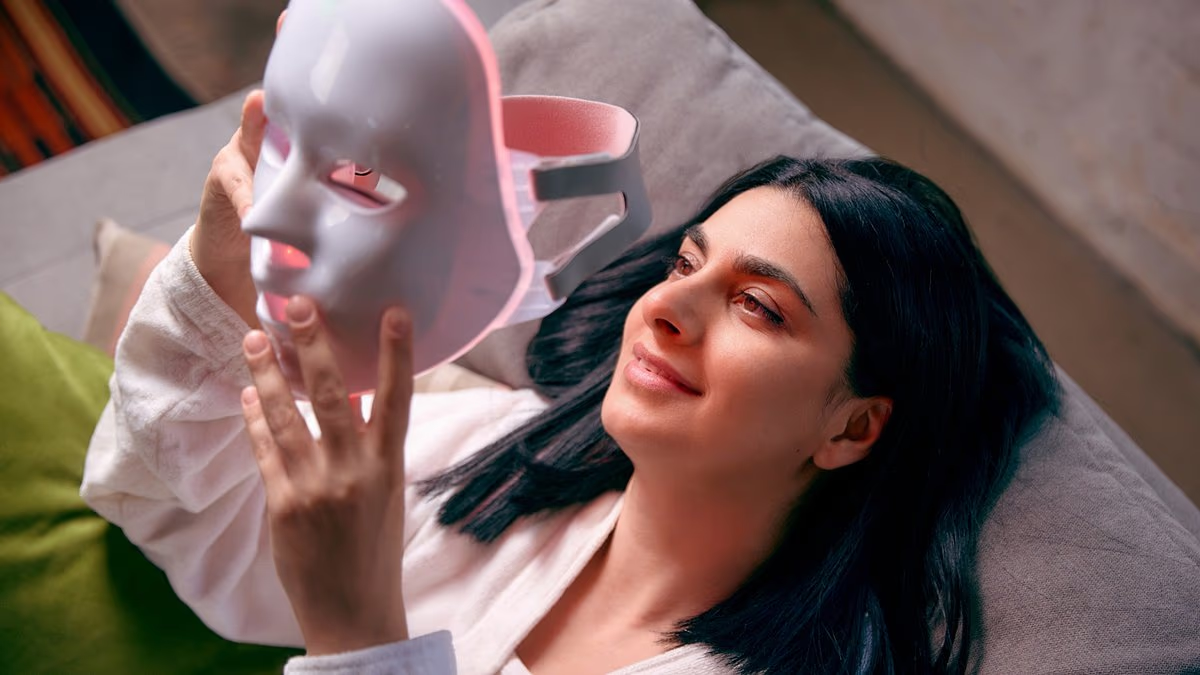
An advert for Beauty Pie’s £169 LED face mask has been banned by the Advertising Standards Authority (ASA) as it claimed the device was ’clinically proven to reduce wrinkles in four weeks’. The ASA ruled that, as there were only 28 participants in the four-week trial, the sample size was too small to justify the claim.That said, scroll through social media and you’ll find hundreds of videos of influencers and celebrities extolling the anti-ageing effects of an LED mask. So are they worth the investment, and what improvements to your skin should you expect? We asked two expert dermatologists for their verdict...How do LED face masks work?Studies have shown that red light penetrates the skin at shallow depths and stimulates cells in a process called photobiomodulation. Stanford University research found that mitochondria within cells can absorb red and near-infrared light, helping them produce more energy which subsequently aids wound healing, tissue repair and skin rejuvenation.Is there any proof they do the job?‘There is some scientific evidence behind LED therapy, particularly for mild acne and modest improvements in skin texture or fine lines,’ says consultant dermatologist Dr Jonathan Kentley (drkentley.com). ‘Professional clinic devices are usually more powerful, while at-home masks are lower energy by design, which is why they are generally safe but also why the results are subtler. LED masks work through red light penetrating the skin at shallow depths and stimulating cell growth ‘There is some scientific evidence behind LED therapy, particularly for mild acne and modest improvements in skin texture or fine lines,’ say experts‘An LED mask will not give the same result as retinoids (skincare containing vitamin A), prescription acne treatment, lasers, injectables or a good clinic-based treatment plan. I think of it as a supportive treatment, not a transformational one.’Consultant dermatologist and founder of Self London Dr Anjali Mahto is similarly sceptical: ‘While there is clinical evidence supporting the efficacy of high-powered light therapy in a medical setting, the benefits of at-home masks are massively overstated by heavy social media marketing.‘The evidence behind these at-home devices remains unclear - they simply do not possess the power required to deliver the dramatic results you often see promised online.’What results can you expect? Dr Jonathan Kentley says of an LED face mask: I think of it as a supportive treatment, not a transformational one.’With consistent LED mask use, Dr Kentley says users ‘may notice calmer skin, fewer inflammatory breakouts, less redness and a slight improvement in glow or texture’. For acne, he says changes may appear after six to eight weeks, while modest improvements in fine lines generally take eight to 12 weeks.Dr Mahto says expectations should remain low.‘Any potential results are incredibly slow, subtle and largely unpredictable. In many cases, users might only experience a mild placebo effect or slight reduction in redness after several months of dedicated use.’Both Dr Kentley and Dr Mahto agree that, unless you have a large skincare budget, an LED mask isn’t worth the investment.’Your money is vastly better spent on building a robust, evidence-based topical skincare routine - incorporating a prescription retinoid, vitamin C, and daily sunscreen - or saving up for genuinely effective, proven in-clinic treatments,’ concludes Dr Mahto.