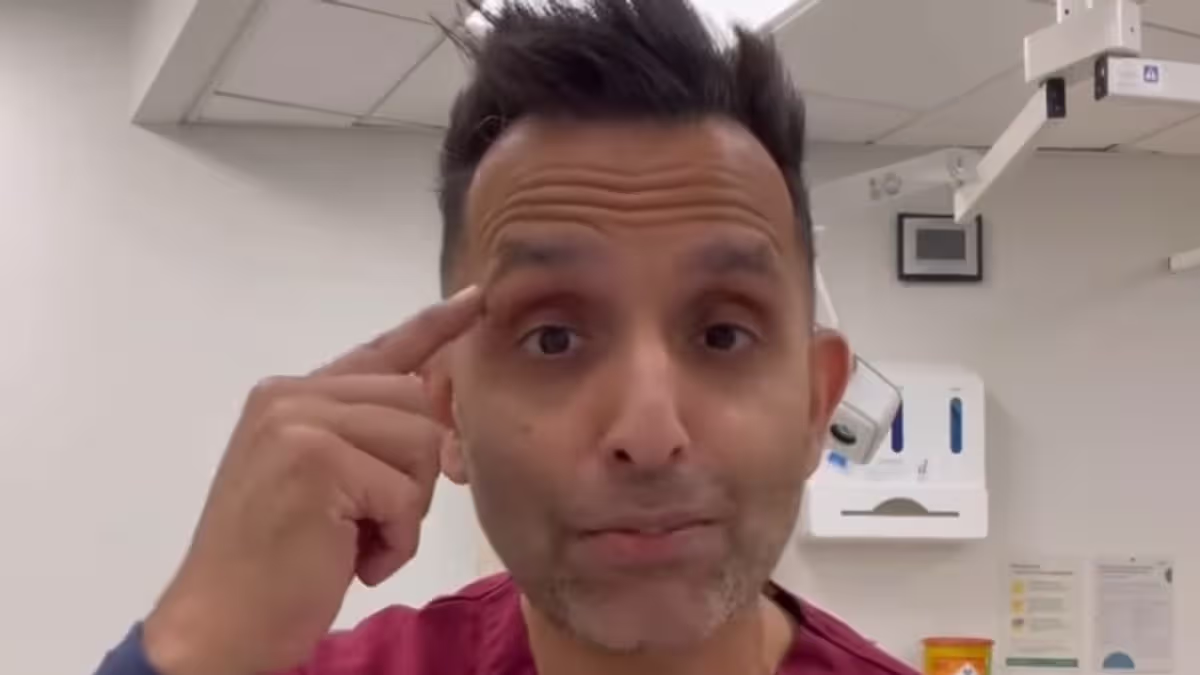
It's a common phenomenon experienced by 70 per cent of people, but it can be alarming – Dr Amir Khan has explained the science behind the body jolt that wakes you up17:30, 15 Jul 2026Getting a good night's sleep is one of the most important things you can do for your health, and there are a lot of things you can do to make sure you get as restful a night as possible. It's particularly annoying, then, when, just as you're about to nod off, you're suddenly hit with a sensation of falling and your body jerks itself back awake again.But why does this happen? Dr Amir Khan, a familiar face on ITV's Good Morning Britain and Lorraine, where he regularly provides important health and wellbeing advice, explained the phenomenon in a TikTok video, reports the Express.Dr Khan said: "Have you ever felt you're falling just as you nod off? That sudden jolt awake is actually called a hypnic jerk."Elaborating further, he went on: "As you drift into sleep, your muscles relax, and sometimes your brain interprets that as falling. It's a misinterpretation, so it sends a quick signal to your body to catch you, and that's why you twitch awake."Now, some scientists think it's an ancient survival reflex, back to when we slept in trees a sudden twitch might have stopped us from actually falling. It's totally harmless. More common when you're stressed, have caffeine late, or you're just super tired."Content cannot be displayed without consentReassuring viewers the experience is "totally normal, totally harmless", he concluded: "So next time it happens, don't panic. It's just your brain being quirky."What causes hypnic jerks?According to The Sleep Charity, hypnic jerks are experienced by around 60 to 70 per cent of people. "It is defined as nothing more than an involuntary twitch which tends to happen just as you are about to fall asleep (during the first stage of light sleep)," the organisation said.It added: "If they happen infrequently, they’re generally not distressing and don’t affect your sleep long term. It can affect the whole body or just the legs. The jerk is often associated with the sensation of falling, a loud noise or flash of light."The charity added hypnic jerks can be caused by a range of factors, including:CaffeineOther stimulants such as alcoholStressPhysical exercise too close to bedtimeOther sleep disorders such as sleep apnoeaIt added: "It is not necessary to seek treatment for hypnic jerks unless they occur frequently and are accompanied by other complaints such as physical injury, bedwetting or confusion when awakening. If these instances, you must visit your GP. Otherwise try to practise good sleep hygiene habits."How do you stop hypnic jerks?The Sleep Foundation added: “Researchers don’t know for certain what causes hypnic jerks, but there are some theories. Hypnic jerks and other types of myoclonus (involuntary muscle twitching) start in the same part of your brain that controls your startle response.“When you fall asleep, it’s suspected that a misfire sometimes occurs between nerves in the reticular brainstem, creating a reaction that leads to a hypnic jerk. For example, it may be that when your muscles relax completely, even though this is a normal part of falling asleep, your brain mistakenly assumes you’re really falling and reacts by twitching your muscles. It may also be possible that hypnic jerks are a physical reaction to the dream-like imagery that accompanies them.”The organisation added doing the following things may help reduce hypnic jerks:Going to bed and waking up at the same time every dayMaking sure your bedroom is between 18 and 20 degreesMaking your bedroom as dark and quiet as possibleStopping the use of electronics at least one hour before going to bedReducing stress through practices such as yoga and meditation and relaxing activities such as reading a book or taking a bathExercising daily, but not late in the evening or night as this can make the condition worseLimiting your caffeine consumptionAvoiding nicotine and alcohol
'I'm a doctor and this is why you feel like you're falling as you go to sleep'
It's a common phenomenon experienced by 70 per cent of people, but it can be alarming – Dr Amir Khan has explained the science behind the body jolt that wakes you up
655 words~3 min read