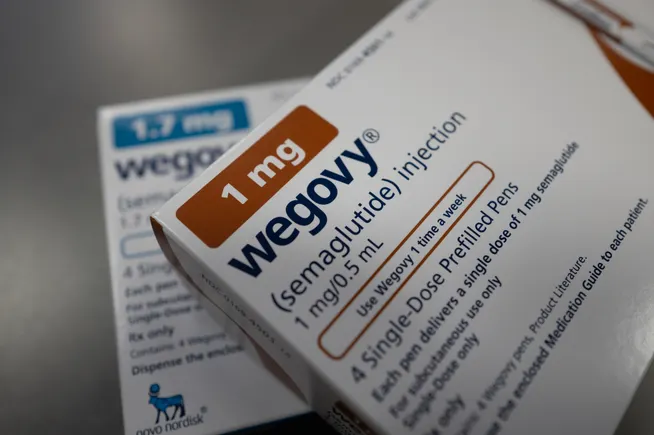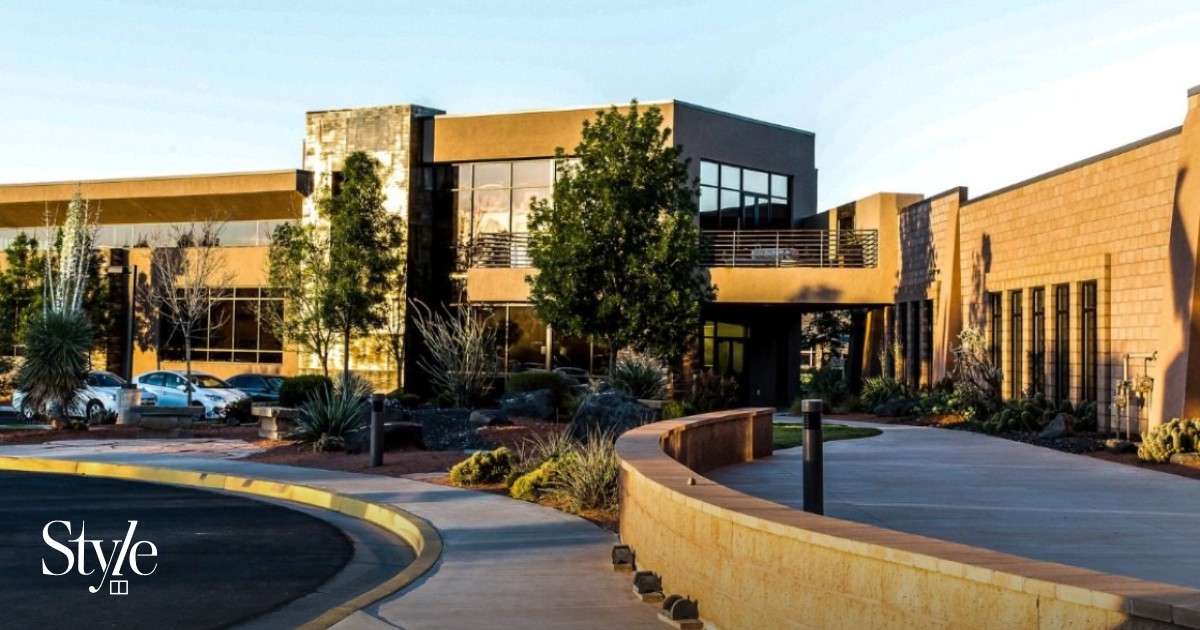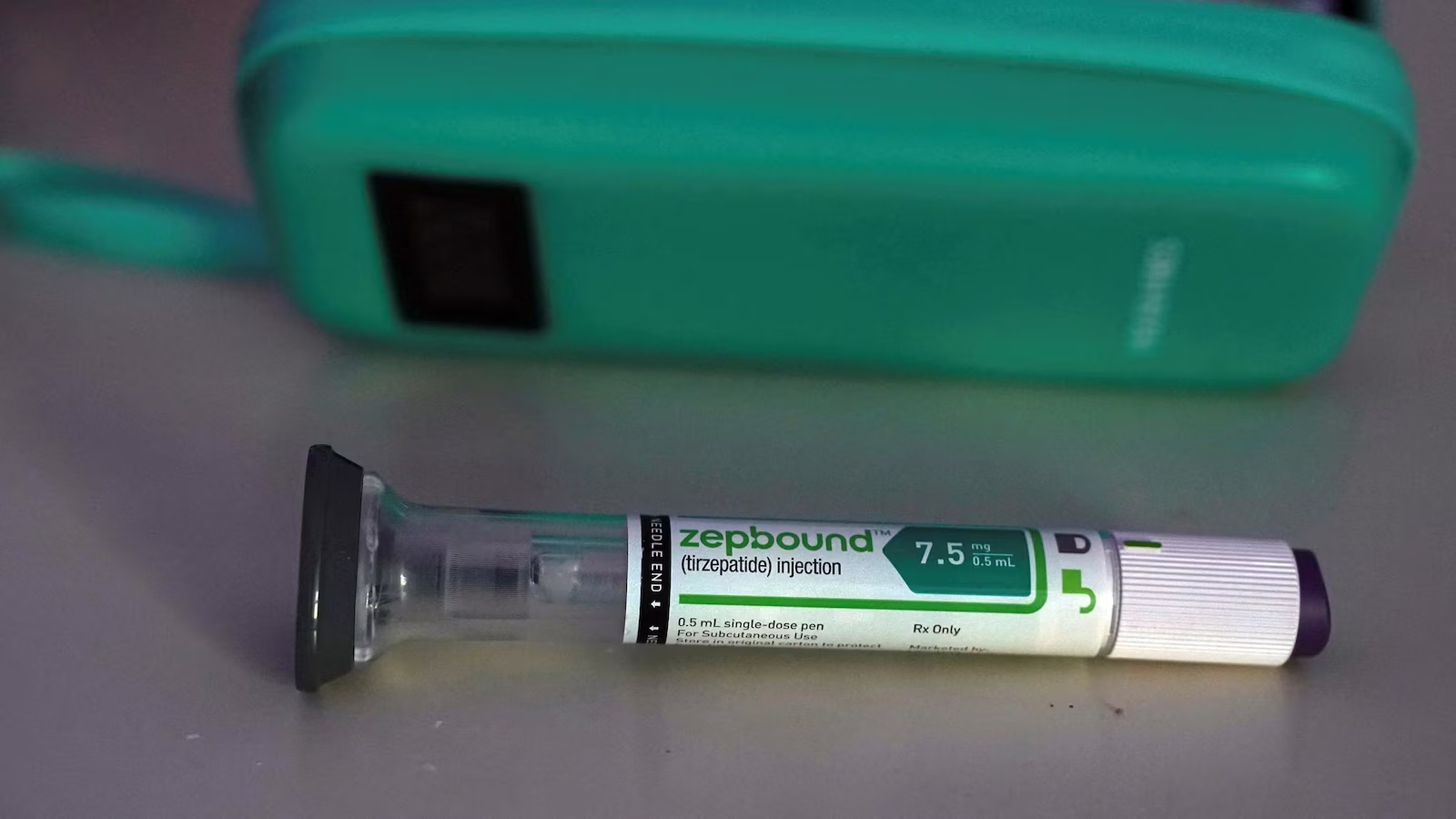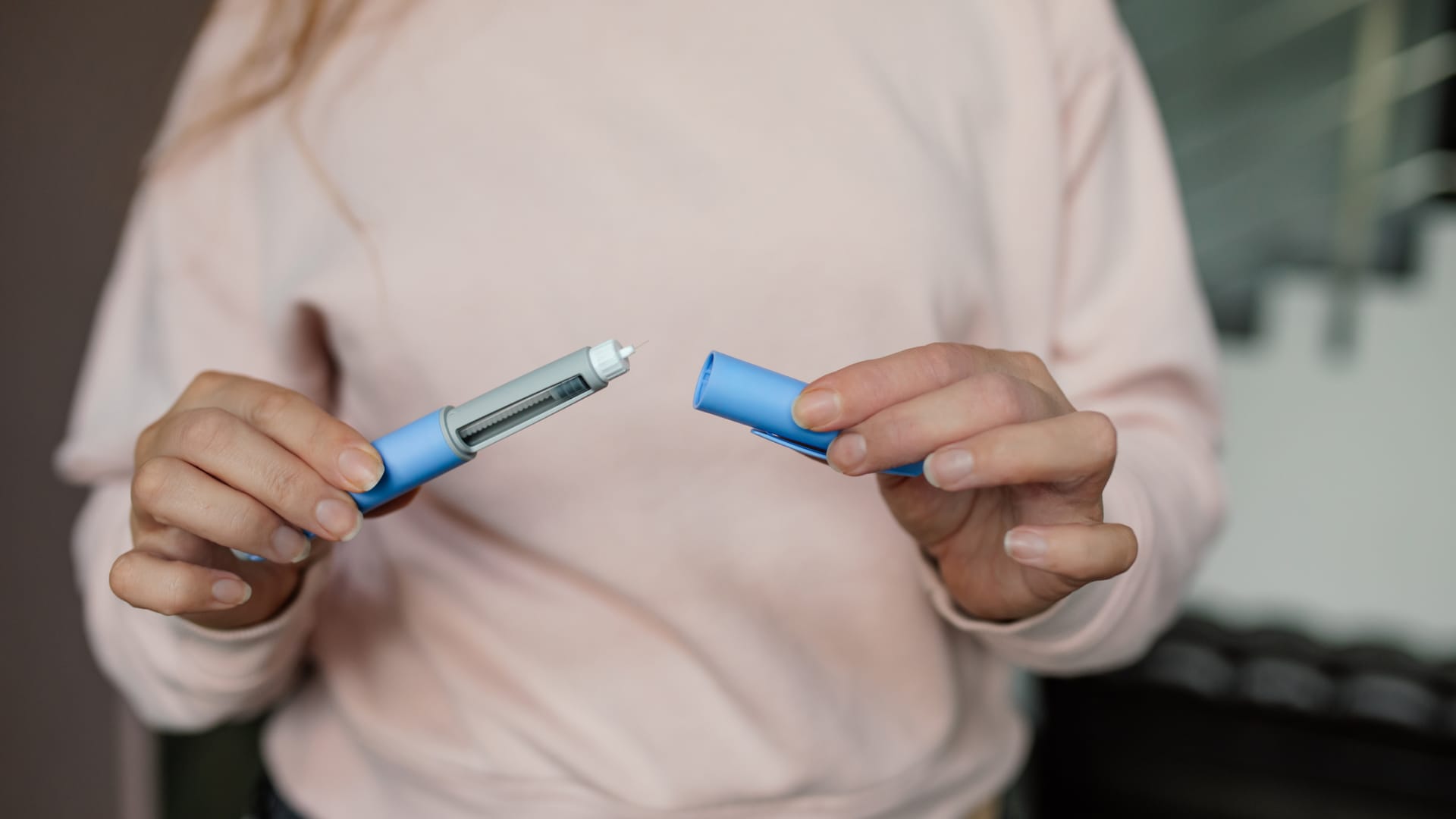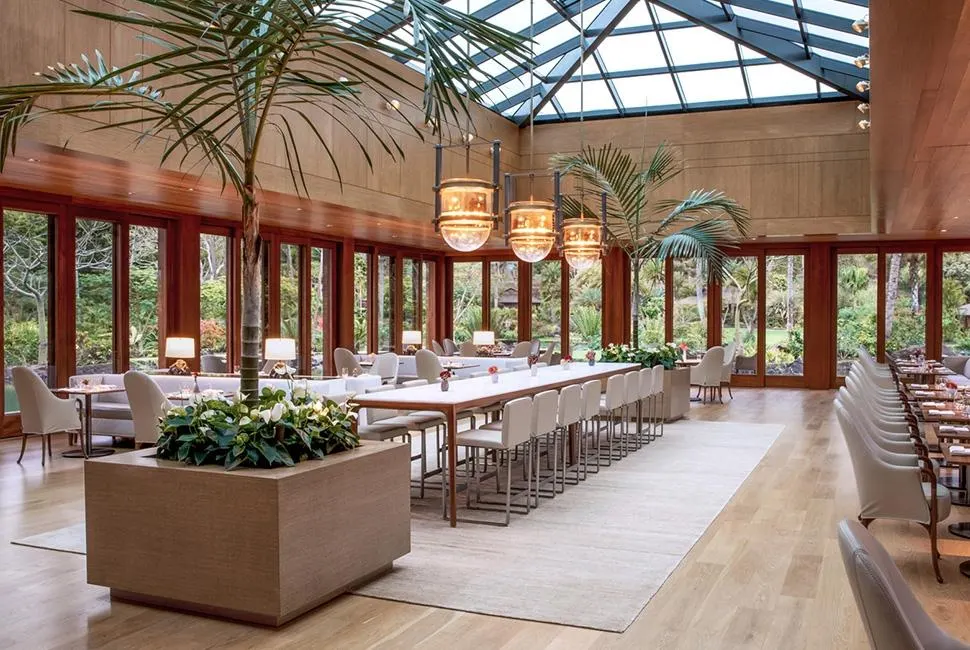
Places like Sensei Lanai, A Four Seasons Resort are redesigning their dining experiences around guests taking weight loss drugs.Sensei Lanai, A Four Seasons ResortWellness tourism, traveling to maintain or optimize mental or physical well-being, raked in $894 billion in 2024, according to the Global Wellness Institute. That number is more than double what spa treatments, yoga retreats, longevity center visits, meditation treks or fitness vacations earned in 2012, the year the institute started tracking the total.An expanding segment of wellness tourism is the hospitality industry meeting the culinary, fitness, amenity and programming needs of guests taking GLP-1 weight-loss drugs, including Ozempic and Wegovy. And given the rapidly growing user statistics, this category is not a niche.“Twenty percent of all U.S. households have at least one GLP-1 weight-loss drug user. Just 12 months ago, only 9% of U.S. households had at least one,” PwC consumer markets industry leader Ali Furman said during a panel at the recent 2026 Forbes Travel Guide Summit. “Driven by [the introduction of] oral pill formats and increased affordability, institutional forecasts project that 50% to 75% of the total adult population may ultimately utilize these medications.”The number on the scale may be the most noticeable change in users. However, many facets of daily life — this ranges from eating and drinking habits to fitness needs and what patients spend money on — are also affected, especially when you consider the common side effects: nausea, dry skin, muscle atrophy, hair loss, nutritional deficits and constipation.Furman explained that GLP-1 users exhibit drastically altered purchasing behaviors, consuming 40% fewer calories, eating 80% fewer desserts and purchasing 33% less alcohol. Spending rises on apparel, beauty products, and spa and aesthetic services, like body contouring, recovery and self-care. And that certainly doesn’t stop when they book a vacation.“This is not a cyclical consumer shift; it is a physiological reset at scale,” Furman said. “It’s a real opportunity from a hospitality standpoint to meet this demographic on their holistic health journey.”A growing number of hotels are already taking heed. Alaina Sweeney, general manager at Forbes Travel Guide Four-Star St. Regis Washington, D.C., feels it’s a trend properties can’t ignore.“Luxury hospitality has always been about anticipating what’s next and evolving guest expectations rather than simply responding to them,” Sweeney says. “It’s a core part of service excellence. Our guests expect us to evolve alongside their lifestyles and are looking for hotels that make it easy to sustain the habits and routines that matter to them while away from home.”Sweeney continues, “Wellness has become an increasingly important factor in travel decisions and continues to redefine luxury travel. It’s our responsibility to deliver that experience with elegance and personalization.”Much of the first wave of hotel responses, unsurprisingly, concerns food and beverage offerings. GLP-1s tend to suppress appetite and slow digestion, causing users to eat less, which often leads to nutritional deficiencies and can alter how the body absorbs critical vitamins. The medicines also reduce cravings for sugar and salt, among other ingredients, so many hotel restaurant and room service menus, like those at Alhambra at the aforementioned St. Regis, are being updated with lighter, smaller, protein- and plant-forward, nutrient-dense options.Other luxury hotel kitchens are making adaptations as well. Four-Star The Ned Doha developed an anti-inflammatory functional menu for its Malibu Kitchen with the nearby Seed Health and Wellness Centre. It avoids seed oils, focuses on healthier preparations like sous vide and clean ingredients, and allows for portion flexibility.Five-Star The Broadmoor in Colorado has also opted to play around with portion control, now allowing guests to split meals into smaller sizes at no additional charge without changing social media-ready plating or presentation.“Wellness doesn’t always mean removing the elements that make a sweet bite enjoyable,” the resort’s assistant pastry chef, Christian Macke, says. “The goal is to create desserts where a guest cannot tell what has been substituted or replaced to accommodate dietary needs.”To respond to what Four-Star The Miami Beach EDITION general manager Christopher Kapatais calls, “one of the most significant shifts in nutrition and lifestyle today,” the Collins Avenue hot spot has not only updated menus across all of its dining outlets to feature protein-maxed dishes like nut-crusted salmon or charred octopus, but it has also overhauled its beverage program. Guests can start their days with functional drinks like blue taro cloud iced lattes with vegan foam or smoothies customized with collagen, Cowboy Colostrum (a powder made using the nutrient-dense “first milk” produced by cows right after giving birth) or açaí elixir. And as GLP-1s tend to slow buzzes and decrease the neurological pleasure reward stimulated by spirits, The EDITION dedicated more menu real estate to mocktails at Matador Bar.Supersized spirit-free menus have also recently appeared at Forbes Travel Guide Recommended Four Seasons Hotel and Residences Fort Lauderdale and at Omni La Costa Resort & Spa in Carlsbad, California, making the latter’s seasonal Tiki Social experience even more inclusive.“Dining is often the first touchpoint,” Sweeney says, “but guests’ needs extend far beyond the restaurant, creating opportunities for enhancements such as healthy minibar offerings, hydration amenities, expanded in-room refrigeration where appropriate [injectable GLP-1s require refrigeration] and more tailored fitness and recovery programming.”But Sweeney insists that properties should be careful not to go so far that guests wind up feeling singled out. “The goal is not to create separate experiences for specific groups,” she says, “but to offer thoughtful options that allow every guest to personalize their stay.”Specialized programming in spas and fitness centers is the next logical step in catering to GLP-1-taking guests, and several are already doing so. This spring, Forbes Travel Guide Recommended Four Seasons Hotel Los Angeles at Beverly Hills introduced the GLP Body Preservation Infusion, an IV therapy created by wellness partner Immortelle Integrative Health. The IV combats issues frequently associated with GLP-1-assisted rapid weight loss, including waning muscle mass, decreased energy and recovery, key nutrient loss and deteriorating skin health. The Westin Nashville’s Rhapsody Spa employs a dedicated nurse practitioner who performs personalized consultations and administers semaglutide and tirzepatide injections onsite.Some properties, like TheLifeCo St. Lucia, have created all-encompassing stays to help GLP-1 users. Opened in April in a development aiming to be the world’s first longevity village, TheLifeCo St. Lucia designed a GLP-1 Management Program split into three pathways: optimization (for maximizing medication results), support (for those with stalled progress or side effects) and transition and maintenance (for those preparing to taper off or quit and want to avoid rebound gain). The brand begins working with the guest before arrival and can provide ongoing coaching and progress monitoring for up to 12 months after departure.In March, Hilton Head Health, an Oprah Winfrey-approved weight-loss and wellness retreat in South Carolina, debuted the GLP-1 Support Experience. The week-long program developed by onsite experts and consulting doctors includes strength training, chef-prepared meals, cooking demos, behavioral health support, workshops on subjects like muscle preservation, and metabolic health and biomarker testing. Offered monthly, it was created after staff noticed a consistently growing number of GLP-1 disclosures during consultations starting in late 2023 and realized existing programs weren’t going to meet these guests’ needs.Forbes12 Marathons Worth Traveling For In 2026By Jennifer Kester
How GLP-1s Are Reshaping Luxury Hospitality
From protein-forward menus to muscle-preservation IV drips, properties are redesigning the guest experience around weight loss drugs.
1,185 words~5 min read