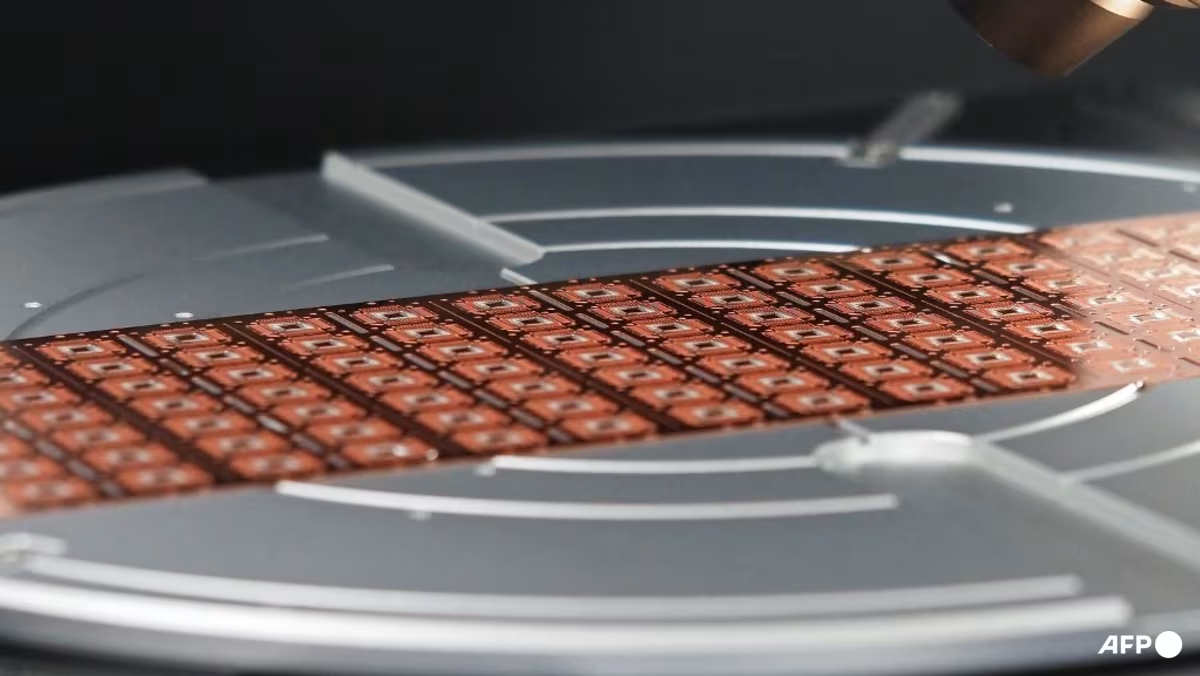
The Union Cabinet also approved the ‘Semicon 2.0’ for the development of India’s semiconductor design and manufacturing ecosystem, with a total budget outlay of ₹1.27 lakh crore.
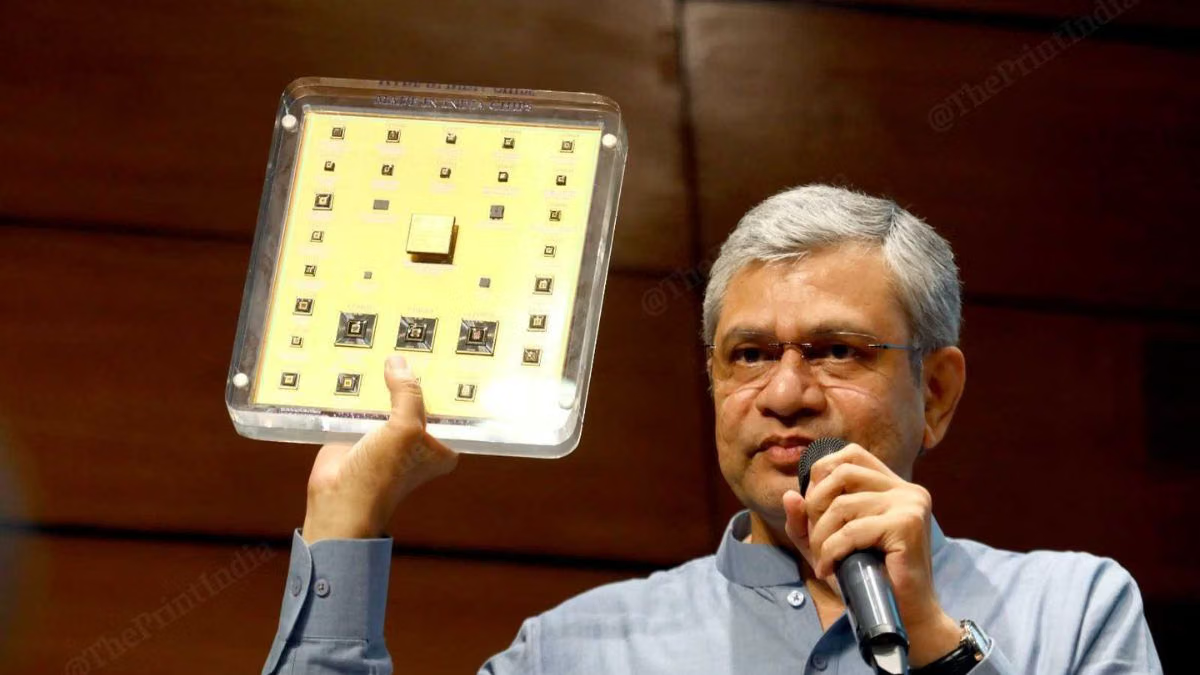
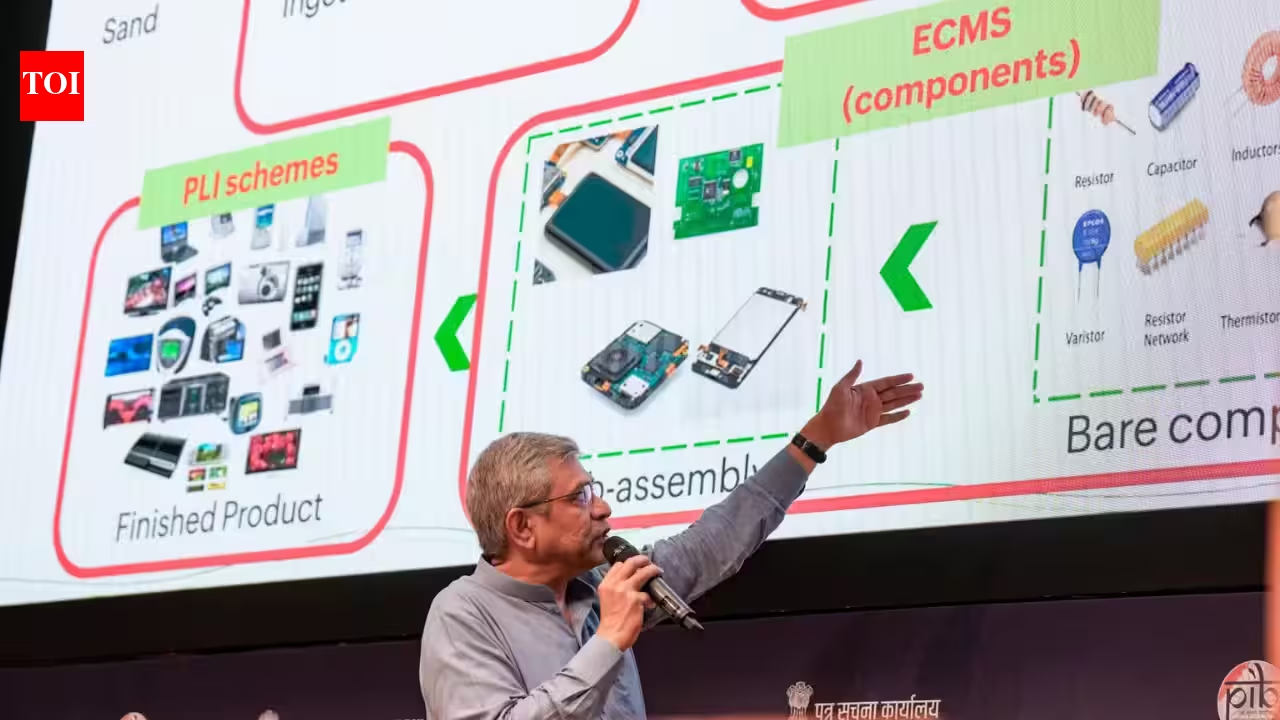
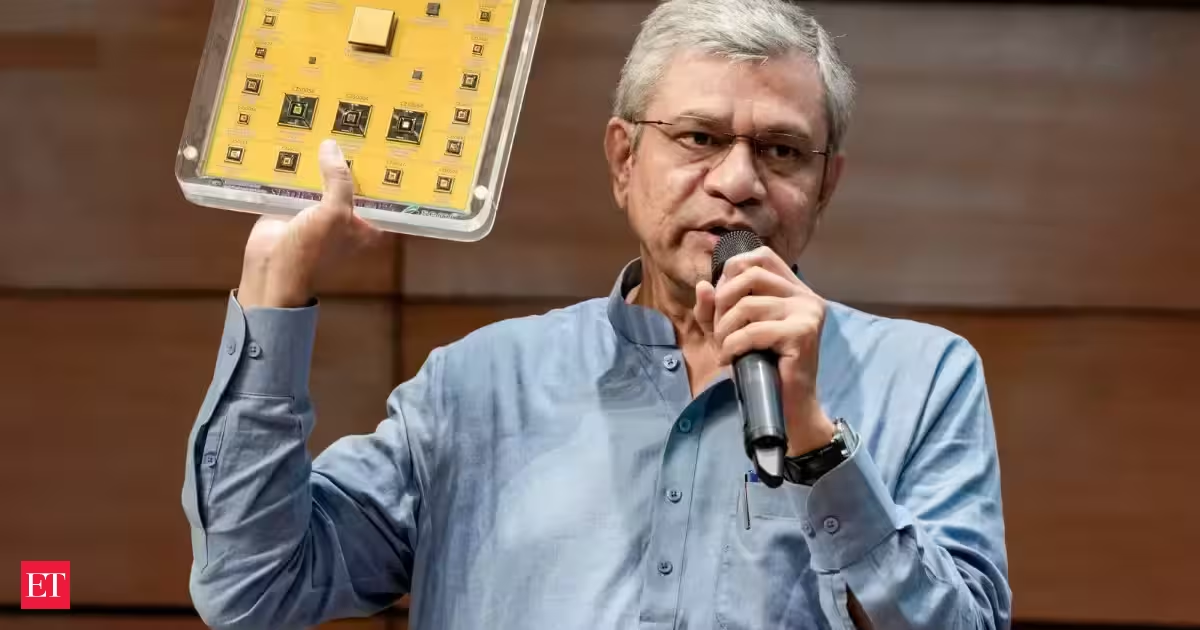
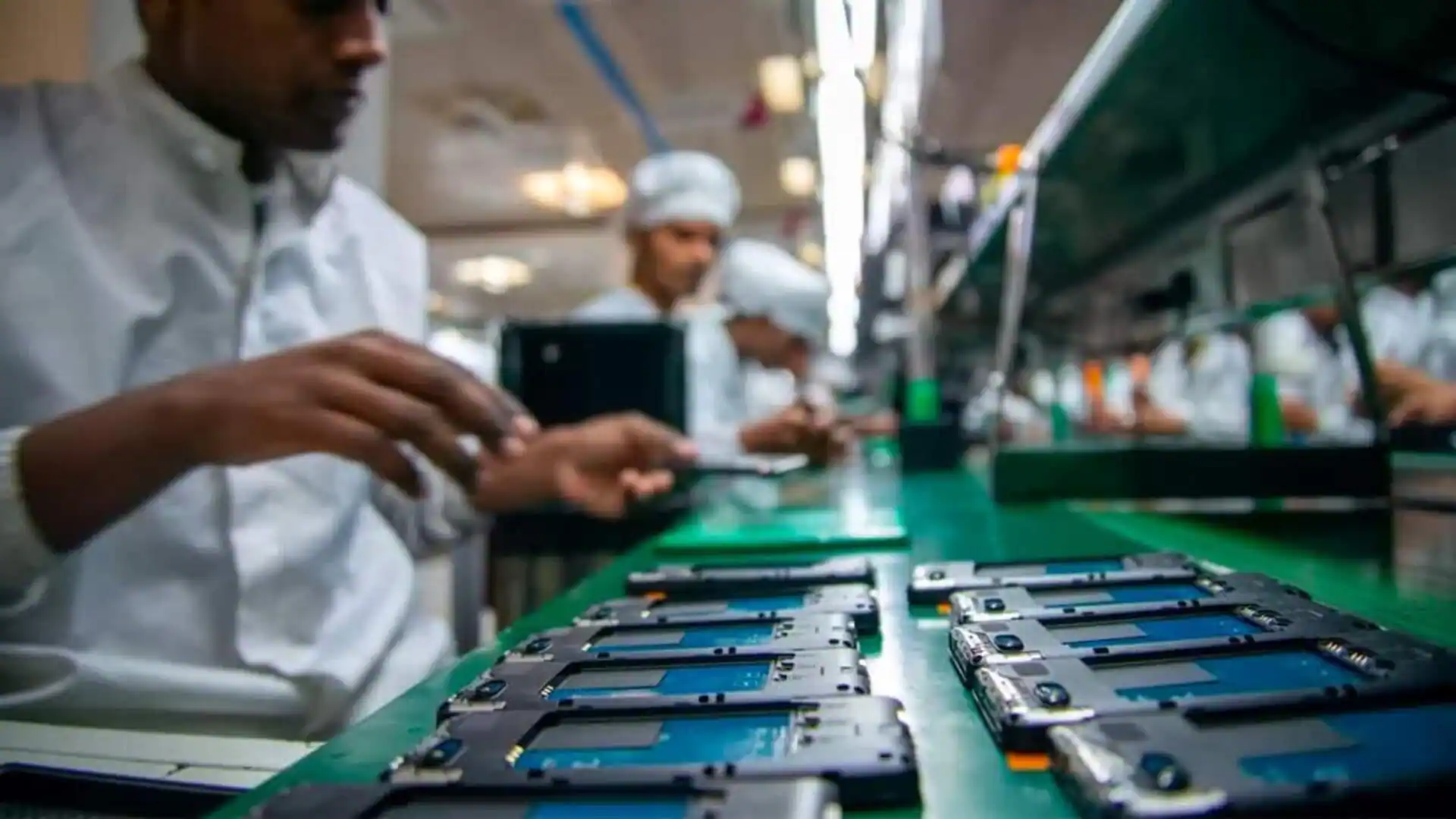
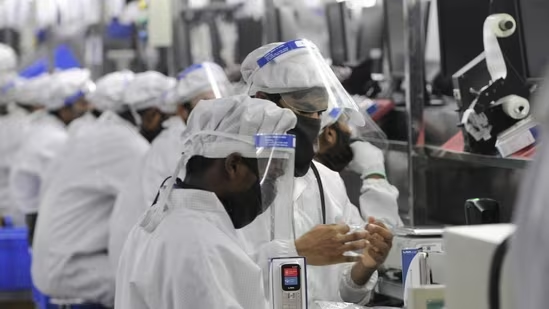
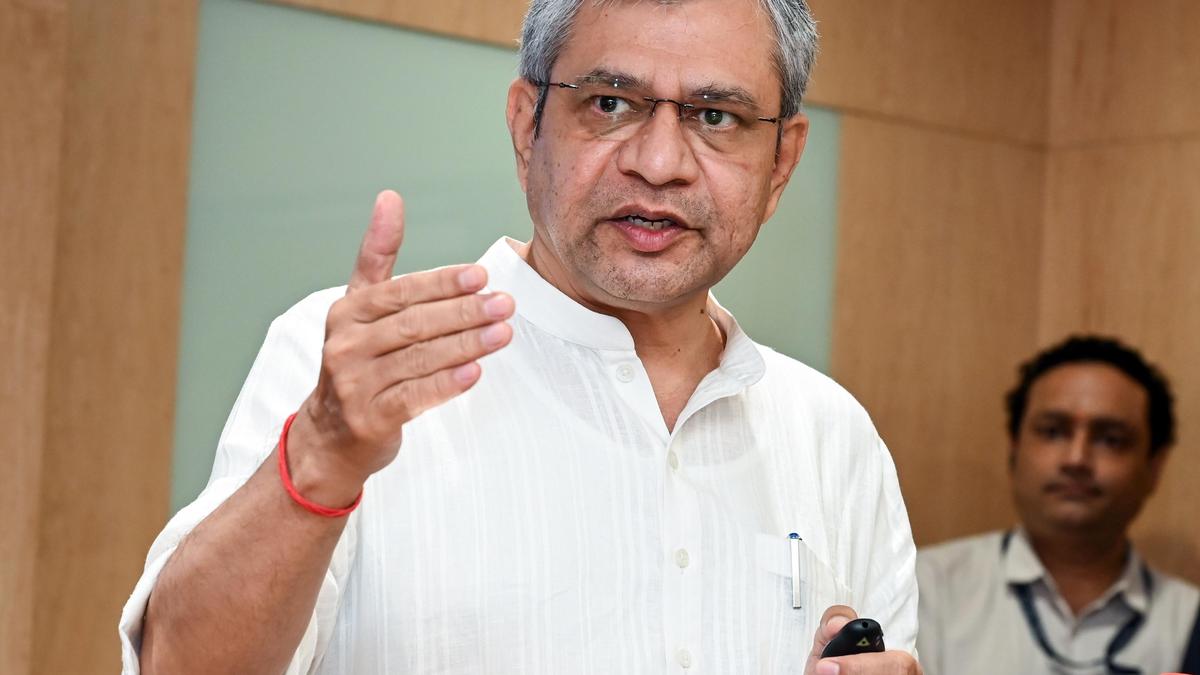
The Union Cabinet on Wednesday approved a new ₹62,500-crore Mobile Phone Manufacturing Scheme (MPMS) aimed at driving deeper localisation and domestic design in India’s high-tech manufacturing sector over the next five years.Slated to run from financial year 2026-27 through 2030-31, the newly-minted programme succeeds the Production Linked Incentive Scheme for Large Scale Electronics Manufacturing (PLI-LSEM), which ended on March 31, 2026. With this revamped framework, the government targets a cumulative production of ₹39 lakh crore during its tenure, aiming to transition the country from a volume-based exporter to a high-value technology hub.The Union Cabinet, chaired by Prime Minister Narendra Modi, also approved the ‘Semicon 2.0’ for the development of India’s semiconductor design and manufacturing ecosystem, with a total budget outlay of ₹1.27 lakh crore.Sources said that concerns around the previous PLI-LSEM scheme, including its inability to scale up the value addition in the manufacturing, have been addressed in the MPMS which was finalised after eight months of consultations with the stakeholders, especially the industry.Union Minister Ashwini Vaishnaw said: “MPMS will be spread over five years, from FY 2026-27 to FY 2030-31. There is a provision to make a mobile phone brand of India. There will be a separate project for Indian mobile phones.”Additional incentiveTo encourage localisation of sourcing which is key to creating an ecosystem, the scheme also provides additional incentive of up to 1.5 per cent linked to domestic sourcing of key components and sub-assemblies.“The MPMS scheme also aims at building Indian brands to achieve technological sovereignty, capture large economic value and create Indian patents in design and R&D,” the government statement read.Beyond localising components, the programme’s most significant departure from the past is its focus on building technological sovereignty. In a bid to cultivate homegrown global brands and escape reliance on foreign product architectures, the scheme introduces an additional 3 per cent incentive on eligible sales for local product design and research and development.To systematically dismantle the assembly-only model, the newly-approved scheme moves away from a flat payout structure. While baseline incentive support is pegged between 2.25 per cent and 5 per cent on incremental sales, the government has introduced a tiered payout mechanism.Semicon 2.0Announcing the ₹1.27 lakh crore “Semicon 2.0” scheme to holistically build out India’s semiconductor manufacturing ecosystem, Vaishnaw said it will span the entire value chain across six critical pillars, starting with a heavy focus on the domestic design of indigenous chips.The six key areas include: chip design, semiconductor equipment and materials, fabrication facilities, advanced packaging and testing, research and development, and talent development.“We will be self-reliant in the production of indigenous chips by the end of this programme,” Vaishnaw said. The Ministry will take another 10-15 days to bring out guidelines for implementation of Semicon 2.0.Published on July 15, 2026