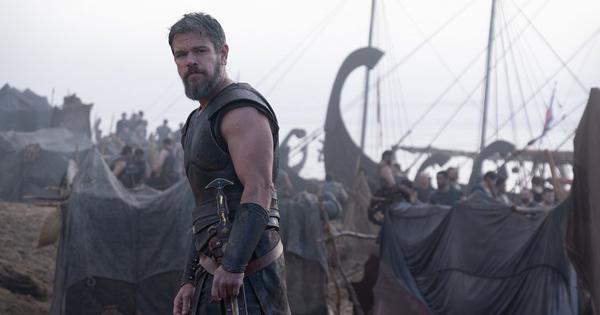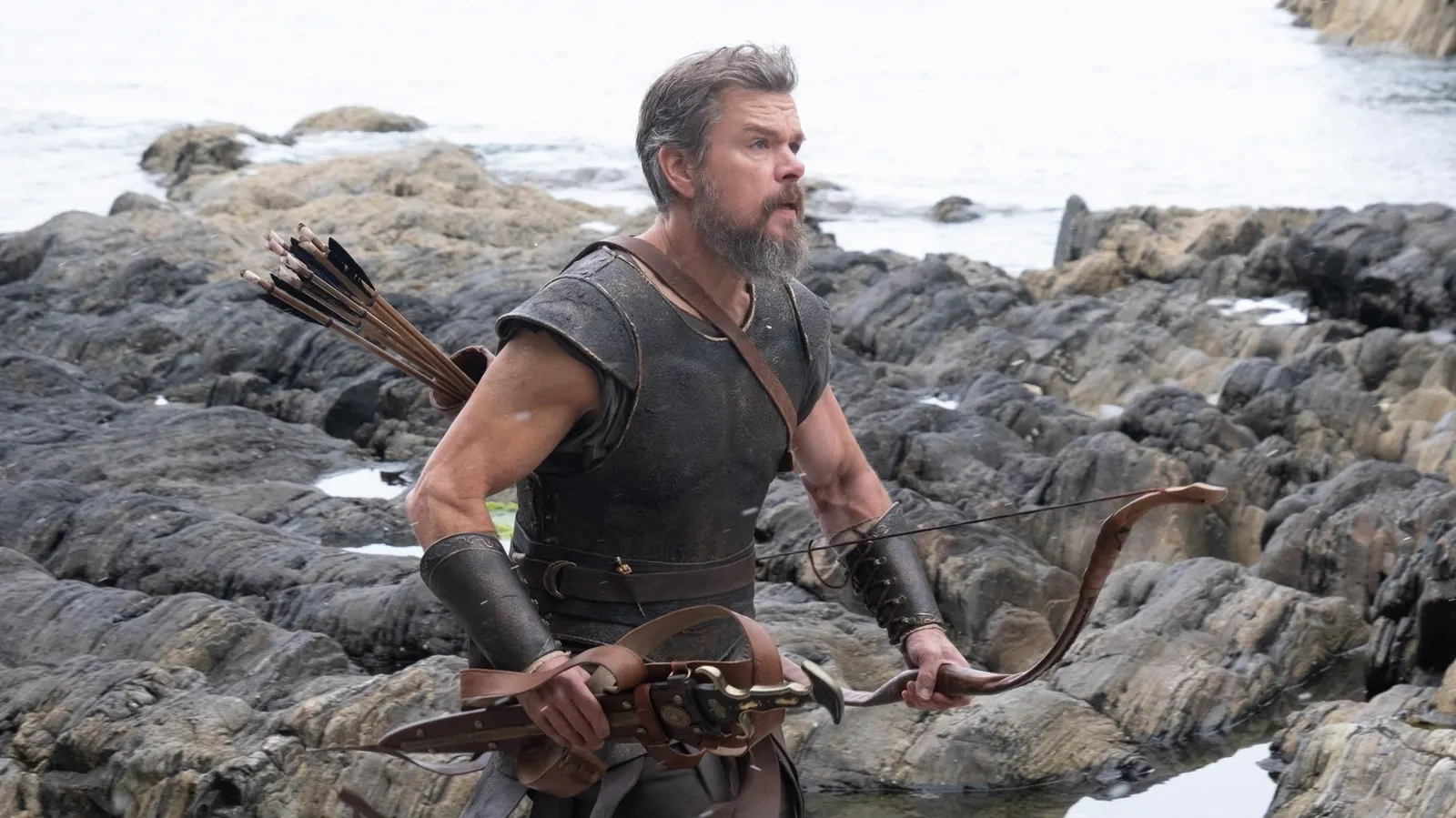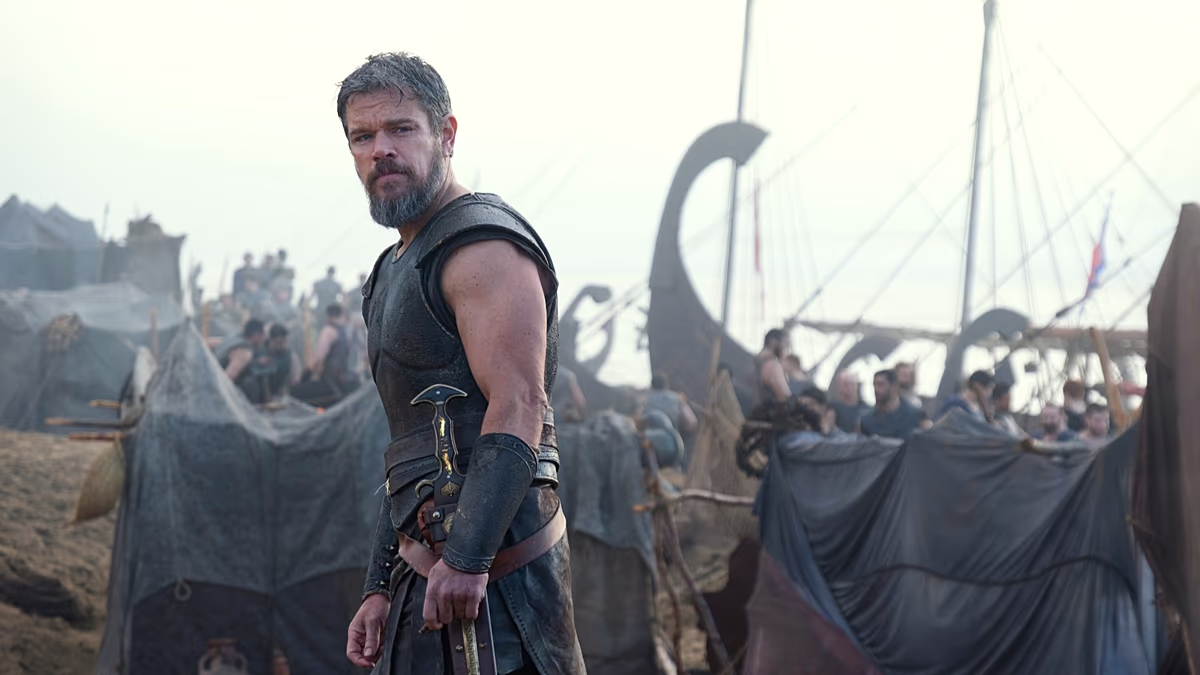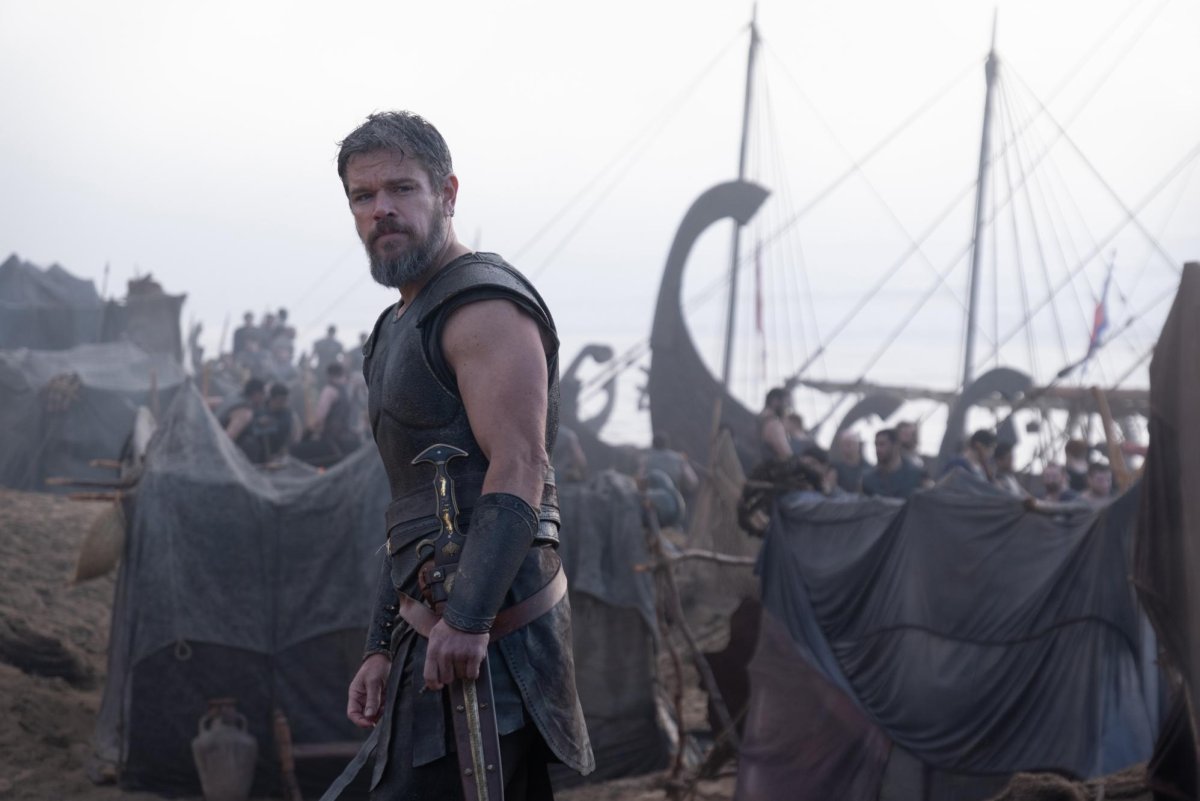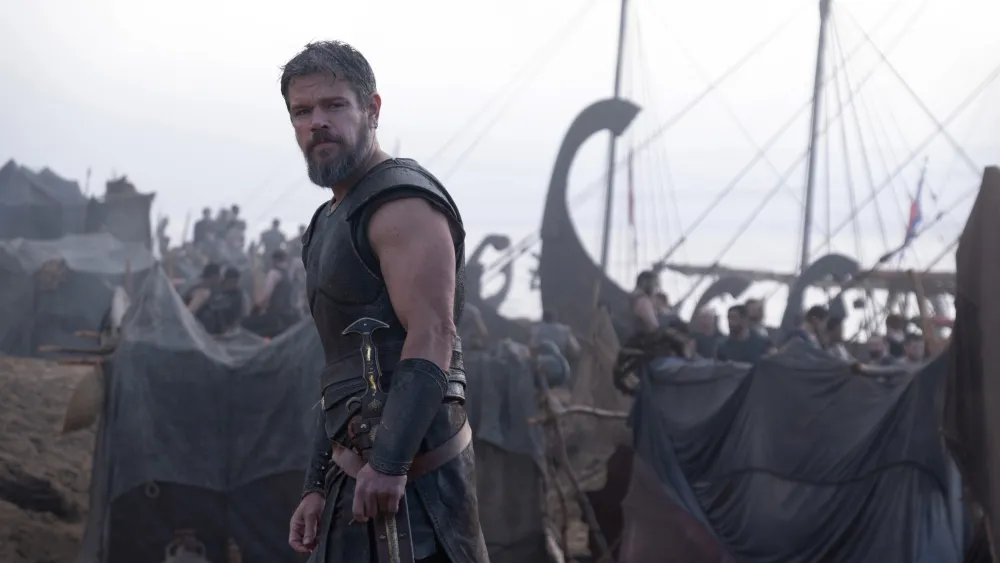
You know that feeling of complete physical exhaustion? The sensation you get after you’ve worked out super hard or maybe eaten a huge meal, and you feel totally spent, but still somehow perfect? That’s the feeling Christopher Nolan’s The Odyssey provides. It’s a movie that’s so massive, so comprehensive, so emotional, and so overwhelming that it feels like more than a movie. It feels like an experience.
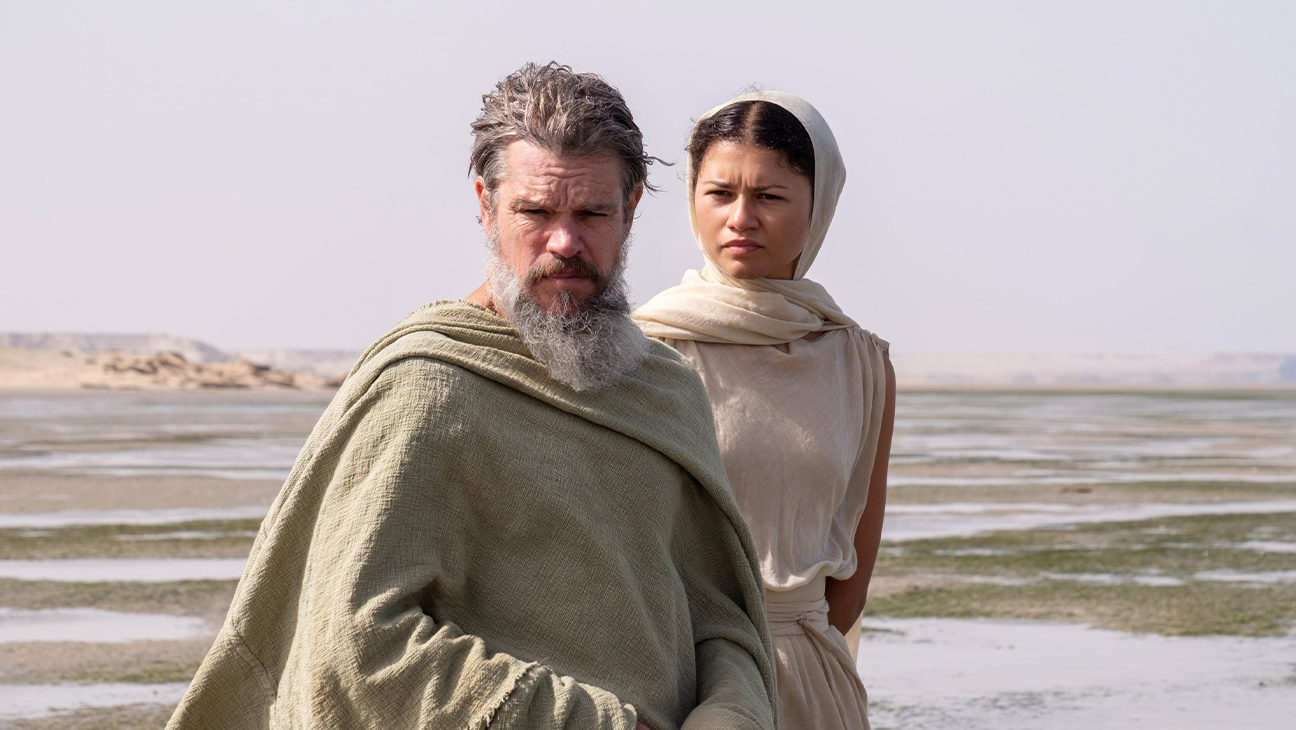
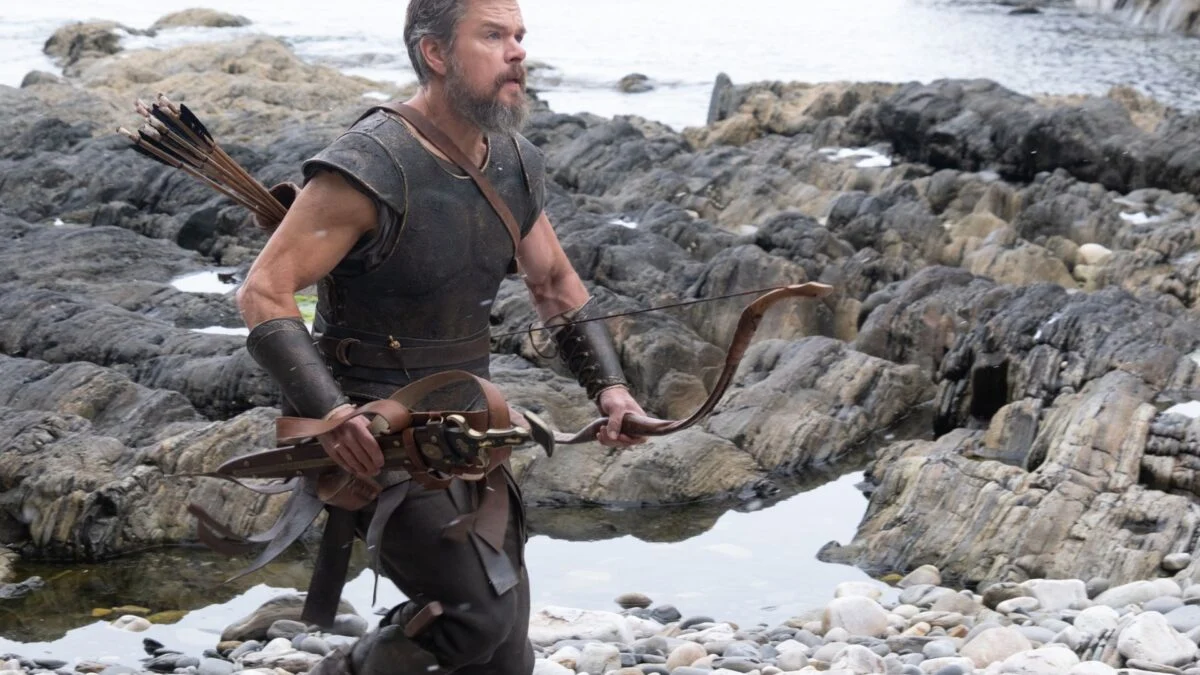
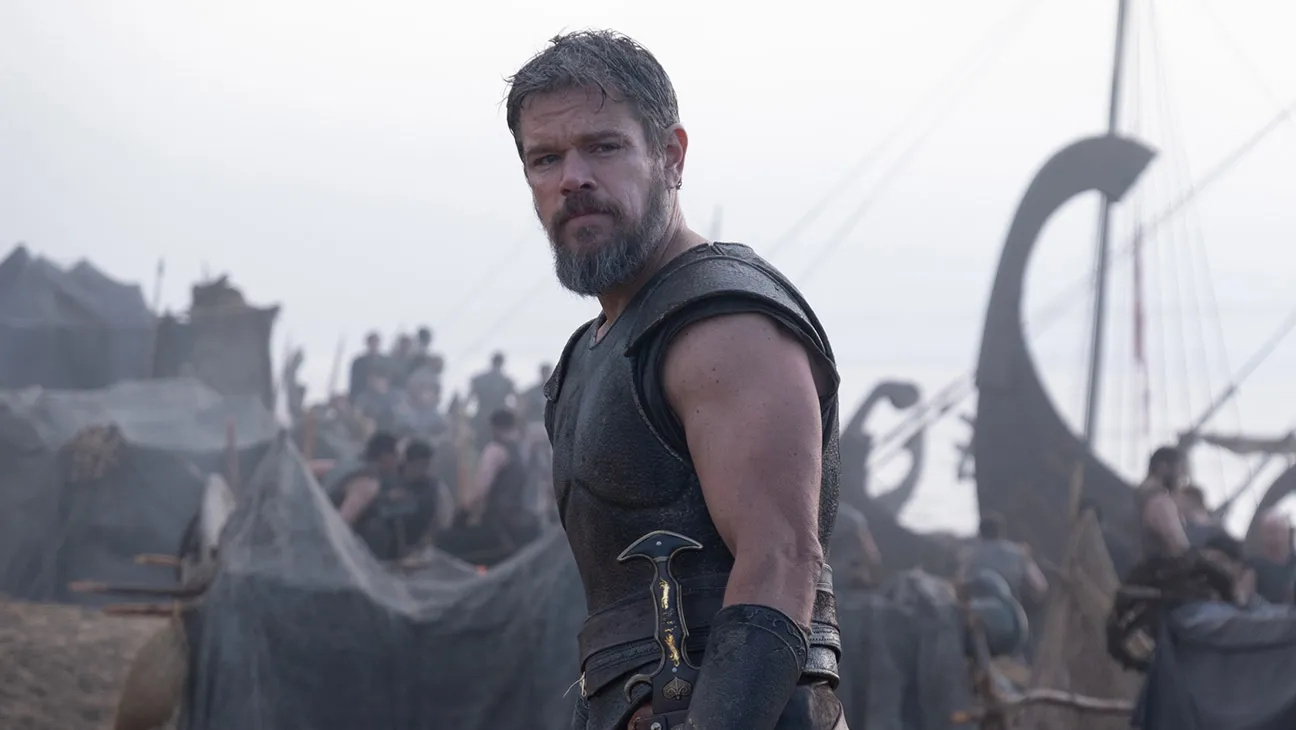
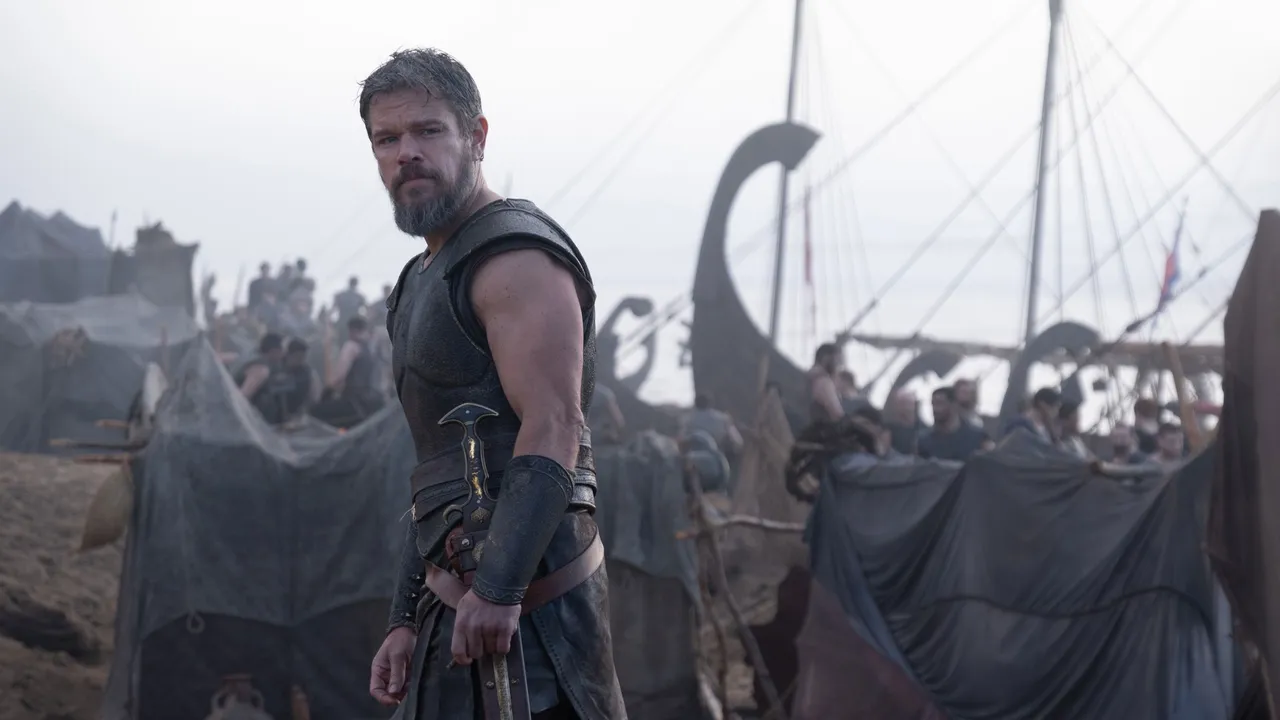
Which is pretty much exactly what audiences have been hoping for. Ever since the news broke that Nolan would be bringing his Oscar-winning, billion-dollar talents to Homer’s legendary story, expectations couldn’t have been higher. And The Odyssey definitely delivers on those. It takes audiences on an incredible ride. A ride that, we believe, happens to be a little smoother in some places, and a little bumpier at others. In the end, it’s an awesome, fully satisfying film, but one that’s just a tad less than the perfection we’re all expecting. Matt Damon and Zendaya (Image: Universal) Written and directed by Nolan himself, The Odyssey tells the story of Odysseus, played by Matt Damon. He’s the King of Ithaca who is called to war with Troy. That story, most of us know, is partially told in Homer’s The Iliad. The Odyssey is the next part of that. It’s the story of Odysseus trying to get home after the Trojan War. But to make sure we have all that context, Nolan has to weave in multiple timelines, from decades before Odysseus is called away, the Trojan War itself, and, of course, its aftermath. So, even from a basic story standpoint, and before you get to what it all means, there is already a lot going on. And, for the most part, Nolan handles this beautifully. Early on in The Odyssey, the movie oddly feels like jazz. We watch one story, and then a word or a name will trigger a need to go to another story, and Nolan will cut there. Then, it’ll happen again, not in any specific order, and while the flow of time and location should be disjointed, it isn’t. It’s lyrical and gives the film an engrossing momentum that sets up everything to come. Ludwig Göransson’s varied, ethereal score helps keep that tone and pacing, too.