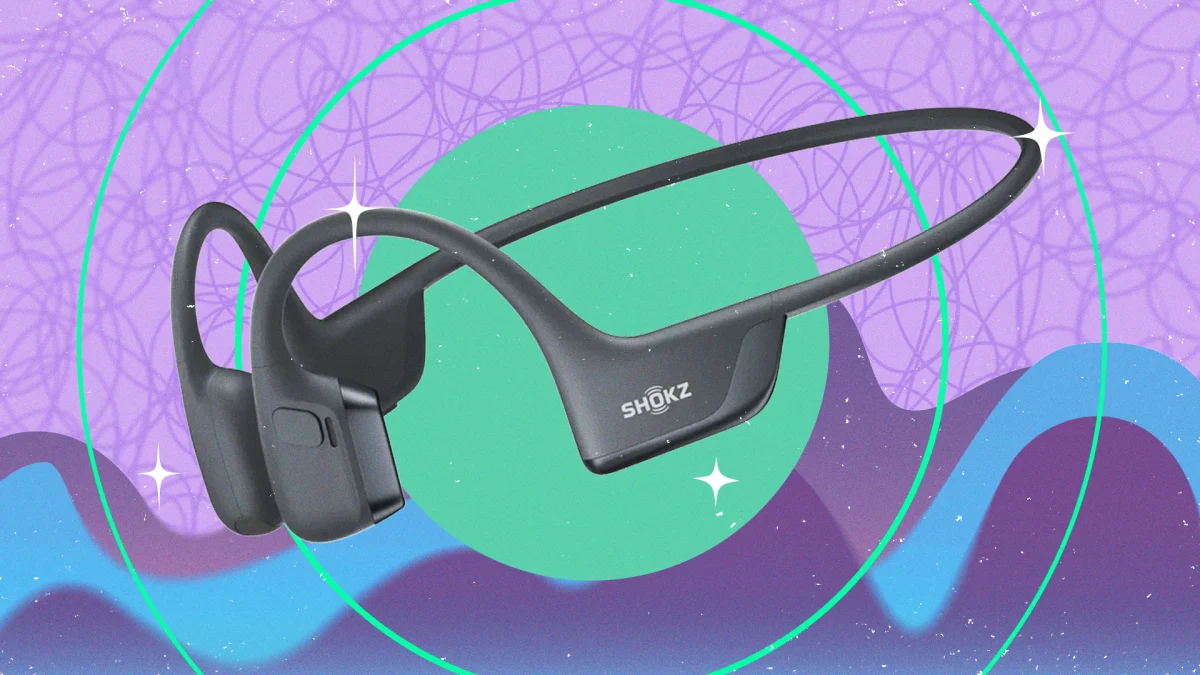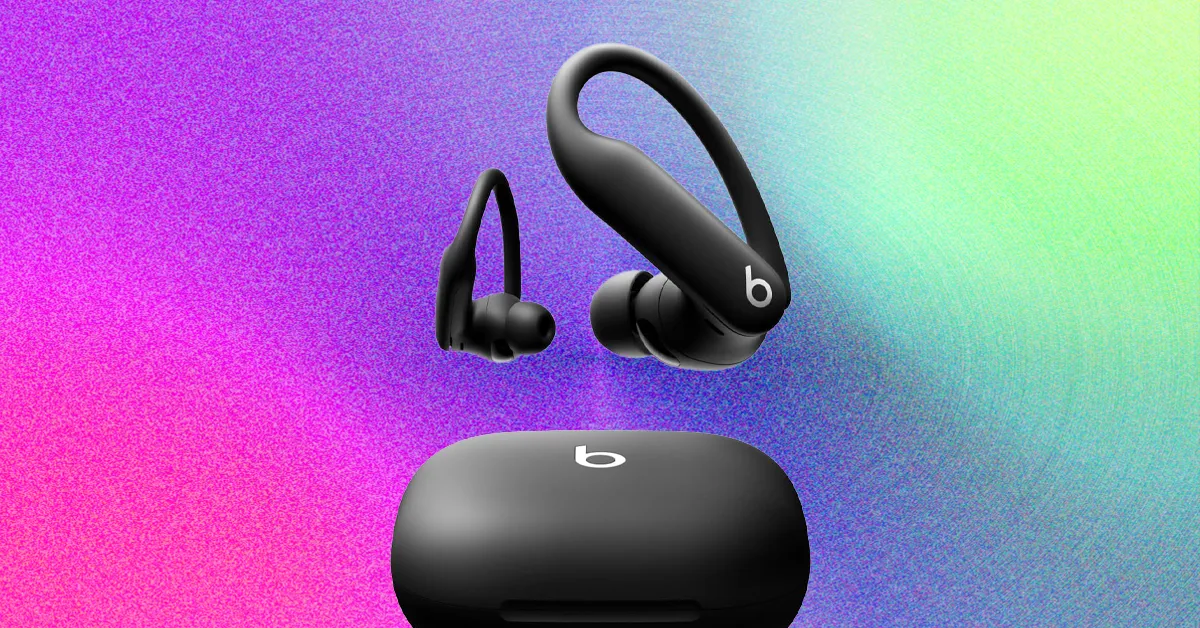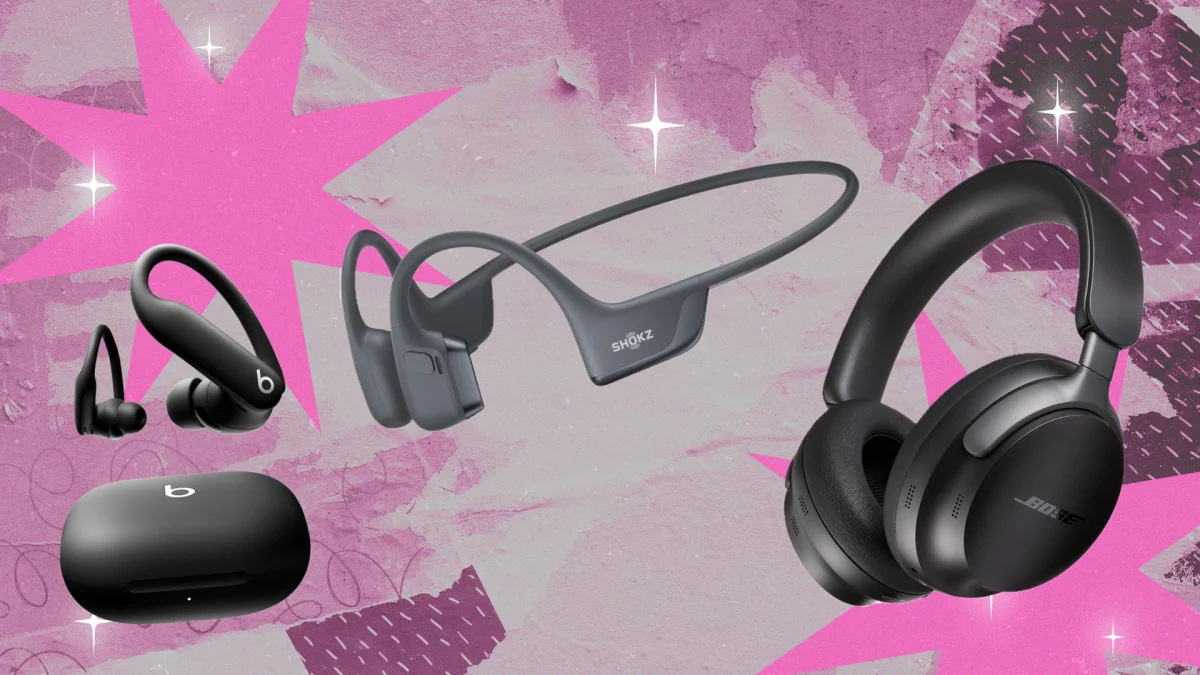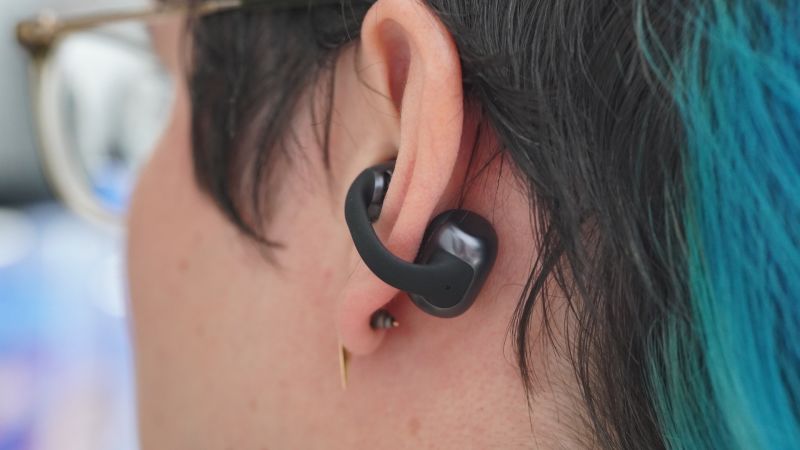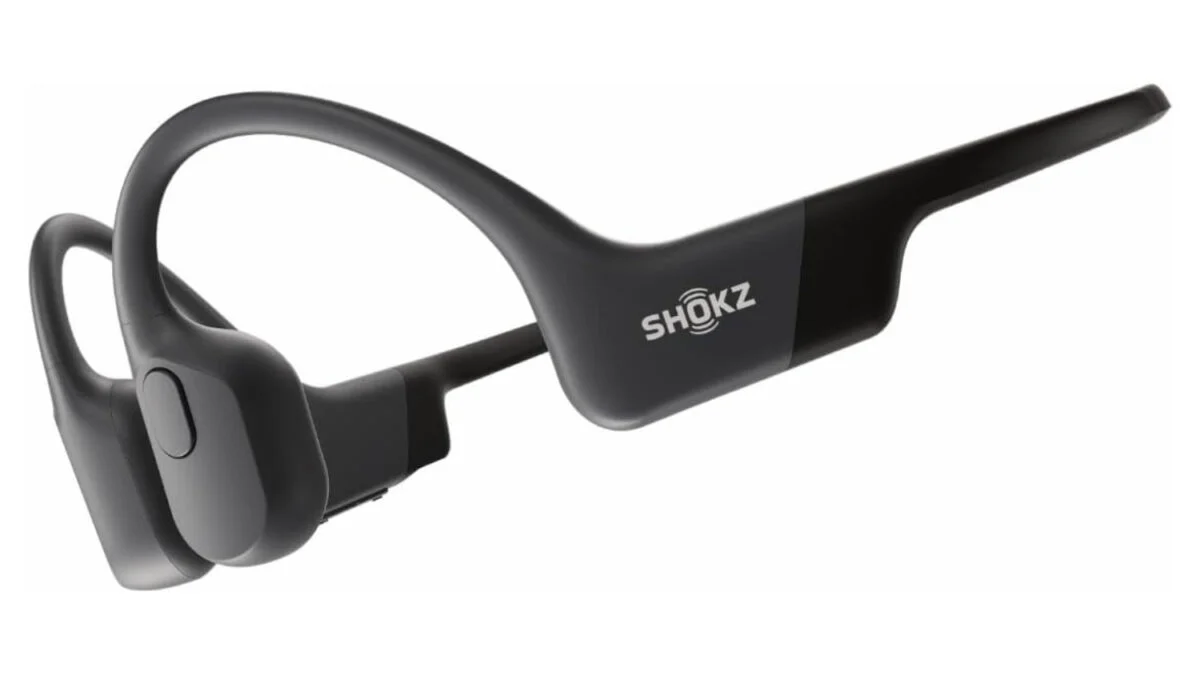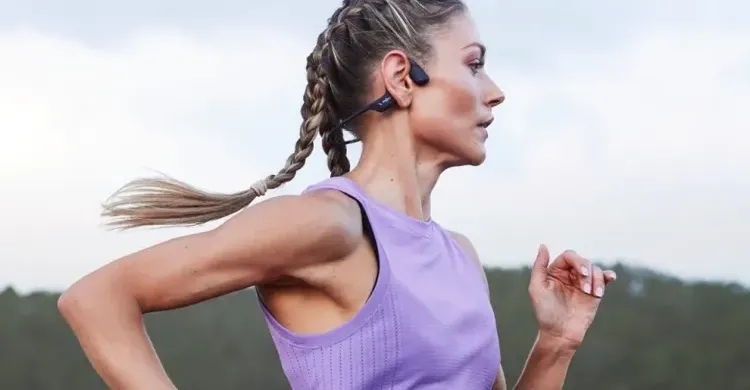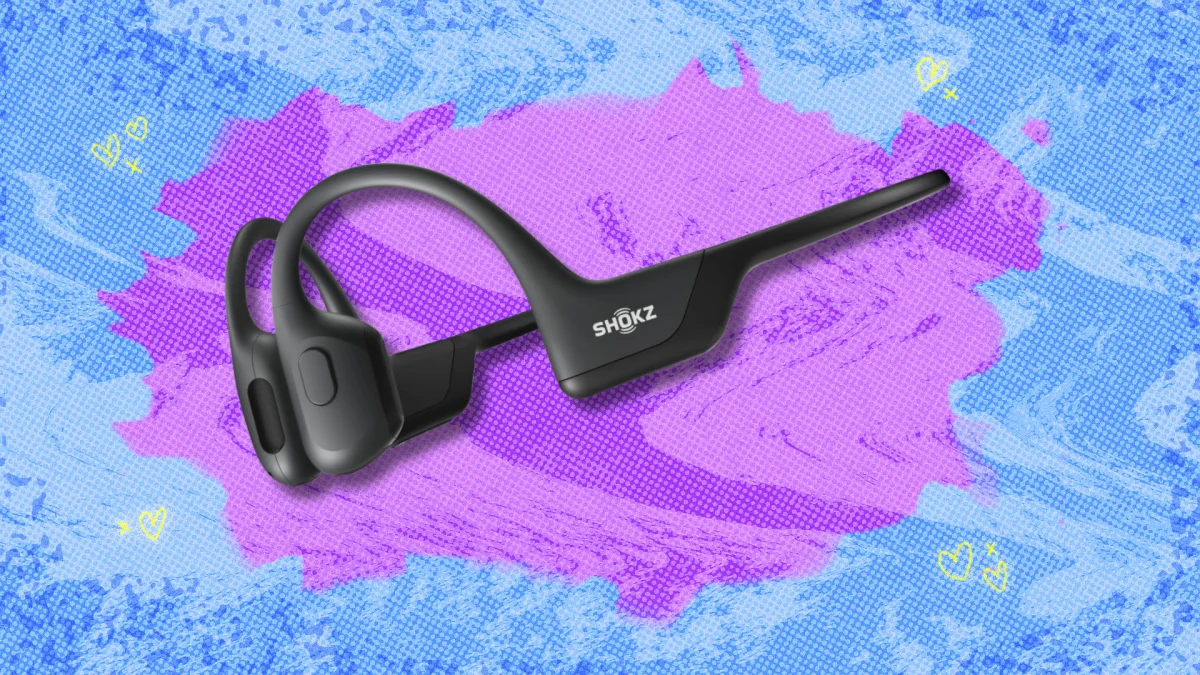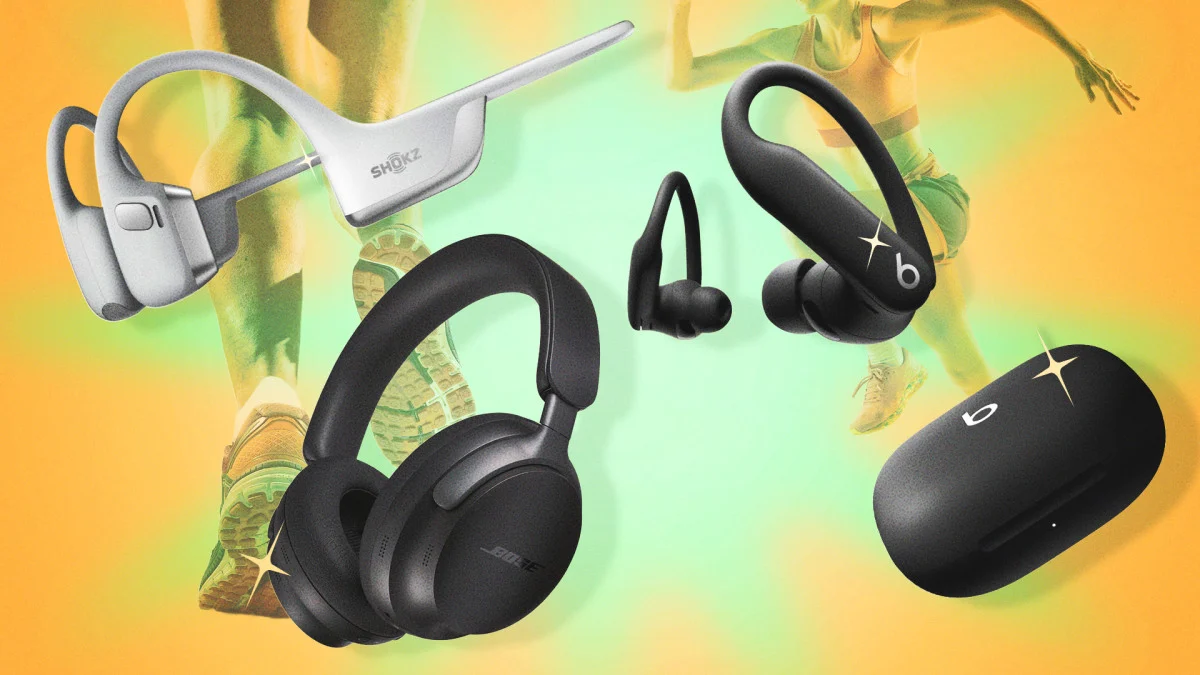
You can do all the right research and pick out the highest-reviewed, best-sounding, most durable headphones for exercise—the thing is, once you’re working up a sweat, you’ll inevitably find something about your headphones that just isn’t perfect. Maybe you share my love of the bone-conducting Shokz OpenRun Pro 2, or perhaps you want noise-cancelling earbuds, and you go with my colleague Beth’s favorites, the Powerbeats Pro 2. But once you get them on, you might notice they don’t stay in place during heavy cardio, or the sound isn’t as deep as you need for an intense lift. Before you throw in the towel on your earbuds of choice, consider these small, nerdy adjustments to enhance your audio experience before your next workout.
Get your ear tip size right—then go one step furtherStock silicone tips are designed to fit the average ear, which means there's a decent chance they're not the right option for you. If your earbuds ever feel like they're working their way out mid-workout, this is very likely a fit problem.
Memory foam tips like these solve two problems at once: they mold to your ear canal for a passive noise seal, and that same seal creates enough friction to keep earbuds locked in during movement. I recommend looking at the brand of your earbuds and buying straight from the source. For instance, Apple lets you buy new ear tips for your AirPods for around $10. There are plenty of DIY fixes online, but unless you’re particularly crafty, they might be more trouble than they’re worth. The adhesive might give out the moment you actually sweat, which can leave residue on the earbud housing. A $15-dollar pair of silicone ear hooks (like these) does the same job properly: they clip onto the earbud body and hook around the outer ear, and they're designed to survive a sweaty run without peeling off.Of course, you can save time and simply opt for earbuds with built-in ear hook designs. I’m currently writing an in-depth review of the Suunto Spark open-ear headphones, but I’ll go ahead and give an early recommendation for their ear hook design right here.Dial in an EQ specifically for your workoutMost people leave their EQ on whatever setting they use for podcasts or the office, which might be poorly suited for a workout. A track that sounds perfectly balanced at rest can sound thin and tinny halfway through a hard interval.The general move for a workout is a mild bass boost and a slight treble lift to punch through ambient noise (traffic, gym equipment, your own breathing). Everyone's preferences are different, so mess around with it before your next workout. From there, most companion apps—like Shokz, Bose, Beats, Jabra, and more—let you save this as a custom profile so you're not re-adjusting it every session. If your headphones support saved EQ profiles, it's worth setting one up specifically labeled "workout" so you're always one tap away from it.Bonus hack, since we're already talking audio: if you use podcasts to pace easy workouts, try speeding them up slightly, to around 1.25x. It's a small enough change that the content still sounds natural, but the very slightly faster speech cadence has a way of nudging your stride turnover up without you consciously trying to run faster. For me, it's a cheap, free alternative to a metronome app.Program your headphones to trigger your workout routineIf you have a pair of headphones you use exclusively for workouts, you can set up your phone to automatically do things the moment those headphones connect. On iPhone, this lives in the Shortcuts app under Automation. Create a new automation, choose Bluetooth as the trigger, select your workout headphones specifically (not "any device"), and set it to run when they're connected. From there you can chain in an action—like opening Strava—the second your running headphones pair.