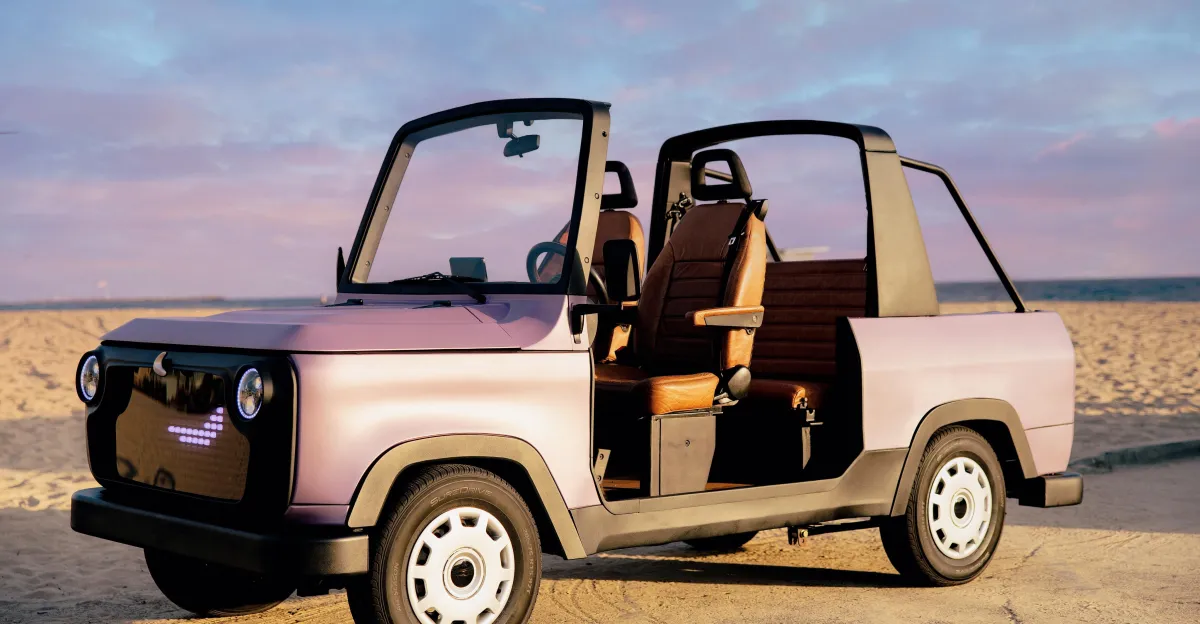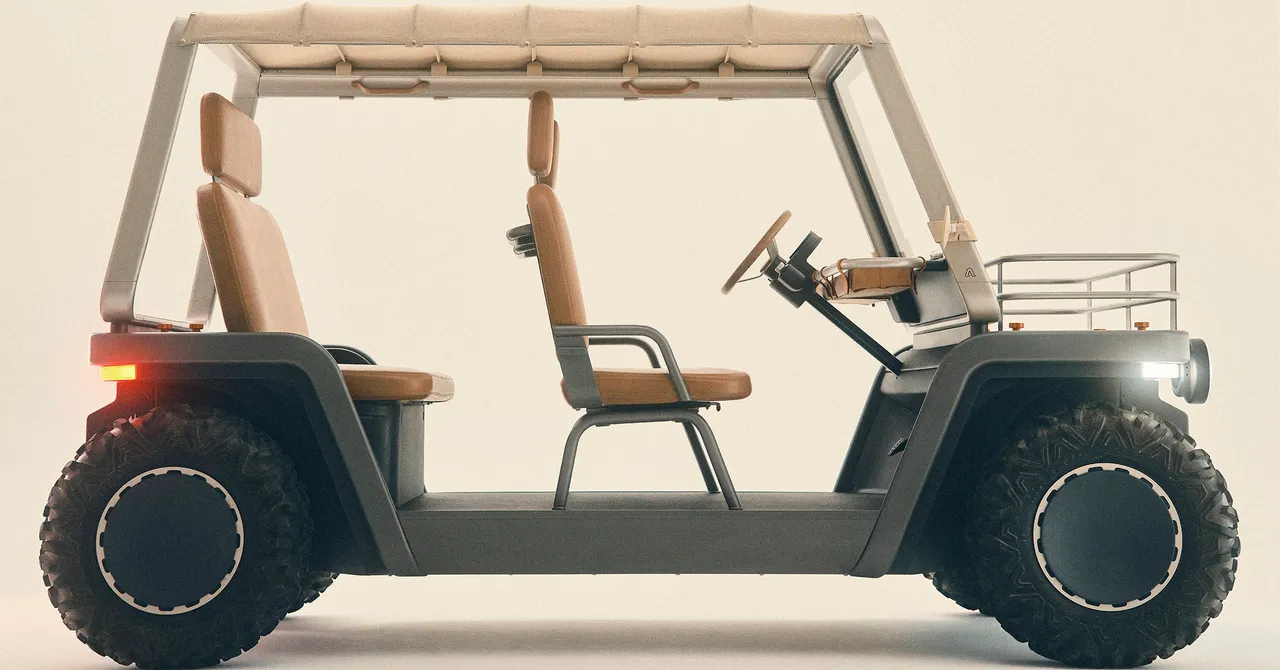
Chip's low-speed electric vehicles are designed for short daily trips and priced from $15,000.Chip MotorsU.S. sales of electric vehicles have plunged since the Trump administration killed a $7,500 federal credit last year, but a group of startups hopes to change that. They’re preparing to launch a new wave of quirky, affordable battery-powered models over the next year that are distinctly different from anything Tesla or other big automakers offer. The newest is a small, inexpensive “life utility vehicle” from Miami-based Chip, which starts taking reservations today. It only has a top speed of 25 miles per hour, and is intended as a secondary vehicle designed to handle daily shopping trips, school runs and short commutes. It’s available in four- and six-seat versions, with a $15,000 base price. Though essentially a beefed-up golf cart resembling a small jeep it has far more safety features, including higher ground clearance, a roll bar and flat LFP battery pack along the floor to protect occupants. It also has multiple cameras and radar to monitor traffic conditions. The vehicle's range is 100 miles per charge, which can be done with a standard 110-volt wall outlet, though a 240-volt socket will repower it less than half the time. That’s a reason Chip sees an opening for a different type of EV, but it’s hardly the only one. TELO, a Silicon Valley startup, thinks another way to attract new buyers to the segment is with a small pickup that looks like it was dreamed up by designers from Lego and IKEA. For drivers interested in relatively inexpensive, long-range EVs, Aptera is finally about to begin delivering its three-wheel model that’s capable of being passively recharged by integrated solar panels. If it does actually begin delivering $41,000 commercial units in the coming months it will be a major accomplishment, since the original incarnation of the company died in 2011, only to be resurrected by its founders in 2019. Looking more like a small, high-tech airplane, the highway-legal Aptera model is to have up to 400 miles of range, with integrated solar panels that can provide up to 40 miles of driving range per day. Chip’s Detweiler thinks there’s plenty of room for all the new players.“I like to think about the category overall as companies that are right-sizing vehicles. TELO’s another great one,” he said. “Slate's really stripped down. We're actually pretty technology forward, but constrained in where you can operate the vehicle. I love all of those products. Slate is something that we would look at even as complimentary rather than competitive.”ForbesAmerica Isn't Just Losing The EV Race—It's Falling Behind On Tomorrow's Power GridBy Anna Demeo
A Beefed Up Golf Cart And An Anti-Cybertruck: Cheap, Quirky EVs Are Coming
Chip Motors is taking orders for a low-speed, battery-powered “life utility vehicle,” priced from $15,000, joining a new wave of quirky EVs.
439 words~2 min read