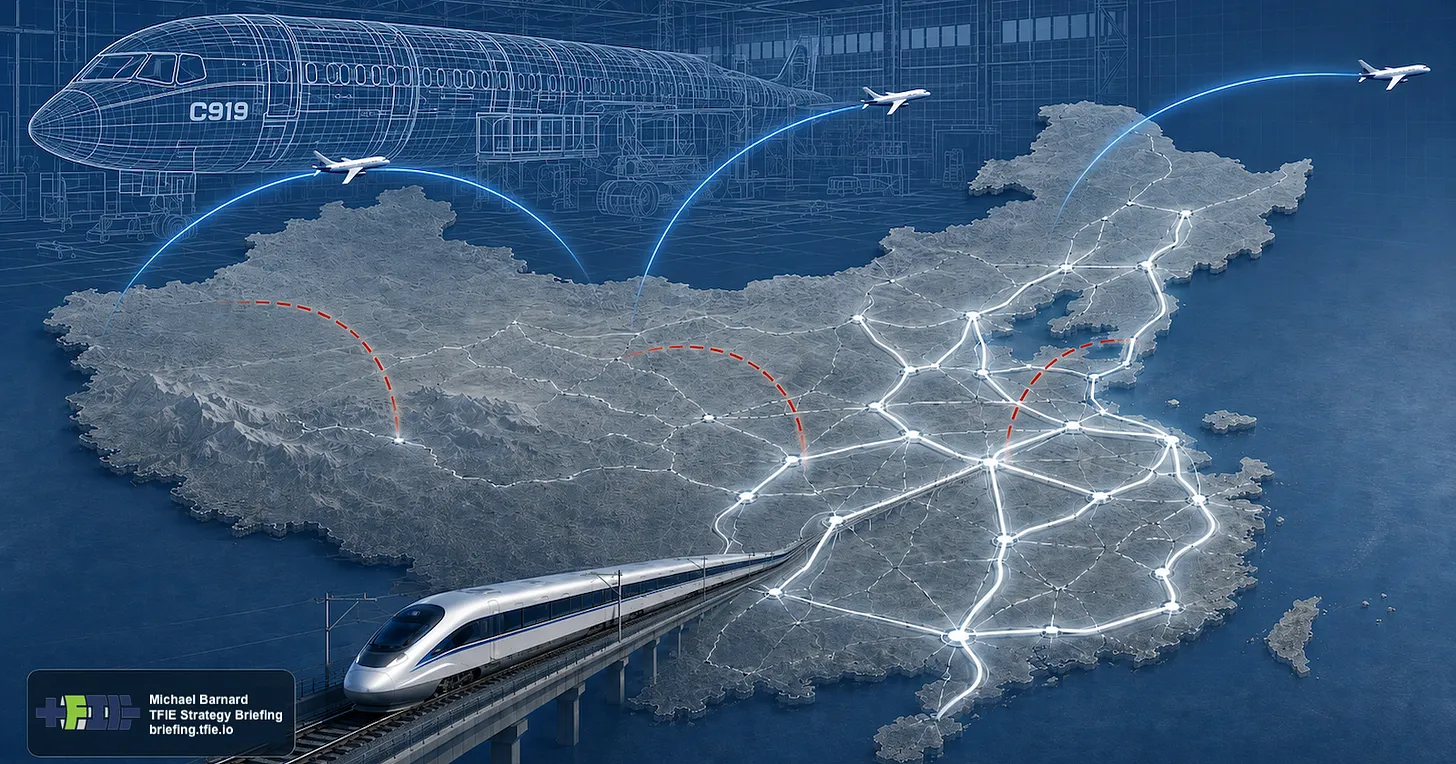
China moves dense short-haul travel to rail while building COMAC into the aircraft market that remains.
Support CleanTechnica's work through a Substack subscription, on Patreon, or on Stripe. Help us produce all of the high-quality, original content we publish week after week despite the challenges of content-scraping AI, antisocial media, inflation, and other hurdles.
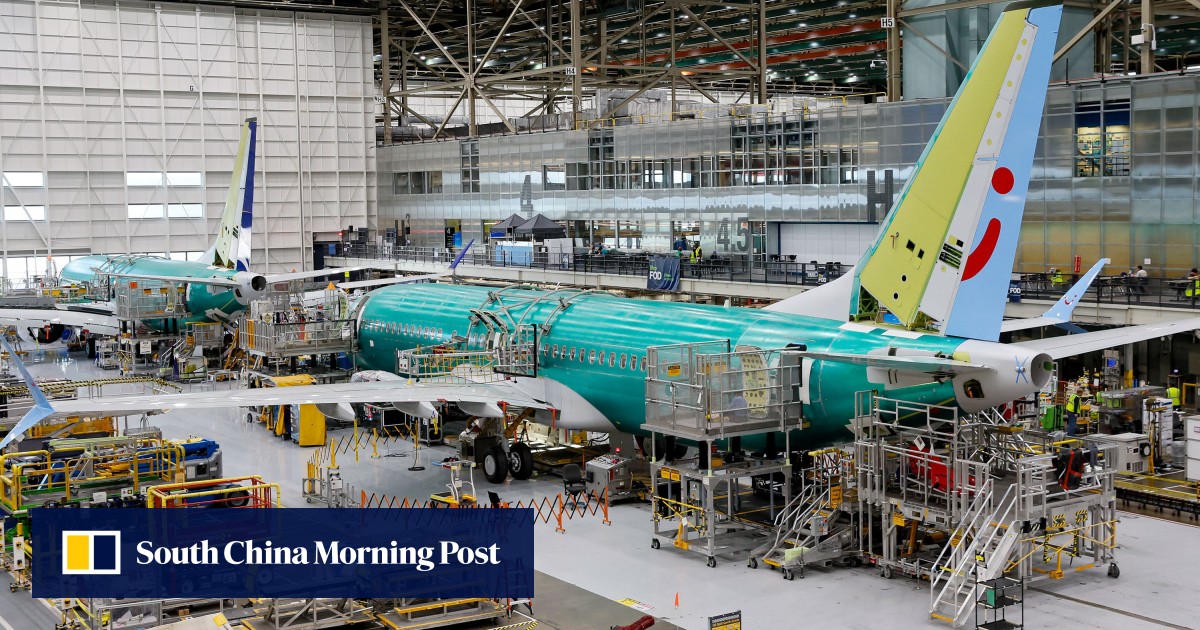
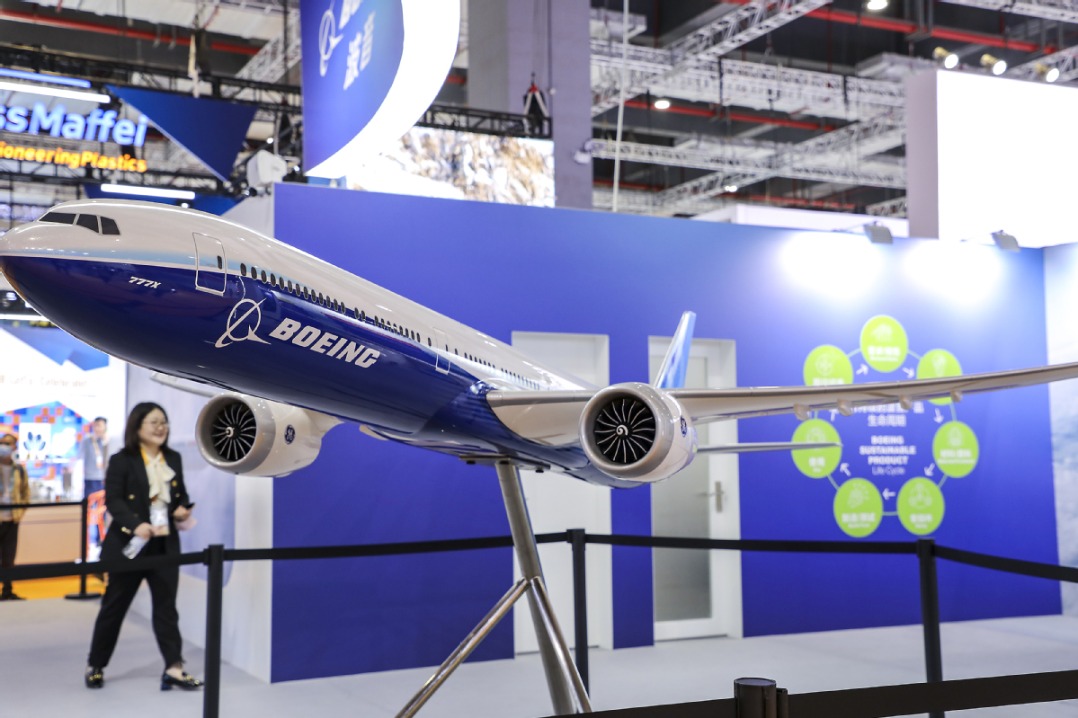
Boeing expects Chinese airlines to require 8,830 new commercial aircraft by 2043. That sounds like an enormous opportunity until the denominator is corrected. China is not starting with aircraft demand and asking which manufacturer should supply it. It is deciding how people should move, assigning dense corridors to electric rail, building domestic aerospace capability and buying foreign aircraft for the portions of the system it cannot yet supply itself.
That makes Boeing’s China-specific market outlook a mobility forecast rather than a Boeing sales forecast. China may need thousands of new airframes while directing a shrinking share of the resulting market toward Boeing.
The first correction is the scale of rail. In 2025, Chinese railways carried 4.601 billion passenger trips and 1.640 trillion passenger-kilometres. Civil aviation carried 770 million passengers and 1.399 trillion passenger-kilometres. Aviation remains a major transport mode, but the average trip lengths reveal the division of labour: rail performs the mass movement of people, while aviation is pushed toward the longer-distance layer where speed over distance still compensates for airport access, security, delays and transfers.