Eight-year-olds are typically busy being eight-year-olds. They build with Lego, debate the merits of Roblox or Fortnite, trade cards, collect stickers, ride bicycles, and attempt to convince their parents to purchase another popsicle or small toy. If they receive pocket money, they weigh whether to spend it immediately or save it for the following week.
Naturally, some children possess relatively high financial awareness. My eldest son, for example, has always shown an interest in money. By age four, he began collecting coins and later "Paper money," meaning banknotes, which he sorted by color: Purple, red, pink, and green. Eventually, questions followed regarding how much items cost, what was more expensive, and what was cheaper.
By the standards of a child his age, his financial awareness was quite strong. Yet, it was limited to what he could see and hold. For him, money was something tangible that could be counted, sorted, and placed in a piggy bank–not an abstract concept.
Banks and credit card companies see children as their target audience
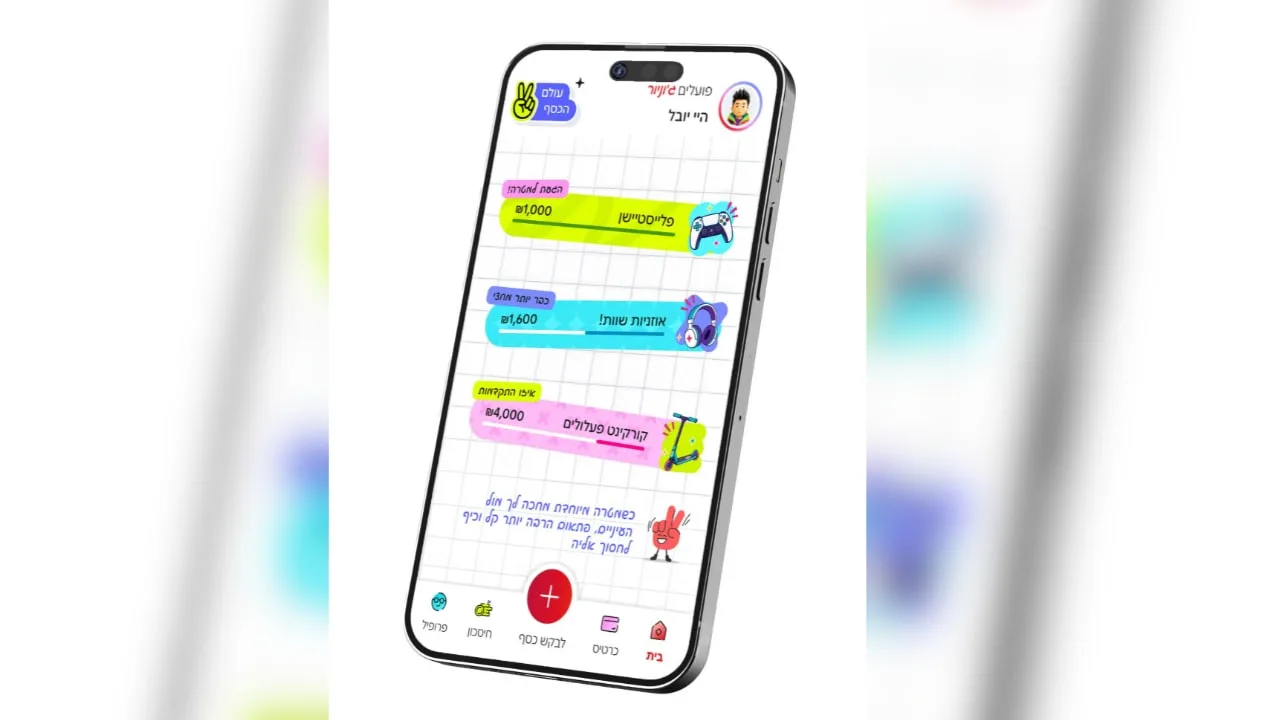
While eight-year-olds are occupied with activities matching their biological age, banks and credit card companies are focused on something entirely different. For them, third graders are already a target audience. In recent months, they have begun competing for the pockets of eight-year-olds. One bank offers a digital platform featuring a prepaid card and interest on a deposit, another markets a digital wallet with savings and money transfer features, and credit card companies are peddling their own prepaid cards. Everything is packaged in educational language, employing lofty rhetoric about independence, responsibility, and financial education.