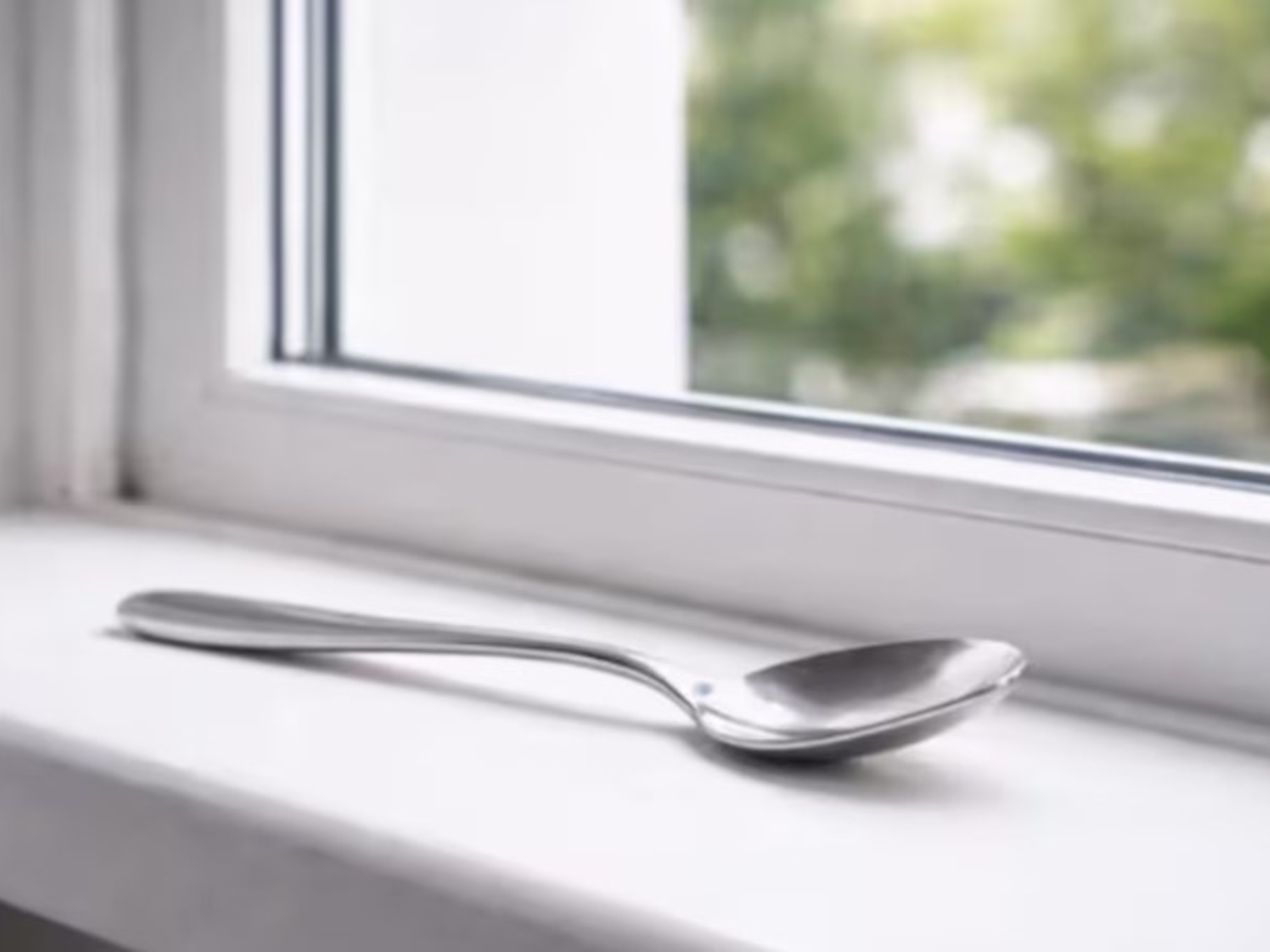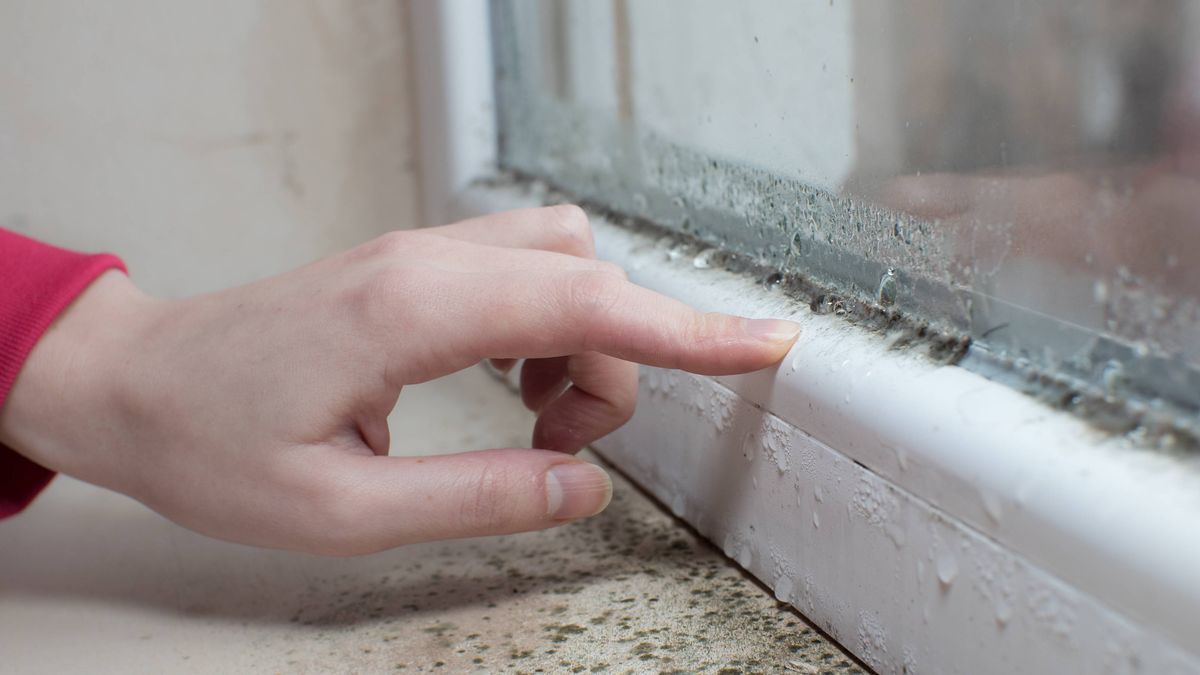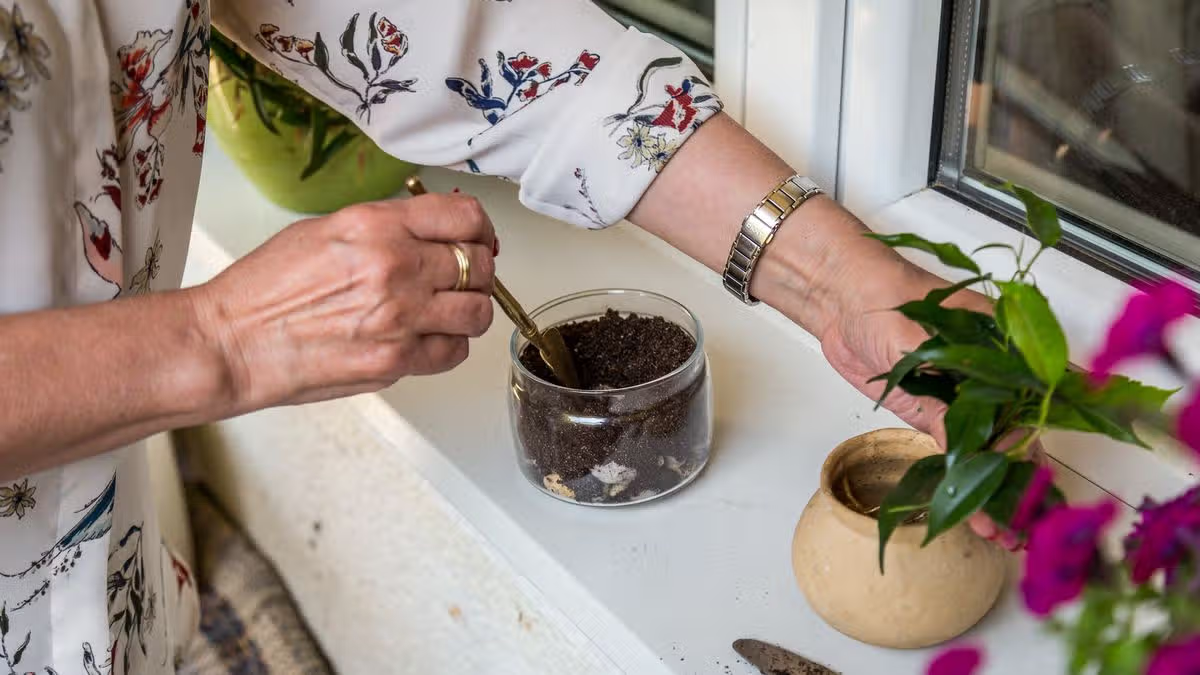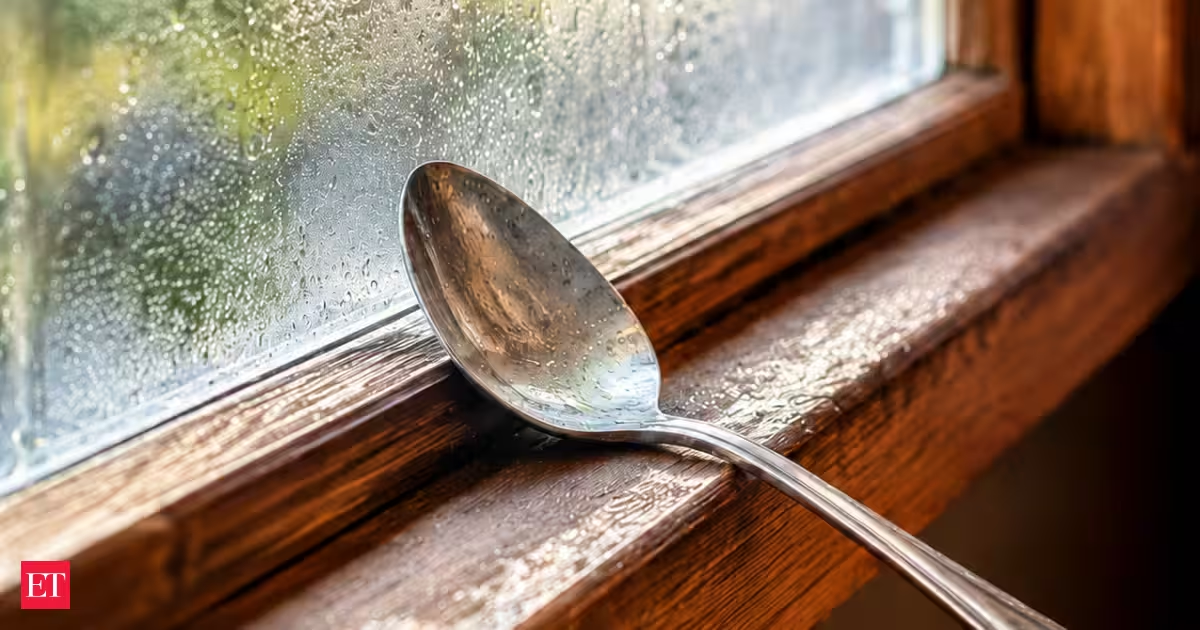
If you've scrolled through home-hack videos lately, chances are you've seen someone jam a metal spoon into a window frame, handle facing out and the curved bowl hanging over the edge of the glass. It sounds like a kitchen superstition. But, as the U.S. Environmental Protection Agency's guidance on mold and moisture points out, this habit taps into something the agency has been warning homeowners about for years: condensation and the damp-home issues it quietly signals.The old belief that never quite leftIn homes across the US and Europe, small kitchen objects served as quiet household signals long before there were government pamphlets on indoor air quality. Dropped utensils were supposed to signify that visitors were coming. Spoons went under pillows to ensure a good night's sleep or hung by the crib to "catch" evil energy. That same lineage is a spoon left on a windowsill: a plain, everyday object doing a little unseen, protective work.There’s no clear origin story for the window spoon itself, and that’s probably why it has survived. It wasn't something you would read about in a book. It was passed down like most kitchen lore: a grandmother says it once, a parent repeats it without explanation, and it becomes “something we do.” It’s less superstition, more inherited common sense for the social-media generation of millennials and Gen Z rediscovering it.Old kitchens were full of quiet rituals like this one. Image Credits: ChatGPTWhat's actually happening, according to scienceTake away the folklore, and there is a real physical process behind the modern version of this trick. Metal is much more conductive than glass, so a stainless steel spoon pressed against a cold window frame will chill down quickly and become the coldest surface around. Condensation happens when warm, moist air comes into contact with a cold surface, like the mirror in your bathroom fogging up partway through a shower. The idea is that water vapor condenses on the spoon first, and gravity pulls the droplets off the curved bowl and out rather than down the inside of the glass.This is good kitchen physics, but it has to be said that there are limits to its claims. It’s an inexpensive and harmless experiment, but it’s not a scientifically proven cure for a damp home. Think of the spoon as not the answer but an early warning on your windowsill.And that warning is more significant than it seems. The most important thing you can do to prevent household mold is to control indoor moisture, because mold can’t grow without water, according to the EPA's Brief Guide to Mold, Moisture, and Your Home.Why doctors want you to treat this seriouslyHere’s where the trick goes from quirky to actually useful. The Centers for Disease Control and Prevention says people exposed to damp and moldy indoor environments can end up with a stuffy nose, sore throat, coughing or wheezing, burning eyes, and skin rashes. Those with asthma or mold allergies may suffer more serious reactions.A cold spoon, a foggy window, and an early warning most people miss. Image Credits: ChatGPTIn a separate review of the available research, the World Health Organization’s Guidelines for Indoor Air Quality: Dampness and Mold found consistent associations between damp homes and higher rates of respiratory symptoms, allergic reactions and asthma flare-ups.That doesn’t mean a foggy window is a trip to the emergency room. For millennials in their first apartments, older rentals, or draughty buildings without central air, a daily peek at the windowsill is an easy way to catch a slow-building problem early.A cheap habit worth keepingThe most interesting part of the spoon trick isn't the physics or the folklore, but how naturally the two sit together now. The old belief gave families a little ritual for something they couldn’t quite explain. The modern explanation provides a reason for that same ritual, based on elementary home science. Either way, the practical advice is the same: keep an eye on your windows, turn on those exhaust fans after showers and cooking, and don't let moisture hang around too long.A spoon, of course, won't seal a leaking pipe, fix a broken window seal, or add insulation, nor will it be a substitute for a real hygrometer or a dehumidifier if your home has humidity problems. Once mold is growing, the fix is to clean it up and deal with the water problem causing it, not to rely on a spoon, the EPA guidance says. But it’s a free, five-second habit that has created a quiet, permanent spot for itself in many American kitchens: part superstition, part science, and not nearly as silly as it first sounds.
Why some families still put a spoon in the window at night: The old belief behind it and the reason it hasn't gone away
Discover the folklore and scientific reasoning behind the common practice of putting a spoon in the window to prevent dampness and mold. Uncover the old beliefs that persist and their relevance in modern homes.
766 words~3 min read