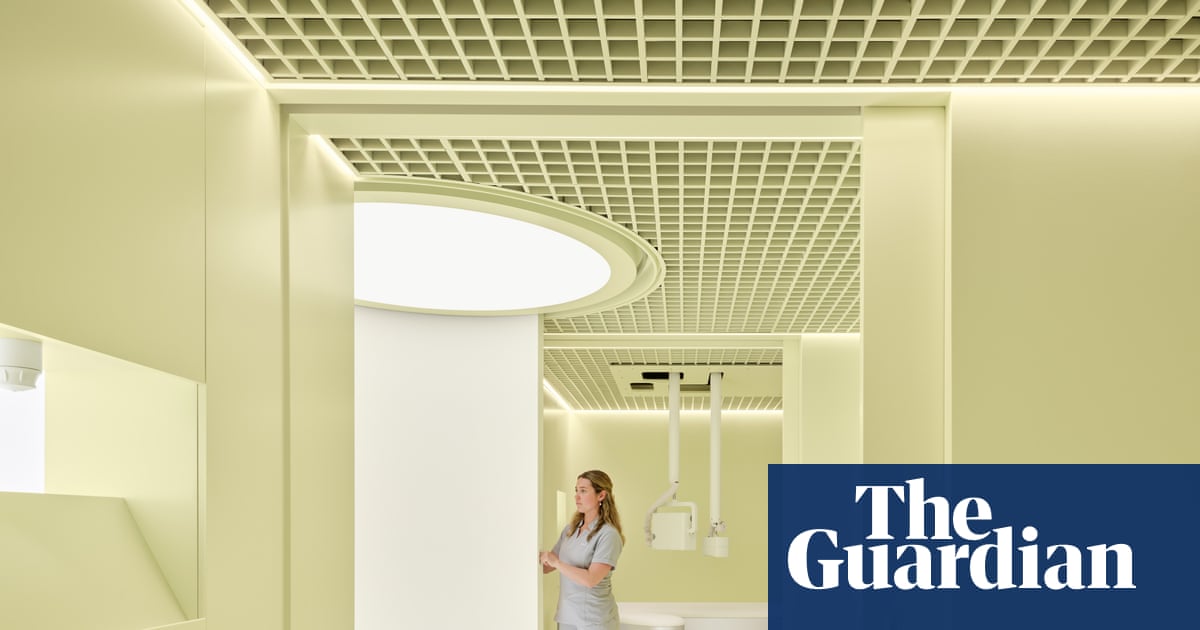
In June, at a reassuringly posh med spa called Suma Life House in Greenwich, Connecticut, I found myself thumbing through what’s called a “Journey Guide,” deciding whether I wanted to relax, release, recover or reconnect. While I weighed my options, one boasting the sonic accompaniment of “melancholic cello” and another the gentle vibrations of an ancient didgeridoo, the woman sitting to my right answered emails on her laptop while undergoing IV therapy. I asked her if she’d ever experienced the cellular wonders of NAD+ (Nicotinamide Adenine Dinucleotide) infusions or come here to be injected with PDRN, a treatment involving salmon DNA that’s said to stimulate the production of collagen. Not yet, she told me. But like so many people looking to thwart the indignities of old age, she was willing to try anything.
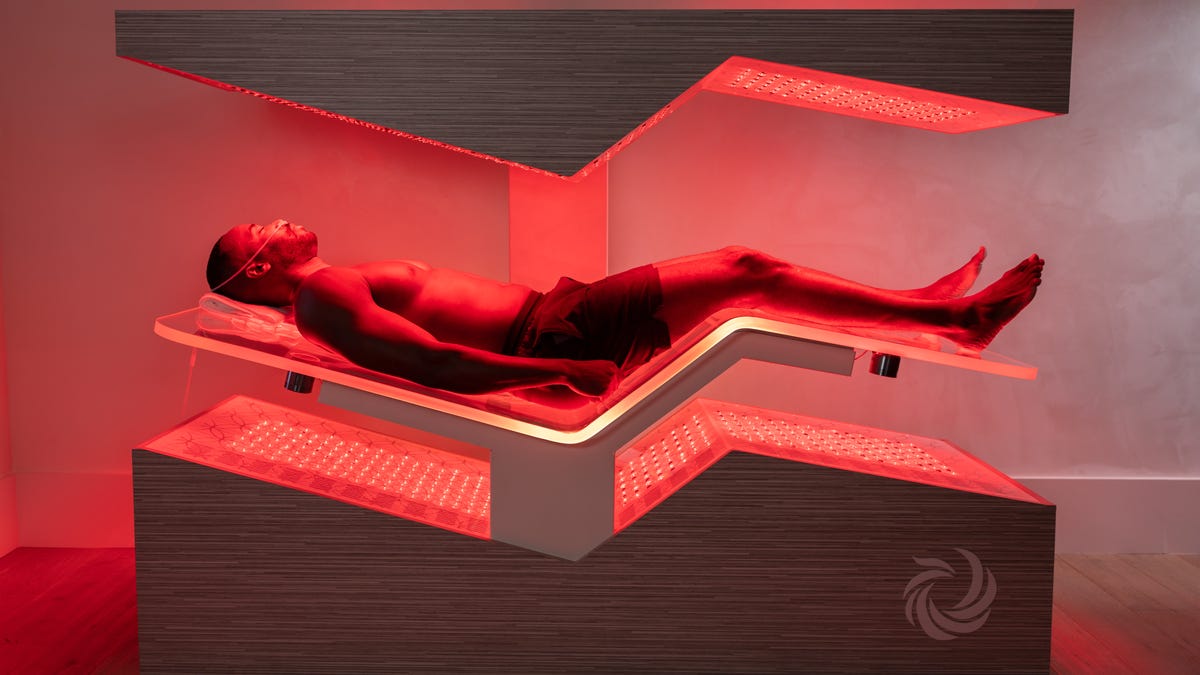
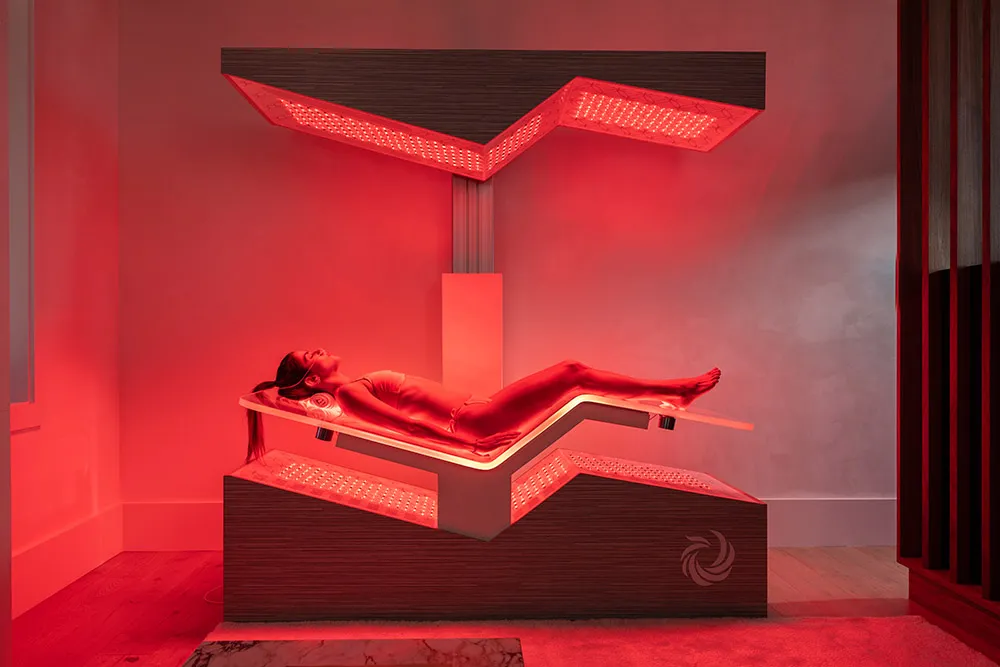
I myself was waiting to be scorched back to health by the Ammortal Chamber, a $159,500 griddle that combines various noninvasive technologies — meditation, molecular hydrogen, vibroacoustics, electromagnetics, and both red light and near-infrared therapy — to hasten recovery, relieve inflammation and ameliorate stress, among other benefits.
This, I’d heard, was the restorative carapace in which Los Angeles Rams quarterback Matthew Stafford reclined during training camp before proceeding, at the manifestly advanced football age of 38, to win league MVP; the one endorsed by baseball superstars Mike Trout and the Dodgers’ Freddie Freeman; the device touted by the biohacking evangelist Dave Asprey, whose experiments in the arenas of longevity and self-optimization include, but are not limited to, brain-wave training, stem-cell overhauls and keeping an ejaculation journal. There was, then, reason to believe that after a week of heavy drinking and dysregulated nerves — Games 3 and 4 of the NBA Finals had taken place on the Monday and Wednesday prior to my visit — I too might benefit from the Ammortal Chamber, whose creator Brian Le Gette makes sure not to overstate the device’s curative abilities. “Like all the tech that’s out there, we don’t heal anything,” he told me. “We’re not a medical device. We are a wellness product, so I never use the words healing or curing or pain relief.” The idea, he added, is to “support you in your own healing process,” down-regulating the nervous system to what’s called a “parasympathetic state.”