The first time I saw a film come together inside a machine instead of on a stage, I didn’t feel wonder. I felt something closer to grief.
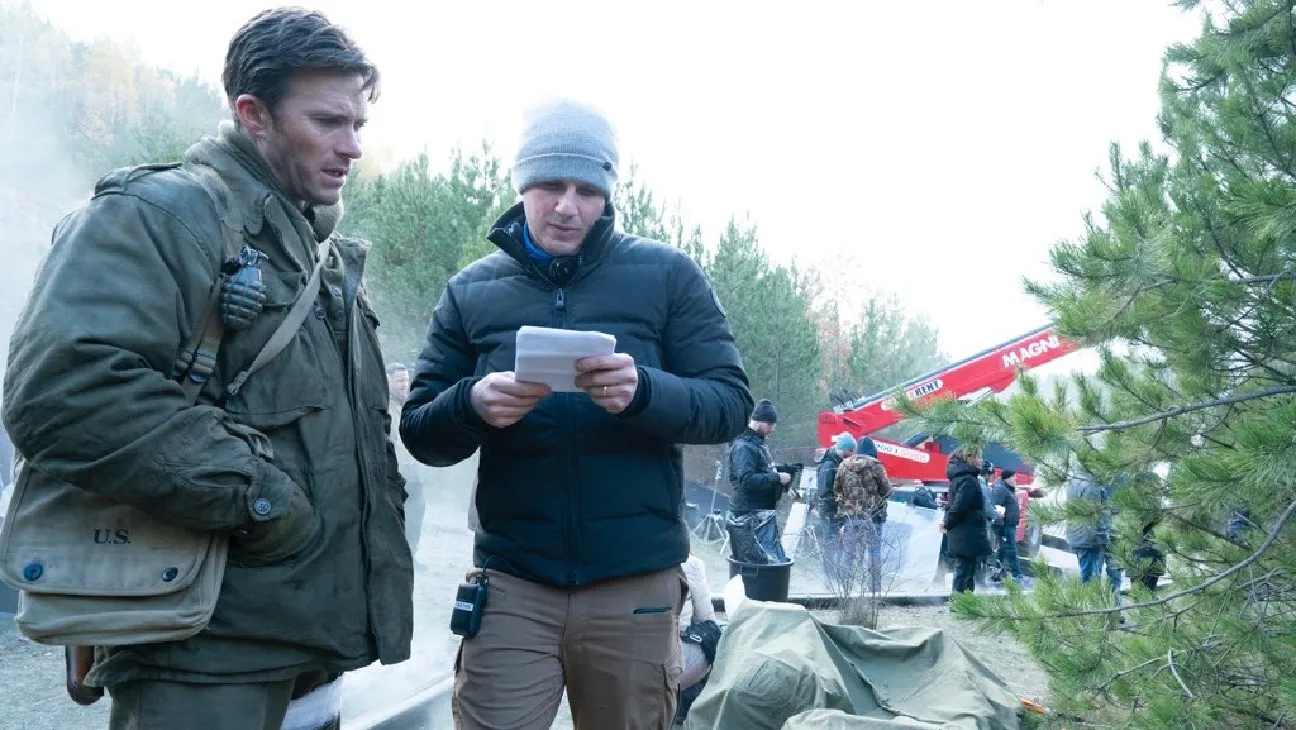
I should explain why, because everything I’m about to argue depends on it. I have spent fifteen years on sets and in edit bays. I know the specific quiet of a crew at 4 a.m., everyone exhausted and somehow still chasing the same shot. I know the feeling in the room when an actor finds something that was never on the page: a held breath, a line read no one saw coming. That is the thing I love. That is the thing I was afraid I was watching disappear.
So when generative AI became part of our lot, I was standing in the doorway with my arms crossed. The idea of an AI “actress” becoming a star terrifies me. The idea of an algorithm “directing” a film offends me. If you’ve ever felt that 4 a.m. quiet on set, the notion that a machine could replace it feels not just wrong, but like a kind of theft. I agreed with everyone who felt that way. I still do. I am one of them.
That’s why I never wanted to be the AI guy.
I spent those fifteen years as an executive in the traditional independent model, helping make franchises like The Expendables, Has Fallen, The Hitman’s Bodyguard, Rambo, and Hellboy. I know what it takes to get a movie made. I also know what it costs: and I watched those margins shrink year after year until one day the math I’d built a career on simply stopped working. I desperately wanted to keep making movies the way we did in 2010, but it became clear that the industry that made that possible is on life support.