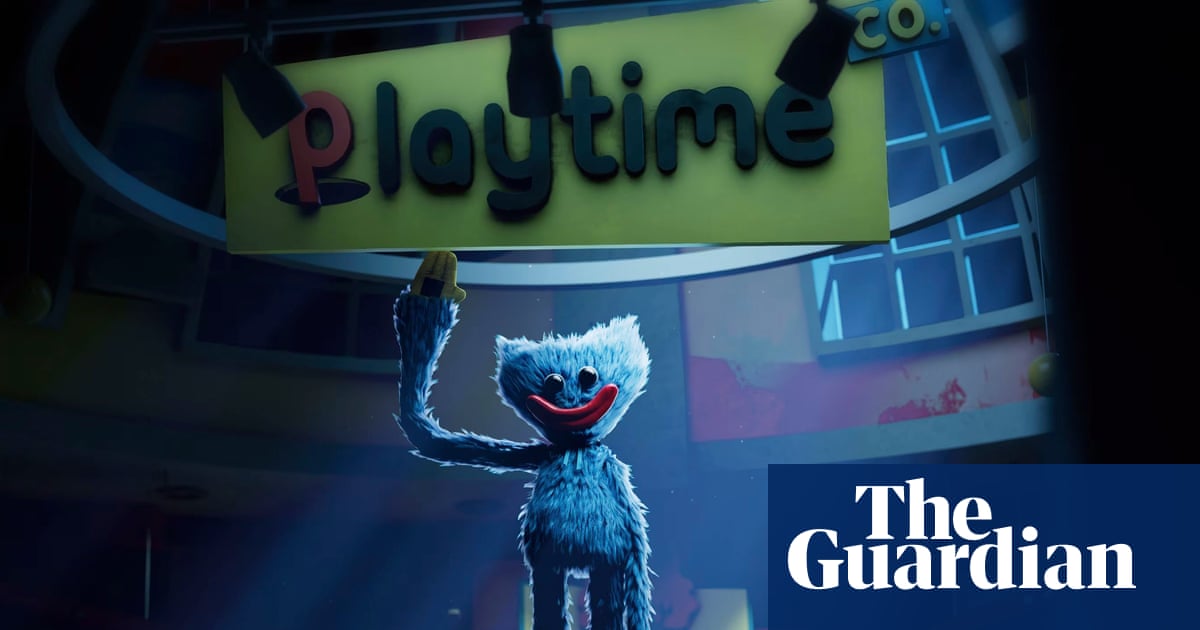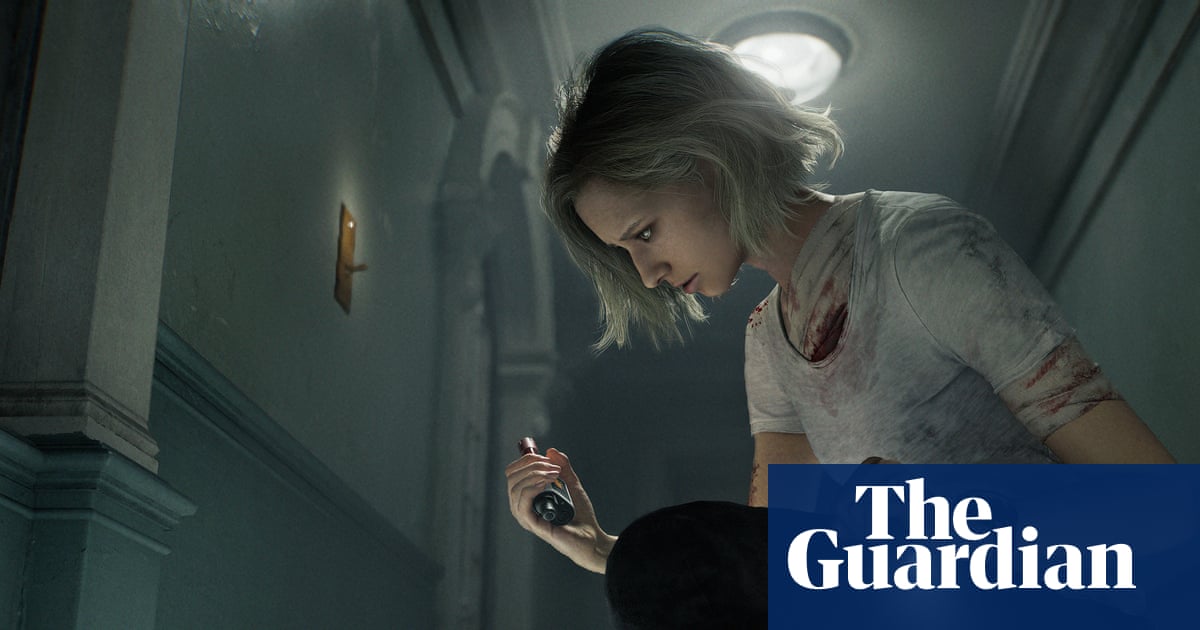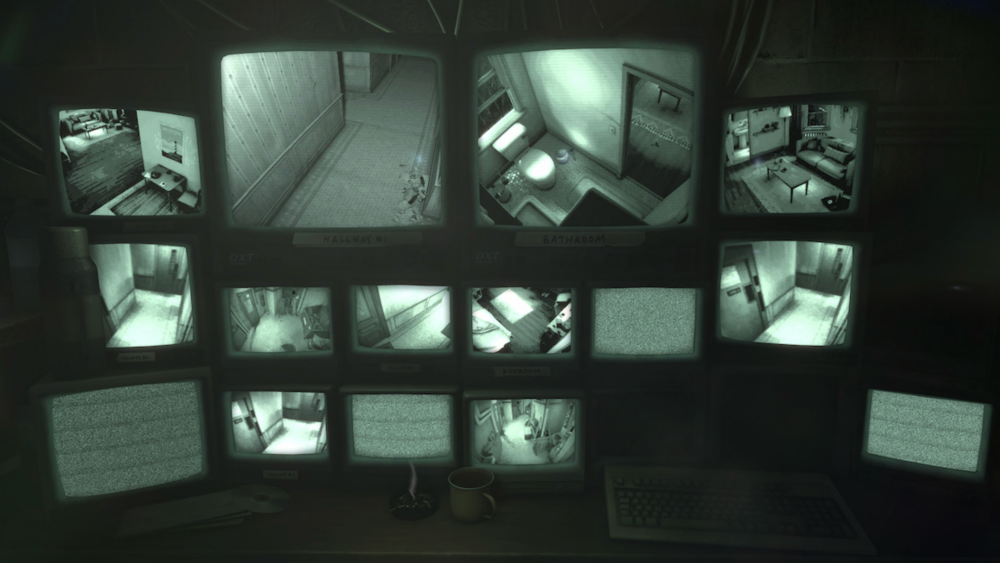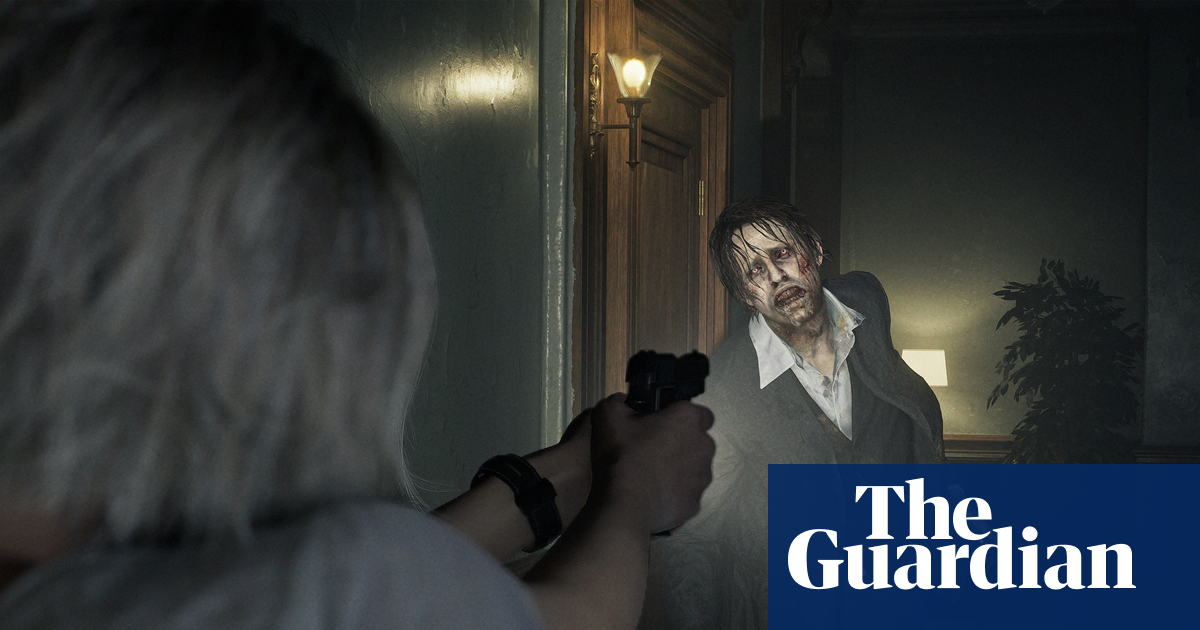
Horror is so hot right now. There’s Obsession, Evil Dead Burn and Hokum in the cinema, Widow’s Bay, From and Something Very Bad Is Going to Happen on TV, and, of course, a rotting smorgasbord of horror games including Resident Evil Requiem (pictured top) and Reanimal, soon to be joined by Silent Hill: Townfall, Silver Pines and Dreadmoor. We’re also seeing weird cross-pollinations, with horror movie studio Blumhouse making games, while games themselves become horror films and the whole backrooms genre infects every medium it touches.So it was fascinating to attend last week’s horror and gaming conference at Falmouth University, in Cornwall: a gathering of students, researchers and lecturers, all engaged in the academic study of horror games. There were brilliant talks on zombies and posthumanism, the gothic in games, and the role of monstrous little girls in survival horror (there are a lot of them!). Subjects as diverse as masculine fragility, disability and ageing came up; Will Doyle, creative director at Supermassive Games, gave a great keynote on the art of creating horror in games using tools such as revulsion, spatial alienation and the human instinct of apophenia. I learned a lot about theorists such as Julia Kristeva and Mark Fisher, and about the technical similarities between indie horror games and film noir (for example, the use of darkness and creative camera techniques to “hide” budget restrictions). It was incredible fun.One theme was the way horror tropes such as zombies, the apocalypse and the supernatural are continually reframed to remain current. What’s particularly relevant about horror games right now is how they explore the feeling of being helpless observers – and victims – of multiplying global crises. “Agency is a big theoretical concept that permeates cultural studies – thinking about agency as our capacity to take action, as an illusion of control or the way in which control is framed and negotiated,” says Poppy Wilde, senior lecturer in media and communication at Birmingham City University, who spoke at the event. “What’s interesting about video games is questioning where the agency arises between the player and the game, or the character, or the settings, and how that all comes together. Horror video games often explicitly play with that idea of control and lack of control as being horrifying; they have a tension with the feeling or illusion of agency in terms of what your capabilities are and what they are not.” We certainly see this in titles such as Routine, and The Complex: Expedition, which constantly ask questions about the player’s role and ability to effect change.Abject dread … Mouthwashing. Photograph: Critical ReflexCareer stability, or lack of it, is also becoming a popular subject of horror. “The idea that the company you’re working for is not doing its best for you, is a theme in a number of contemporary horror games,” says Ewan Kirkland, a senior lecturer in critical studies at the University for the Creative Arts. “In Lethal Company, Five Nights at Freddy’s and Mouthwashing, there is this theme of the workplace being dangerous and your employer not really caring about your wellbeing, which is interesting given the times which we’re living in. Clearly video games are engaging with some quite weighty political issues.”Is it important that academic work is being done on horror games? Hell, yes. It’s important for video games to be valued as a cultural medium, but it’s also important on a practical level, as the industry matures, to pass on ideas and information to new developers about how games work – not as computer programs, but as cultural, aesthetic and sociopolitical texts. It is also wild to talk about the link between tentacle porn and Baldur’s Gate 3, or Anthony Vidler’s theories of the “architectural uncanny” in relation to Raccoon City.And it’s a life skill. Horror is a thriving cultural genre because it is, and always has been, a radical means of disassembling society’s problems, threats and terrors. We need to know what lurks in the cellar; we need to understand what the zombie wants and what it represents. We need to understand that no work of apocalyptic horror fiction was ever about some far distant future – it was always about now.What to playUncomplicated fun … Rhythm Paradise Groove. Photograph: NintendoKeza has been playing Rhythm Paradise Groove, a strange little rhythm game that has you talking to aliens, bouncing apples off a bodybuilder’s biceps or launching frogs to the beat. Endearingly strange and simple, it’s a holdover from handheld gaming’s less complicated past. Unexpectedly, though, the multiplayer modes have been a huge hit with the family, especially the one where you all try to grab a slice of cake with perfect timing. She tells me: “We’ve gotten a couple of weeks’ entertainment out of a game that I thought would last a few days.”Available on: Switch/Switch 2
Zombies, gore and creepy kids – why we can’t stop playing horror games
As global anxieties multiply, video games from Resident Evil to Mouthwashing are providing rich source material to help decode society’s problems
1,420 words~6 min read