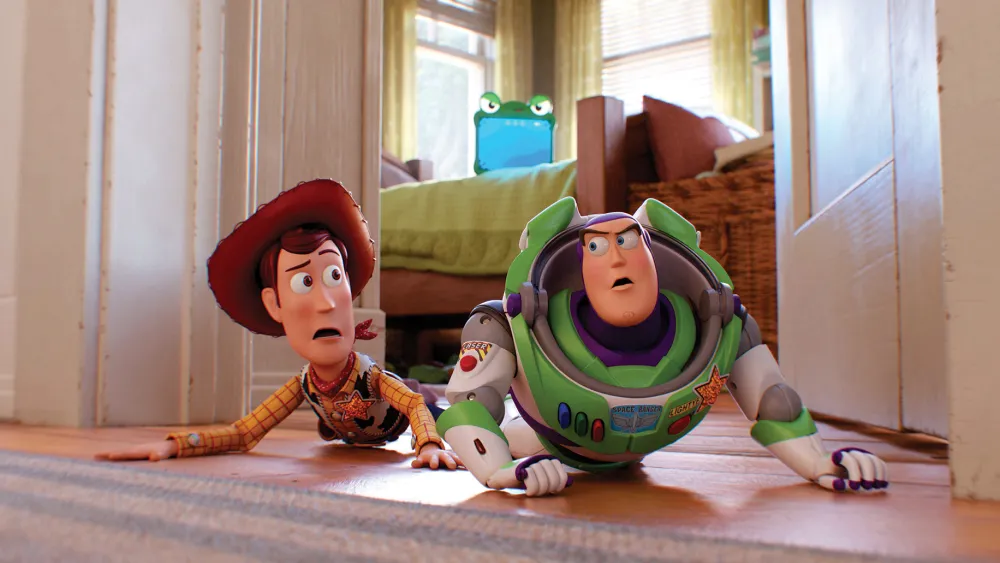
“Toy Story” helped launch Pixar when it premiered in 1995. More than 30 years and four films later, the family franchise has become a revenue-generating juggernaut for the Walt Disney Company and the global economy. The series has added $51 billion in overall economic activity since its inception, according to a study that Disney commissioned from Steward Redqueen, an independent impact advisory firm.
Much of that figure comes from consumer product sales, which Steward Redqueen argues lifts suppliers, retailers, small businesses and service providers. That includes everything from salaries to the sales of clothing, dolls and games touting “Toy Story” characters. It also factors in transportation, tourism, manufacturing, and utilities revenues related to seeing the movies, visiting theme park attractions and producing “Toy Story” merchandise. The report comes as “Toy Story 5” has dominated the box office since it was released in June, earning more than $880 million globally. In addition to ticket sales, the series is also the most streamed franchise on Disney+.
In terms of direct economic impact for Disney, Buzz and Woody have generated $16.2 billion. That includes the sale of merchandise, movie tickets and home entertainment rentals. That figure is more than it cost the company to buy all of Pixar, Marvel and Lucasfilm combined (Disney shelled out $15.4 billion to purchase those brands).