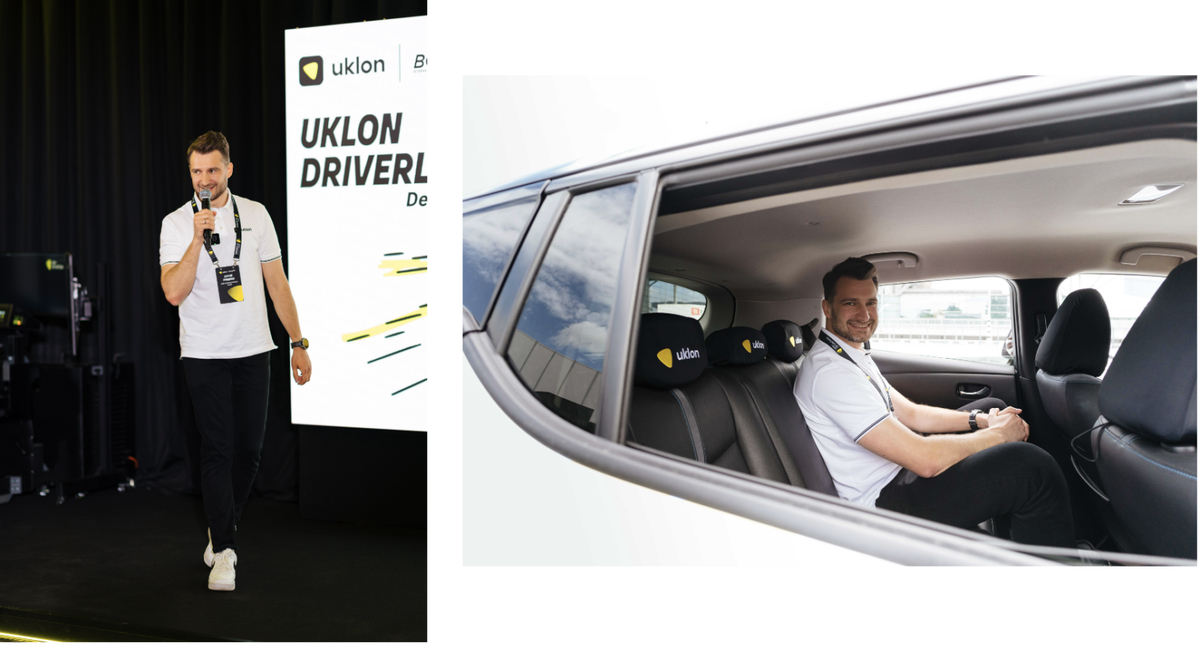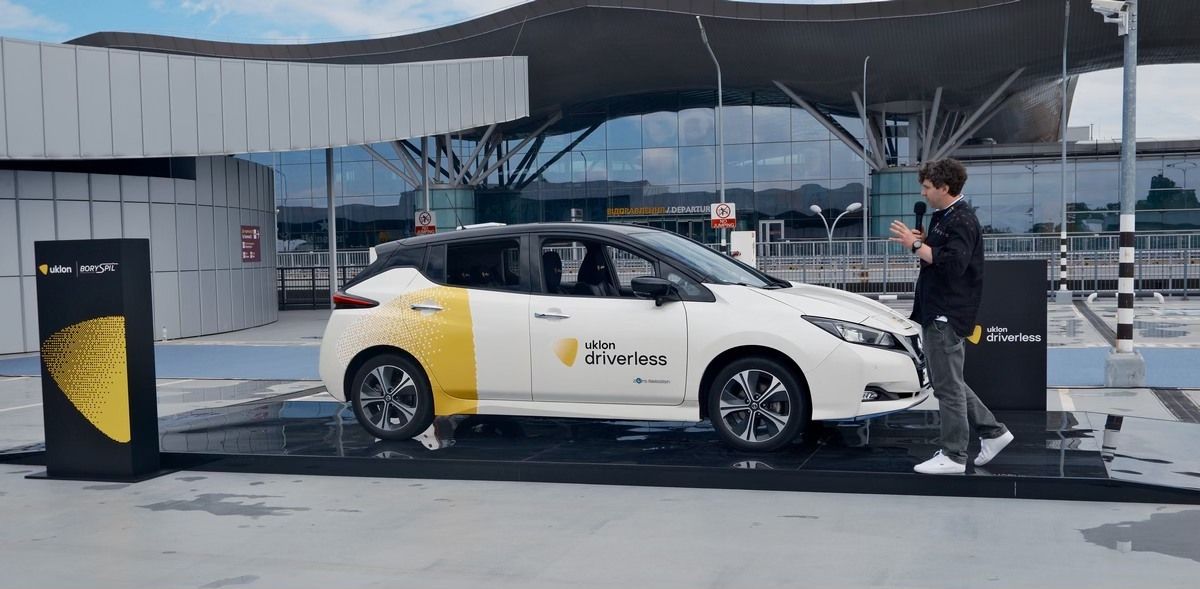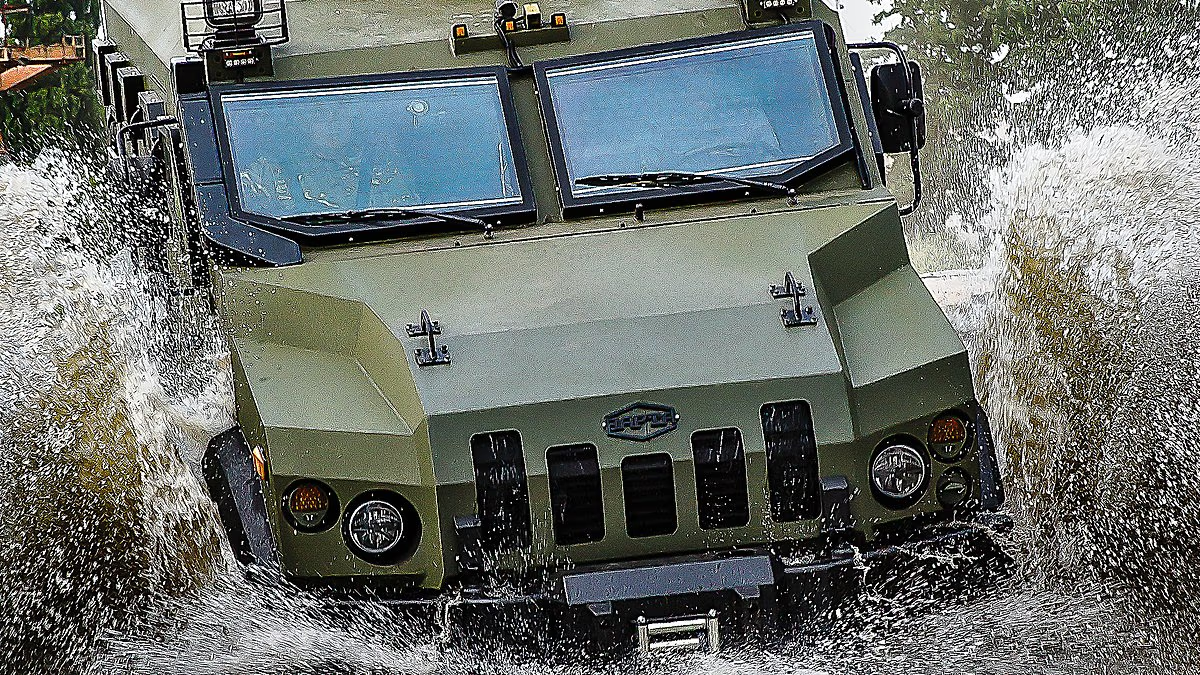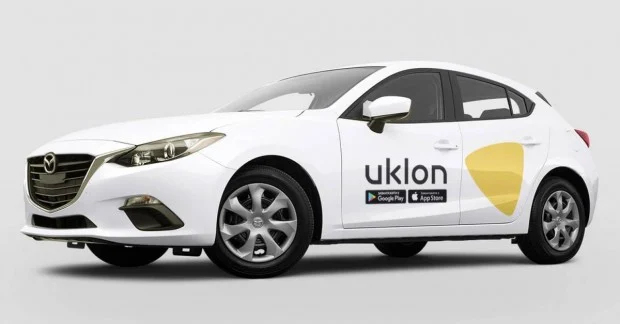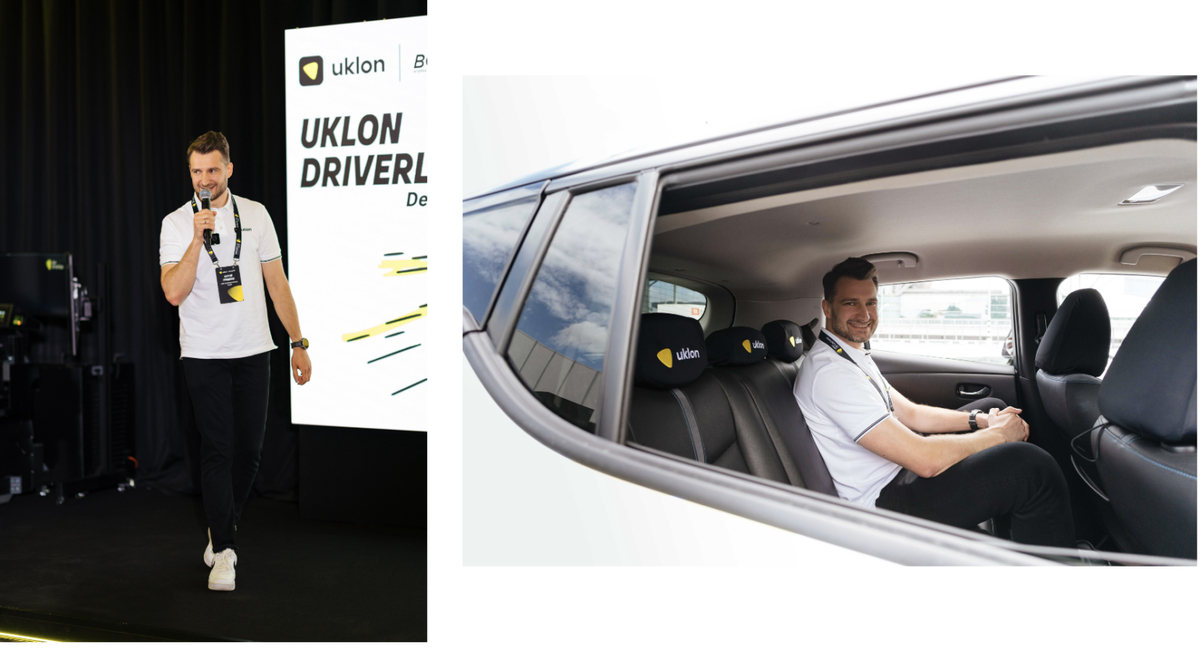
Late in the evening in the backyard of the Adaptis office, the team spent hours testing an unusual configuration: a remote-controlled car was supposed to drive without a physical driver inside, while the control station was located far away. It was already dark, and the testing dragged on until nearly 9:00 or 10:00 p.m. The team waited anxiously to see if they could establish a stable connection between the vehicle and the ground control station.JOIN US ON TELEGRAMFollow our coverage of the war on the @Kyivpost_official. This was how one of Adaptis’ joint projects with Elmo came to life. Elmo is an Estonian deep-tech company that develops teledriving technology—allowing remote vehicle control without a driver inside. Elmo treats this field as much more than a laboratory experiment: the company has developed a road-legal teledriving technology and is currently testing these solutions in Ukraine for civilian, logistics, and security scenarios. Uklon’s recent announcement regarding the launch of Ukraine’s first pilot project for remote driving (teledriving) became a major milestone for the tech market. Estonian deep-tech company Elmo, whose system is certified in the EU, serves as the technological partner for the project. This innovation opens up vital new opportunities for Ukraine, ranging from making military logistics safer and more secure to creating inclusive jobs for veterans who can now work as remote drivers. In the context of the Russo-Ukrainian War, such solutions are highly practical. Remote-controlled vehicles can be incredibly useful in environments where a human presence in the cabin poses an unnecessary risk – such as during evacuations, equipment delivery, demining operations, or other hazardous missions.
Ukraine’s Adaptis Builds Remote Driver Station to Connect
Adaptis teledriver cars could open up new opportunities, from making military logistics safer to creating inclusive jobs for veterans who can now work as remote drivers.
956 words~4 min read