President Tinubu now has an opportunity to complete one of the most important unfinished reforms of the Fourth Republic. Assenting to the Federal Audit Service Bill would strengthen the last mile of public finance management, reduce revenue leakages, improve efficiency in public spending, enhance investor confidence, and give real teeth to Nigeria’s anti‑corruption architecture. It would align Nigeria’s audit framework with international standards, close a 70‑year legal gap…
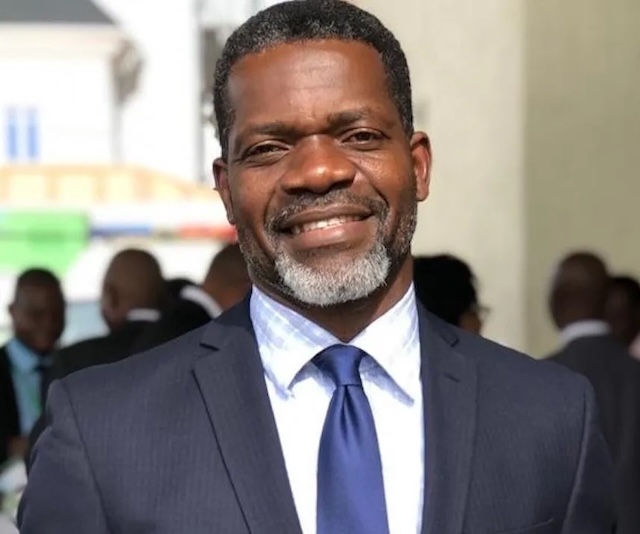
About three weeks ago, my friend, Olusegun Elemo, and I had an hour-long conversation about Nigeria’s draft federal audit bill. Olusegun is the executive director of Paradigm Leadership Support Initiative (PLSI), one of Nigeria’s foremost and leading voices on audit reforms. His group has pioneered several federal and subnational efforts to improve public audits and strengthen audit institutions.
He sounded quite frustrated that Nigeria was on the verge of losing another opportunity to modernise its audit law. The struggle for a new audit law is as old as the current republic. Since 1999, at least three attempts have been made. On each occasion, the National Assembly passed the bill, but presidential assent was denied or withheld under Presidents Olusegun Obasanjo, Goodluck Jonathan, and Muhammadu Buhari.