Supporters of the bill said later sunsets for part of the year would have a positive impact on sleep schedules and the economy.Show Caption
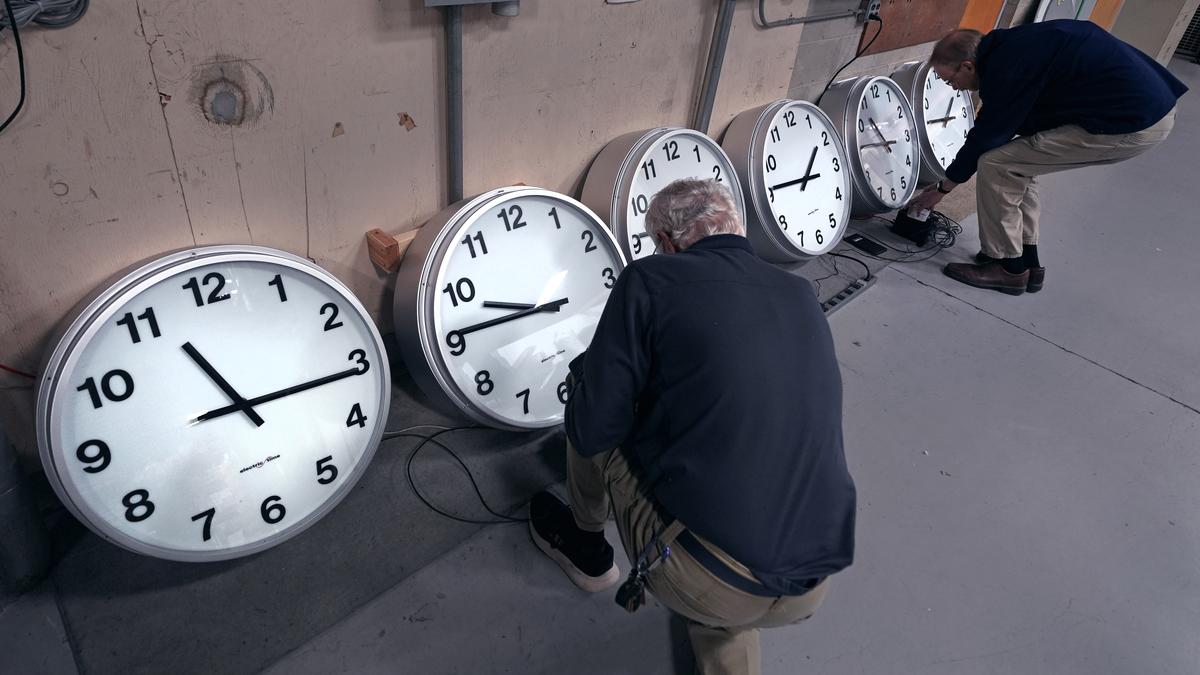
WASHINGTON – The House of Representatives voted on July 14 to allow states to enact daylight saving time year-round, moving to prevent Americans from having to change their clocks twice a year.The legislation, which passed 308-117, would largely stop the practice of "springing forward" and "falling back."If passed by the Senate and signed by President Donald Trump, it would prompt later sunrises and sunsets during a significant portion of the year over much of the country.Advocates of the change, which would end the decades-long custom in the United States unless states preemptively opt out, have said changing the clocks contributes to negative health effects and traffic accidents."Americans are overwhelmingly supportive of this policy," Rep. Brett Guthrie, R-Kentucky, said during a July 13 committee meeting to advance the bill. "Locking the clock all year long would have positive impacts on sleep schedules, energy conservation, motor vehicle safety and our economy."Introduced by Rep. Vern Buchanan, R-Florida, the Sunshine Protection Act of 2025 has the backing of Trump, who recently called seasonal clock changes a "ridiculous, twice-yearly production." A similar proposal previously sailed through the Senate in 2022 but never became law.Rep. Virginia Foxx, R-North Carolina, said earlier this week that Trump "has made clear his support for this legislation, and he remains adamant that Congress pass it and send it directly to his desk to end."The legislation doesn't have full support in Congress, however. Rep. Keith Self, R-Texas, criticized his GOP colleagues for prioritizing the measure amid other pressing issues."Republicans are majoring in the minors," he said, "fiddling with the clocks while the country burns."What is daylight saving time?Daylight saving time is the period between March and November when most Americans set their clocks ahead by one hour to extend daylight later into the evening.Clocks move forward one hour each spring, often referred to as "springing forward," and return to standard time each fall when Americans "fall back." The switch is designed to provide more evening daylight during the warmer months and more morning daylight during the winter.Arizona, Hawaii, Guam and Puerto Rico are among the states and territories that don't observe daylight saving time.Contributing: Reuters