For generations, Anglo-Indians have worn their history in plain sight. It lingered in Elvis Presley-inspired pompadours, sharply pressed bell bottoms, and English spoken with unmistakable cadence. Stylish, cosmopolitan and woven into the making of modern Indian cities, the community became instantly recognisable in public life. Yet, for all its visibility, much of its story remained curiously absent from the pages of history.
‘The History of Anglo-Indians’, a graphic novel, on display at Kolkata’s Dalhousie Institute
| Photo Credit:
Shreya Banerjee
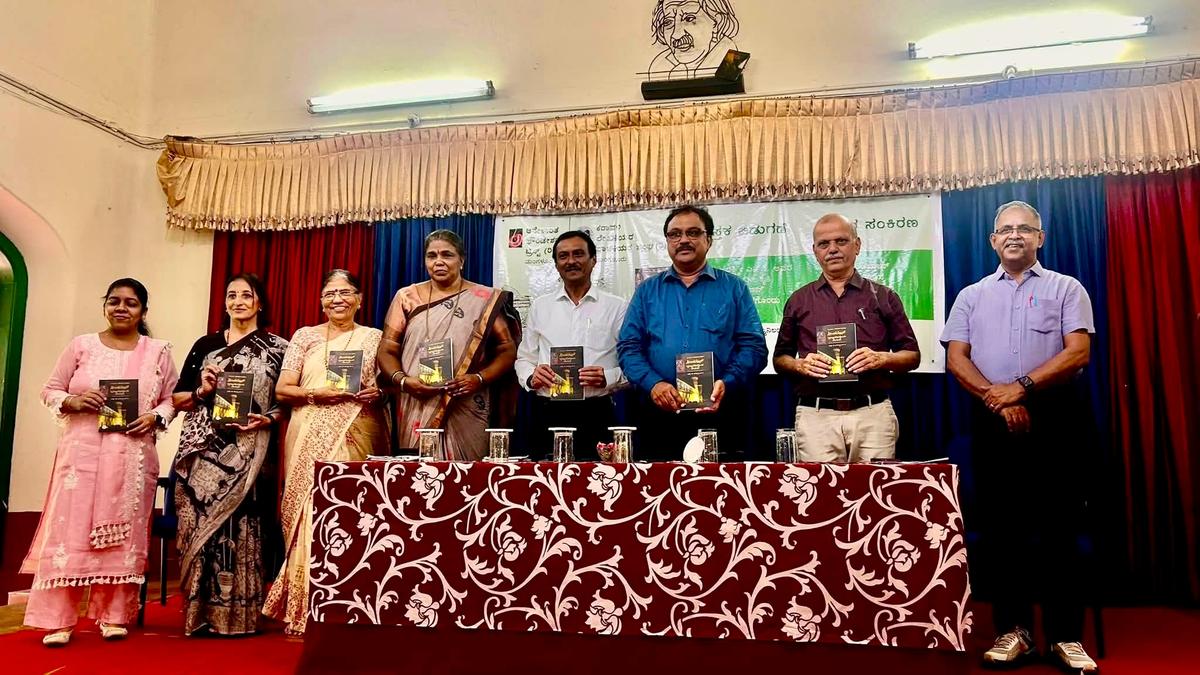
At Kolkata’s 167-year-old Dalhousie Institute club that has itself long served as a social and cultural home for generations of Anglo-Indians, author Keith Butler launched The History of Anglo-Indians, illustrated by Chennai-based filmmaker and illustrator Harry MacLure. Keith was in conversation with Andrew Scolt, quizmaster and senior vice president, Derek O’Brien & Associates. More than a clubFounded in 1859, the Dalhousie Institute has long been woven into Kolkata’s Anglo-Indian social life. Over the decades, its halls have hosted dances, sporting events, literary evenings, quizzes and community gatherings. Many distinguished Anglo-Indians have been associated with the institution, including tennis star and Padma Shri awardee Leander Paes, quizmaster and parliamentarian Derek O’Brien and quizmasters Barry O’Brien and Neil O’Brien. It was therefore a fitting venue for a book whose central argument is that communities disappear quietly when their stories stop being told.