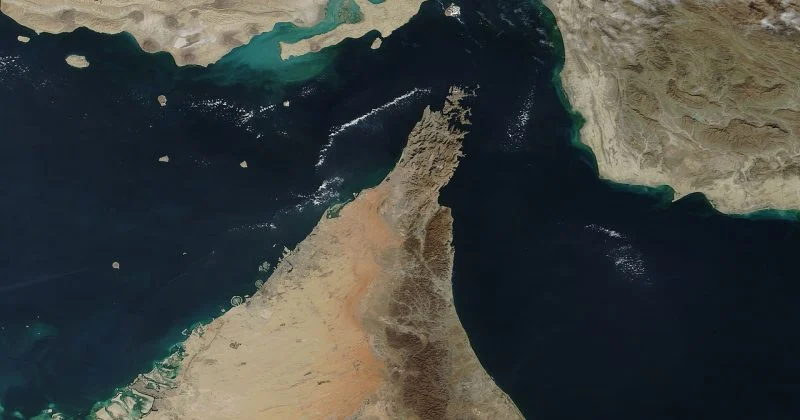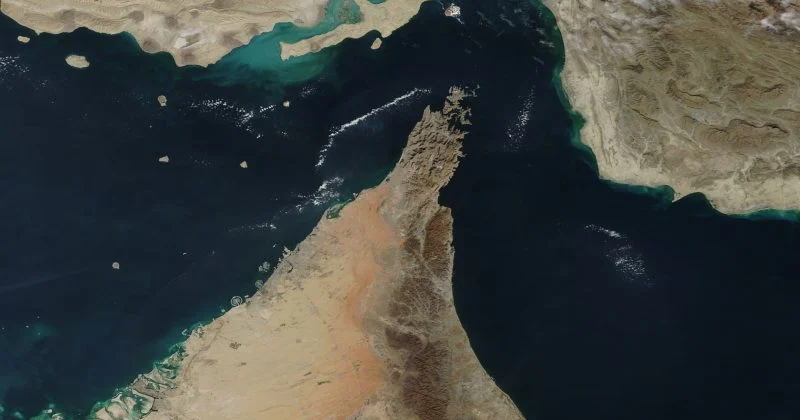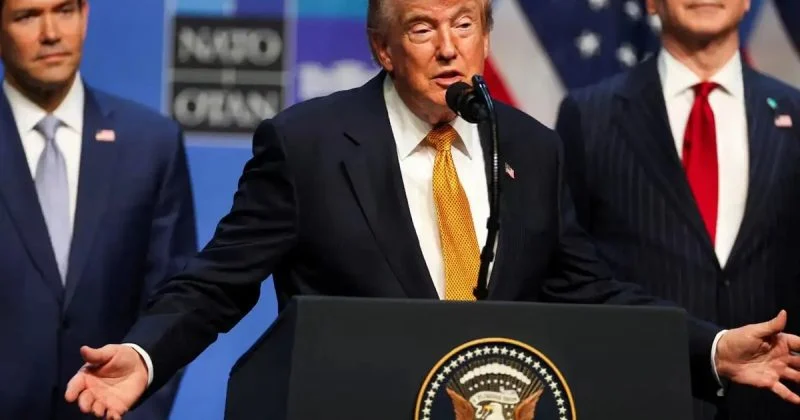
On Monday afternoon, the United States became the guardian of the Strait of Hormuz. By Tuesday morning, it was an investor. The third day is still ahead of us.The sequence is worth stating plainly, because it will be forgotten by the weekend.On July 13, President Donald Trump announced that the U.S. would henceforth be known as the guardian of the strait and would be reimbursed at a rate of 20% on all cargo shipped through it. The naval blockade of Iranian ports would resume the following afternoon. Brent jumped nearly 10% in a single session, its largest one-day gain in more than six years.
WHY IS IRAN SUDDENLY DESPERATE TO KILL TRUMP?At 8:04 a.m. on Tuesday, the fee was gone. Based on what he called productive conversations with Middle East leadership, the president wrote the 20% reimbursement would be replaced by trade and investment deals that the Gulf states would be making with the U.S. No countries were named. No amounts were given. No documents were released.Twenty-four hours. Nothing collected. Everything obtained.Who the bill was actually addressed to
It is tempting to file this under improvisation. The sequence suggests otherwise.The 20% was never going to be paid by Tehran. Tehran does not ship through Hormuz on American sufferance. Tehran is under blockade — a blockade the same post reaffirmed, and which took effect Tuesday afternoon on every vessel touching an Iranian port. Iran was the pretext of the fee, not its target.Read the bill by asking who receives it. Twenty percent of cargo value falls on the states whose cargo moves: Saudi Arabia, the United Arab Emirates, Qatar, Kuwait. Industry analysts priced a single voyage by the largest tankers at more than $30 million. These are governments that have spent two years advertising their investments in the American economy, and that were suddenly, publicly, on the meter — with no legal instrument to contest the charge and no navy of their own able to replace the one collecting it.It took one night for the conversations to become productive. It took one morning for the meter to be switched off, in exchange for investments the president described as massive and did not describe further.I have argued in these pages, from Venezuela to Iran, that in this administration, the pause is not a lull in the strategy. The pause is the strategy. Pressure is applied in pulses. Ambiguity as ammunition. A blockade holstered rather than lifted. On the evidence of this week, the same instrument has been turned on allies — and on the evidence of the clock, it worked. Twenty-four hours, no fee collected, no shot fired, and a commitment extracted that Washington had spent two years asking for politely.That is a real result, and pretending otherwise would be dishonest.The question is what it cost.Suez was dug. Panama was dug.The fee was withdrawn. The precedent was not.Hapag-Lloyd put the problem in a sentence: charging tolls for passage through international waters is fundamentally wrong. Suez and Panama are different, the company said, because those tolls reflect major infrastructure investment.Suez was dug. Panama was dug. Hormuz was not