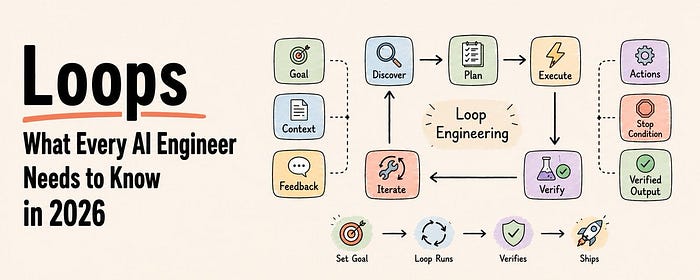
After Parts 4 and 5, pycalc can compute and has two human checkpoints around the loop. But every phase costs you the same ritual: run next, approve, plan, approve, do, wait, done, verify. Fine for one phase a day. A chore for "knock out three small phases this evening" — you sit there clicking through it.
mini auto chains that ritual: next → plan → do → done, phase after phase, on its own. But not blindly — and that "not blindly" is the whole point of the command.
What auto does — and where it stops
You run /mini:auto (optionally --max-phases 3) and Claude drives the loop for you. After each phase it proposes the next one and keeps going until it hits a boundary. There are four boundaries, and they're worth knowing because they define what auto is not:
next — it always asks. Autonomous mode does not invent phases. At the start of each phase it stops and takes an idea from you (or lets you pick from the backlog). This isn't a weakness, it's a safeguard: you keep hold of the project's direction.