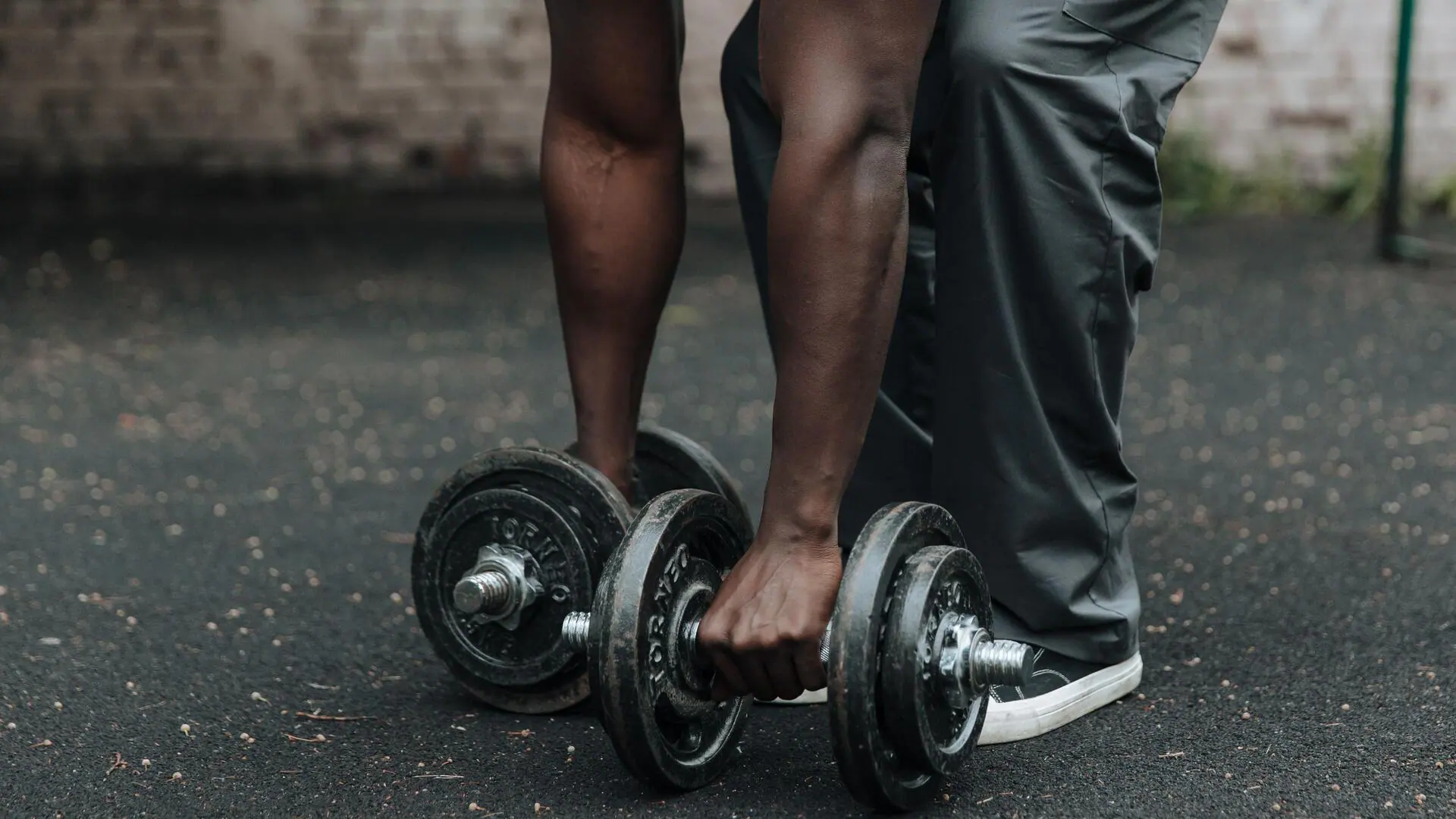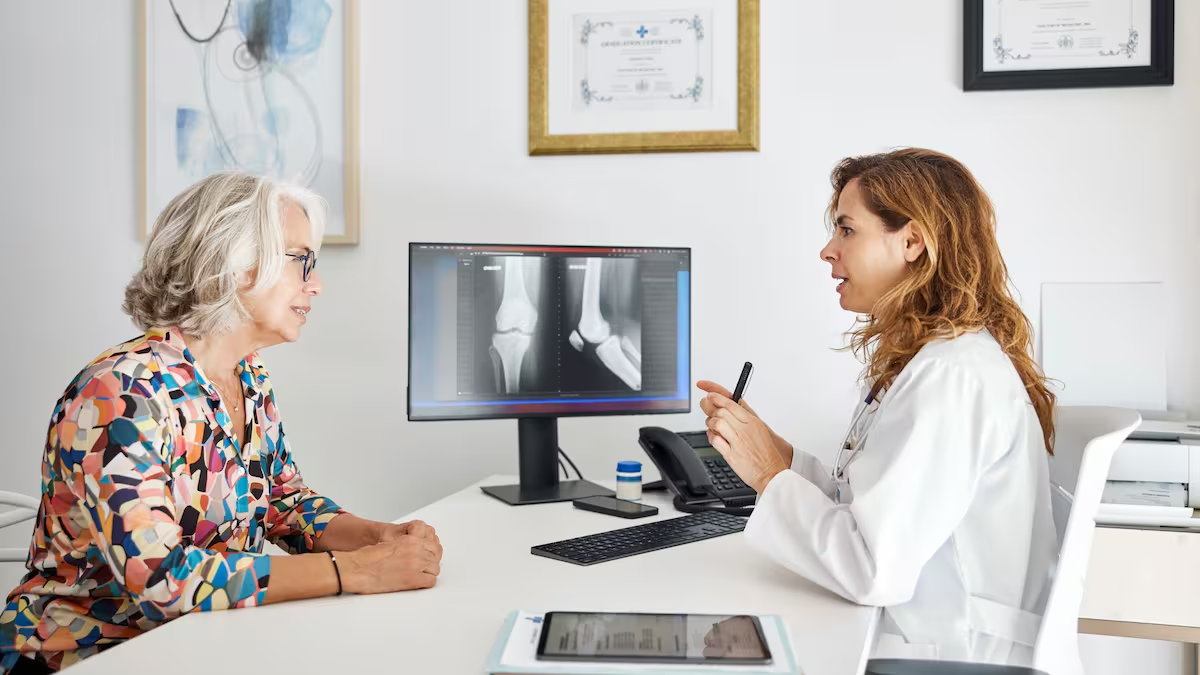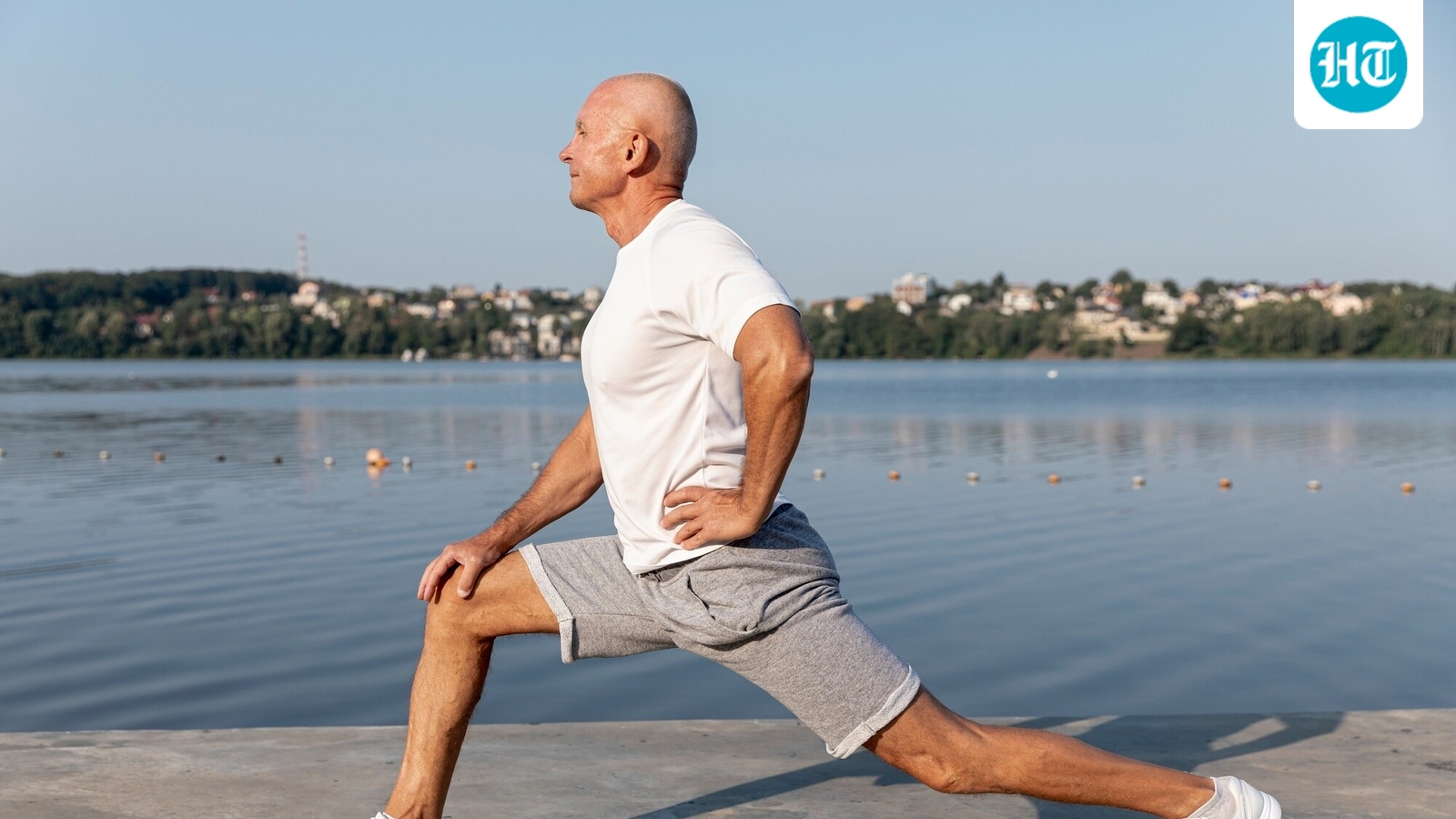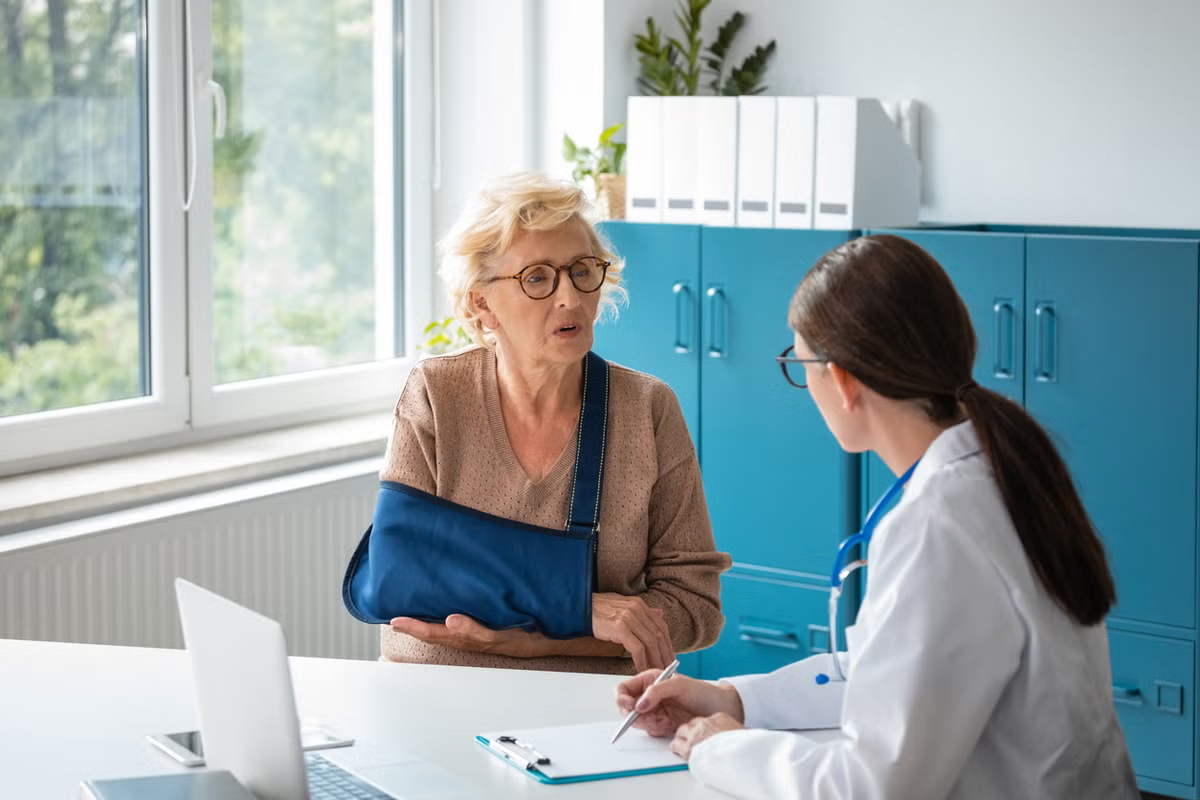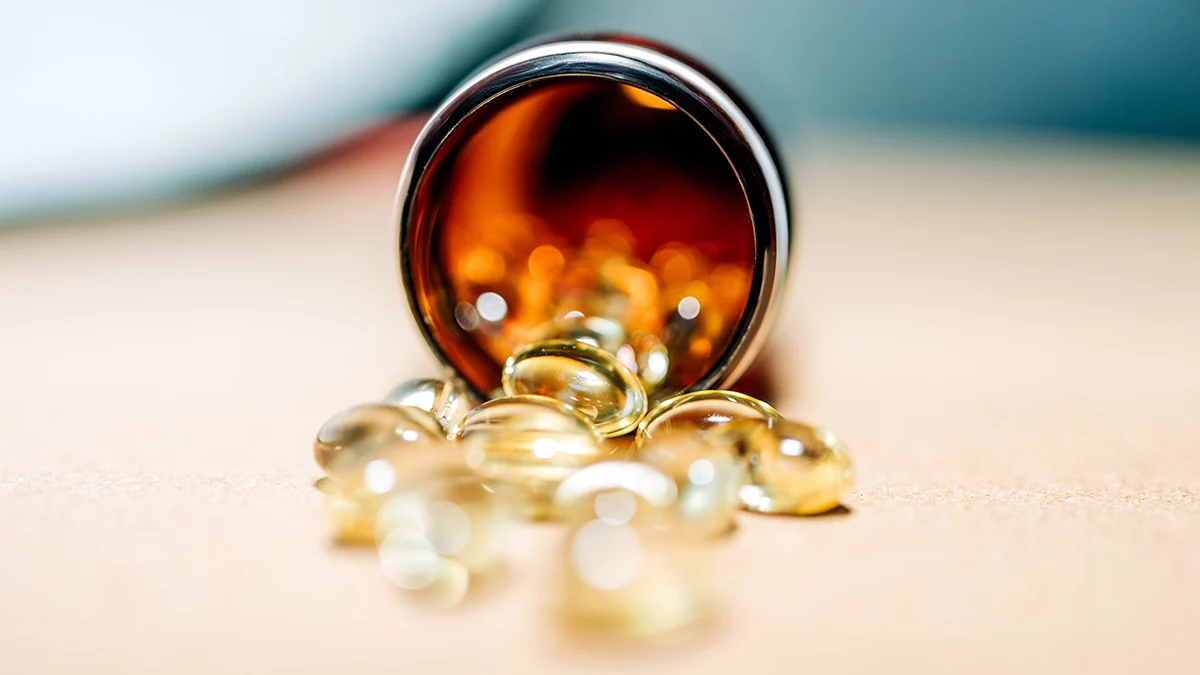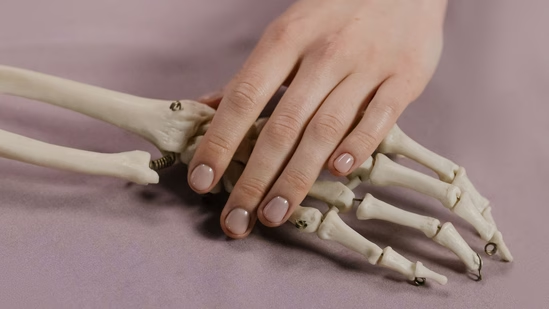
Building strong bones is more about than just calcium intake. Here’s what you need to know for good bone health. Strong bones are often associated with a glass of milk or a calcium tablet. Although calcium is important, it is just one component that is responsible for the health of the skeletal system. Despite sufficient amounts of calcium, several people continue to have osteoporosis, suffer low-impact bone fractures, or experience persistent weakness in their joints and muscles. The health of bones relies on many different elements, such as nutrition, physical exercise, hormones, muscle strength, and timely diagnosis. In an interview with HT Lifestyle, Dr Rohit Jain, consultant, Orthopedics, Regency Health, Lucknow, shared what bones actually need.Bone health is not just about calcium. (Pexel)Also read | Persistent bone pain? Oncologist Dr Saurabh Gupta shares the early signs of bone cancer that shouldn't be ignoredBones need more than just calciumBones are considered living tissue because they are constantly rebuilding themselves. “The role played by calcium is to ensure that the bones receive the mineral support they require, but this cannot happen if vitamin D is not taken in the right amount,” highlighted Dr Jain. Proteins are also extremely important as they serve as the structural backbone for the minerals deposited in them. Other nutrients such as magnesium, phosphorus, and vitamin K are also essential for maintaining the quality of bones.Consuming calcium supplements alone is not enough. (Pexel)Consuming calcium supplements alone is not enough. Without a balanced diet as well as a properly adopted lifestyle, bones will become increasingly weak even though there seems to be enough calcium consumption taking place.Everyday habits that shape bone strengthModern lifestyles have quietly increased the risk of poor bone health. Long hours at desks, limited outdoor activity, inadequate protein intake, and dependence on processed foods weaken the musculoskeletal system over time. Here are some everyday habits that will help build bone strength:Engage in physical activityWeight-bearing activities such as brisk walking, climbing stairs, resistance training, and yoga promotes bone formation by applying mechanical stress to the bones. Dr Jain highlighted that smoking, alcohol abuse, and lack of physical activity will speed up bone loss and make bones susceptible to fractures following minor falls.Vitamin DDr Jain highlighted that regular sunlight exposure will help the body generate vitamin D for better calcium absorption.Healthy dietIt’s important to understand that healthy bones are the result of daily habits rather than supplements alone. Dr Jain advises a balanced diet that emphasises foods such as milk, curd, paneer, ragi (finger millet), sesame seeds, pulses, eggs, fish, and leafy greens, which will meet your bone needs. Besides, there’s a need for regular exercise, controlled exposure to sunlight, and periodic health check-ups, which are equally important.Bone loss often begins before symptoms appearAccording to Dr Jain, many people believe osteoporosis affects only elderly women, but bone loss often begins silently after the age of 40. Men are also at risk, particularly those living with diabetes, obesity, chronic kidney disease, long-term steroid use or tobacco dependence.Weight-bearing activities such as brisk walking promotes bone formation by applying mechanical stress to the bones. (Unsplash)However, women experience faster bone loss after menopause because of declining oestrogen levels. Waiting until pain or a fracture occurs often means valuable years of prevention have been missed. Bone mineral density testing should be considered for individuals with risk factors or a family history of osteoporosis so that timely intervention can prevent future complications.About Dr Rohit JainDr Rohit Jain is associated with the Regency Hospital as a Senior Consultant in Orthopaedics, Joint Replacement and Arthroscopy. His clinical interests lie in sports medicine and arthroscopy, arthritis and other joint problems, paediatric orthopaedics, and orthopaedic oncology.Note to readers: This article is for informational purposes only and not a substitute for professional medical advice. Always seek the advice of your doctor with any questions about a medical condition.Anukriti Srivastava thrives at the intersection of words and voice, where journalism meets storytelling. A digital editor and journalist with over 5 years of experience, she has written across lifestyle, women issues, relationships, entertainment, fashion, and travel. She did her Masters in Broadcast Journalism and has published more than 500+ lifestyle content pieces across platforms.
Why bone health is not just about calcium: Orthopaedic consultant Dr Rohit Jain shares what every adult needs to know
Building strong bones is more about than just calcium intake. Here’s what you need to know for good bone health. | Health
890 words~4 min read