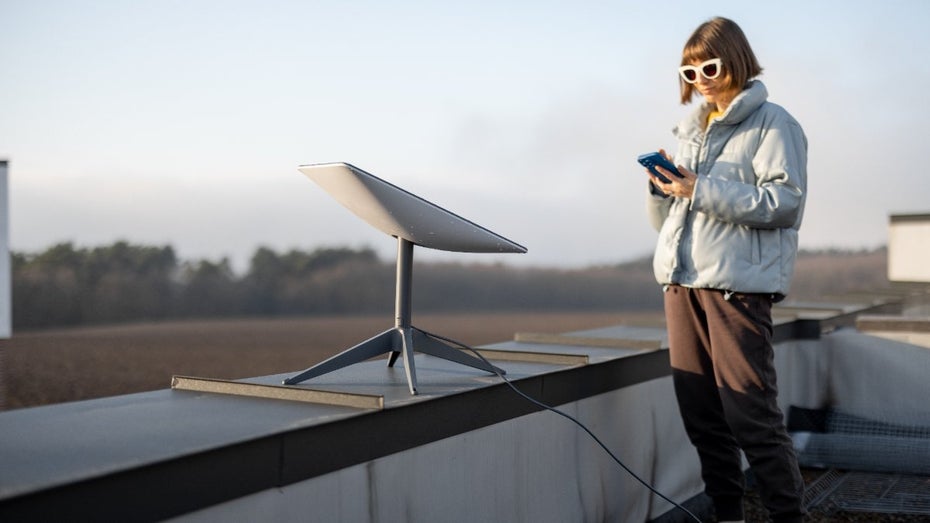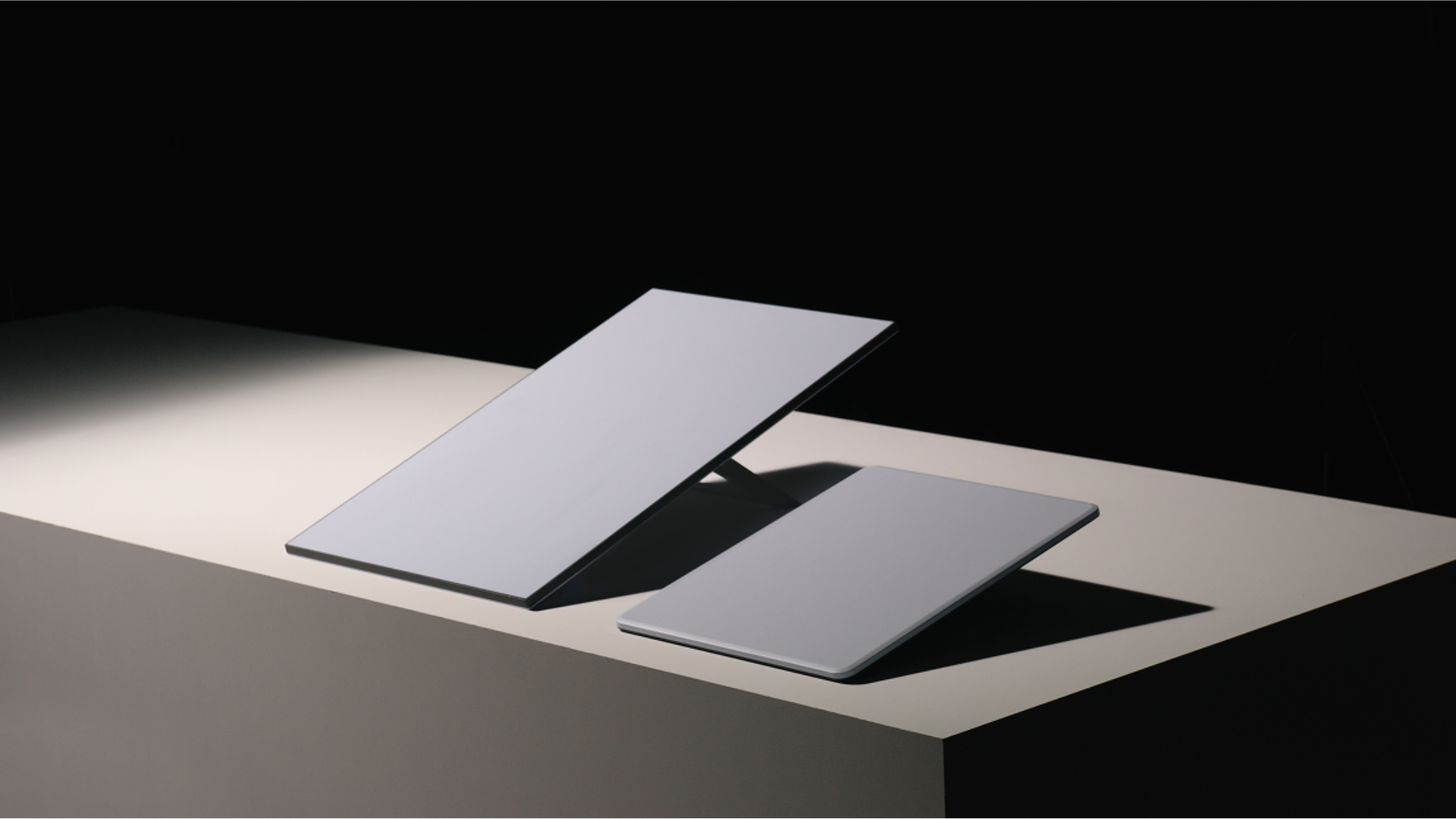
(Image credit: Starlink)
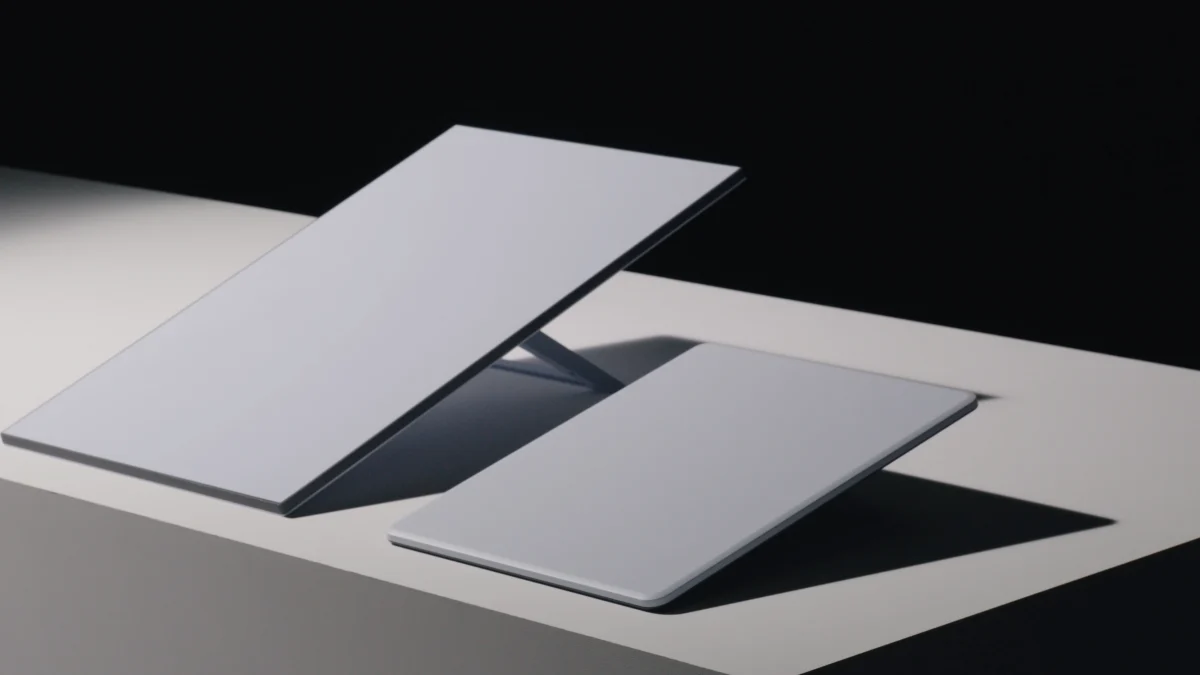
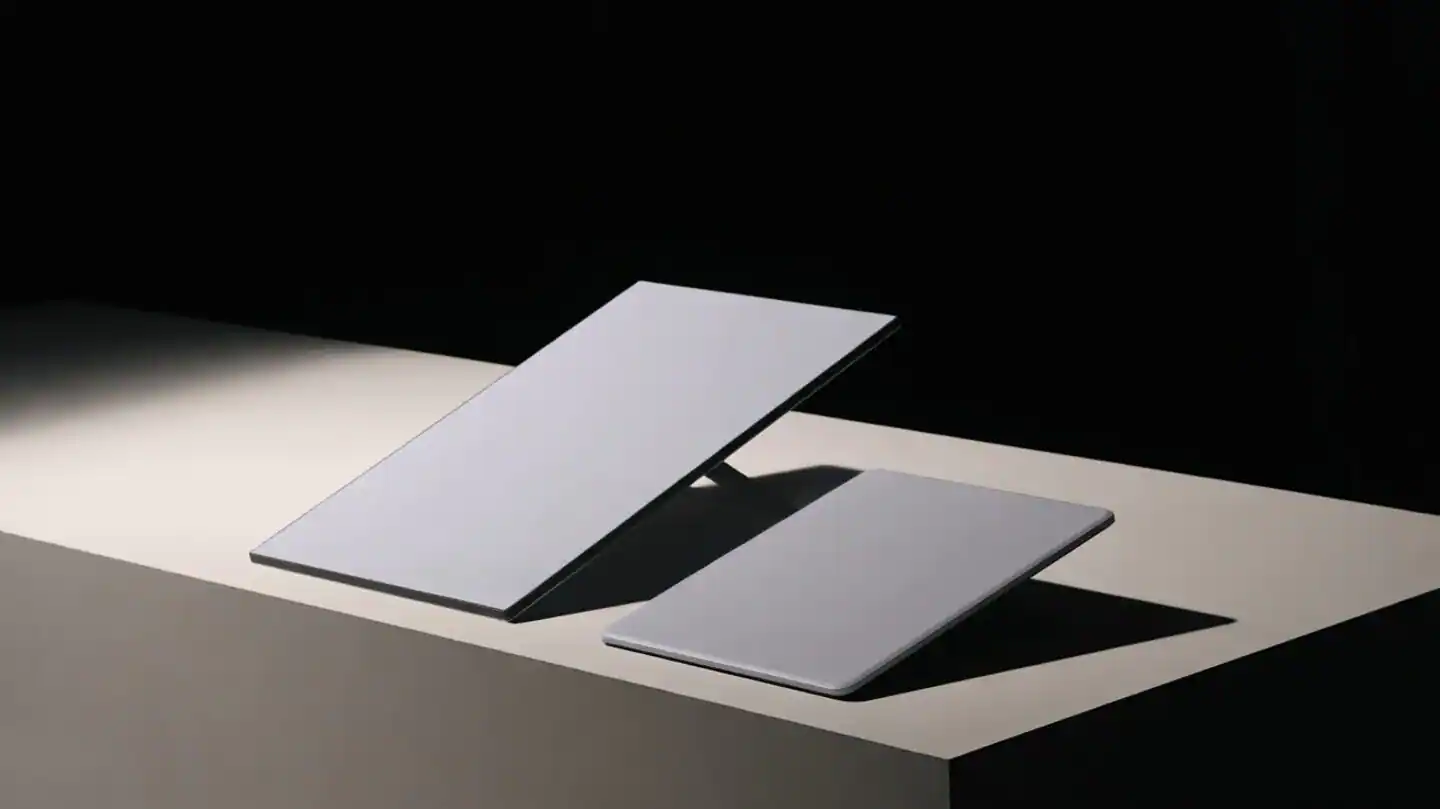
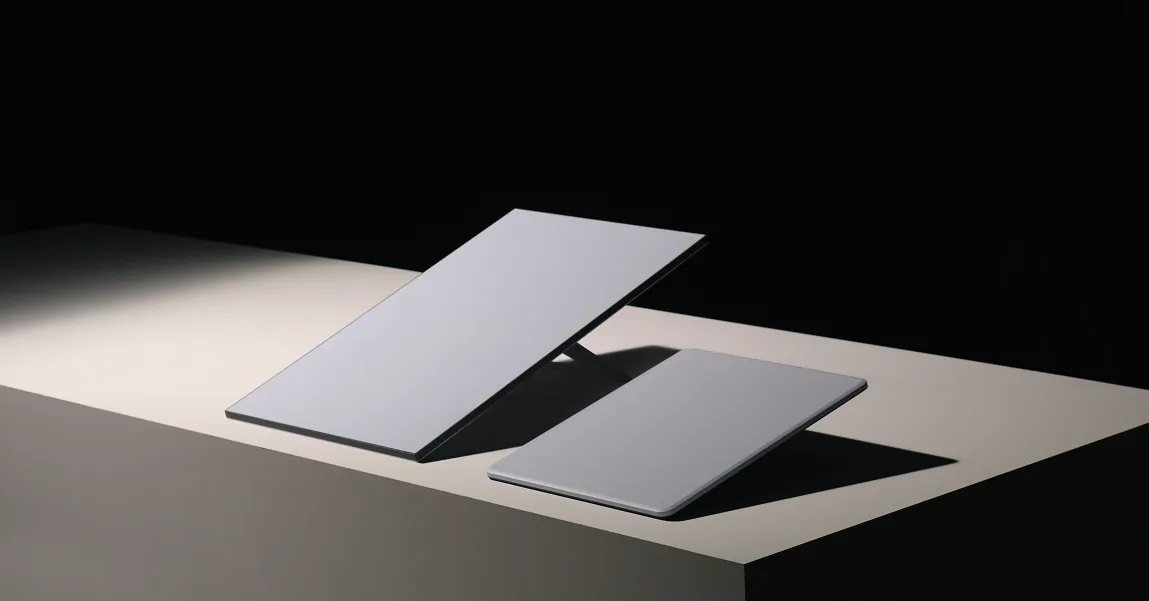
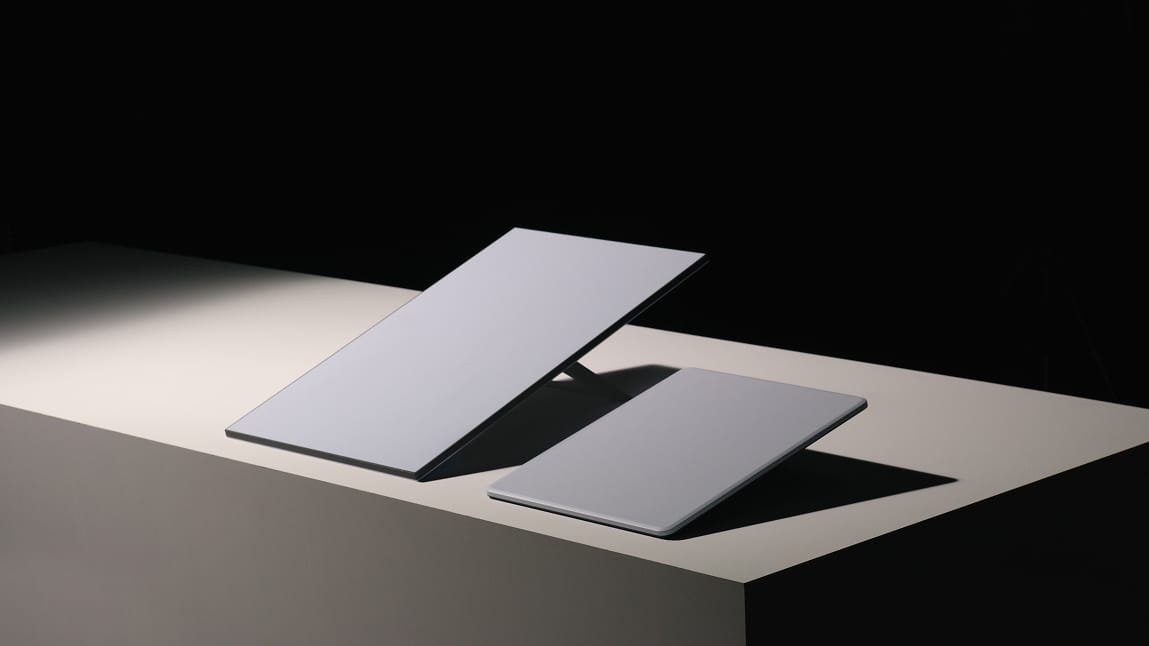
The SpaceX satellite internet service Starlink has just introduced its latest residential kit, letting users connect to the satellite network using a smaller and lighter terminal. The company announced the Starlink V5 on X, saying that it could hit up to 375+ Mbps for “streaming, video calling, gaming, and more.” It’s currently available in select areas only, though, with wider availability expected later as the company ramps up production.Swipe to scroll horizontallyHeader Cell - Column 0 Download speedsAntennaField of ViewDish WeightEnvironmental RatingOperational TemperatureMounted Wind SpeedSnow Melt CapabilityAverage Power ConsumptionPower IndicatorStarlink V5Up 375+ MbpsElectronic Phased Array110 degrees2.4 lbs. (1.1kg)IP67 Type 4-22 deg F to 122 deg F (-30 deg C to 50 deg C)165 mph (265 kph)Up to 1.6 in. per hour (40mm per hour)35 to 50 wattsLED / Starlink Top FaceStandard 4Up to 400+ MbpsElectronic Phased Array110 degrees6.4 lbs. (2.9kg)IP67 Type 4-22 deg F to 122 deg F (-30 deg C to 50 deg C)60 mph (96 kph)Up to 1.6 in. per hour (40mm per hour)75 to 100 wattsLED / Router Face PlateMiniUp to 300+ MbpsElectronic Phased Array110 degrees2.43 lbs. (1.1kg)IP67 Type 4-22 deg F to 122 deg F (-30 deg C to 50 deg C)60 mph (96 kph)Up to 1 in. per hour (25mm per hour)25 to 40 wattsLED / Starlink Rear Face PlateThe new unit is significantly smaller and lighter than the Standard 4 used in most home deployments, and brings it close to the Starlink Mini, which is designed for both fixed and portable use. However, the Starlink V5 still requires a router (included), whereas the Mini can work without one, providing a wireless connection using its built-in Wi-Fi antenna. Still, the former is faster, offering speeds of up to 375+ Mbps. Although this is 25 Mbps slower than the 400+ Mbps that the Standard 4 is rated for, it’s still higher than the up to 300+ Mbps that SpaceX has set for the Mini.The changes that SpaceX made to the Starlink V5 would make it much easier to set up, which is especially helpful for users who prefer to DIY their Starlink setup. Another interesting update to the new terminal is that it can handle faster wind speeds while mounted despite being lighter than the Standard 4. This should help it withstand tougher meteorological conditions, especially in areas frequently battered by storms and tornadoes.