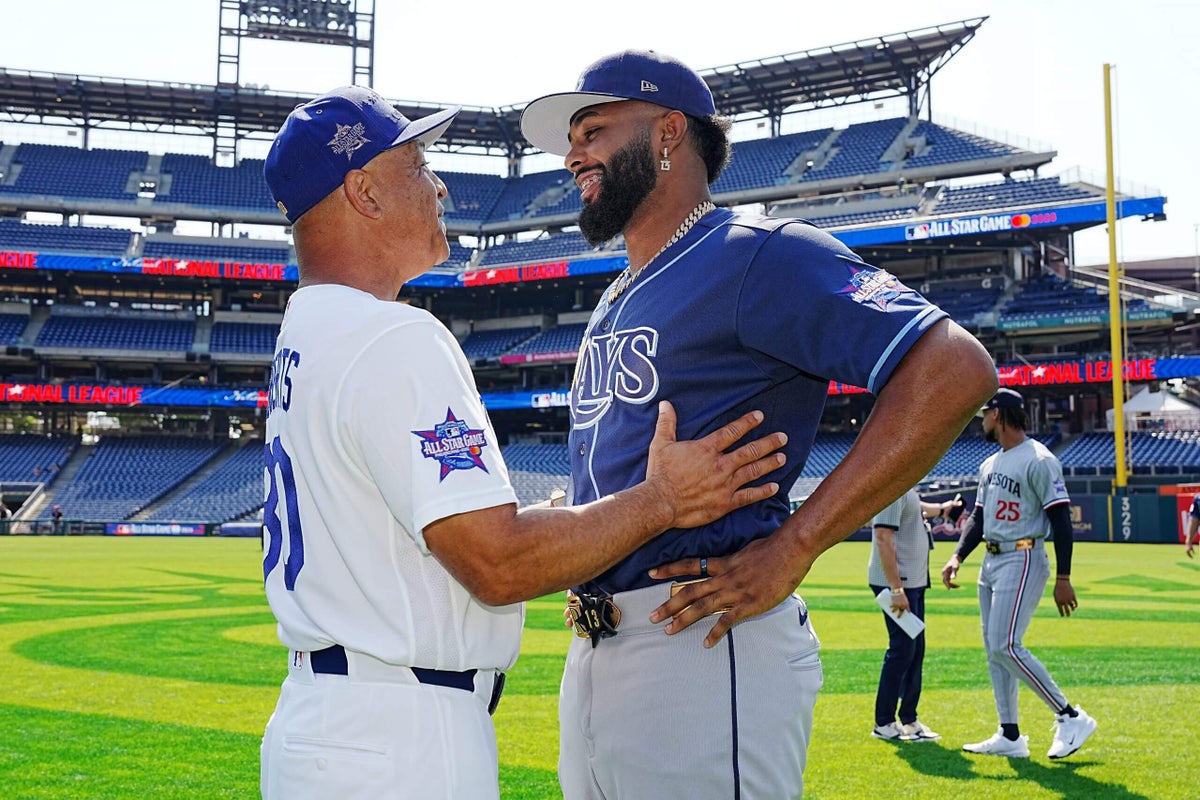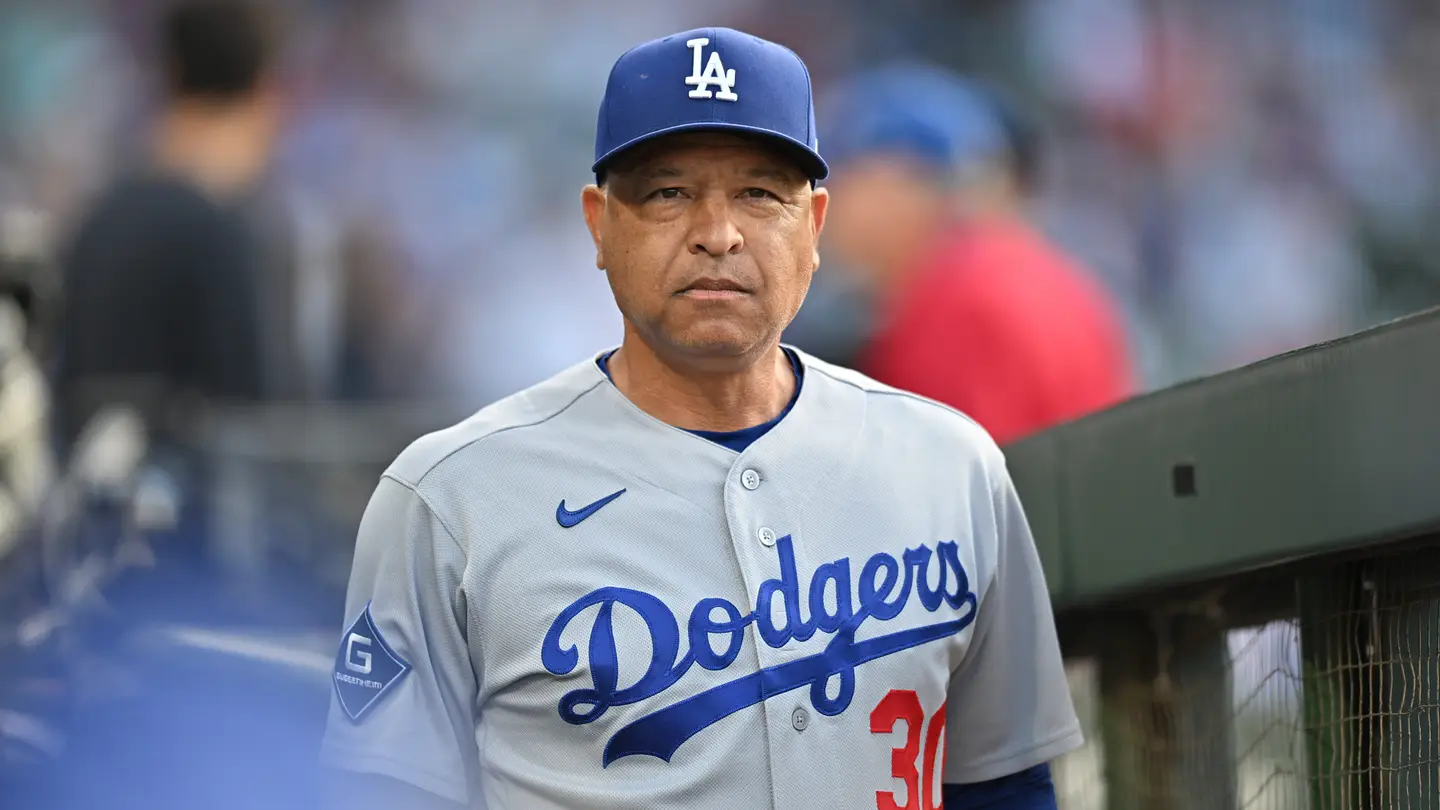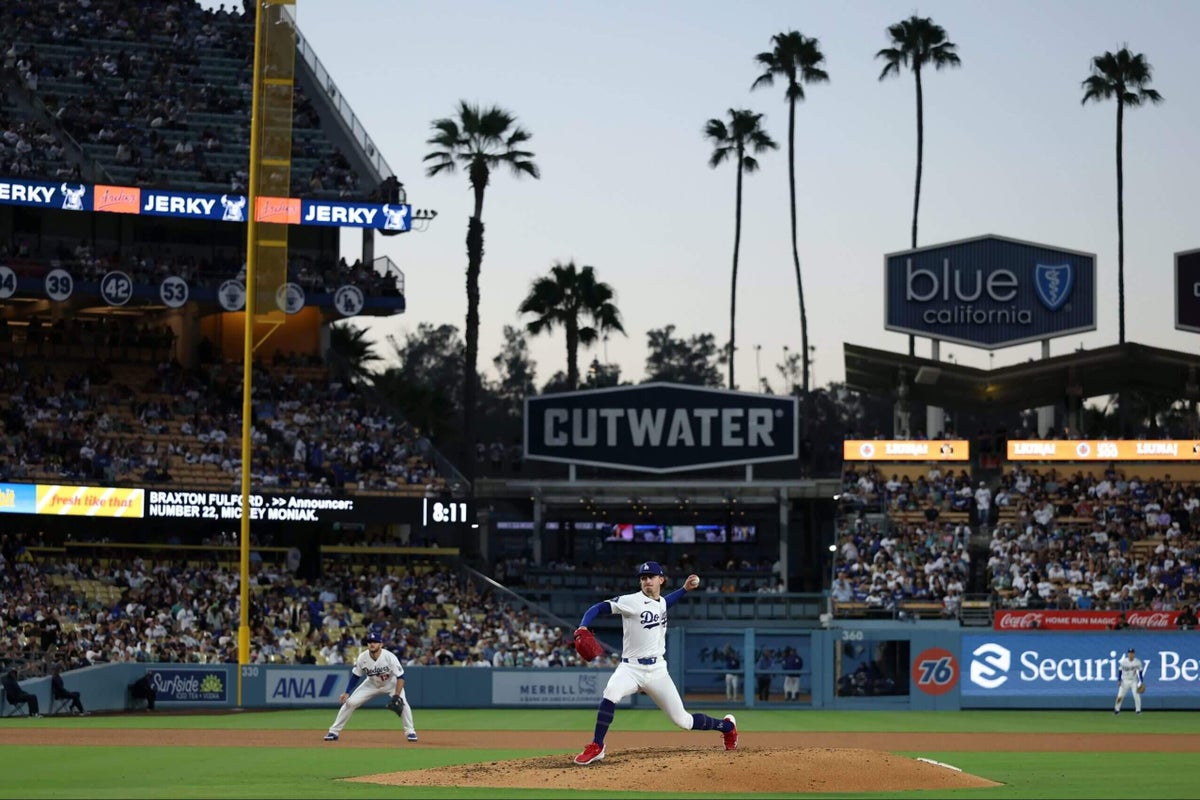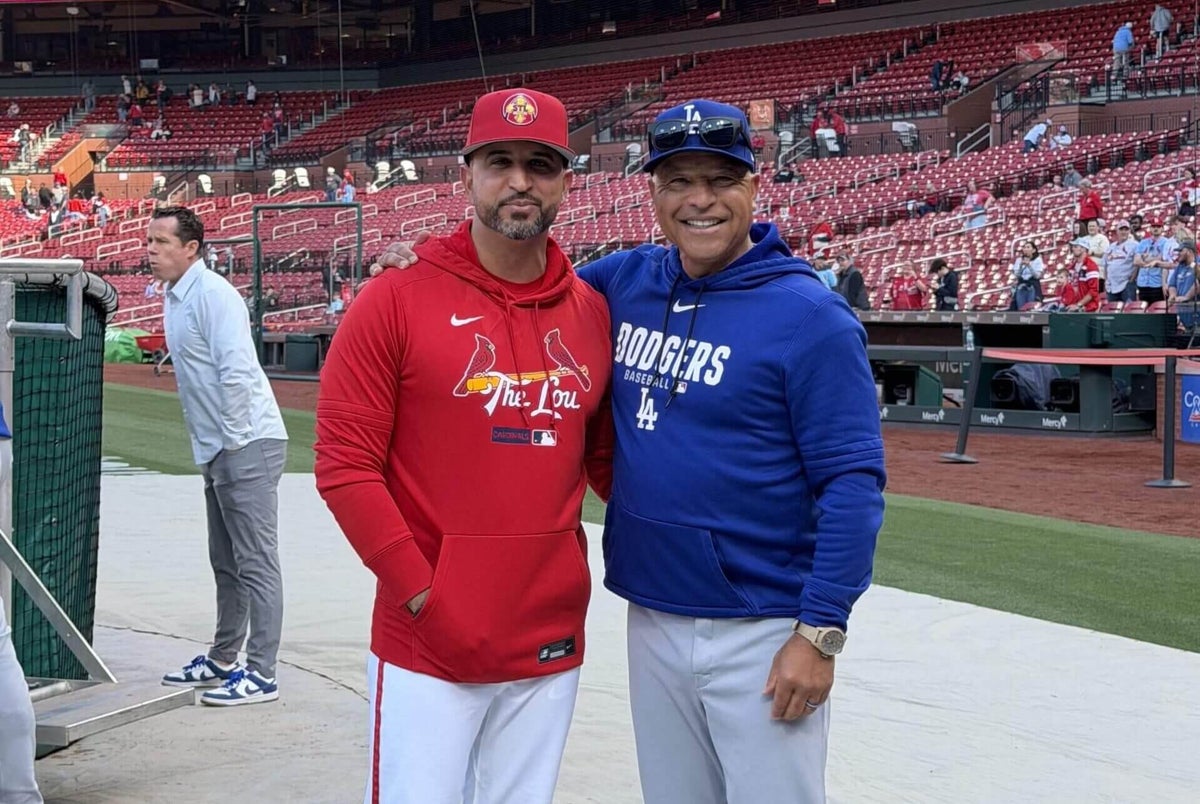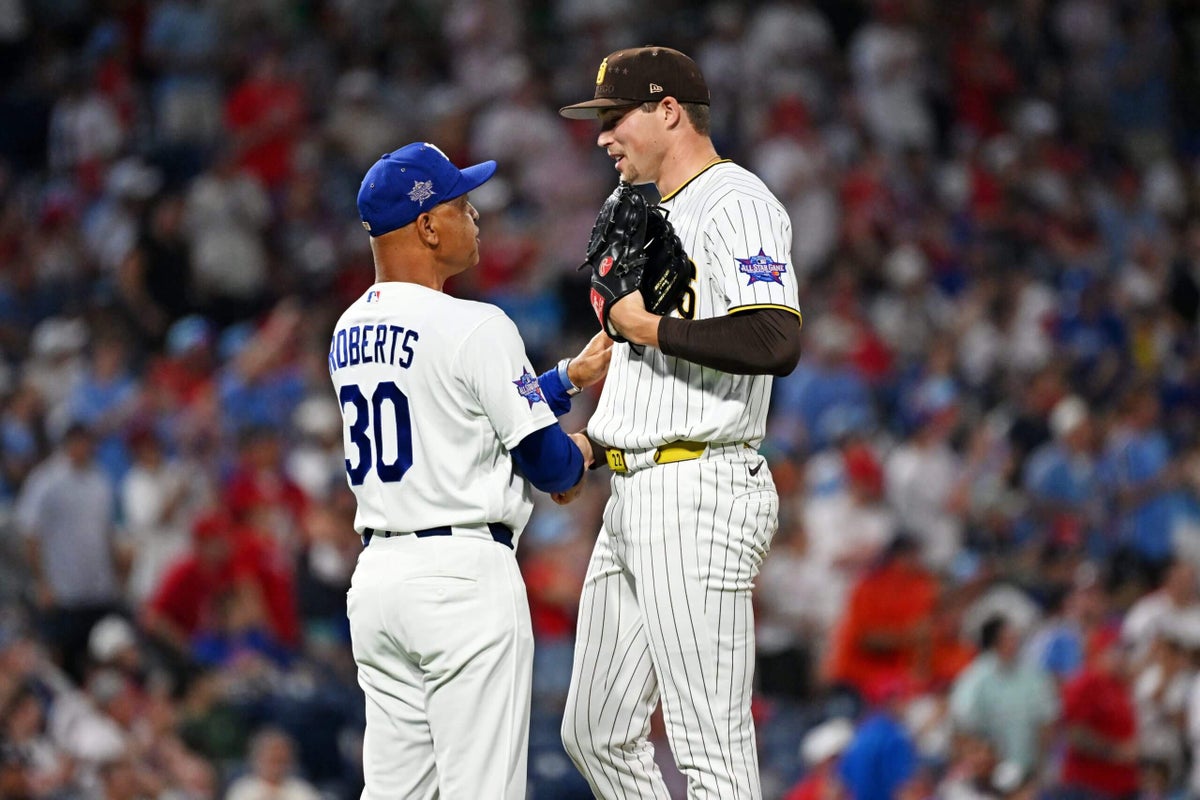
PHILADELPHIA – One more baserunner on this hot night, and National League manager Dave Roberts might have broken into a cold sweat.The Philadelphia Phillies’ Cristopher Sánchez, the NL’s starting pitcher, already had thrown 30 pitches. Roberts was considering pulling him for St. Louis Cardinals closer Riley O’Brien right then, but terrified to do it.The move would have triggered a bullpen carousel that might have left the NL without enough pitching, creating an embarrassment to potentially rival the 2022 All-Star Game in Milwaukee that ended in an 11-inning tie when the teams ran out of pitchers.This is is where Major League Baseball is with the All-Star Game, which the AL won on Tuesday night, 4-0. The exhibition this year failed to include reigning MVPs Shohei Ohtani and Aaron Judge, reigning NL Cy Young winner Paul Skenes and the hottest pitcher on the planet, Jacob Misiorowski, among other stars.And there are no easy fixes.Players get hurt. Pitchers become unavailable through their own reluctance and/or their teams’ resistance. Some players and executives simply don’t care enough to make the game a true Midsummer Classic.Pitching dominates MLB's All-Star GameJohnny Flores Jr. and Jayne OrensteinMajor League Baseball isn’t happy about it. And the league seemingly demonstrated its frustration with the increasingly cavalier attitude of players toward the ASG in its proposal to the union about possible participation in the 2028 Olympics.In the proposal, a copy of which was reviewed by The Athletic, the league said players who chose not to play in the Summer Games would effectively be suspended for three and a half weeks without pay or service time. Players on the injured list would be excused, but could not play again until a couple of weeks after the season resumed. Part of the league’s motivation was to deter players from skipping the All-Star Game without a valid reason and then playing in the Olympics.The Olympics is an actual competition. The All-Star Game is an exhibition. But if the league was comfortable with the players’ overall approach, it probably wouldn’t be making threatening proposals to the union.Roberts was in a box entering Tuesday night’s game, though few outside the NL clubhouse knew it. His Los Angeles Dodgers had determined that Yoshinobu Yamamoto would not pitch. The Atlanta Braves and San Francisco Giants had asked the NL not to use Chris Sale and Logan Webb, respectively. But none of those pitchers was replaced on the NL roster.The NL had enough pitching to cover only 10 innings, and that was only if the Dodgers’ Justin Wrobleski worked two of them. Wrobleski was the only NL pitcher available who could enter the game to complete an inning and then warm up again for another. Every other NL pitcher was restricted to warming up only once.As Sánchez’s pitch count in the first inning mounted, Roberts’ concern grew. Seeking direction, he looked at Sánchez’s manager with the Phillies, NL coach Don Mattingly, after the New York Yankees’ Ben Rice hit a two-out RBI single to increase the AL’s lead to 3-0.“He can keep going,” Mattingly said. “He can take down another hitter.”Roberts said he was relieved to get Mattingly’s blessing, and Sánchez struck out the Detroit Tigers’ Riley Greene, the eighth batter of the inning, on four pitches.And if Sánchez had not retired Greene?“I’m in a panic,” Roberts said.Roberts credited Dodgers pitching coach Mark Prior with helping him manage the situation. AL manager John Schneider did not face the same type of duress. He had enough pitching to cover the necessary innings. The Yankees’ Cam Schlittler, who initially said he was “apprehensive” about throwing, even volunteered before the game to take the ball, though he ultimately was not needed.“It’s tough. You’re trying to be respectful of the organization’s wishes. You’re trying to take care of players. But you’re also trying to get through a game,” Roberts said. “That’s the most stressful part, especially when you don’t have much margin for a long inning.”What’s the answer?“That’s an existential (question),” Roberts said. “I just feel that the best players should be here, should want to play. But it’s just the whole landscape has changed. That’s the unfortunate part.”Changed in which way?“Players are just not interested in participating. And organizations, to be quite frank, aren’t as interested in players participating,” Roberts said. “I’m not a decision-maker. You just get the roster and try to make do the best you can.”Managers in the World Baseball Classic often encounter similar problems. Major-league executives, worried only about their own clubs, always try to protect their pitchers as much possible, not that they’re particularly good at keeping arms healthy.Commissioner Rob Manfred, speaking Tuesday to the Baseball Writers Association of America, said teams now are manipulating the rule that makes pitchers who throw on the Sunday prior to the All-Star break ineligible for the ASG two days later.“It’s clear to me that teams are managing their pitching in a way to take advantage of the Sunday pitcher rule,” Manfred said. “I do think it’s really important that we always reevaluate our approach to the All-Star Game in order to get the very, very best players actually participating in the game.”One possible solution would be to move the game from Tuesday to Wednesday, giving pitchers an additional day of recovery. But even then, certain pitchers might be hesitant to pitch, preferring the extra rest. And teams, as always, would seek to exercise caution.Take away a player’s All-Star bonus if he is named to a team but fails to attend the game? Penalizing injured players that way would be unfair. Strip a player of All-Star designation, potentially damaging his Hall of Fame chances? The union would fight that one, too, particularly if the player had a reasonable excuse.But consider this:A year ago, some criticized the inclusion of Misiorowski on the NL team when he had made only five career starts. But Misiorowski pitched in the All-Star Game and acquitted himself well, throwing a scoreless inning.No one questioned The Miz’s All-Star selection this year. He is the game’s hardest thrower, and leads the majors with a 1.62 ERA. Initially, he was scheduled to pitch Sunday, ruling him out for the All-Star Game. Then the Brewers scratched him from that start and said he still would miss the ASG, citing arm fatigue.When will we see The Miz pitch in the All-Star Game again?At this rate, who knows?
For Dave Roberts, managing this All-Star pitching staff proved a ‘stressful’ balance
The NL had enough pitching to cover only 10 innings, and that was only if the Dodgers’ Justin Wrobleski worked two of them.
1,056 words~5 min read