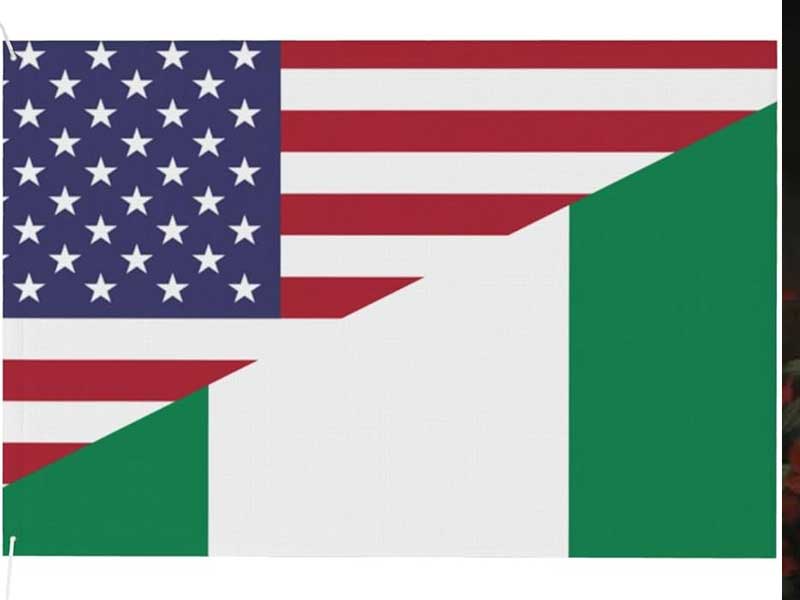
The US wants exports, jobs, strategic influence, and trusted infrastructure markets. Nigeria wants energy reliability, digital resilience, jobs, and projects that strengthen growth and stability. That overlap is where the real national interest and assistance story lies.
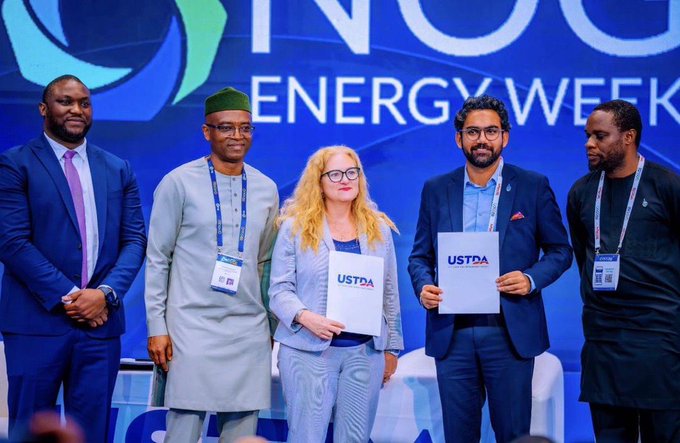
That is why the latest moves by the US Trade and Development Agency, or USTDA, matter. The agency is not just funding projects. It is using early-stage assistance to shape which infrastructure gets built, who gets to build it, and what standards govern it. In Nigeria, that approach is now visible in energy, digital infrastructure, and health.
On 9 July, at a Washington RoundTable event, Thomas Hardy, USTDA’s chief operating officer and deputy director, described the USTDA agency as “foreign assistance with a purpose.” He said USTDA supports development in partner countries, but does so in ways that advance US national security and trade interests. That is a useful way to understand what Washington is trying to do now: to use foreign assistance not only to help but also to position American firms and American technology in markets that matter.
Nigeria is a good place to see that logic in action. The country needs infrastructure that works — energy systems that support industry, resilient digital systems, and infrastructure facilities that expand access and capacity. USTDA-backed projects do not solve all those problems, but they can help close gaps where financing is difficult, and the need is urgent.