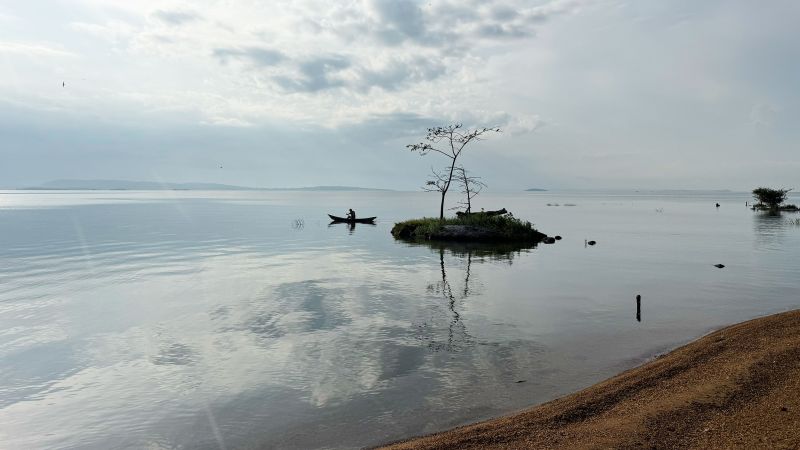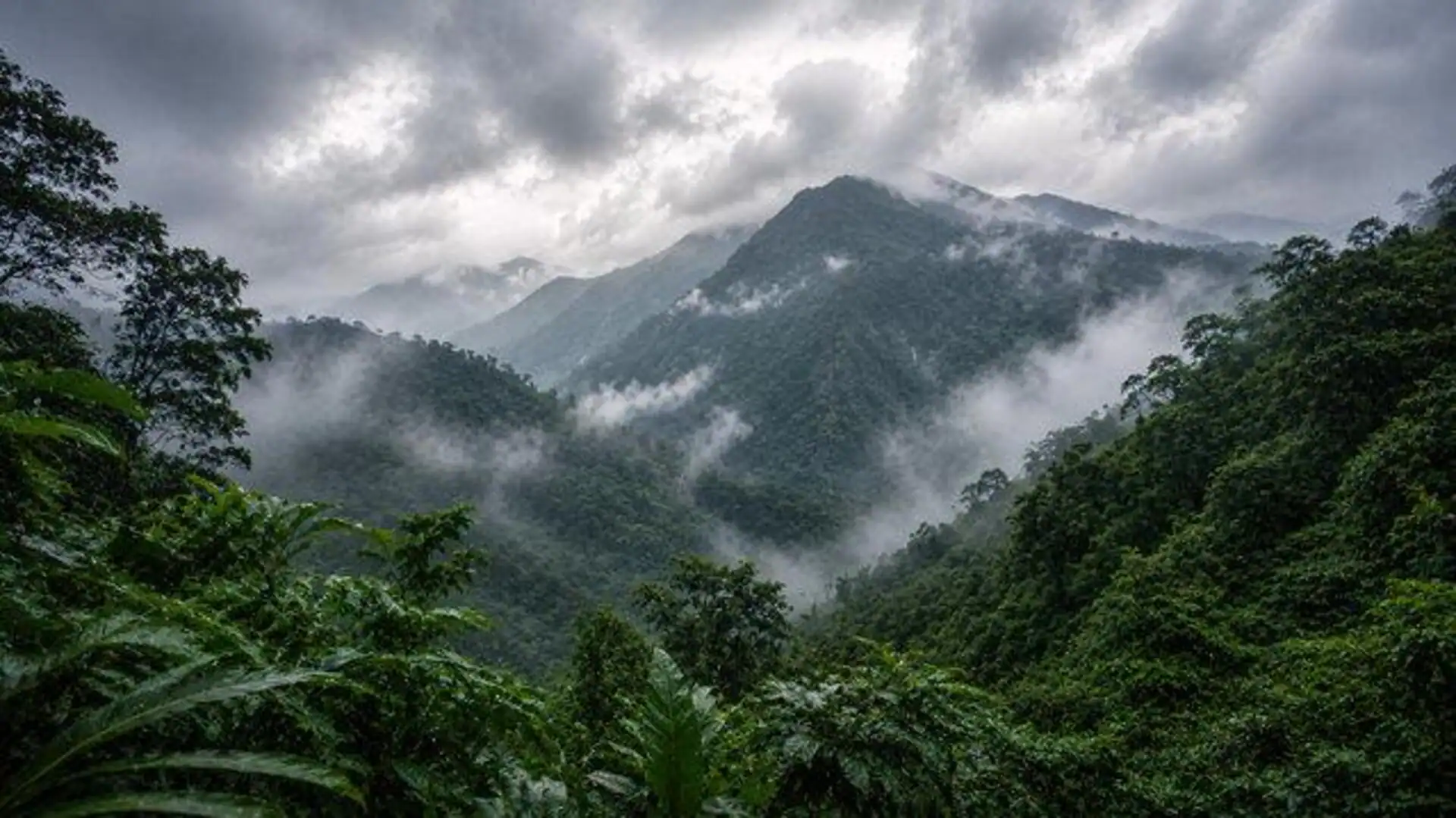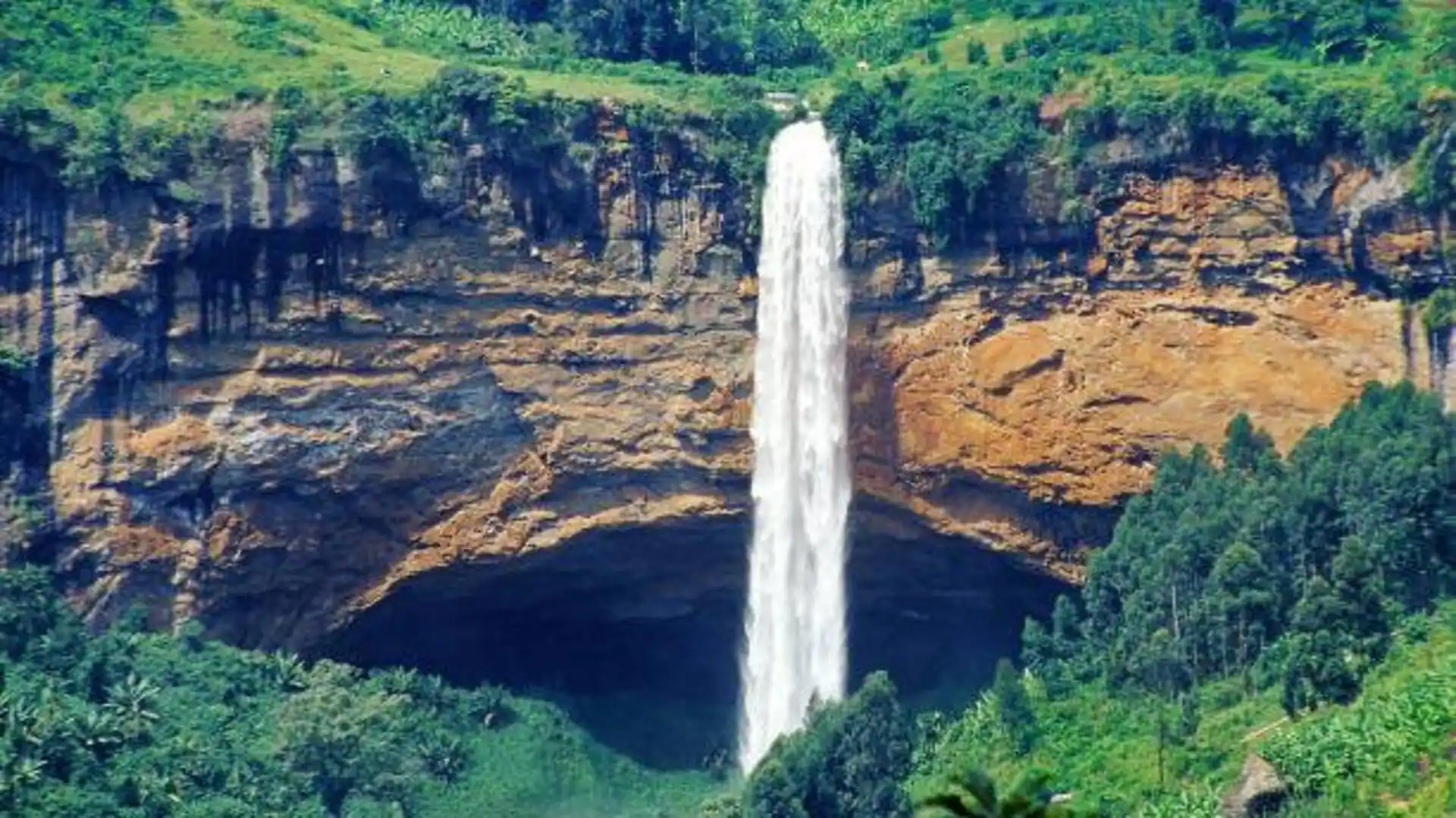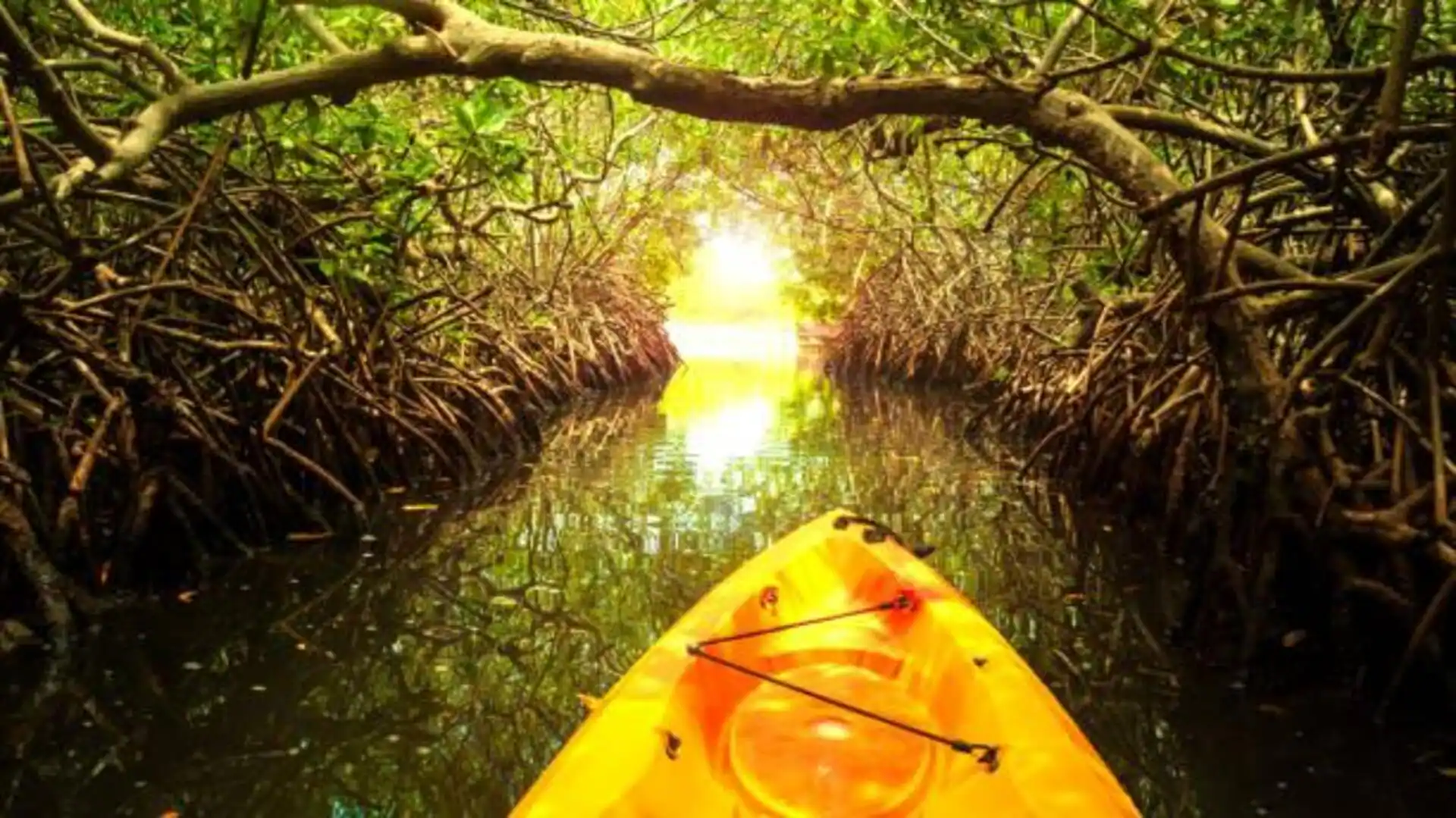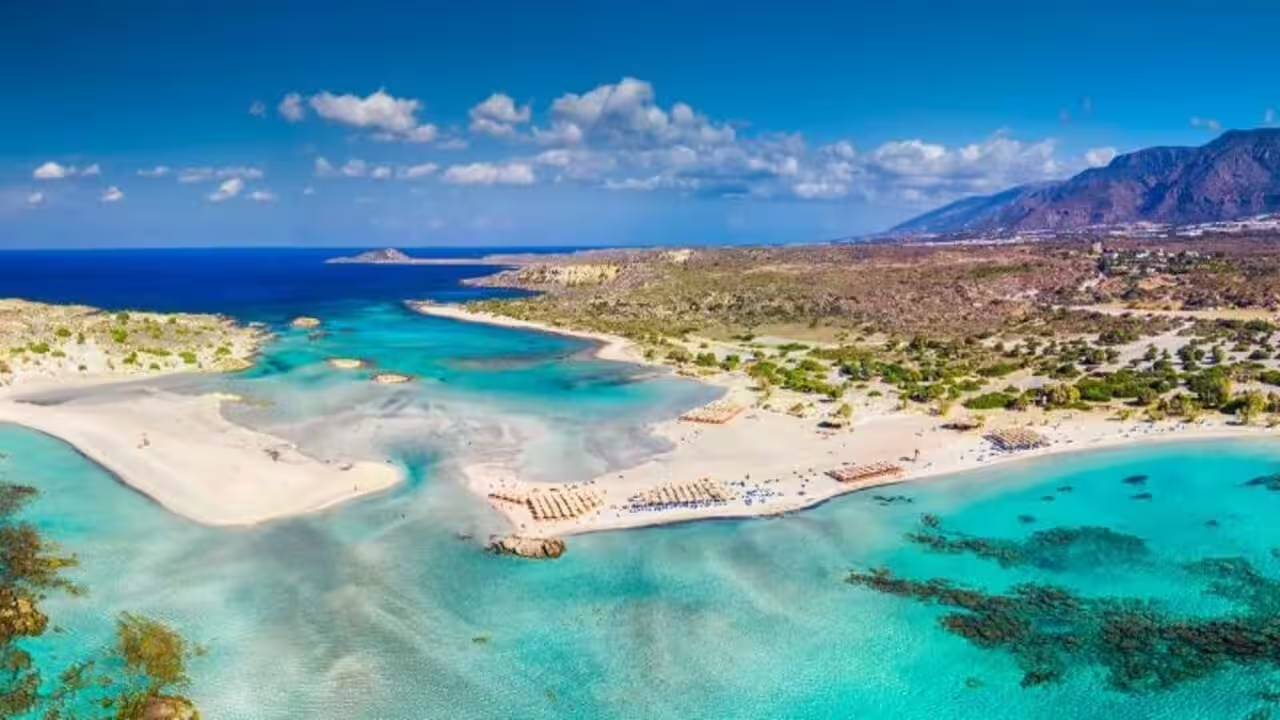
Ssese IslandsNearly every journey to Uganda begins with wildlife. Travellers head west for mountain gorillas, north for safaris or east to the source of the Nile. Few, however, set aside time for a ferry ride across Lake Victoria to the Ssese Islands, an archipelago where sandy beaches replace game drives, fishing villages outnumber resorts and the pace of life is dictated by the lake.Scattered across Africa's largest lake, the Ssese Islands comprise 84 islands, of which about 43 are inhabited. The largest, Bugala Island, serves as the gateway for visitors arriving by ferry from Entebbe or Bukakata, while smaller islands remain sparsely populated, covered in tropical forests or known mainly to local fishing communities.The islands have long been popular with Ugandans looking for a quiet weekend away from Kampala, but they remain largely absent from the country's mainstream tourism circuit. The archipelago combines white-sand beaches, tropical forests, fishing communities and centuries-old cultural traditions, making it one of the country's lesser-known destinations beyond its famous wildlife parks.More than beaches and boat ridesThe journey itself is part of the experience. The passenger ferry from Nakiwogo, south of Entebbe, takes around three and a half hours to reach Lutoboka Bay on Bugala Island. Another route connects Bukakata, near Masaka, to the islands in a much shorter crossing, making Ssese accessible even as a weekend trip. According to the Uganda Tourism Board, both routes continue to serve residents alongside growing numbers of domestic and international tourists.Once ashore, the atmosphere changes noticeably. Palm-fringed beaches, red dirt roads and dense forests dominate the landscape, while fishing boats replace city traffic. Visitors spend their days on nature walks, birdwatching, canoe rides, quad biking, sport fishing or simply watching the sun set over Lake Victoria.The archipelago is also home to rich biodiversity. Forests shelter monkeys, monitor lizards and hundreds of bird species, while the surrounding waters are known for Nile perch and tilapia. Much of the islands' appeal comes from the fact that large areas remain relatively untouched, giving travellers a chance to experience a quieter side of Uganda.Where history and spirituality meetLong before tourism arrived, the Ssese Islands held an important place in the cultural and spiritual life of the Buganda Kingdom. Historical accounts suggest Buganda kings regularly travelled to the islands to pay homage at shrines dedicated to Mukasa, the traditional guardian spirit of Lake Victoria. Several islands, particularly Bubembe, are still associated with these beliefs, and sacred sites continue to attract pilgrims alongside curious visitors.That blend of nature and spirituality is one reason parts of the archipelago remain carefully protected by local communities.One such place is Nanziri Waterfall on Bukasa Island. Hidden within dense forest, the waterfall is regarded by many residents as sacred, and local custodians have deliberately kept tourism limited. John Kaweesi, one of the site's caretakers, said the community wants to preserve its cultural significance rather than turn it into a heavily commercialised attraction. "We don't want the place to lose its meaning," he said, reflecting concerns that rapid tourism could erode traditions that have survived for generations.Rather than being packaged as a conventional tourist attraction, places like Nanziri are often visited with the guidance and permission of local communities, who continue to perform rituals connected to the site's cultural significance.The islands today Although the islands remain relatively isolated, tourism has steadily expanded over the past decade. A 2025 report by Uganda's Daily Monitor noted that improved ferry services, better roads and growing investment in accommodation have made the archipelago more accessible than it once was. Activities now range from island hopping and sunset cruises to community walks and cultural experiences, while boutique lodges have opened alongside long-established guesthouses.Even so, the Ssese Islands have avoided the scale of development seen at many tropical destinations. Much of Kalangala District remains covered by tropical forest, and fishing and palm cultivation continue to underpin the local economy, according to the Uganda Tourism Board.For travellers, that means expectations need to be different. The islands are less about luxury resorts than about slowing down: walking through fishing villages, watching ferries arrive at Lutoboka Bay, sharing freshly grilled Nile perch by the lakeside and ending the day beneath some of the darkest skies in Uganda.As Uganda promotes destinations beyond its famous national parks, the Ssese Islands offer something increasingly rare: a place where the journey across the lake is as memorable as the destination itself, and where local traditions remain just as much a part of the landscape as the beaches and forests.
The hidden island paradise in the middle of Africa's largest lake: Uganda's Ssese Islands
Nearly every journey to Uganda begins with wildlife. Travellers head west for mountain gorillas, north for safaris or east to the source of the Nile.
745 words~3 min read