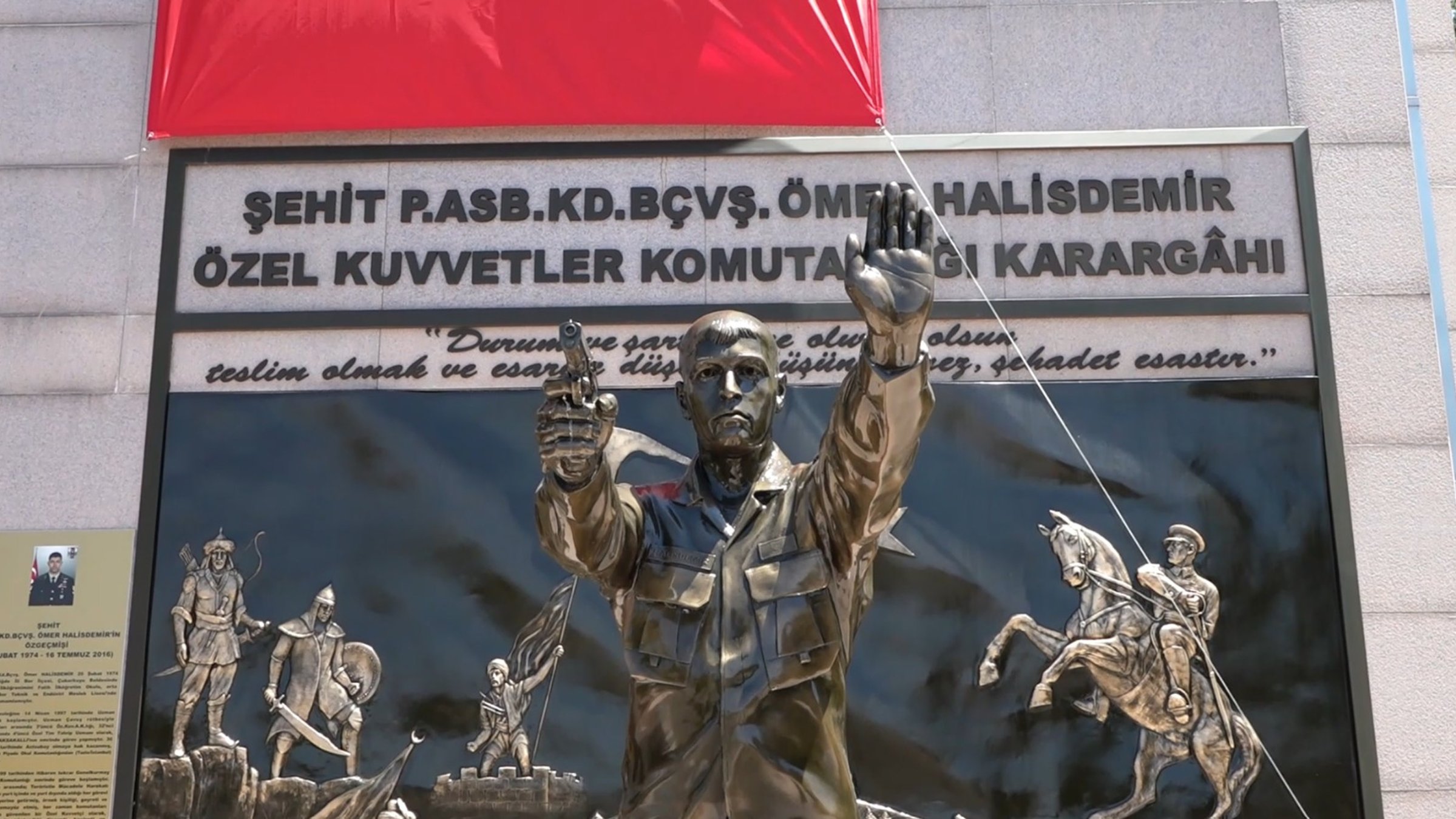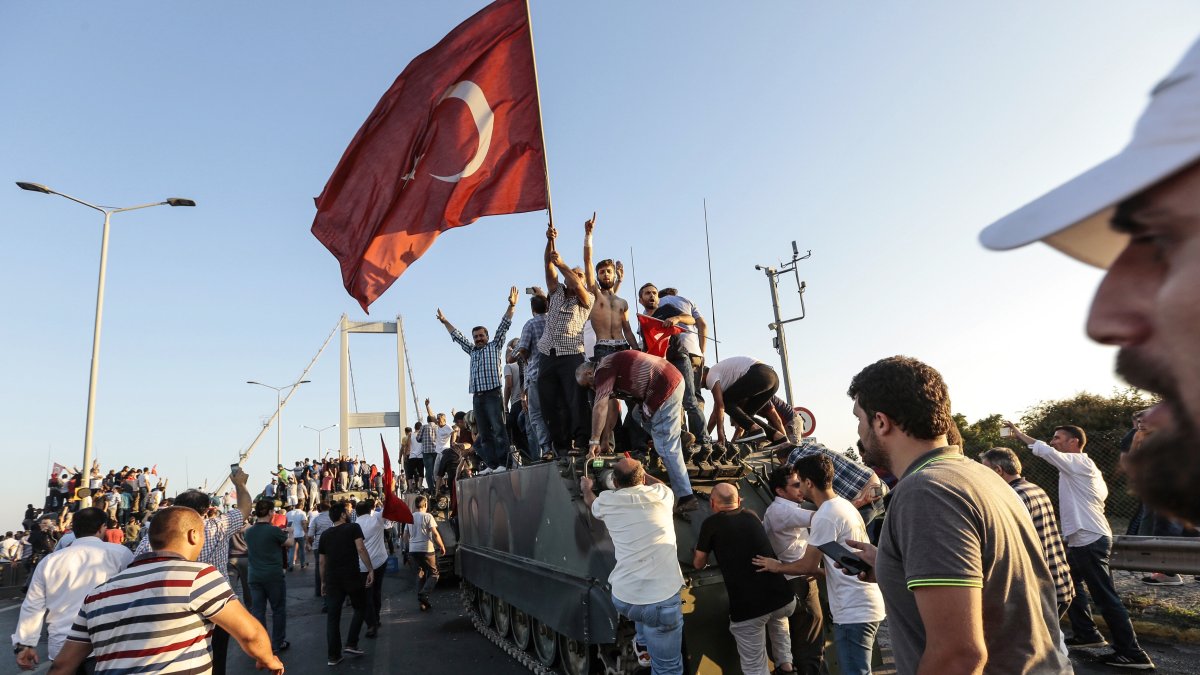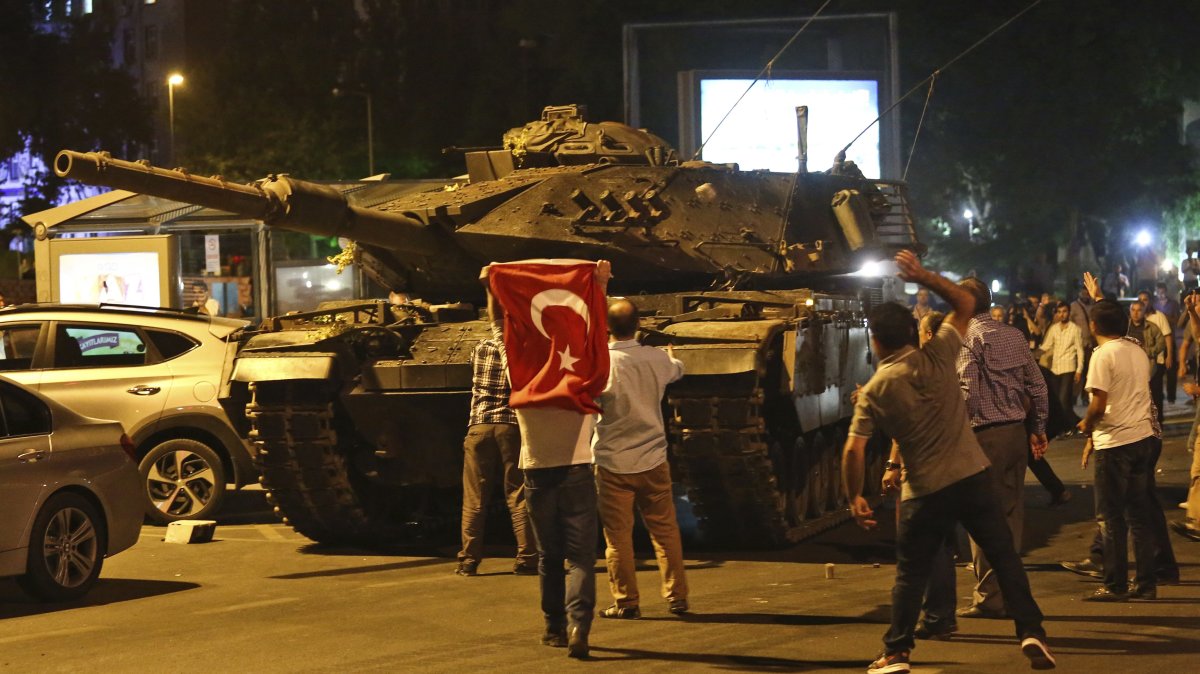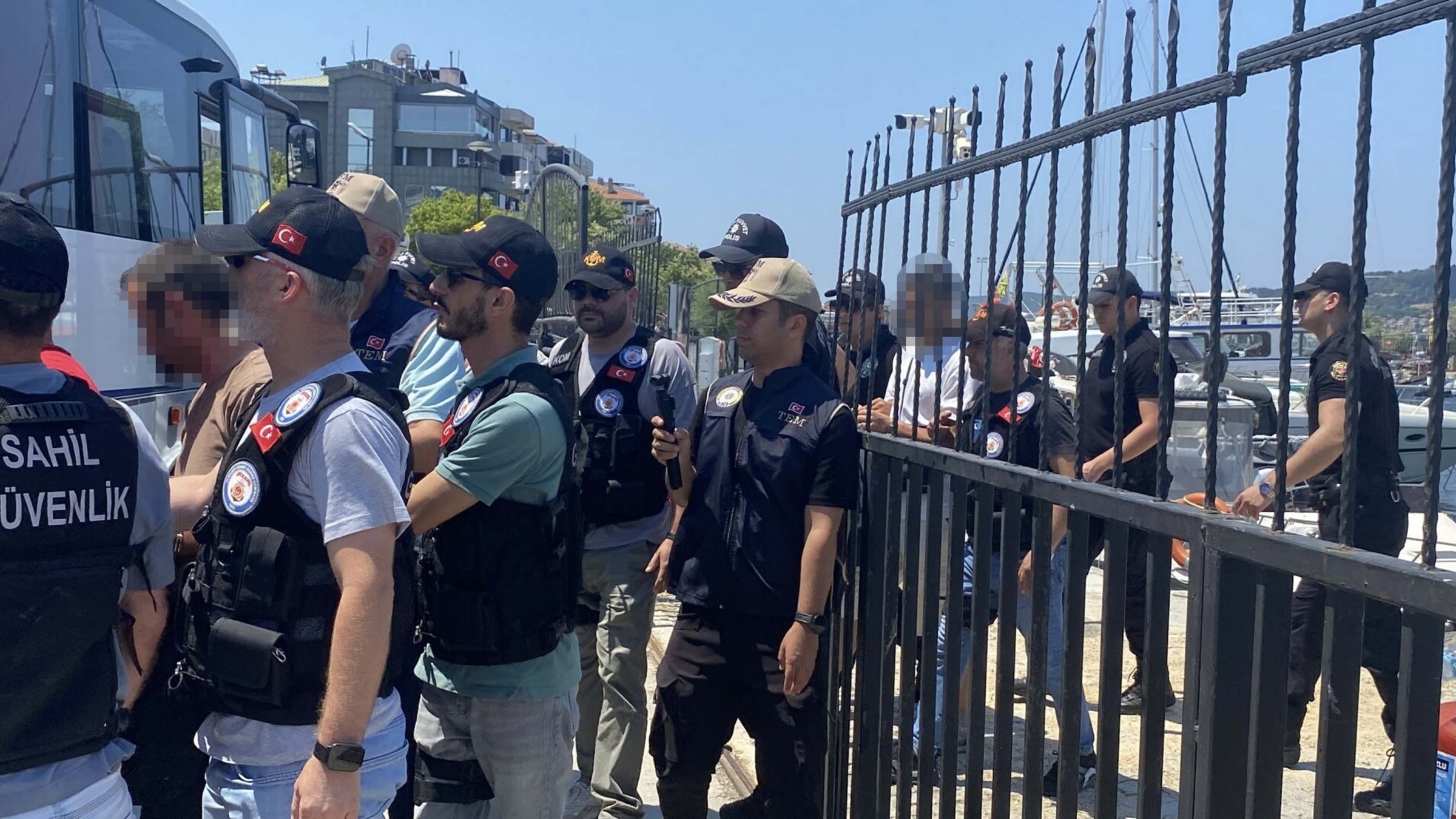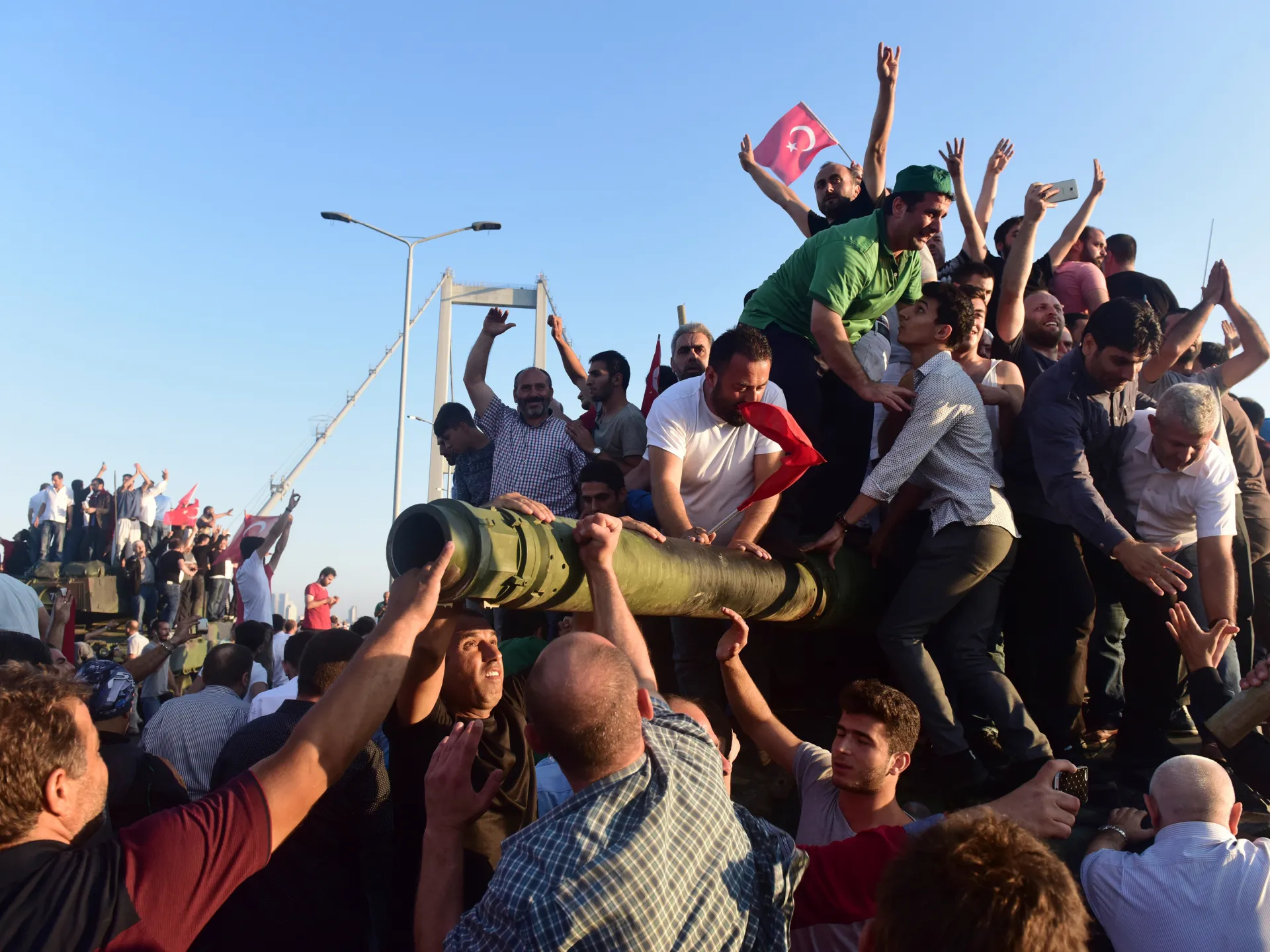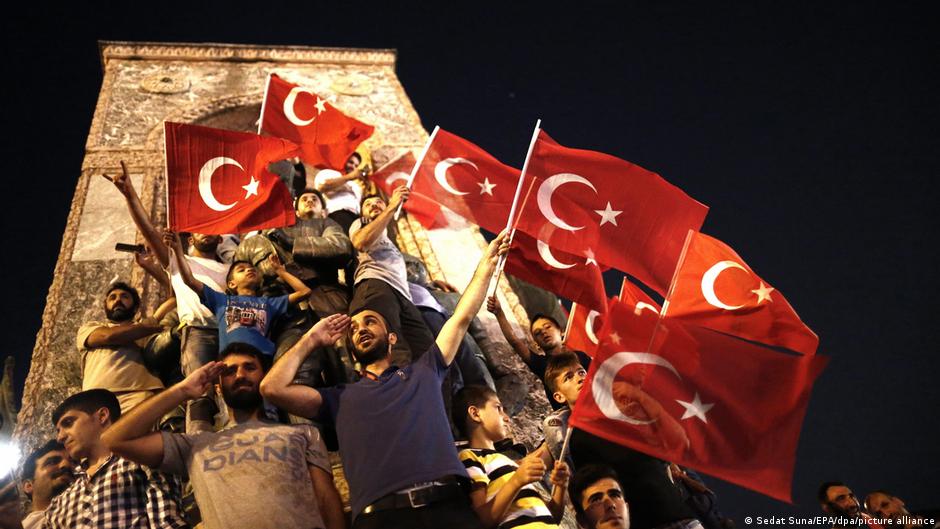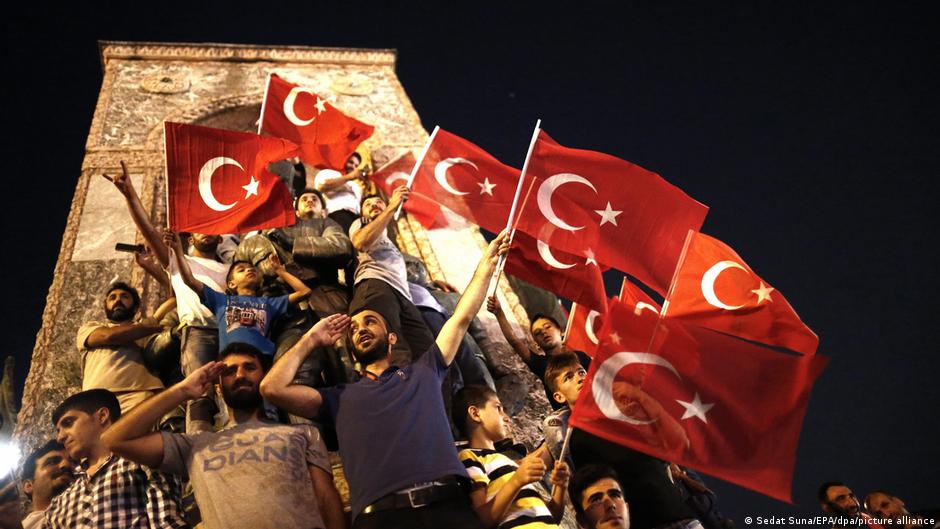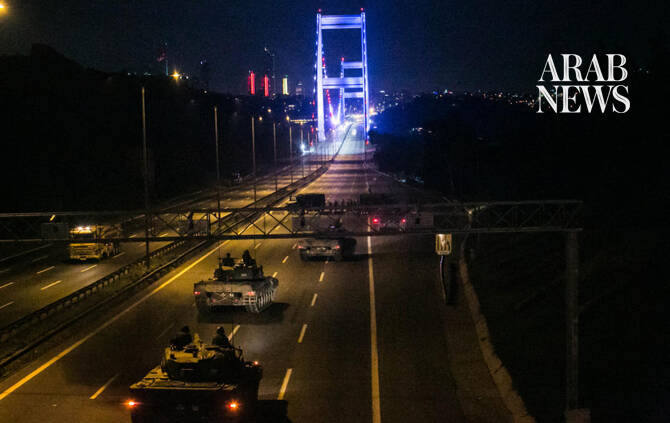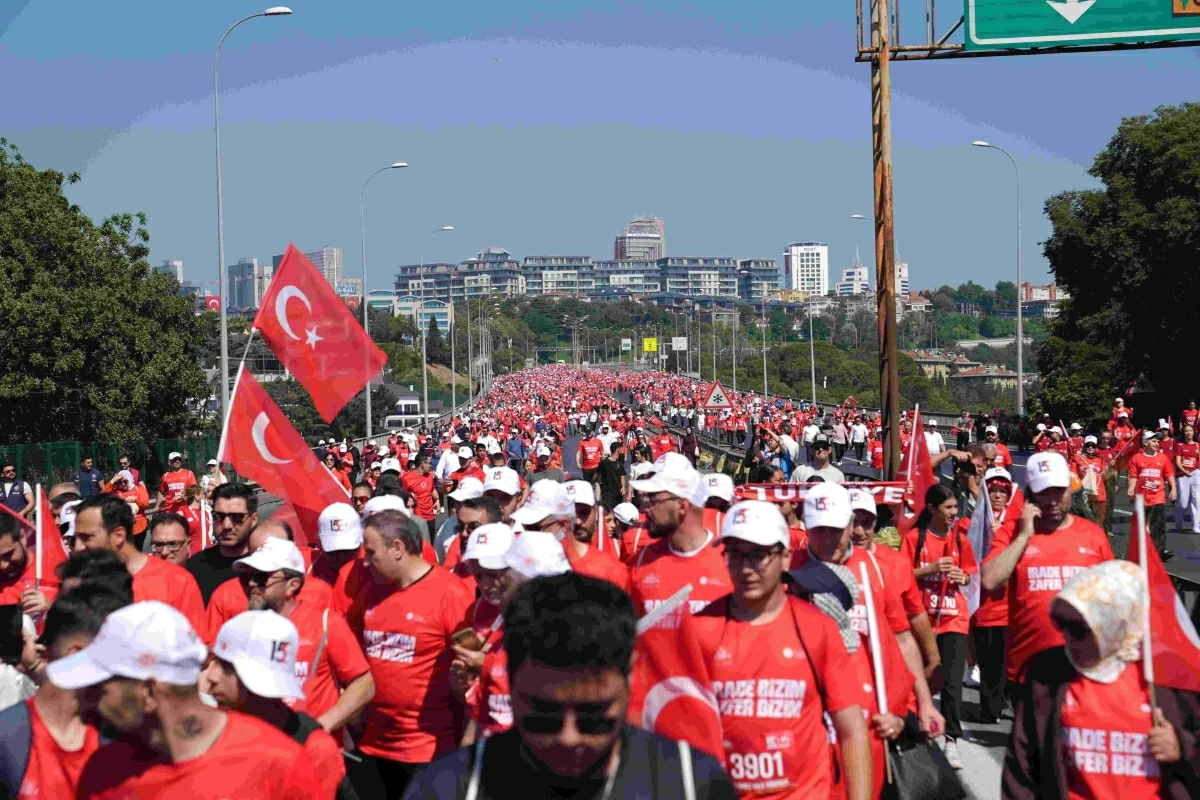
The “controlled coup” lie quickly spread online and, at one point, even found its way into opposition propaganda. On the 10th anniversary of the July 15, 2016, coup attempt by the Gülenist Terror Group (FETÖ), security sources say the contingency plan was created by the group to dodge the blame for their role in the attempt that killed 253 people.
Although its attempt ultimately failed due to unprecedented public resistance, for decades, FETÖ managed to run an infiltration scheme, planting its members into the state institutions. FETÖ leader Fetullah Gülen had once said that having a member in the military was worth the work of “ten colleges,” referring to FETÖ’s global school network, which also served as recruitment hubs for the group.
Before the 2016 coup attempt, FETÖ used its infiltrators in law enforcement and the judiciary to carry out similar operations targeting public officials, including a so-called anti-graft probe in 2013 and a plot to imprison the intelligence chief. It was designated as a security threat following the December 2013 coup attempts seeking to imprison government officials, and authorities closed in on FETÖ’s secret network in the army. The 2016 coup attempt was also a scheme to stop plans to weed out FETÖ members from the Turkish Armed Forces (TSK). Having learned that infiltrators in the army would be expelled in an August 2016 meeting of the Supreme Military Council (YAŞ), FETÖ launched its putsch bid on July 15.