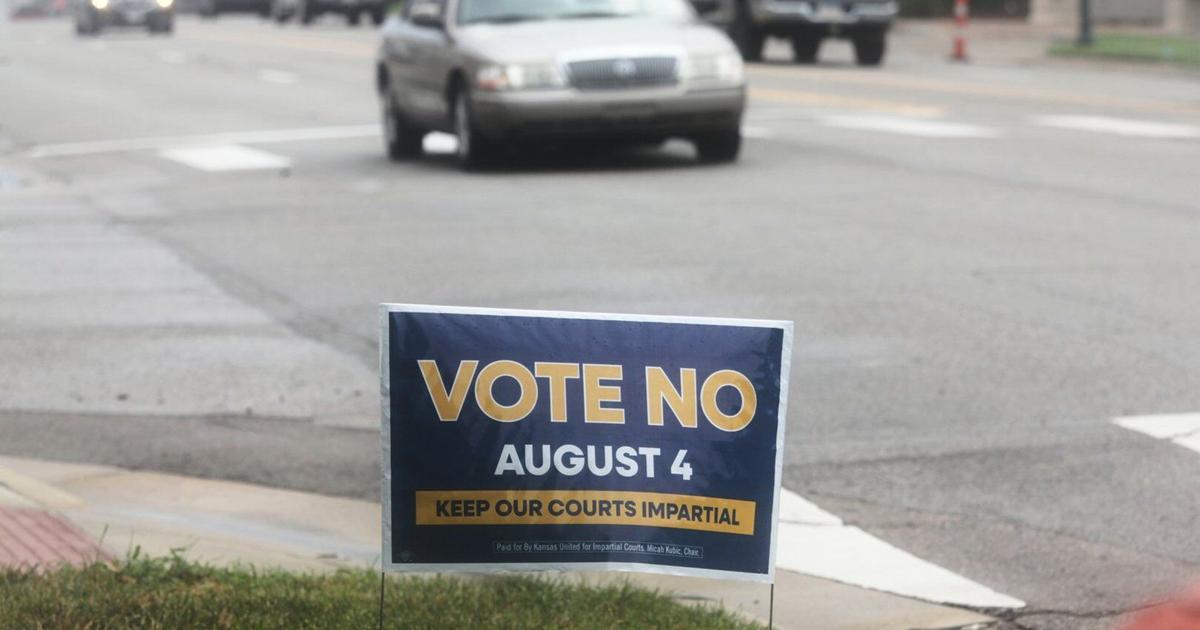
On Aug. 4, Kansas voters will decide whether to approve a proposed constitutional amendment that would return the authority to select Kansas Supreme Court justices to the people, rather than leaving the decision in the hands of a nominating commission composed of establishment lawyers — selected exclusively by their fellow members of the bar — and community activists chosen by the governor. The people had this power for the first 100 years of the State’s existence until they were effectively disenfranchised.Opponents argue that the current system, in which the governor chooses one of the nominees from the commission, insulates the court from politics and enables the justices to discharge their duties while remaining above the political fray. But this claim doesn’t stand up to scrutiny.
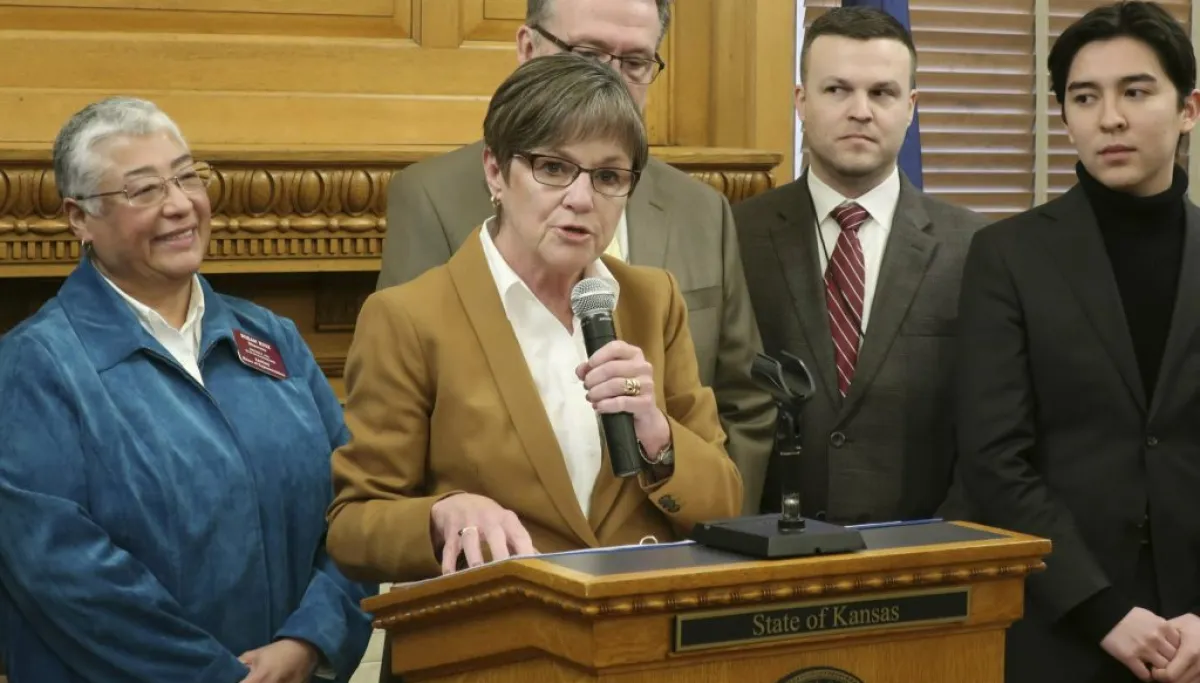
One need only review the opinions of some of the liberal justices in League of Women Voters of Kansas v. Schwab, and the bizarre behavior of Justice Dan Biles in that case, to understand the need for this amendment, which would not only help restore transparency on the workings of the court, but restore the representational rights of Kansas citizens.The current process gives far too much influence to a small group of elite (almost invariably liberal) insiders and far too little voice to the citizens whose lives are directly affected by the court’s decisions. Indeed, it is ironic that many opponents of the amendment, who are usually strong defenders of the right to vote, apparently believe the electorate is too stupid to be entrusted with voting on this issue. Southern segregationists once made the same claim about black Americans.Public confidence in the judiciary depends on way more than judges reaching results that the public likes. It depends on the public believing that cases are decided by impartial jurists who adhere to the same ethical standards, or higher, they expect of everyone else. When legitimate questions arise concerning a judge’s participation in a case, transparency is not optional. It is essential.That principle came sharply into focus during the Court’s handling of League of Women Voters, a high-profile lawsuit preposterously claiming that Kansas’s signature verification for mail-in ballots violated the Kansas Constitution. The challengers claimed this commonsense safeguard imposed an unconstitutional “burden” on voters. The purpose of this requirement, a standard security election practice in virtually every state, is obvious: It is one of the only ways to verify that the person who cast the ballot is actually the registered voter.On the underlying constitutional question, the court split 4-3 against the challengers, but three dissenting justices — Biles, Eric Rosen, and Melissa Standridge, all appointed by Democratic governors — bought this preposterous argument and took the position that the highest possible legal standard of review, strict scrutiny, should apply to the signature verification requirement, which, if so, would make it virtually impossible for any state legislature to implement the most basic security measures like voter ID or signature verification.Although much of the public attention has centered on the Court’s decision regarding Kansas election law, another aspect received comparatively little scrutiny: Justice Biles’s bizarre recusal shenanigans.In this Tuesday, Jan. 15, 2019 photo, Kansas Gov. Laura Kelly answers questions about her executive order to ban anti-LGBTQ discrimination in state hiring and employment decisions during a news conference at the Statehouse in Topeka, Kansas. Kelly’s administration will allow transgender people to change their birth certificates as part of a settlement to end a federal lawsuit. | (AP Photo/John Hanna)